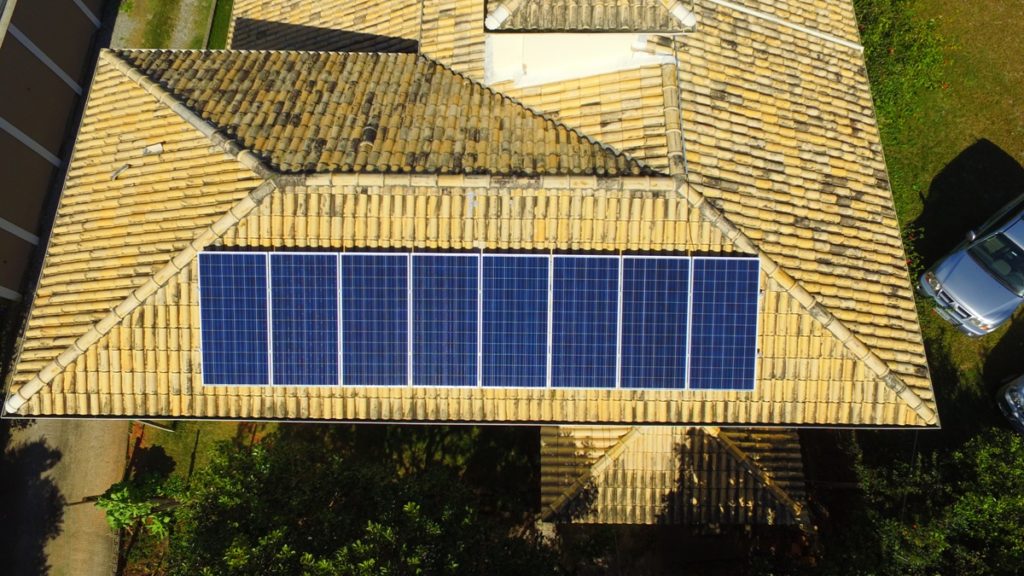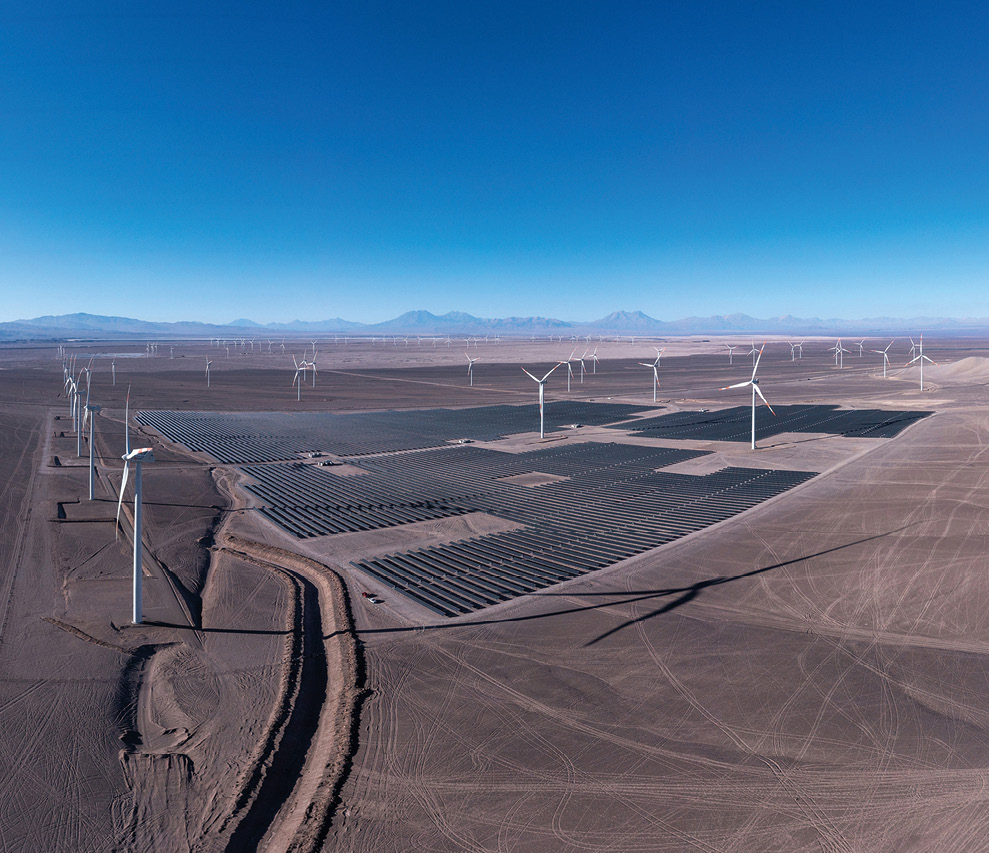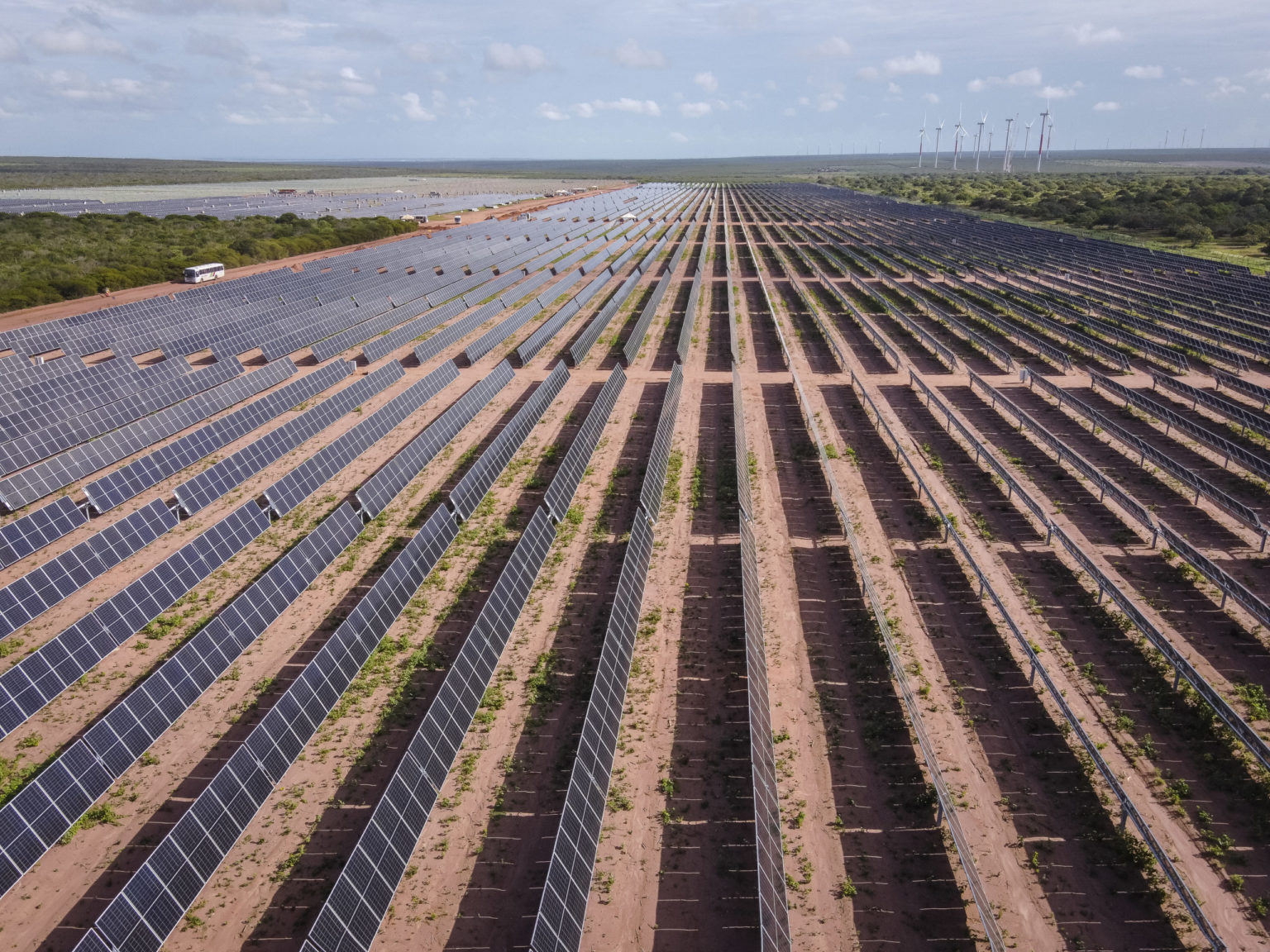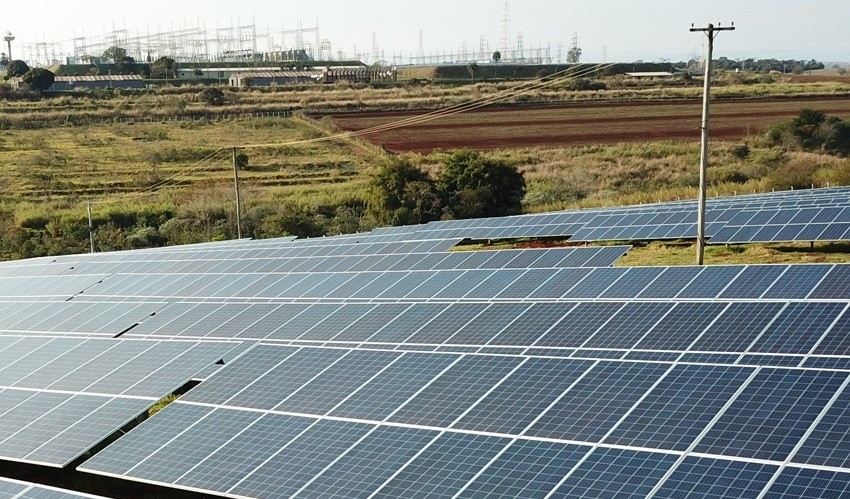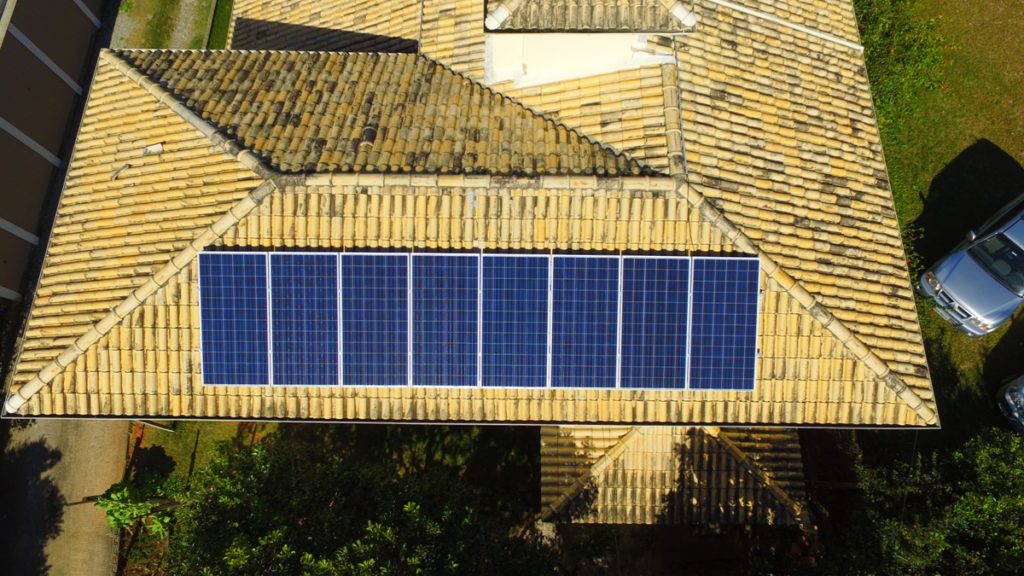
As photovoltaics continues getting cheaper, an increasing number of countries are adapting their regulatory frameworks to facilitate its integration into electricity markets. Brazil is currently adding more than 1 GW of new PV capacity each month, with the majority coming from small-scale, distributed rooftop installations. In this regard, Brazil stands out as an exception in South America. The country’s rapid solar expansion is not primarily driven by lower solar module prices compared with neighboring Latin American countries. Instead, it is largely the result of high conventional electricity prices, accessible financing, supportive regulations, tax incentives, and the scale of its energy market.
Brazil’s relatively high residential electricity prices are one of the main reasons rooftop solar has expanded so rapidly. In many parts of the country, residential consumers face elevated retail electricity rates due to a combination of distribution costs, taxes and surcharges, and cross-subsidies embedded in the tariff structure, designed to subsidise the low tariffs paid by low-income residential dwellings. As a result, households can often offset electricity that costs approximately $0.15–0.30 per kWh, depending on location and tariff, allowing solar systems to achieve attractive payback periods (typically 3 to 5 years). The introduction of net metering in 2012, coupled with a sharp acceleration in adoption after 2020, drove substantial growth in solar photovoltaic generation. As a result, solar PV rose from the seventh largest to the second-largest component of the country’s energy mix. This contrasts with several neighboring countries. Argentina and Bolivia have historically maintained heavily subsidized electricity prices, reducing the economic incentive for rooftop solar. Paraguay benefits from some of the lowest electricity costs in the world thanks to the Itaipu hydropower plant, while Peru’s residential tariffs are generally more moderate. Chile has comparatively higher electricity prices, but other market and regulatory barriers have constrained residential solar adoption. When grid electricity is already inexpensive, the economic case for rooftop solar becomes significantly less compelling.