A study presented by Brazil’s grid operator ONS shows that distributed-generation solar PV plants achieve an average performance ratio of 72%, with variations driven by seasonality and soiling. The findings will support new forecasting models to improve grid management as distributed solar capacity continues to expand.
The average performance ratio (PR) of solar micro- and mini-generation systems in Brazil is 72%, with variations throughout the day and across different months due to factors such as seasonality and soiling. The estimate was presented at a technical workshop organized by the National Electric System Operator (ONS), in partnership with the German development agency GIZ and the Center for Research, Development, and Innovation Management (CGPDI), focused on improving generation forecasting methodologies for distributed micro- and mini-generation (MMGD) in Brazil.
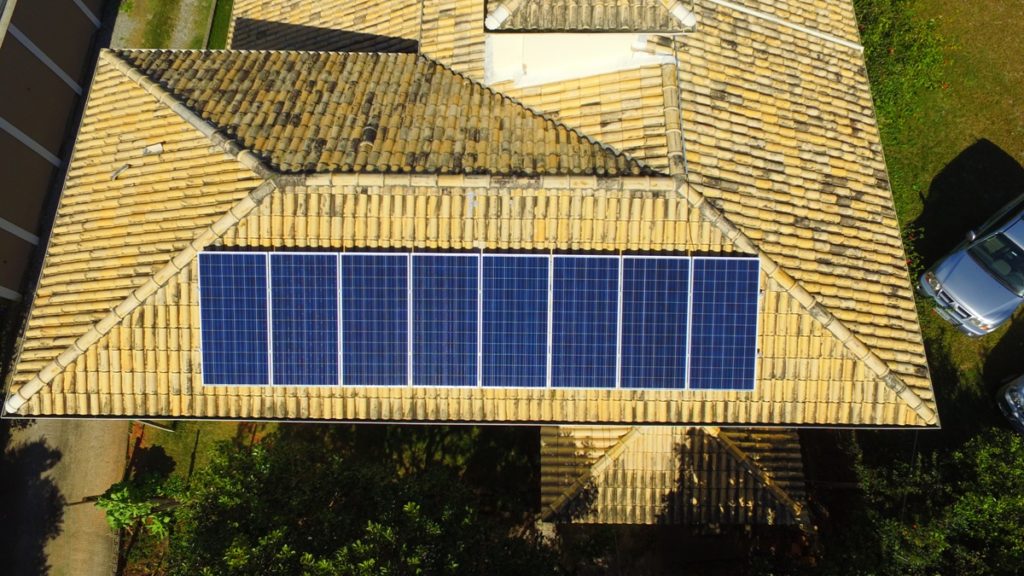
In Brazil, microgeneration systems are defined as those with an installed capacity of up to 75 kW, while minigeneration systems range from more than 75 kW to 5 MW for renewable sources such as solar PV.
The study, presented by Lucas Nascimento, a professor at the Federal University of Santa Catarina (UFSC), analyzed data from nearly 8,000 MMGD plants selected from an initial sample of more than 9,000 installations provided through a partnership with SolarZ.