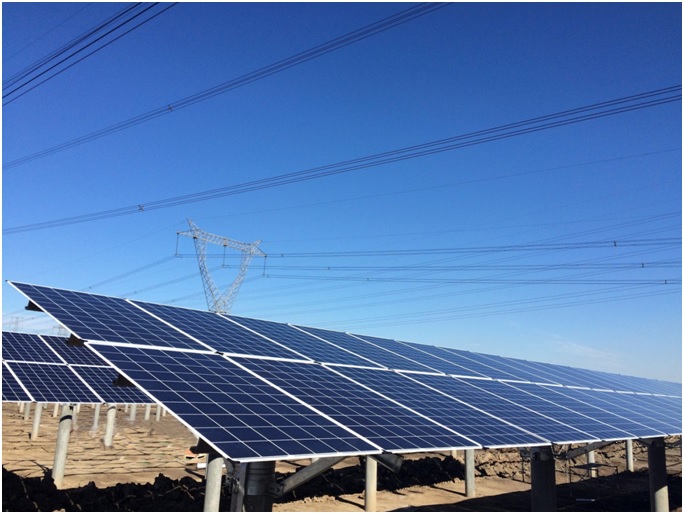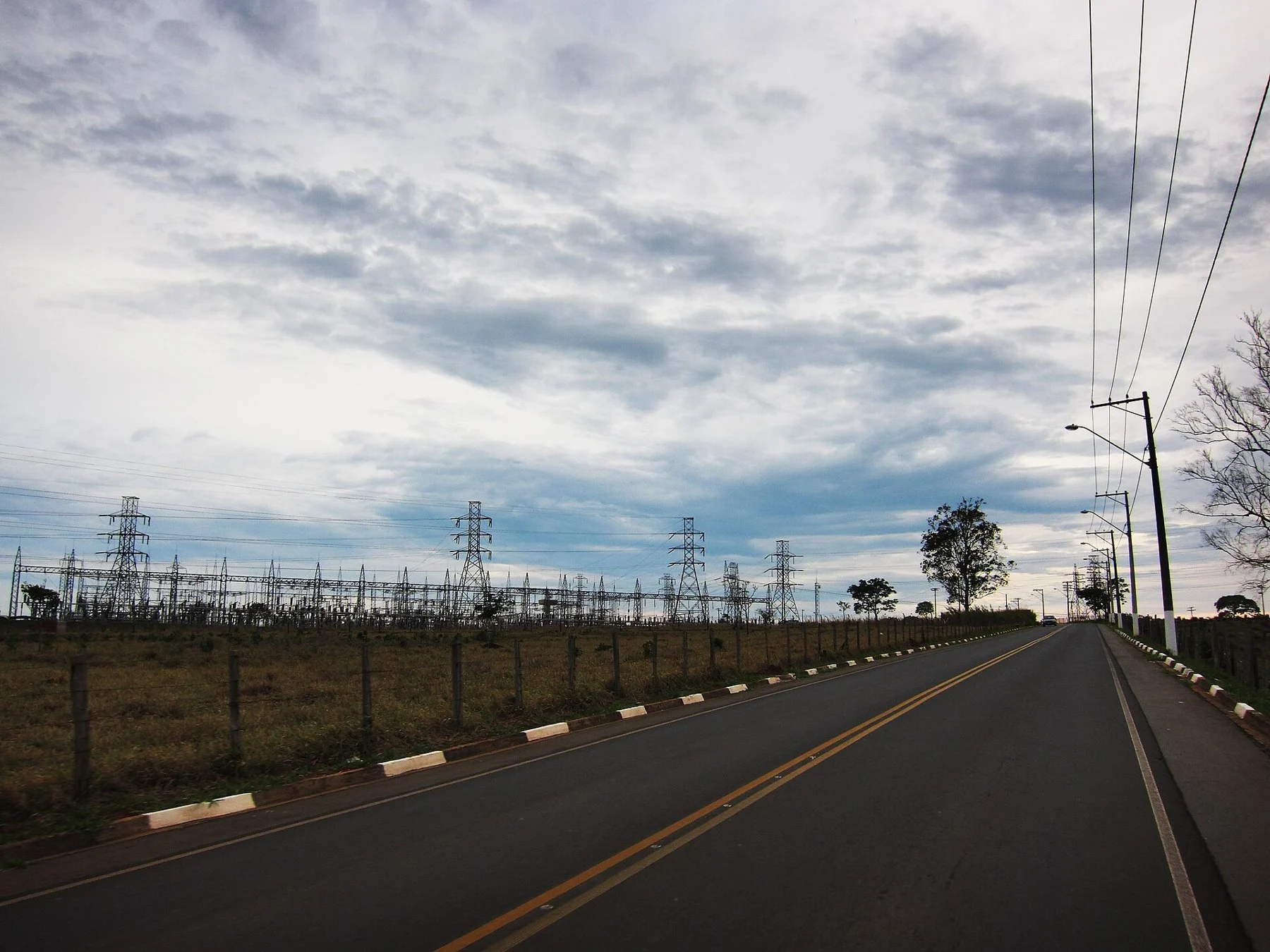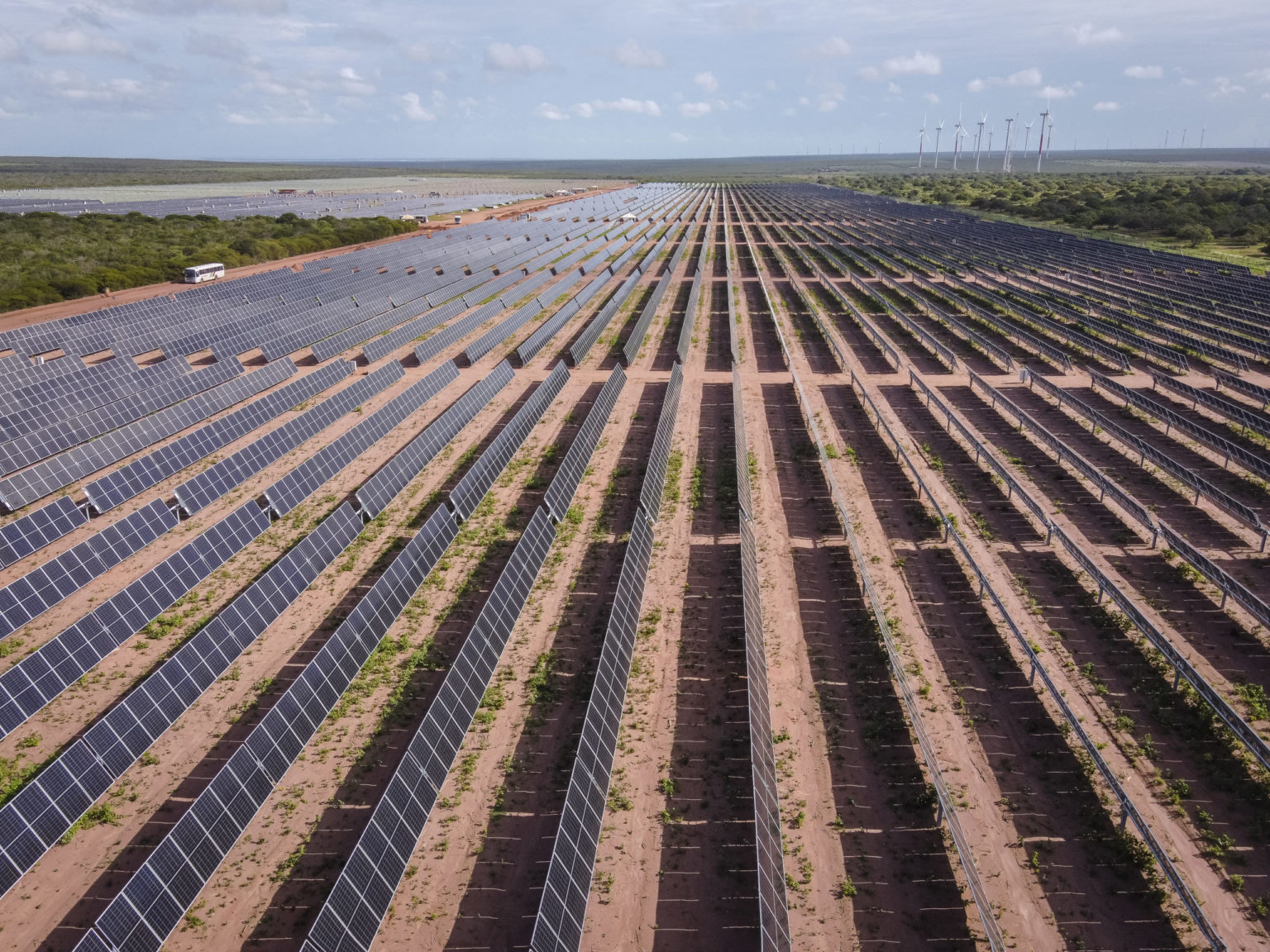
Brazil’s ONS warns that wind and solar curtailment could reach 40 GW annually by 2030 as renewable expansion outpaces demand growth and grid flexibility. The operator highlights transmission upgrades, storage, demand response, and better management of distributed generation as key measures to maintain system reliability.
Brazil’s The National Electric System Operator (ONS) projects that curtailment of wind and solar generation could reach up to 40 GW annually between 2027 and 2030, driven by growing renewable energy surpluses during certain periods of the day and operational constraints within Brazil’s National Interconnected System (SIN). The assessment is included in the Medium-Term Electric Operation Plan (PAR/PEL) for the 2026–2030 cycle, published by the operator.
According to the document, curtailment is expected to remain concentrated during periods of peak solar generation, when high photovoltaic output coincides with lower demand and transmission bottlenecks. Under these conditions, limiting generation becomes necessary to preserve the security and reliability of electricity system operations. Curtailment levels are expected to be considerably lower during nighttime hours, highlighting the direct relationship between the challenge and the daily profile of solar generation.