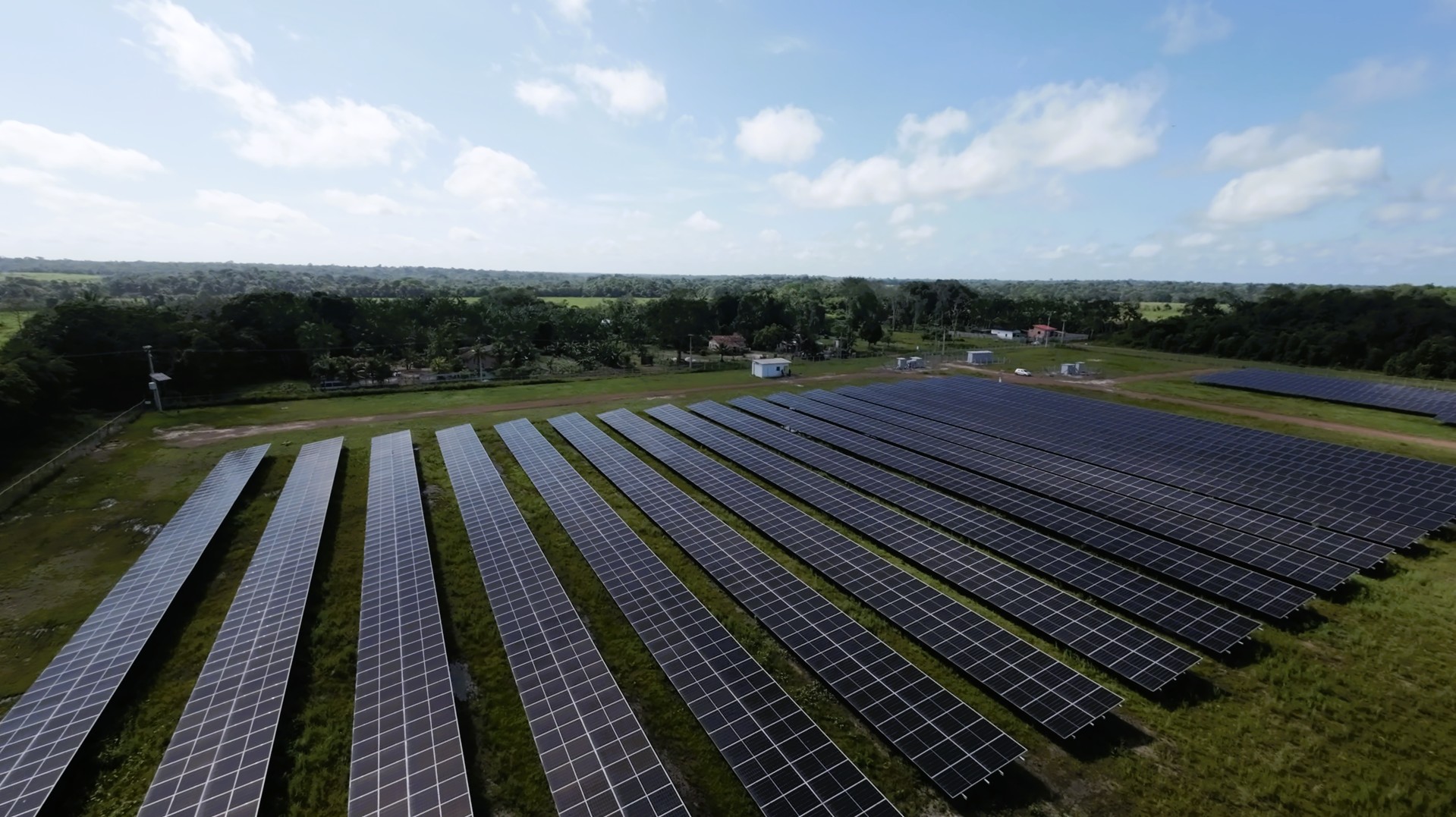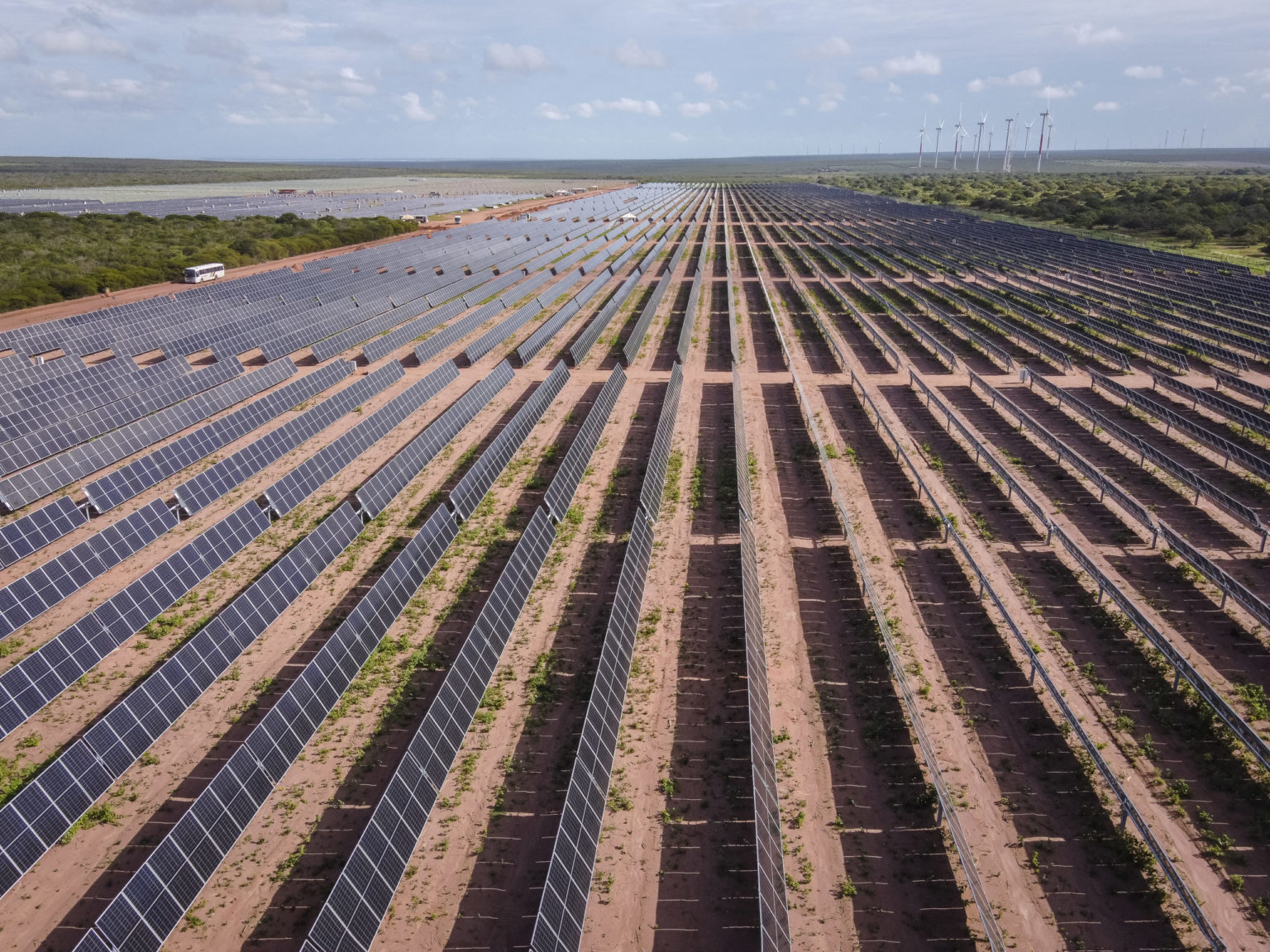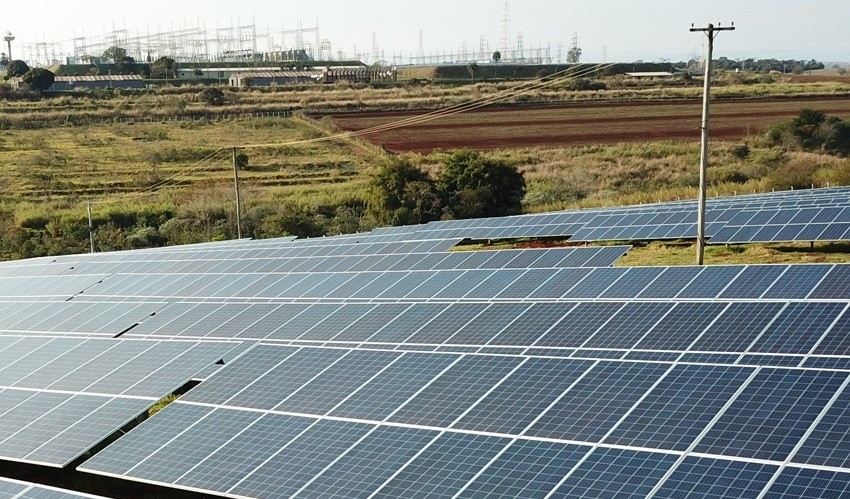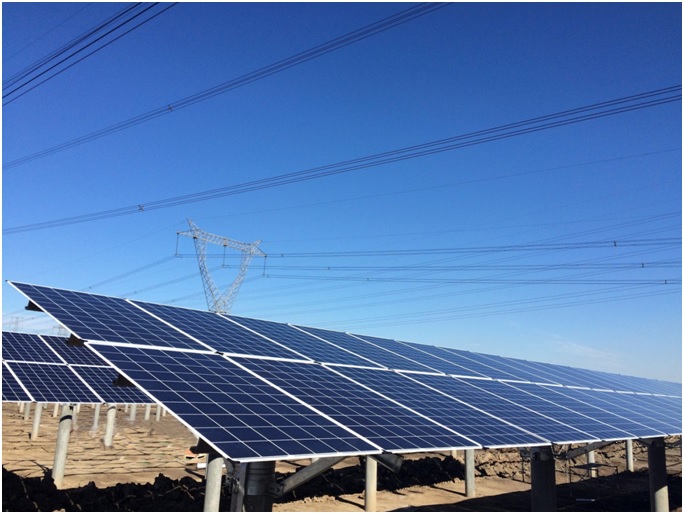
Unauthorized distributed-generation expansions in Brazil could add up to 14 GW of unregistered capacity, complicating grid planning and operation, TÜV Rheinland warns. The expansion of PV systems up to 5 MW without proper design reviews or approvals also raises electrical safety risks and compliance concerns.
The undeclared expansion of distributed solar photovoltaic generation has evolved from a regulatory issue into a matter requiring greater attention in the planning and operation of Brazil’s electricity system, while also increasing technical risks at individual installations, according to Vinicius Gibrail, director of the Solar and Commercial Products Division at TÜV Rheinland in South America.
The issue is central to Public Consultation 009/2026 by the National Electric Energy Agency (Aneel), which proposes regulatory measures to address surplus energy and increase operational flexibility within distribution networks. Among the proposed measures is a crackdown on unauthorized changes to the original specifications of micro- and mini-distributed generation (MMGD) systems, which in Brazil include all PV installations not exceeding 5 MW in size.
The consultation is based on Technical Note No. 148/2025-STD/Aneel, which documents reports from distribution companies of unauthorized increases in MMGD capacity, as well as warnings from the National Electric System Operator (ONS) about the impact of distributed generation on the operation of the National Interconnected System (SIN).