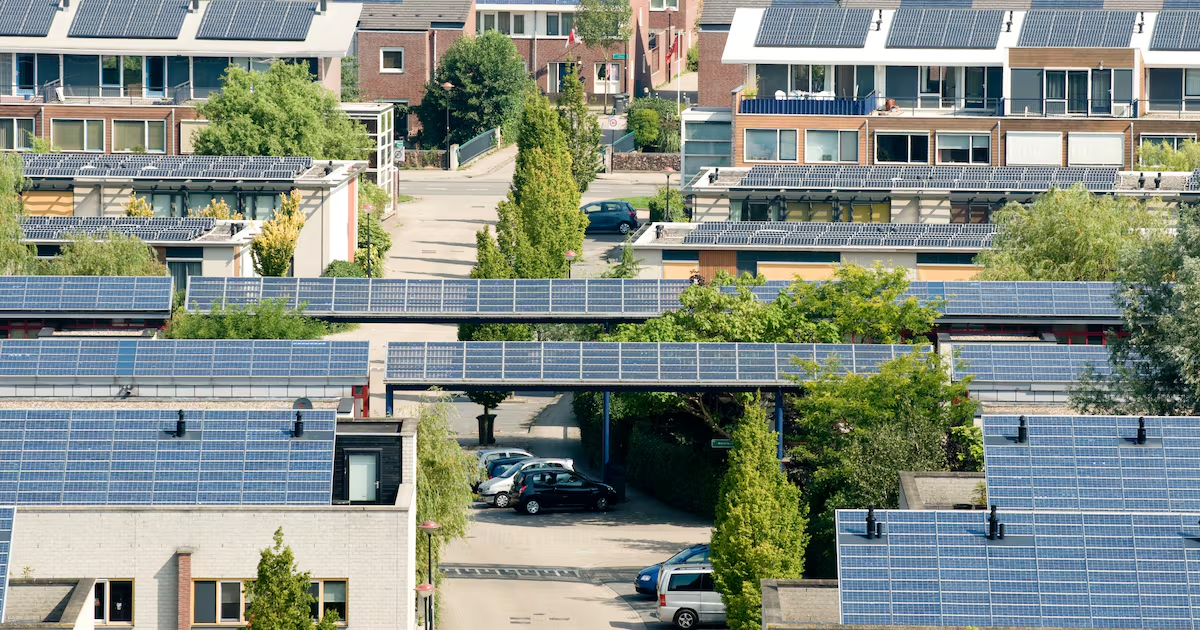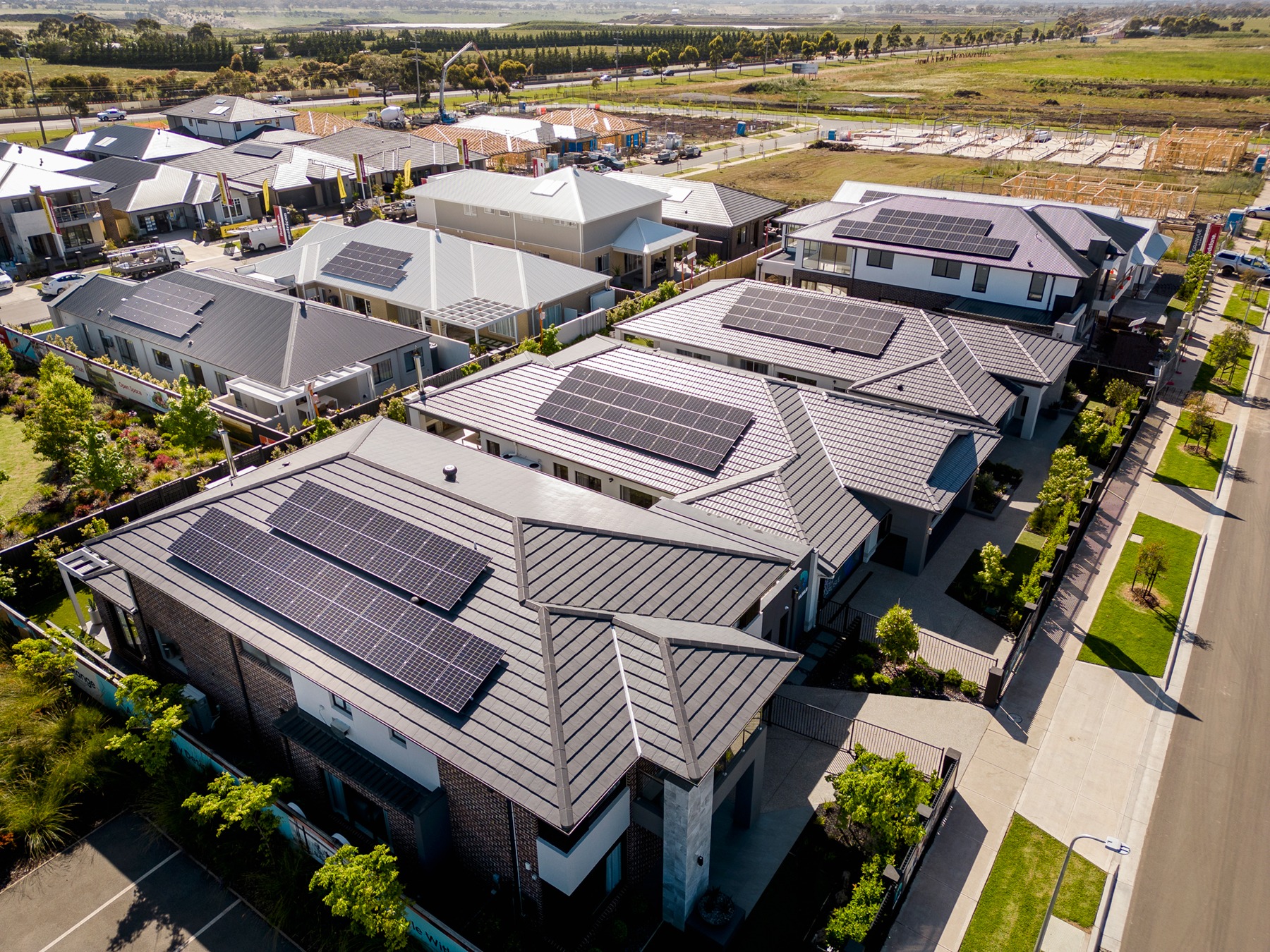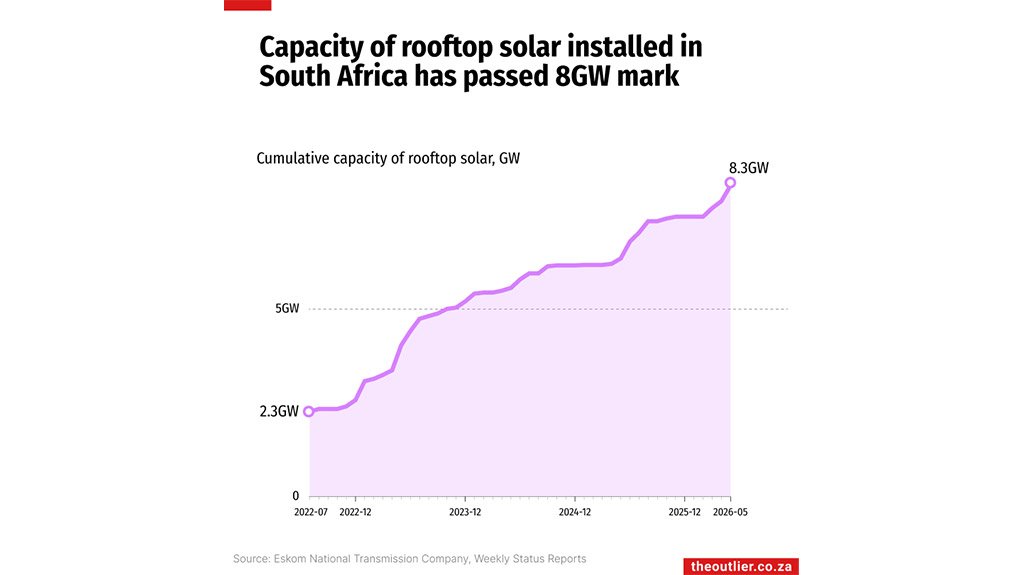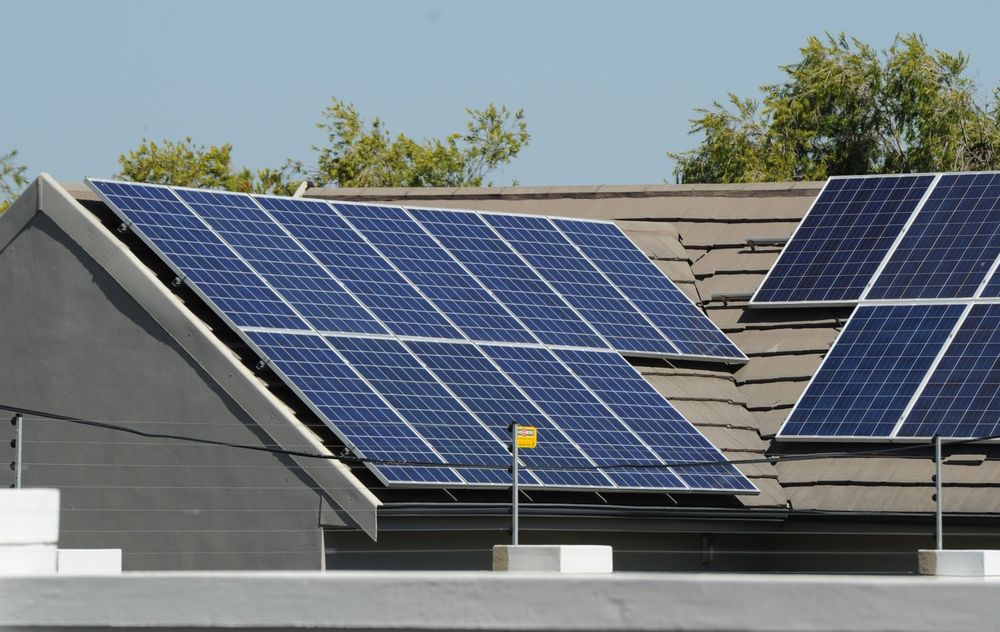
The uptake of rooftop solar in South Africa has increased dramatically over the past five or so years, spurred initially by the extreme loadshedding from 2021 to 2024.
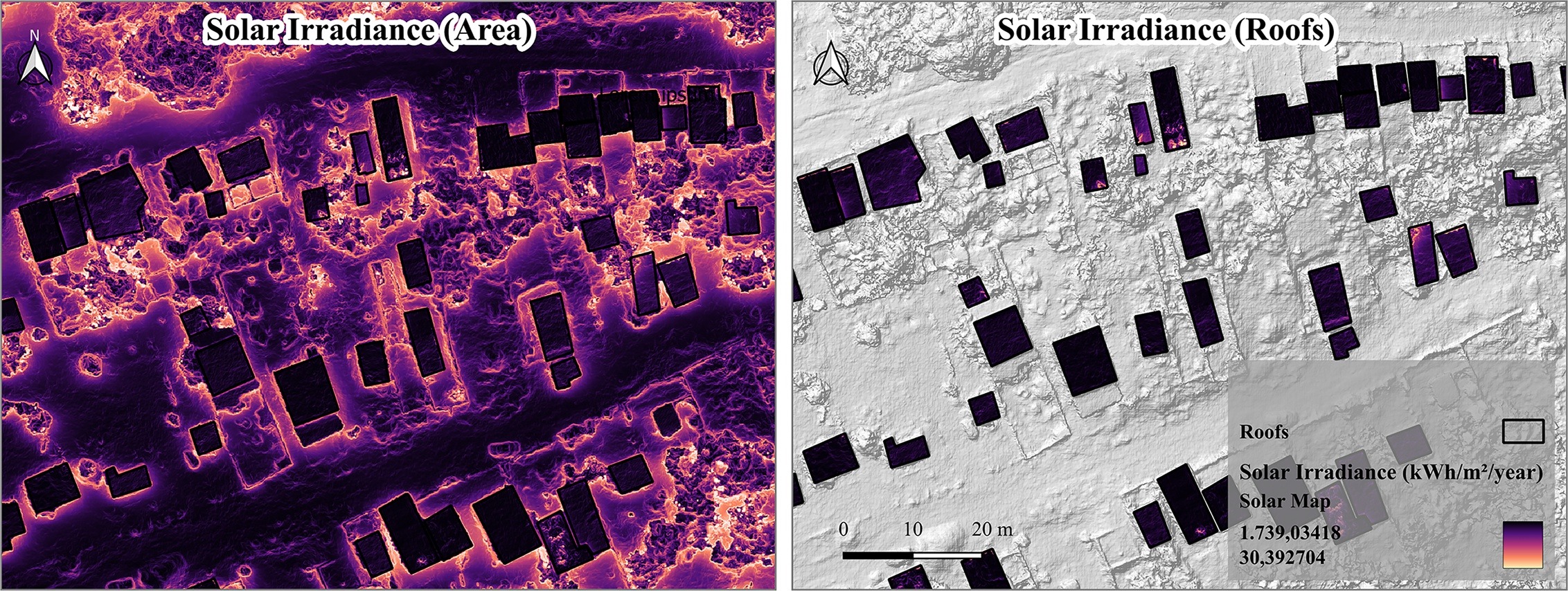
Using satellite and other aerial photographic data, a new report by the Public Affairs Research Institute (PARI) estimates that about 5.98-billion kWh of electricity was generated from the total installed rooftop capacity of 3 495 MWp over a one-year period.
The report also estimates that about 30% of potential rooftop solar output is being curtailed, with the highest curtailment levels (almost 758 000 MWh) occurring in the Gauteng metropolitan areas of Johannesburg, Ekurhuleni and Tshwane.
While 52 municipalities currently have policies in place that offer customers the option to feed their surplus electricity back into the distribution grid, this has remained largely theoretical, owing to the onerous and expensive conditions municipalities impose.
For many residential system owners, these additional costs outweigh the financial benefits of selling electricity to the municipality and disincentivise system registration.