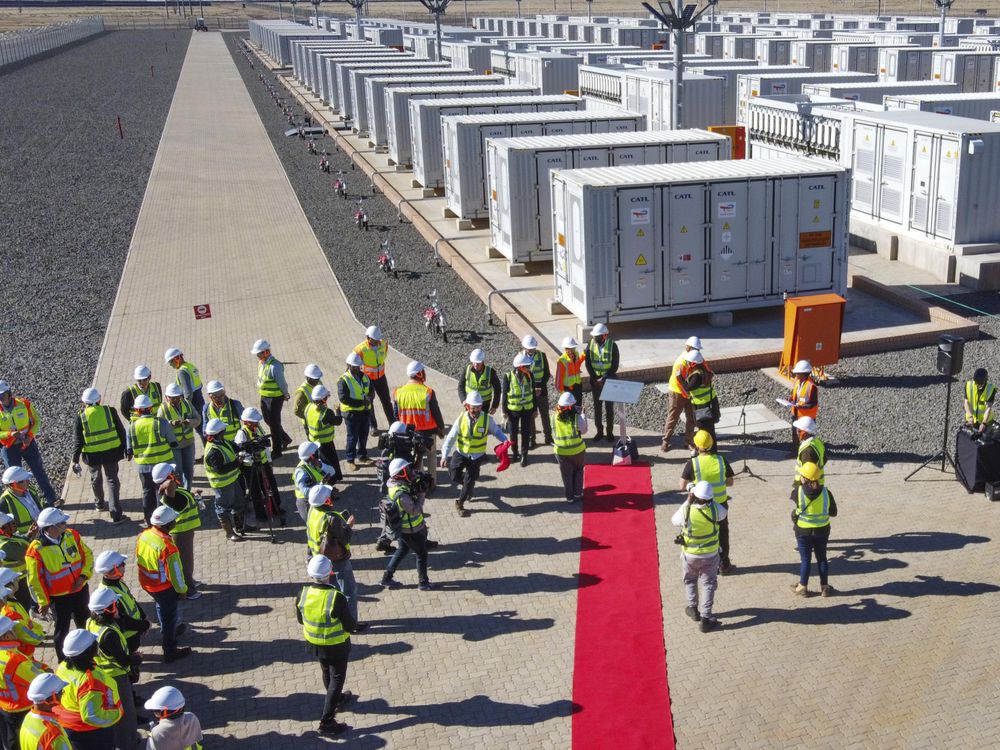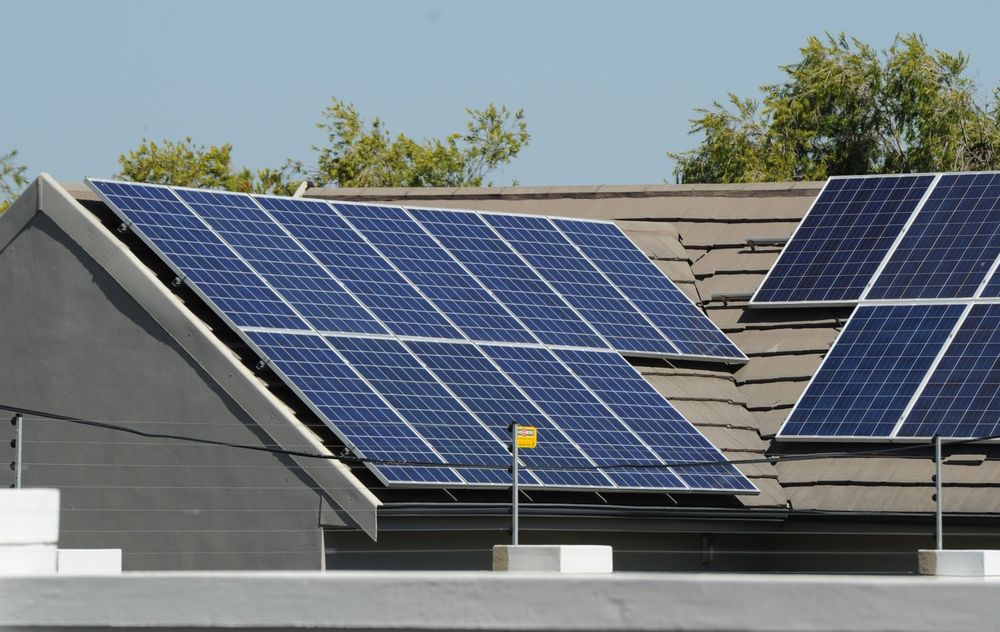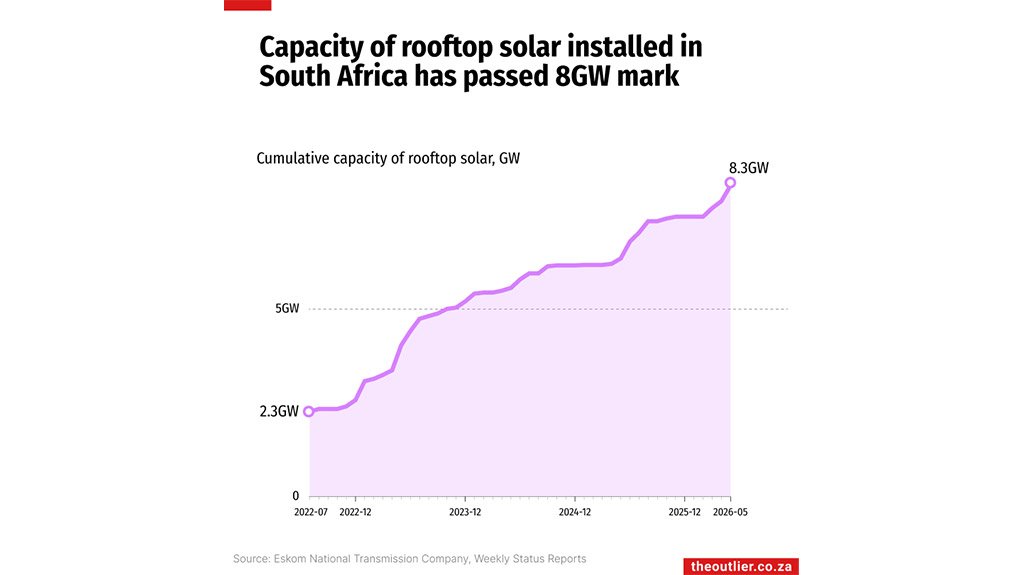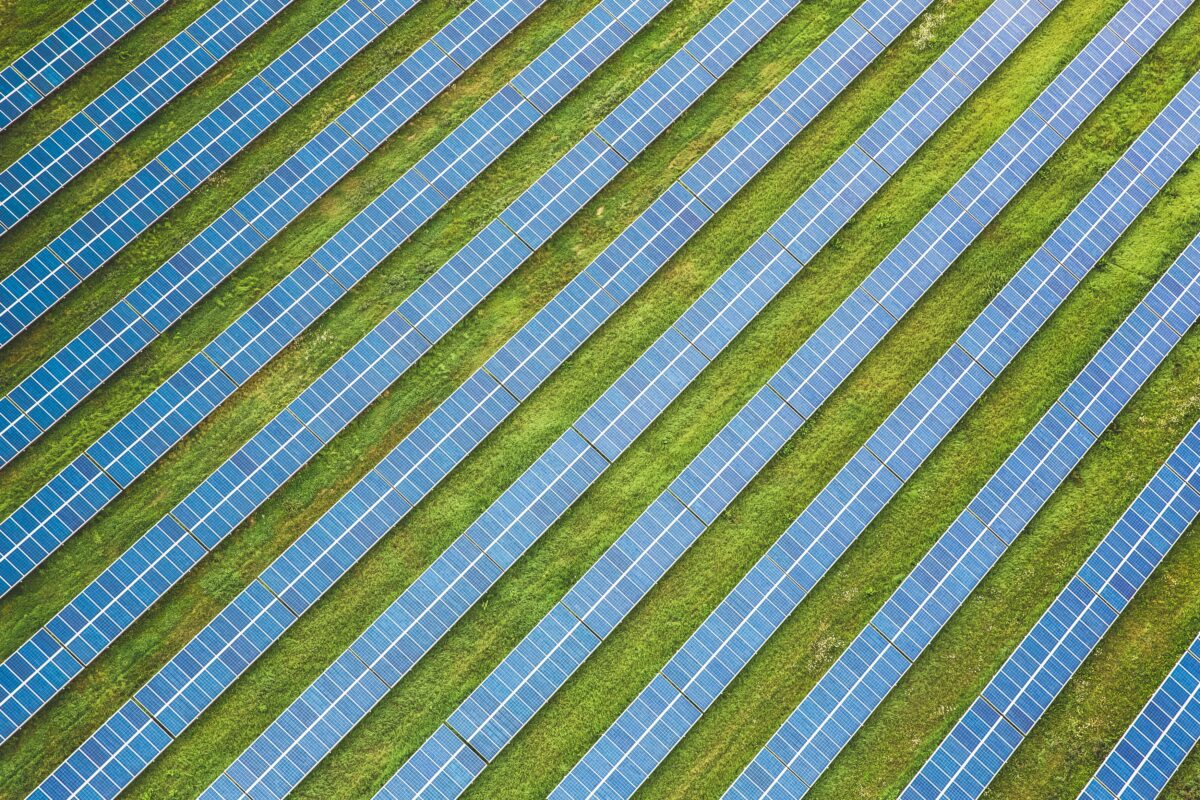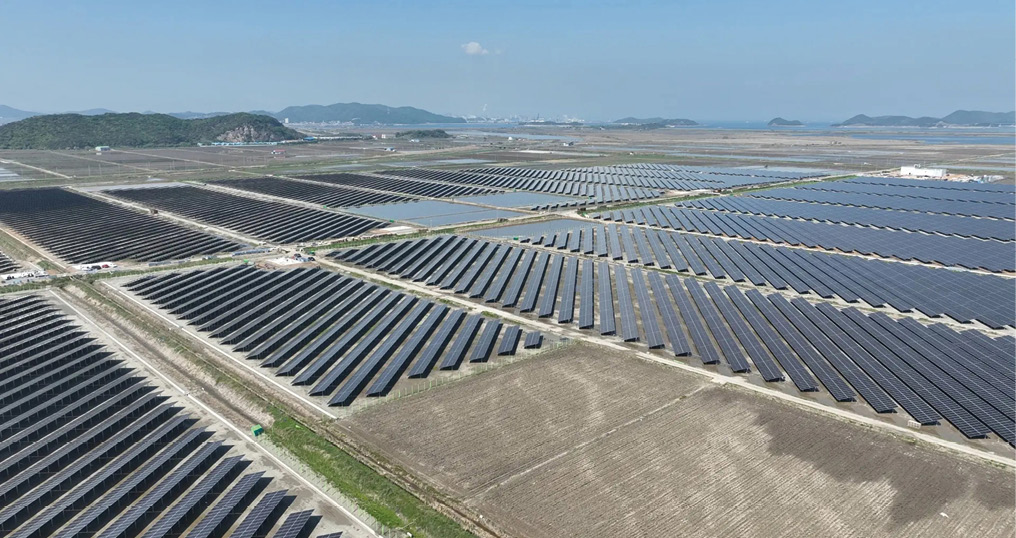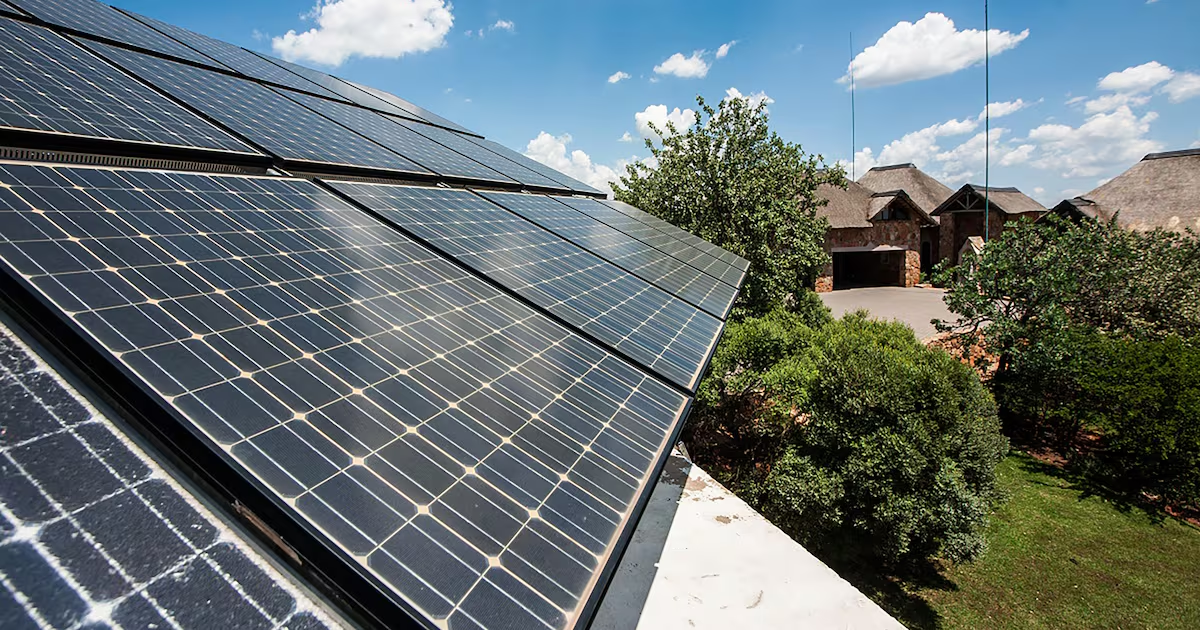
South Africa has installed more than 10GW of solar photovoltaic capacity over the past decade. The country’s first utility-scale solar projects have been operating for more than 10 years, while several gigawatts of additional capacity continue to be added.However, almost no attention has been given to what happens when those solar panels reach the end of their useful lives. That is hardly surprising. For the past decade the national conversation has been dominated by load-shedding, energy security and keeping the lights on. End-of-life planning has barely featured.The green economy advisory firm GreenCape estimates South Africa’s first significant wave of spent solar PV panels from the earliest Renewable Energy Independent Power Producer Procurement Programme projects (REIPPPP) will begin emerging from 2033, eventually reaching about 10,000 tonnes a year. Yet evidence from the recovery sector suggests that timeline is unfolding sooner than expected. We’re on track to recover those volumes this year, which implies the recovery stream is no longer confined to those early installations. More recent generations of solar panels are also being recovered.One possible explanation is that South African operating conditions differ markedly from those assumed by manufacturers. The older 300W and 350W panels have proved more resilient. The newer higher-output panels have, however, turned out to be less robust. They produce more electricity but don’t have the same longevity in the field. That indicates South Africa’s recovery timeline may differ from the international assumptions on which much of the existing modelling is based. That should concern policymakers because the first REIPPPP projects represent about 2.66GW of South Africa’s installed solar capacity. The much larger expansion driven by load-shedding has seen about 7.46GW more solar deployed at homes and businesses in the past few years.If the first 2.66GW of utility-scale solar is expected to generate about 10,000 tonnes of spent panels each year, the implications of another 7.46GW of largely unplanned private installations are significant. That is before accounting for Eskom Green’s plans to develop a further 32GW of renewable energy by 2040 and the government’s broader ambitions under the South African Renewable Energy Masterplan (Sarem).The numbers are difficult to grasp until they are visualised. Ten thousand tonnes is roughly 320,000 solar panels. Loaded onto 400 interlinks carrying about 800 panels each, they would stretch for almost 5km. That is not a one-off event. It represents the first annual wave of a recovery challenge that will continue to grow. Sarem devotes relatively little attention to the collection, refurbishment and recycling systems that will ultimately be needed to manage these assets. South Africa has invested heavily in building renewable energy capacity. It now needs to invest with equal urgency in the infrastructure required to recover those assets at the end of their useful lives.Developing that capability takes time. Recycling is far more than installing a processing plant. It requires collection networks, transport systems, trained personnel, markets for recovered materials and the investment needed to build them. Those systems cannot simply appear when the first major wave of end-of-life equipment arrives. They need to be developed alongside the renewable energy sector itself.If solar panels present a growing volume challenge, batteries present an even greater safety challenge. Historically, most solar installations fed directly into the grid. However, persistent electricity supply disruptions have made battery energy storage systems an increasingly important part of South Africa’s energy landscape. Businesses and households have also moved beyond short-duration backup power, installing larger and more complex battery systems capable of keeping the lights on for extended periods.Unlike solar panels, lithium-ion batteries cannot simply be stacked in a warehouse while someone decides what to do with them. As they degrade or become damaged, they present an increasing fire risk, particularly when stored or handled incorrectly.A recent lithium-ion battery fire at Standard Bank’s Roodepoort offices, which required specialist firefighting resources, serves as a stark reminder of those risks. As South Africa’s installed battery base grows, so too will the need for compliant collection, storage, transport and recycling systems capable of managing them safely.Extended producer responsibility (EPR) has an important role to play here. It is far more than a regulatory requirement. It creates the funding mechanisms, collection networks and recovery systems needed to ensure products are responsibly managed throughout their lifecycle.It also creates economic opportunity. A solar panel is not simply waste. About 60% to 70% of its weight is glass, alongside aluminium, copper and other recoverable materials. Those materials have established markets, particularly in the construction industry. In many cases, demand exceeds supply. The constraint is not finding customers but producing sufficient volumes of consistent, engineered material to supply them at commercial scale. Without viable end-markets, recycling becomes little more than an expensive stockpiling exercise. The real opportunity lies in returning recovered materials to productive use, replacing virgin resources and creating new value from products that have reached the end of their first life.That is the real prize. Done properly, EPR can help transform South Africa’s growing renewable energy waste stream into a reliable source of secondary raw materials, supporting industrial development, job creation and a genuinely circular economy.South Africa’s renewable energy transition has been driven by necessity. Its next phase must be driven by foresight. If we build the recovery industry with the same urgency that we built renewable generation, the country will not only avoid a future waste problem but also create new jobs. It will create an entirely new industrial opportunity.Schröder is MD of Reclite SA, which provides nationwide collection, treatment, recycling and resource recovery services for waste electrical and electronic equipment. He specialises in circular economy solutions and the end-of-life management of complex waste streams, including renewable energy technologiesBusiness Day
STEFFEN SCHRÖDER | South Africa must prepare for a solar waste surge
Extended producer responsibility seen as key to unlocking circular economy potential
935 words~4 min read