Story audio is generated using AI
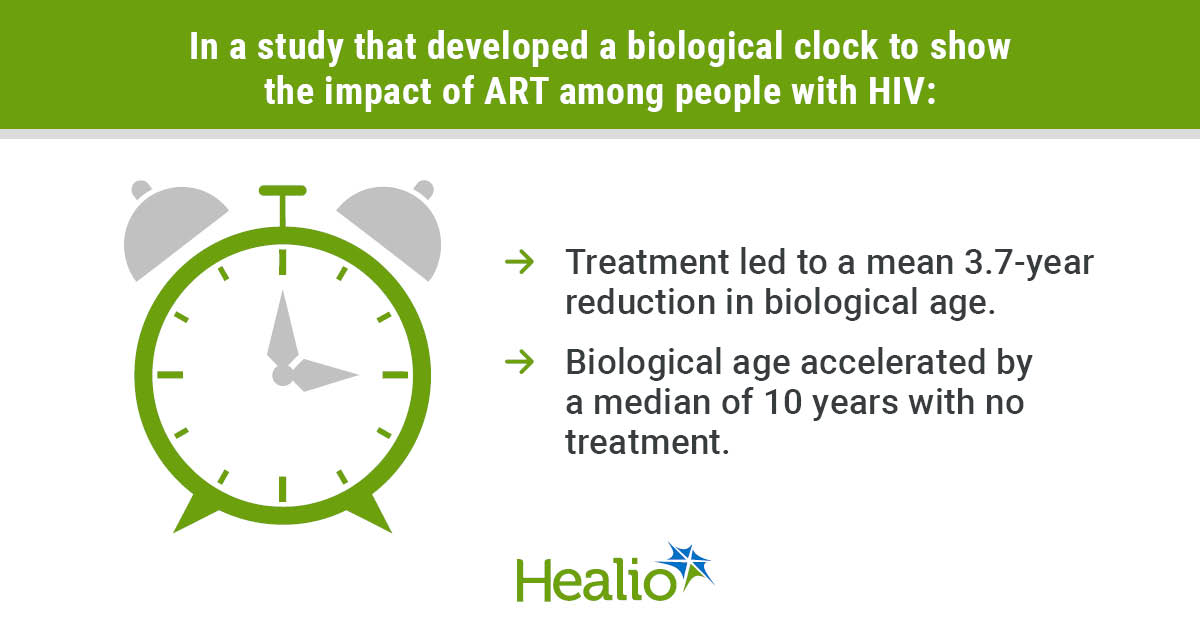
The proportion of older adults living with HIV is expected to surge in the next 15 years, raising new challenges for health systems that are not prepared for their specific needs, a report from The Lancet warns. More than 95% of these people will be living in low and middle-income countries.According to the report, presented at the 26th International Aids Conference in Rio de Janeiro this week, the global number of people living with HIV who are 50 or older is expected to almost double in 2025-40, rising from 11.5-million to 20.2-million, by which stage they will represent more than half the people living with HIV.In South Africa, the number of people living with HIV aged 50 and above is projected to rise from 2.3-million to 3.9-million in 2025-40. In 2025, 30% of people living with HIV were over 50 and 7% were over 65. By 2040 these figures will increase to 53% and 20%, respectively.HIV care has largely been designed to ensure people survive, focusing on diagnosis and treatment. But as people living with HIV get older, they need care that takes into account the growing likelihood that they may also have age-associated conditions such as diabetes, cardiovascular disease, cancer and liver disease, said the report’s authors.“There are unique aspects of ageing with HIV,” said study co-author Amy Justice, professor of public health at Yale University. “There is a general belief that once you get people on antiretroviral therapy, their life expectancy is just like everyone else’s. That is absolutely not the case,” she said. People living with HIV are at higher risk of chronic conditions than people who are not living with HIV, even if they are on treatment and virally suppressed, she said. Many people living with HIV have a higher physiological age than their chronological age, said study co-author Keri Althoff from the Bloomberg School of Public Health at Johns Hopkins University. Survivors of the early stages of the HIV pandemic, who could not start treatment immediately, carry a “biological debt”, with chronic inflammation and a dysregulated immune system, she said. Healthy ageing should be considered from the onset of HIV treatment, and patients diagnosed young should be encouraged to get them onto a healthy trajectory so they can age well over the ensuing decades, said Justice.Care for older adults should include screening for HIV, which is often overlooked due to stigma and ageism, said Althoff. “Older adults do get HIV,” she said. Researchers should consider older people’s needs too, said Althoff, noting that there is limited safety data on HIV prevention drugs for this age group. The landmark clinical trials for pre-exposure prophylaxis have enrolled mostly younger people and underrepresented older adults, she said.• Kahn’s travel to the 26th International Aids Conference was sponsored by the International Aids Society.Business Day