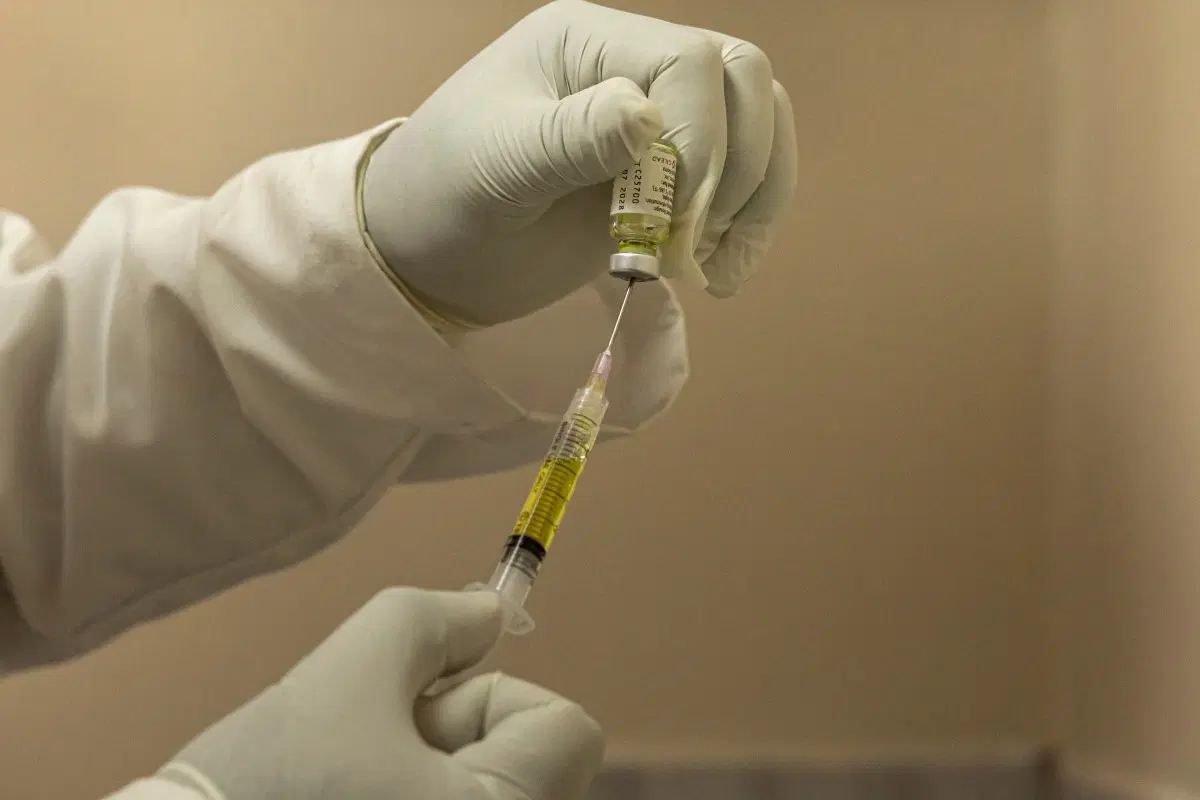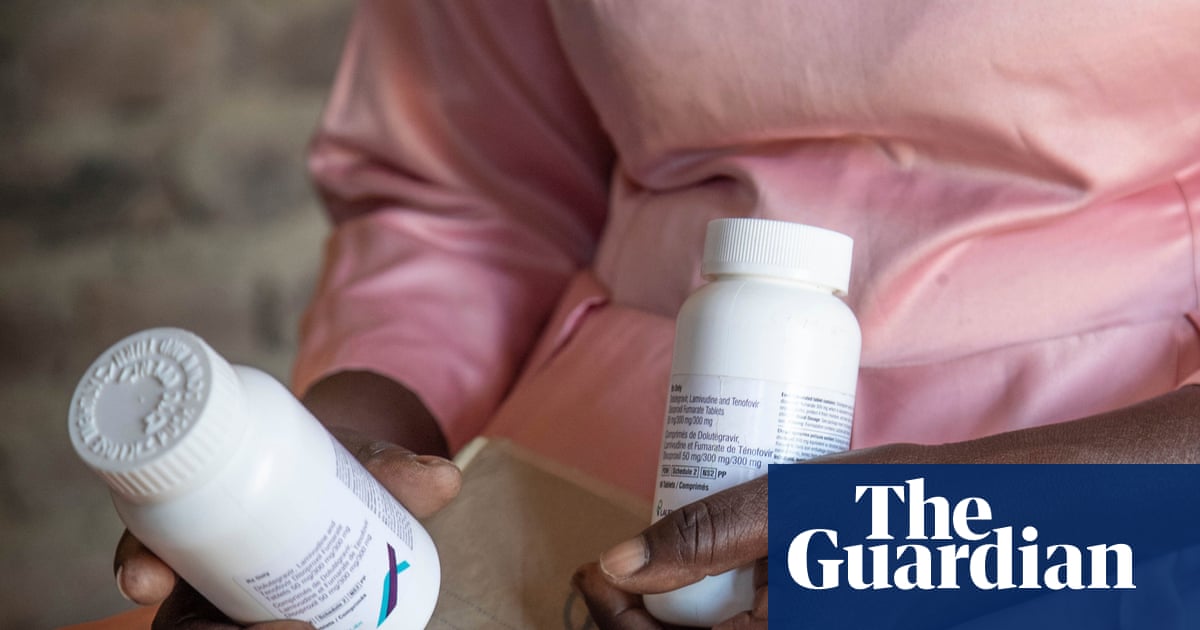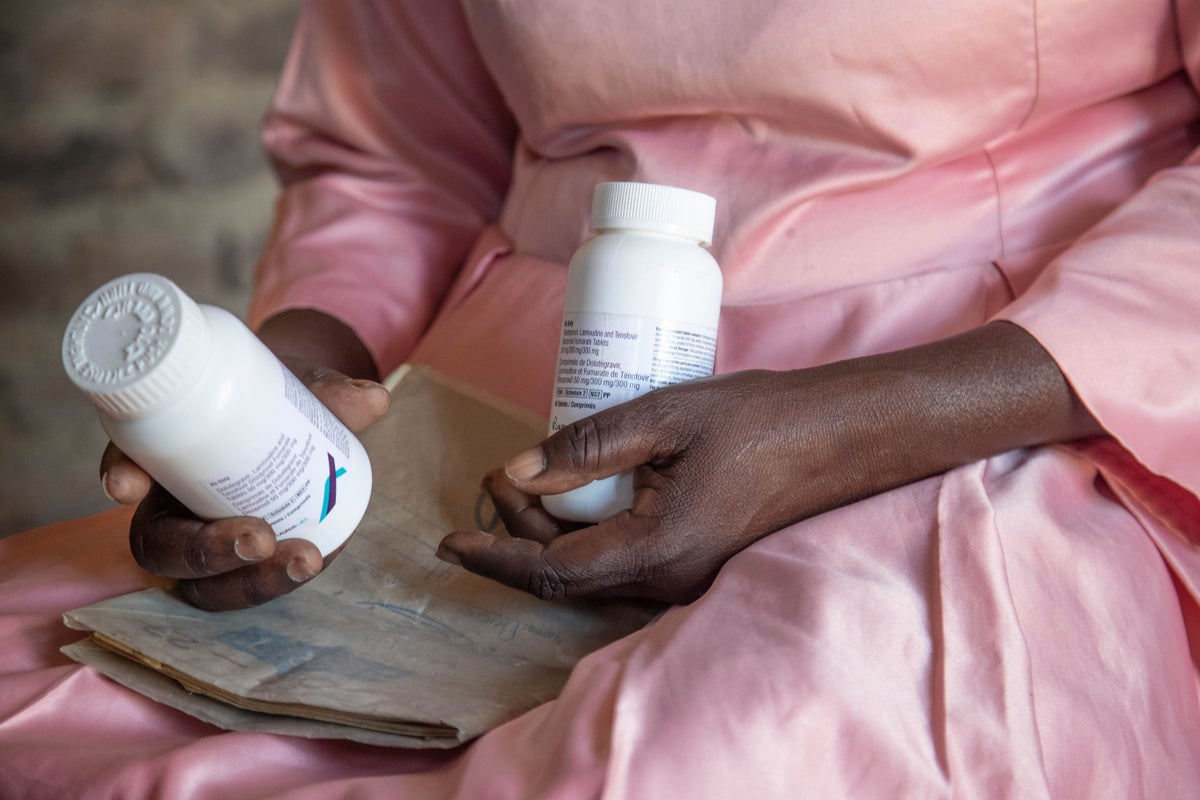
Ireland is “seriously at risk” of failing to meet its commitment to end new HIV transmissions by 2030, a new report has warned.In the programme for government and the National Sexual Health Strategy, the State has committed to ending new HIV transmission by the end of this decade.However, a new report by HIV Ireland, developed with clinicians, researchers, advocates and people with lived experience has said the country is unlikely to achieve this objective on the current trajectory.According to the research, the total cost of care for people living with HIV in Ireland between 2025 and 2030 could reach more than €694 million, with the additional lifetime costs associated with new diagnoses alone estimated at €2.02 billion.Stephen O’Hare, executive director of HIV Ireland, said Ireland has the knowledge and tools to end new transmissions. “What this report makes clear is that we are not currently applying them at the scale or speed required,” he said.“Ireland is reporting rising cases of HIV in certain demographics. We continue to see unacceptable levels of late diagnosis and people seeking pre-exposure prophylaxis (PrEP) are waiting up to a year. We urgently need the Government to publish a national action plan for HIV.”Prof Yvonne Gilleece, a consultant in HIV medicine in Brighton, said Ireland has the second highest HIV case rate per capita in Europe.“It [Ireland] doesn’t have any prevention programmes. It doesn’t have an HIV action plan. This is a really key opportune moment to intervene,” she said.[ Emily O’Reilly: My brother’s HIV seemed under control. So why did he die?Opens in new window ]Gilleece said in England there is widespread HIV testing of everyone who attends emergency departments.“We have had 1.3 million HIV tests delivered by emergency department testers in the 33 months since it was started. And 8 per cent of all new HIV diagnoses in England were found through emergency department testing in 2024,” she said.“It’s a really good way to find people who haven’t tested. That doesn’t exist in Ireland; there’s only a pilot project in James’s Hospital. But if you’re not testing people you’re not going to be able to find them. If you can’t find them, you can’t treat them and you can’t prevent onward transmission of HIV.”Dr Cathal Ó Broin, consultant in infectious diseases at St Vincent’s University Hospital, Dublin, said there are a number of areas that stand out to him as obstacles to achieving the country’s goals.“Certainly access to prevention is one. We know that access to HIV PrEP, which is a tablet you take to prevent HIV transmission, is really, really effective. As good as a condom at preventing HIV,” he said.“But we know that services are at capacity and that we’ve significantly more to do.”Ó Broin added that stigma and taboo is another aspect that needs to be tackled, as well as ensuring “underserved populations” receive the education and support they need.“I think if we tackle stigma through education and public health policy, we’ll be much more effective in our testing strategies,” he added.
Ireland ‘seriously at risk’ of failing to end new HIV transmissions by 2030
Total cost of care for people living with HIV in Ireland between 2025 and 2030 could reach over €694m
501 words~2 min read