Global efforts to combat HIV have driven new infections and AIDS-related deaths to their lowest levels in more than 30 years, but the gains could be short-lived as deep funding cuts threaten to reverse decades of progress, the Joint United Nations Programme on HIV/AIDS (UNAIDS) has warned.
In a special report released ahead of the 26th International AIDS Conference in Rio de Janeiro, UNAIDS said 1.2 million people acquired HIV in 2025, while 570,000 people died from AIDS-related illnesses. Although these figures represent the lowest levels recorded in more than three decades, the agency warned that the global HIV response has become increasingly fragile.
According to UNAIDS, reductions in international funding, shrinking HIV prevention programmes and cuts to community-led services are placing efforts to end AIDS as a public health threat by 2030 at risk.
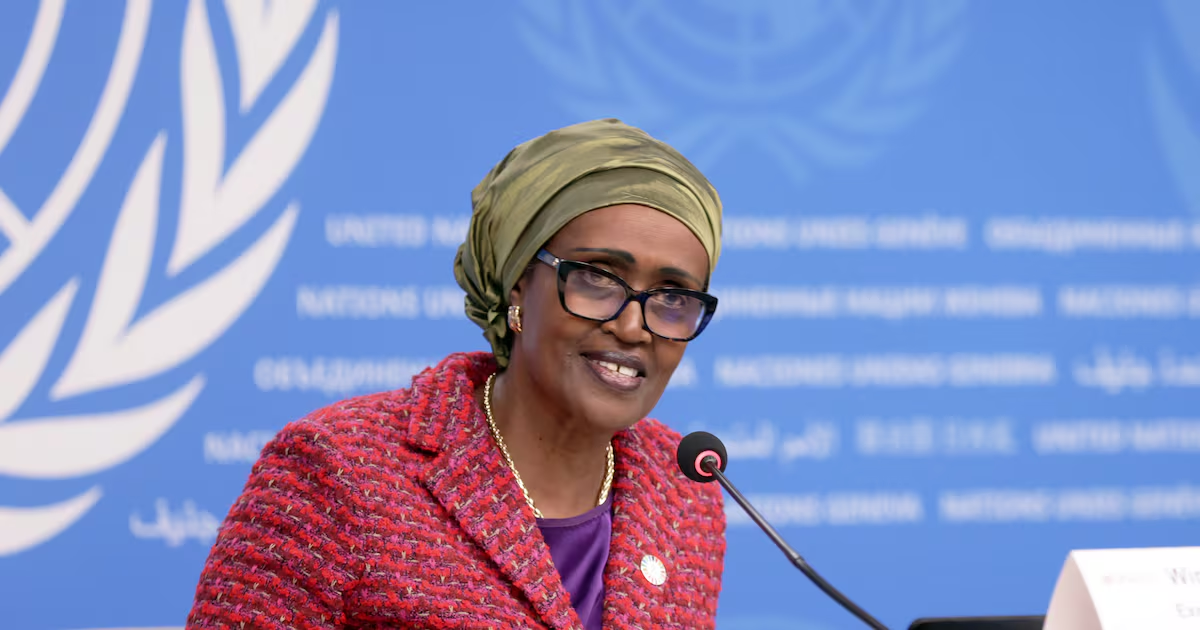
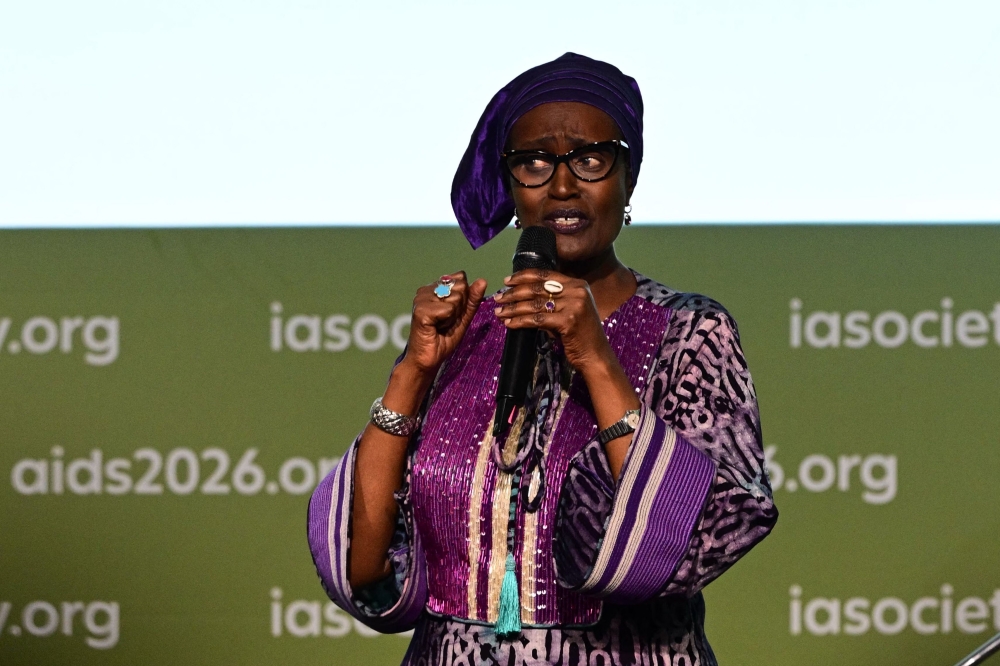
Executive Director Winnie Byanyima said the world stood at a critical crossroads.
“Scientific breakthroughs are giving us tools that previous generations could only dream of. However, innovation without access is not innovation, it is injustice. The test of success is not whether medicines exist, it is whether the people who need them can get them, and at an affordable price.”