Global funding for HIV programmes has recorded its largest single-year decline since international scale-up efforts began, raising urgent concerns over the future of HIV treatment and prevention, according to new reports released by the Joint United Nations Programme on HIV/AIDS (UNAIDS).
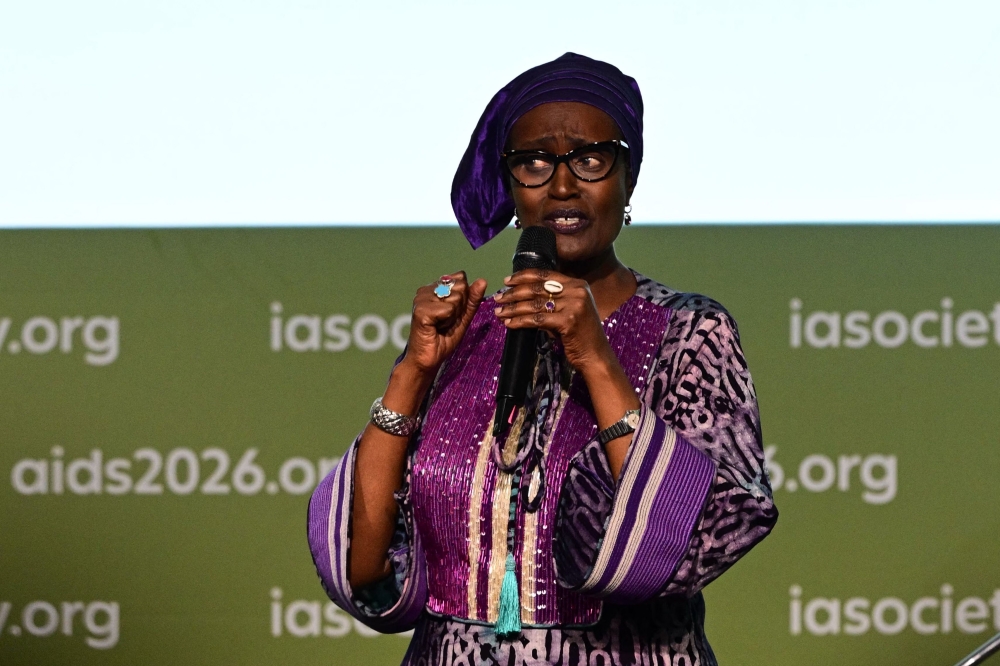
The reports, unveiled on Monday at the 26th International AIDS Conference (AIDS 2026) in Rio de Janeiro, show that international donor funding fell by 25 per cent in 2025—marking the sharpest annual decrease since global HIV financing began expanding.
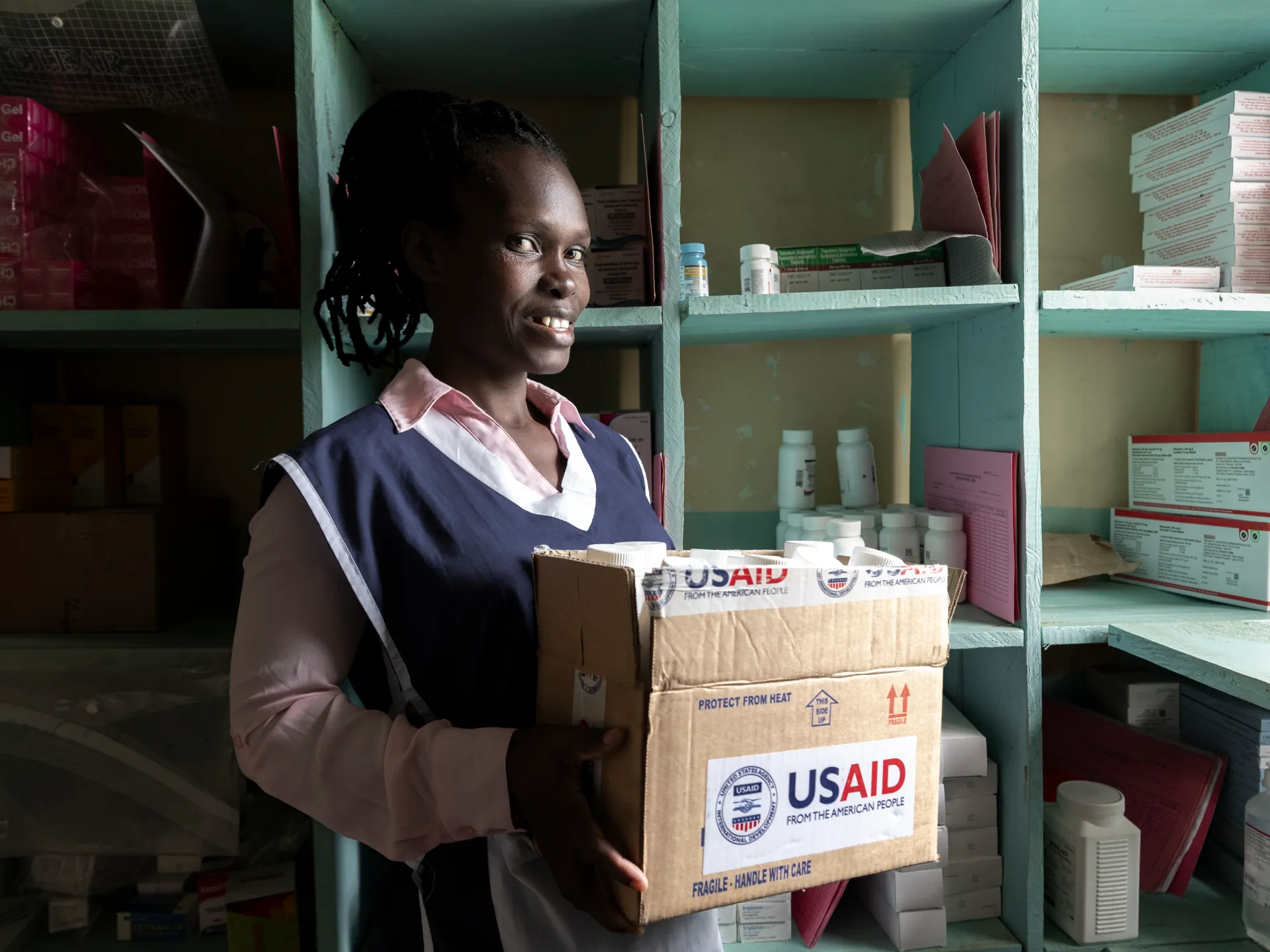
UNAIDS and KFF, an independent US-based health policy research organisation, attributed the decline almost entirely to a sharp reduction in financial support from the United States, following funding delays and the cancellation of several global health programmes. The conference, organised by the International AIDS Society (IAS) and running from 27 to 31 July, has convened roughly 7,000 scientists, policymakers, healthcare providers, donors and advocates to chart the future of the global HIV response.
Domestic spending rises
Despite the drop in external support, UNAIDS reported that many countries have increased domestic spending on HIV programmes. Domestic HIV financing rose by four per cent in 2025 and now accounts for nearly 60 per cent of total global funding. More than 55 low- and middle-income countries have committed to further increasing domestic HIV investments in 2026.