High prices and funding cuts stall HIV prevention revolution
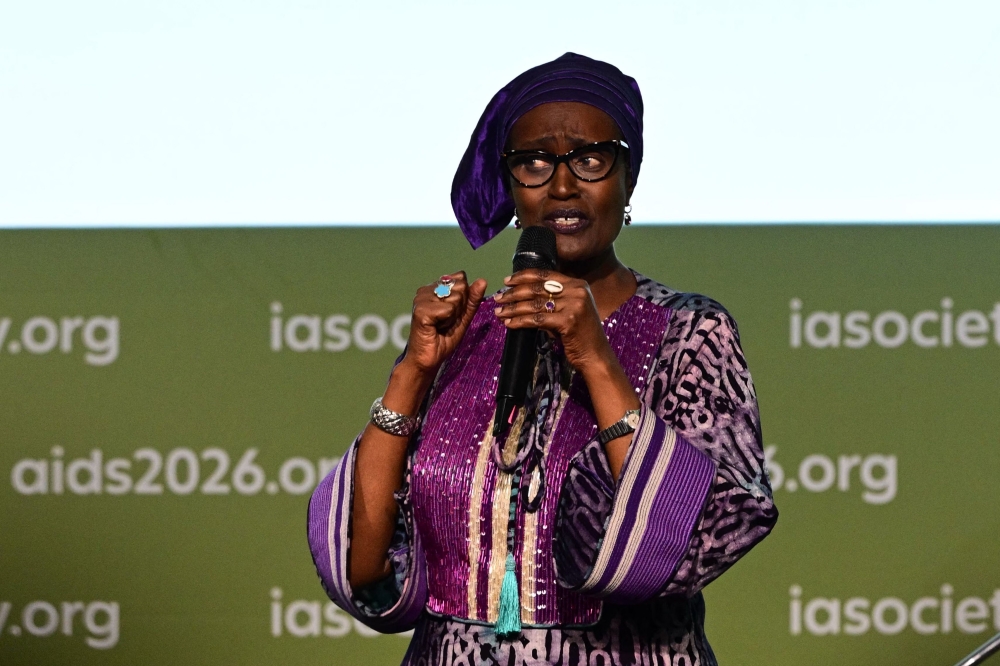
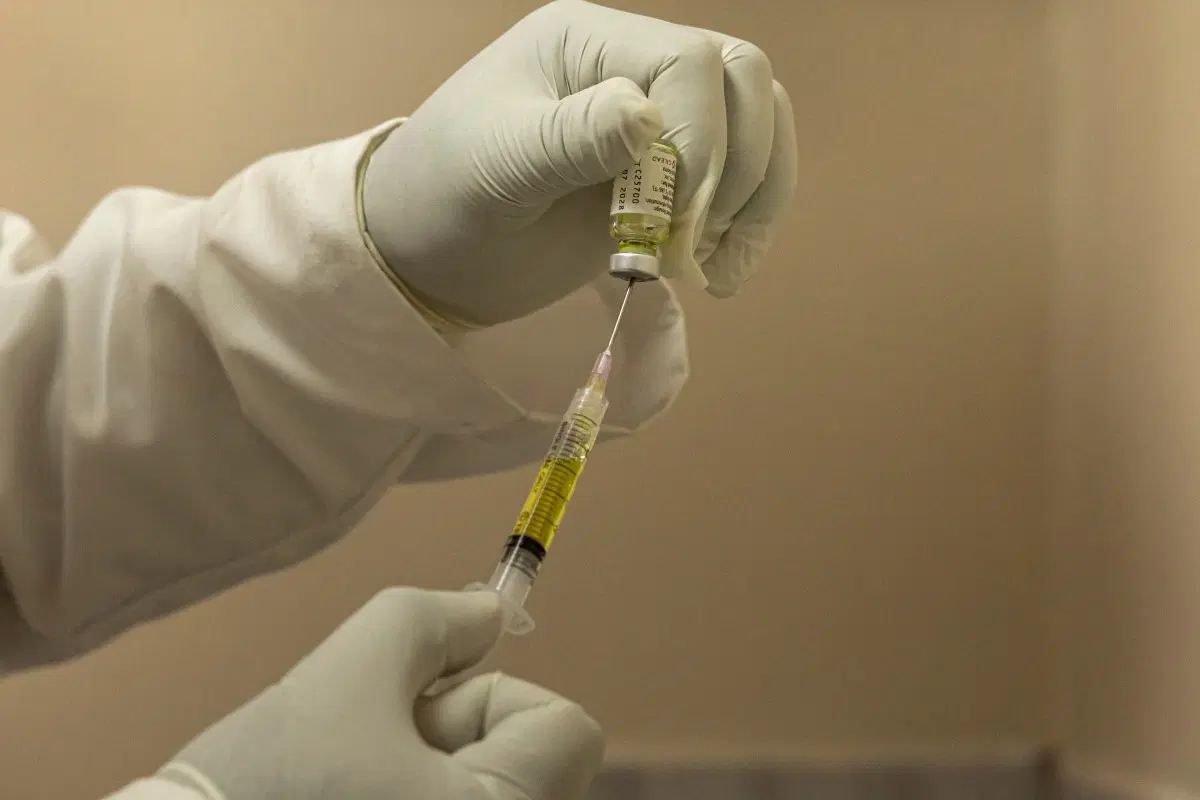
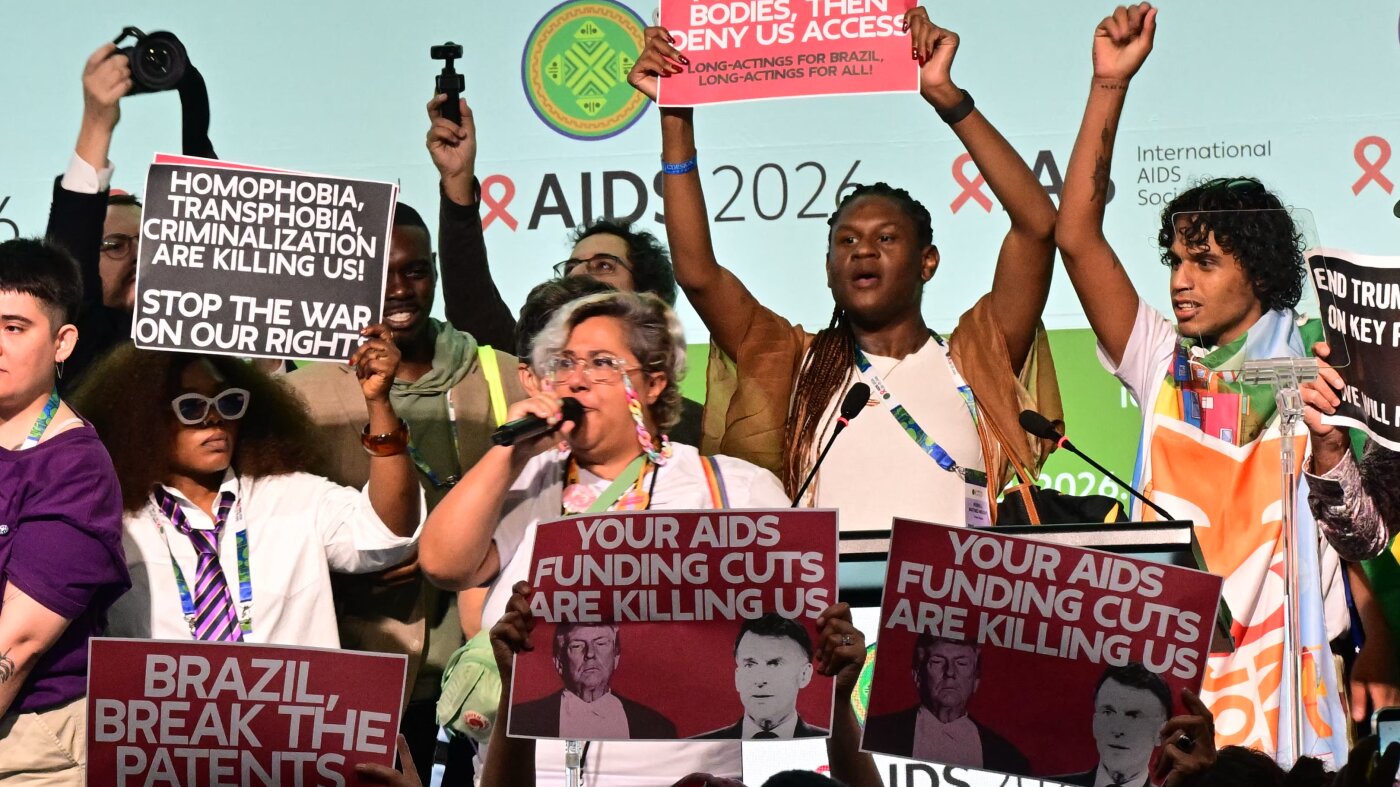
Why it matters1.2 million people acquired HIV and 570,000 died from AIDS-related illnesses in 202522 per cent of people living with HIV are still not receiving treatmentInternational HIV funding fell 18 per cent, the steepest decline in nearly 20 yearsSuch new medicines as lenacapavir are nearly 100 per cent effective at preventing HIV infection20 million people need access to antiretroviral-based prevention to make a meaningful impact on the epidemicGeneric versions of lenacapavir could cost as little as $40 per person per year, but they will remain unavailable in many countriesDefined by a paradoxThe conference, taking place in Rio from 27 to 31 July, is defined by a paradox.By the end of this decade, more than three million people could become infected with HIV, yet the tools to stop this crisis already exist, from groundbreaking prevention medicines to community-led interventions with a proven track record. What is missing is sustained financing.This growing funding gap is already forcing countries to cut essential services and close community organizations, according to the new report from UNAIDS, the agency working to end the epidemic by 2030. Unless urgent action is taken, the agency warns, the world is on course for a resurgence of the epidemic.That contradiction defines the 26th International AIDS Conference.On the one side stands a revolution in HIV prevention, with a new generation of medicines now offering protection against HIV comparable to that of a vaccine.On the other is a growing concern that these breakthroughs will remain out of reach for millions because they are priced too high and controlled by pharmaceutical patent holders.Brazil excluded from generic productionFew countries illustrate this paradox more clearly than the conference host itself.Although Brazil played a key role in the clinical trials that helped bring lenacapavir to market, it was excluded from the list of countries authorised to manufacture lower-cost generic versions.Lenacapavir is a long-acting injectable medicine that requires just two injections a year and prevents HIV infection in nearly 100 per cent of cases, according to the latest studies.