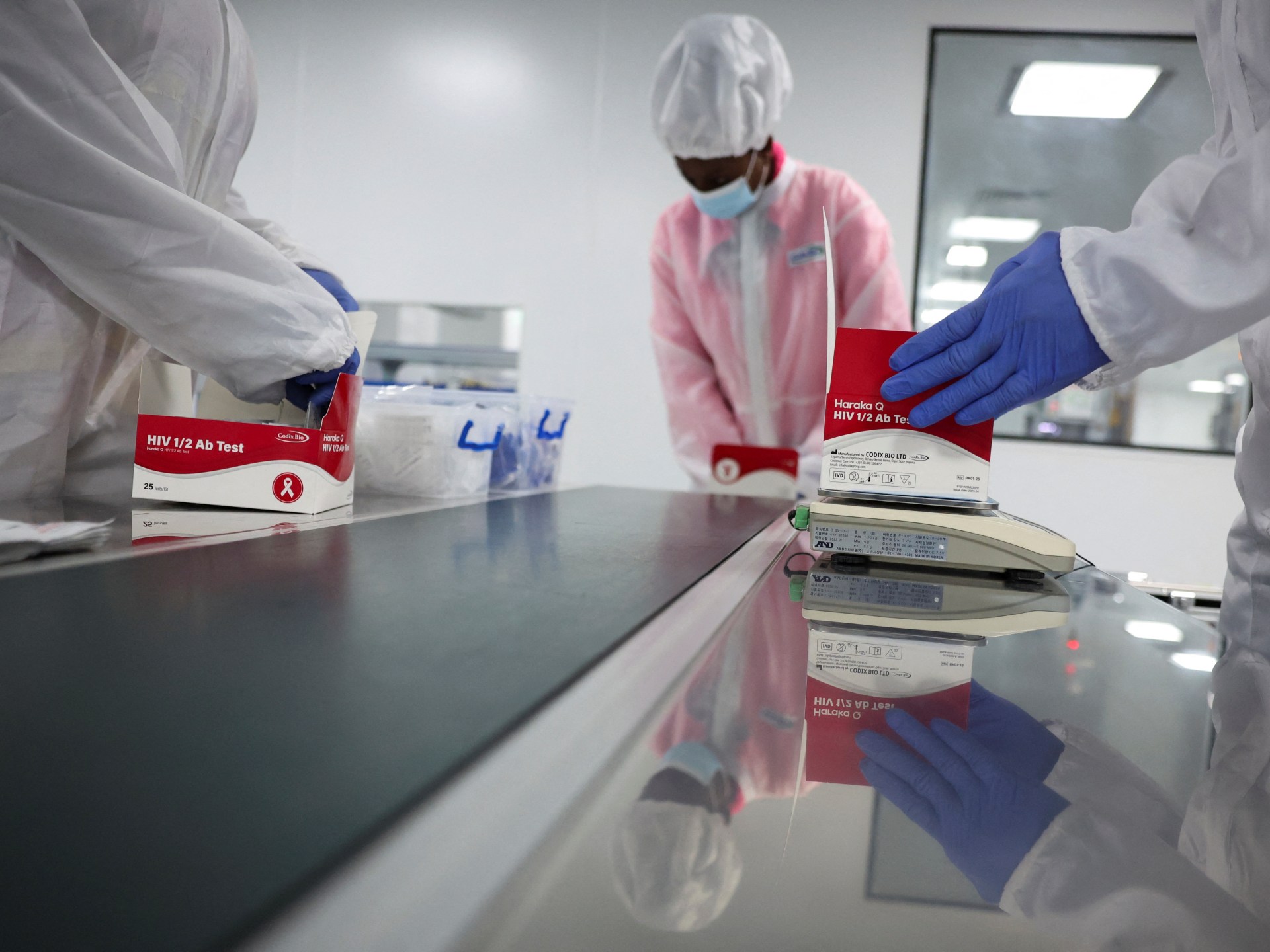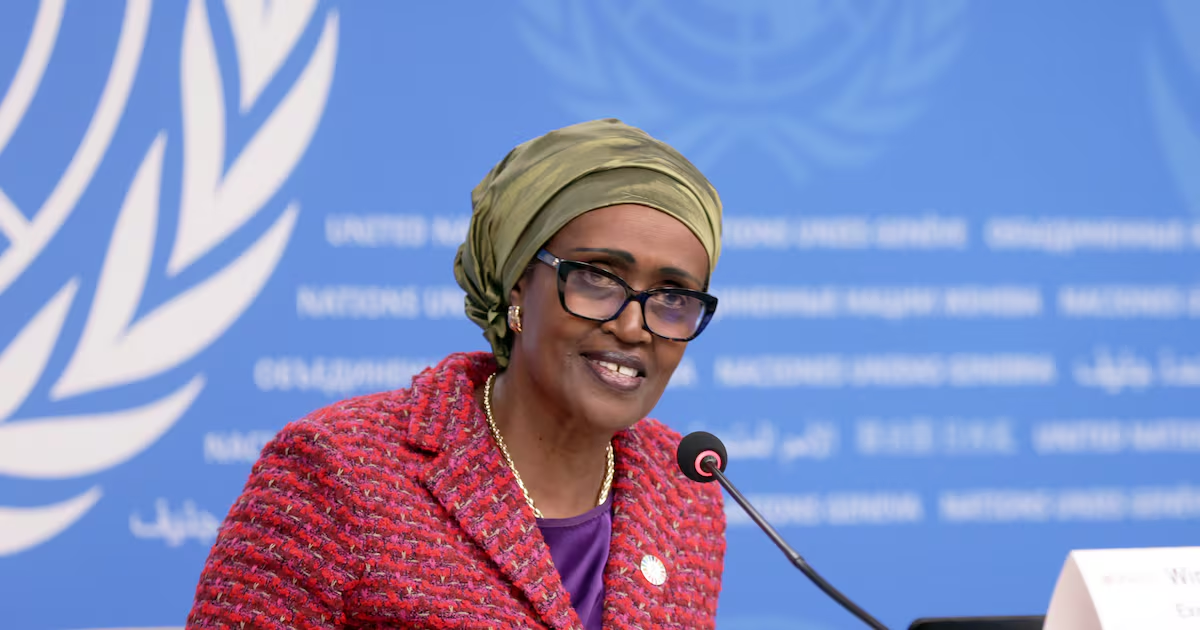
Unprecedented US aid cuts drove global HIV funding to its lowest level in nearly two decades in 2025, placing hard-won gains against the pandemic at risk, warns a new report from UNAids.International financing for HIV from multiple countries plunged 18% in 2024-25, dropping by more than $1.5bn to $7.3bn to reach the lowest level in nearly two decades. The decline in funding comes at a critical time. HIV infections and Aids deaths are the lowest in more than 30 years, and hopes are running high that new HIV prevention drugs, including Gilead’s twice-yearly injection lenacapavir and Merck’s experimental monthly pill alimatravir, could help end Aids as a public health threat by 2030.“We are at a pivotal moment. For the first time, there’s a real risk of reversal [in progress against the HIV epidemic],” said UNAids executive director Winnie Byanyima. “It’s not just the cuts. There are rising attacks on human rights and widening inequalities. All these come together to threaten the success [of the fight against HIV],” she said in an interview with Business Day on the sidelines of the 26th International Aids Conference, under way in Rio de Janeiro this week. Last year 1.2-million people became infected with HIV and 570,000 people died of Aids-related illnesses, said UNAids. Without urgent action to meet the 2030 goal to eliminate HIV/Aids as a public health threat, more than 3-million more people could become infected with HIV by this time, it said.UNAids estimates that ending Aids as a public health threat requires $21.9bn annually by 2030. But in 2025, the total amount available from all sources, including domestic financing, fell short by $4.3bn.Many low- and middle-income countries had high debt burdens that left them with limited capacity to step up health spending as international financing shrank, said Byanyima.“The fiscal pressures are huge. [Their] debt has to be restructured because right now it’s crowding out expenditure for health, education [and] social protection,” she said.“We need a fairer international financial architecture, where all countries can go to borrow in a fair way, not in ways that punish the developing countries with higher interest rates.” The fiscal pressures are huge. [Their] debt has to be restructured because right now it’s crowding out expenditure for health, education [and] social protection.— Winnie Byanyima, UNAids executive director A separate report from the Kaiser Family Foundation (KFF), which analysed donor countries belonging to the Organisation for Economic Co-operation and Development paints an equally worrying picture. It shows financing from these sources for combating HIV/Aids in low- and middle-income countries plummeted 25% in 2024-25, the biggest annual drop since the beginning of the scale-up of donor government funding 20 years ago. The decline was driven by the fall in disbursements from the US, while the collective contribution from other donor governments stagnated, it said.Its analysis shows total disbursements from donor governments ran to $6.2bn in 2025, down from $8.3bn the year before. It is the lowest level of donor government support since 2007. The report notes that contributions from donor governments other than the US halved since 2011, dropping from $3.2bn to $1.6bn.International Aids Society president Beatriz Grinsztejn said it is tragic that funding is contracting just as major strides are being made in preventing HIV. “It is such a sad moment. We are seeing very, very slow progress on the number of people accessing the new prevention technologies,” she said. The funding cuts also place scientific research at risk, she said. US President Donald Trump’s administration has disrupted long-standing research agreements between the National Institutes of Health (NIH) and scientists in low- and middle-income countries, while many European nations have cut back on overseas scientific collaboration as they step up defence spending and focus on domestic demands. Referring specifically to the NIH, Grinsztejn said it is critical to maintain the research infrastructure it has helped build, for combating HIV and for tackling future diseases that might emerge. The research capacity developed in response to the HIV epidemic played a vital role in combating Covid-19, she noted. • Kahn’s travel to the 26th International Aids Conference was sponsored by the International Aids Society.
Aids gains threatened by more than $1.5bn drop in international financing
UNAids report reveals that global HIV funding dropped to its lowest point in nearly two decades in 2025, with international financing dropping 18%
683 words~3 min read