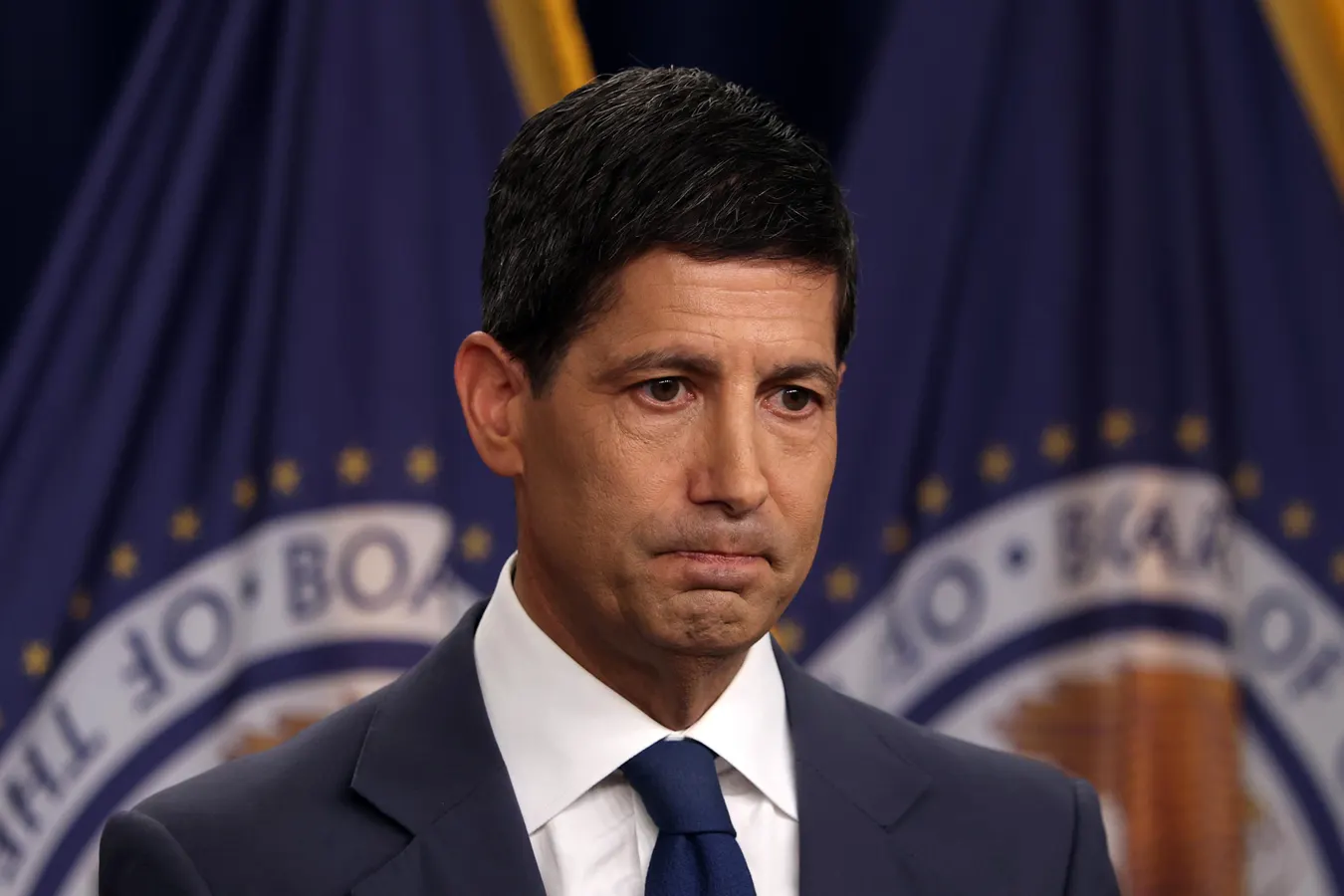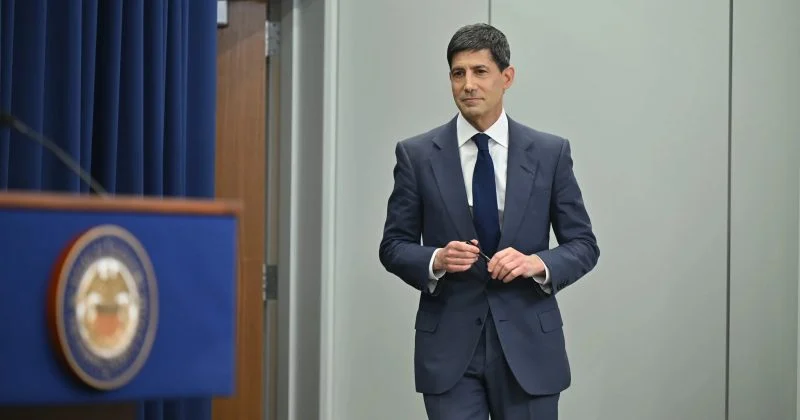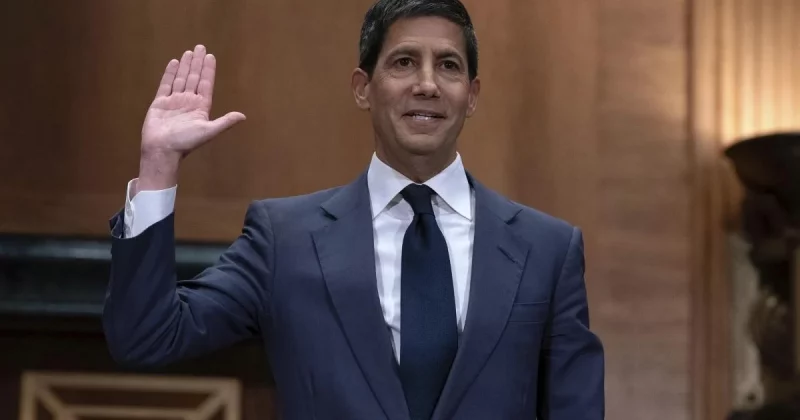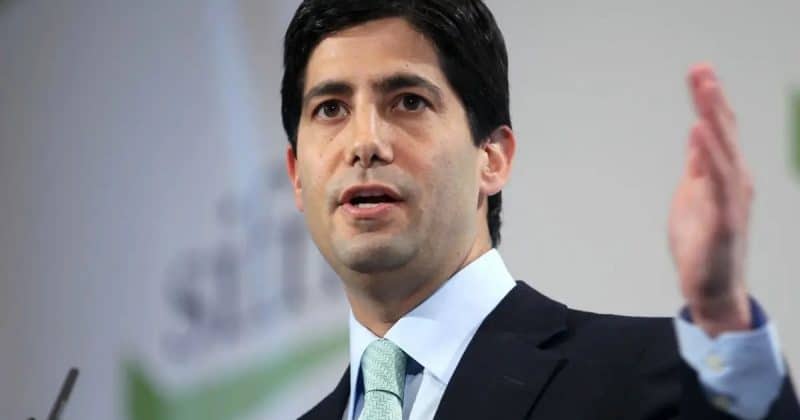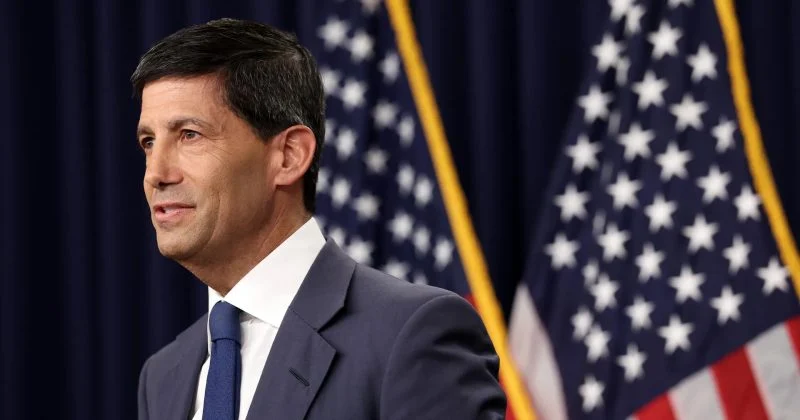
Kevin Warsh, the Federal Reserve Chair, told the Senate Banking Committee that the current wave of AI spending isn’t a bubble. It’s the economy doing something it hasn’t done well in years: actually building things.
Testifying on July 15, Warsh pointed to high-tech spending that surged nearly 25% in the first quarter of 2026, driven overwhelmingly by data center construction and AI infrastructure buildouts from the usual suspects: Amazon, Meta, Microsoft, and Alphabet. His core argument was straightforward. This isn’t financial engineering. It’s capital expenditure that will expand the economy’s productive capacity over time.
From capex to capacity
He also pushed back on inflation hawks. One-time price increases triggered by AI demand, think GPU costs or electricity for data centers, shouldn’t be confused with persistent inflation. Supply-side responses will catch up, Warsh argued. Chip fabs get built, energy capacity expands, and the price pressure fades.
The Fed is building its own AI playbook