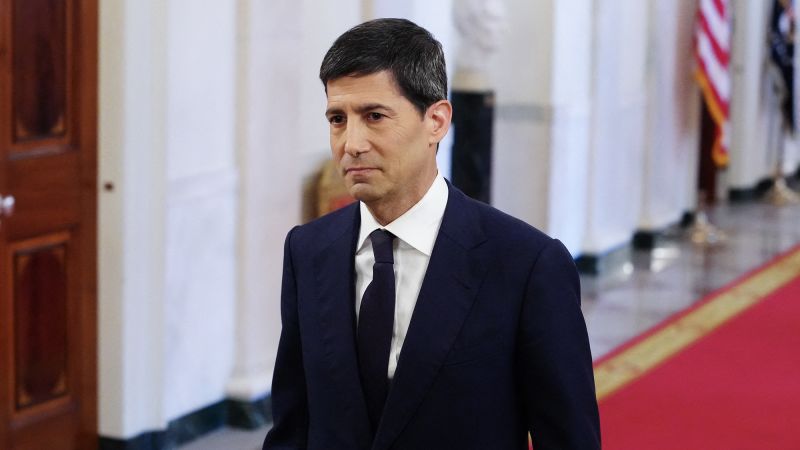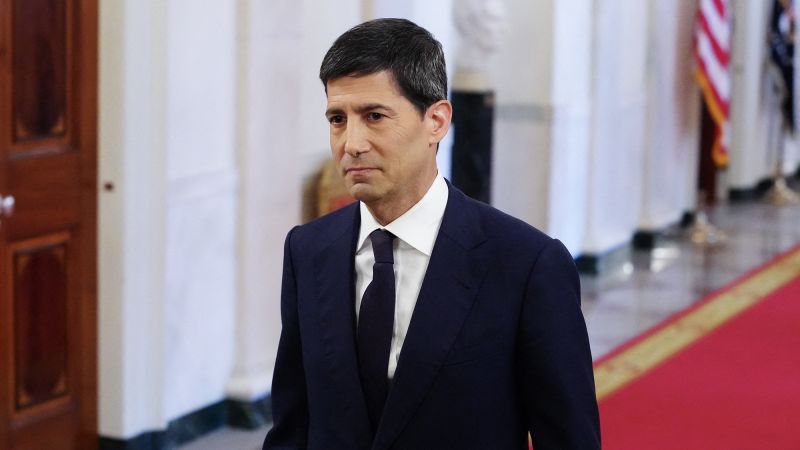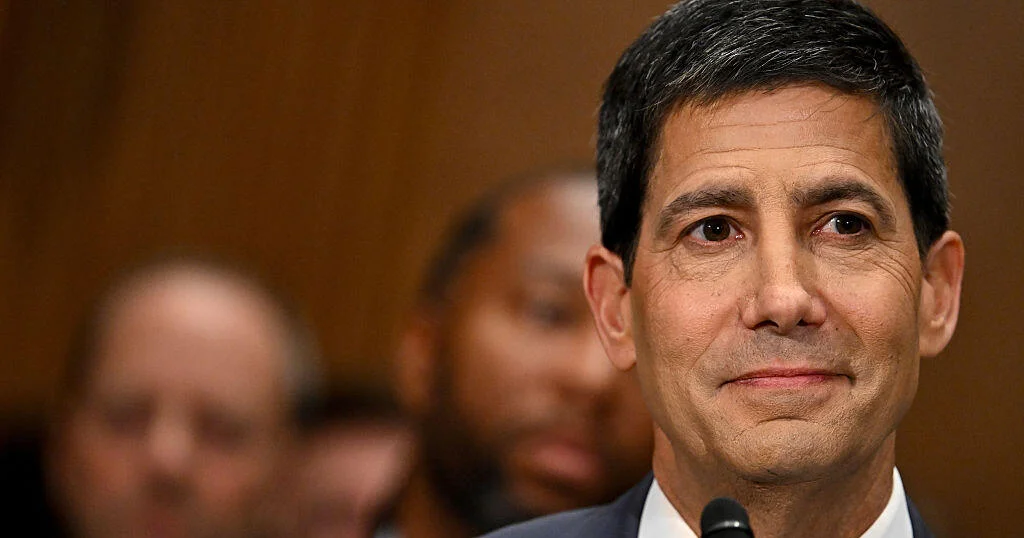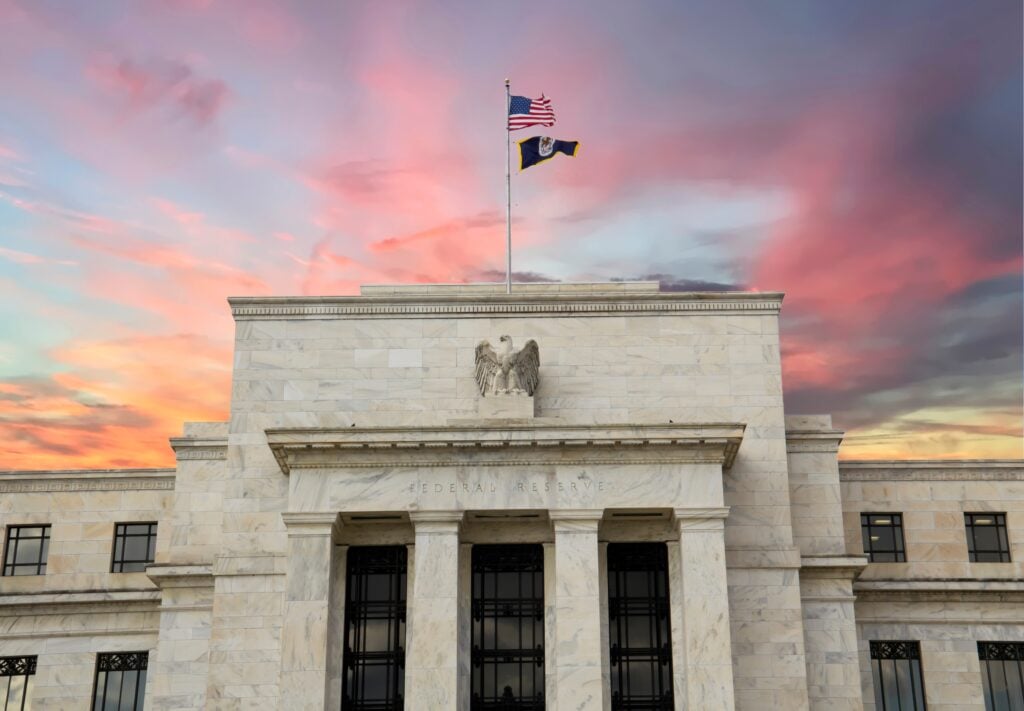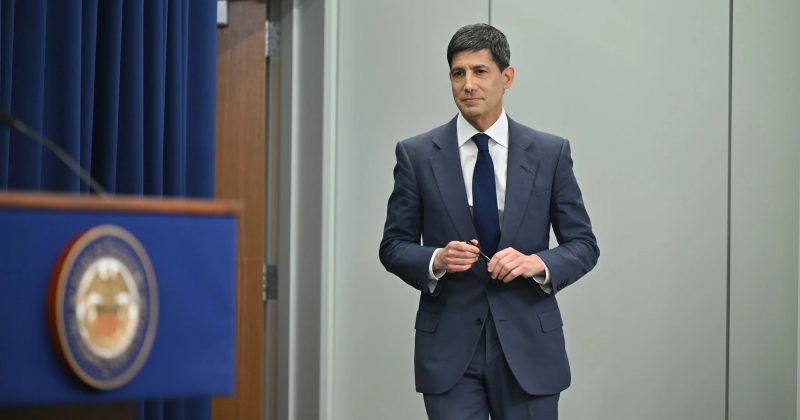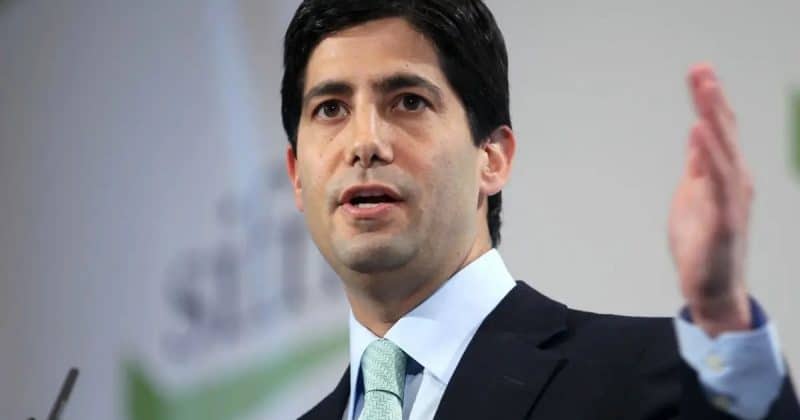
Kevin Warsh has been Fed chairman for less than a month, and he’s already staring down the kind of question that defines legacies. The central issue: whether the massive wave of AI investment sweeping the economy will push prices down through productivity gains or push them up through sheer demand for capital, energy, and infrastructure.
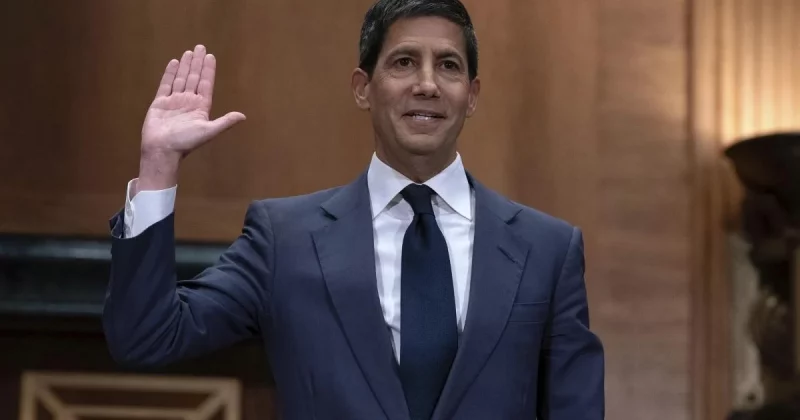
Warsh, who was sworn in on May 22, 2026, held his first FOMC meeting on June 16-17. The result was a decision to keep interest rates steady, paired with a hawkish policy statement.
The 1990s playbook, revisited
Warsh has argued that AI will lead to lower costs and enhanced productivity across the economy, functioning as a disinflationary force, comparable to the internet boom of the late 1990s. In that era, the Fed under Alan Greenspan famously let growth continue without aggressive rate hikes, betting that technology was genuinely changing the math on how much the economy could produce without overheating.
Today, inflation remains above target partly due to pressures from the Iran conflict, creating a much messier backdrop for monetary policy decisions.