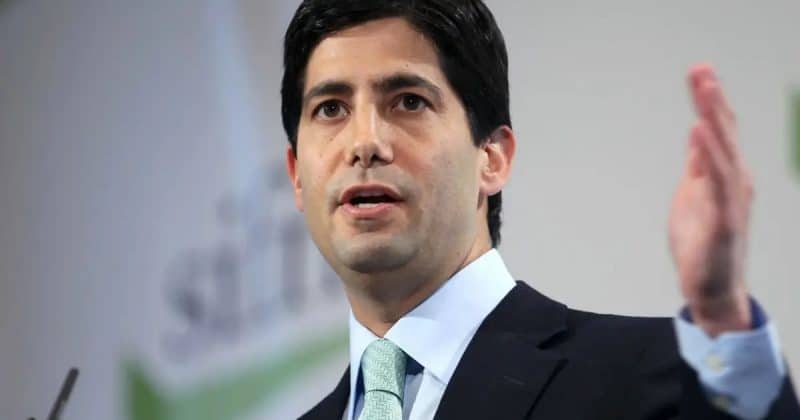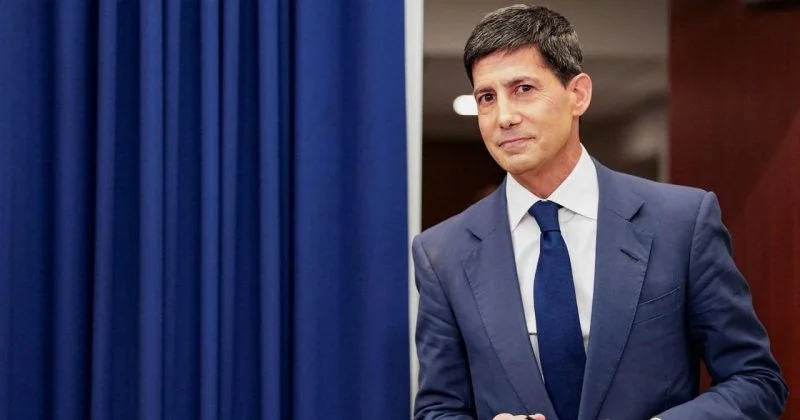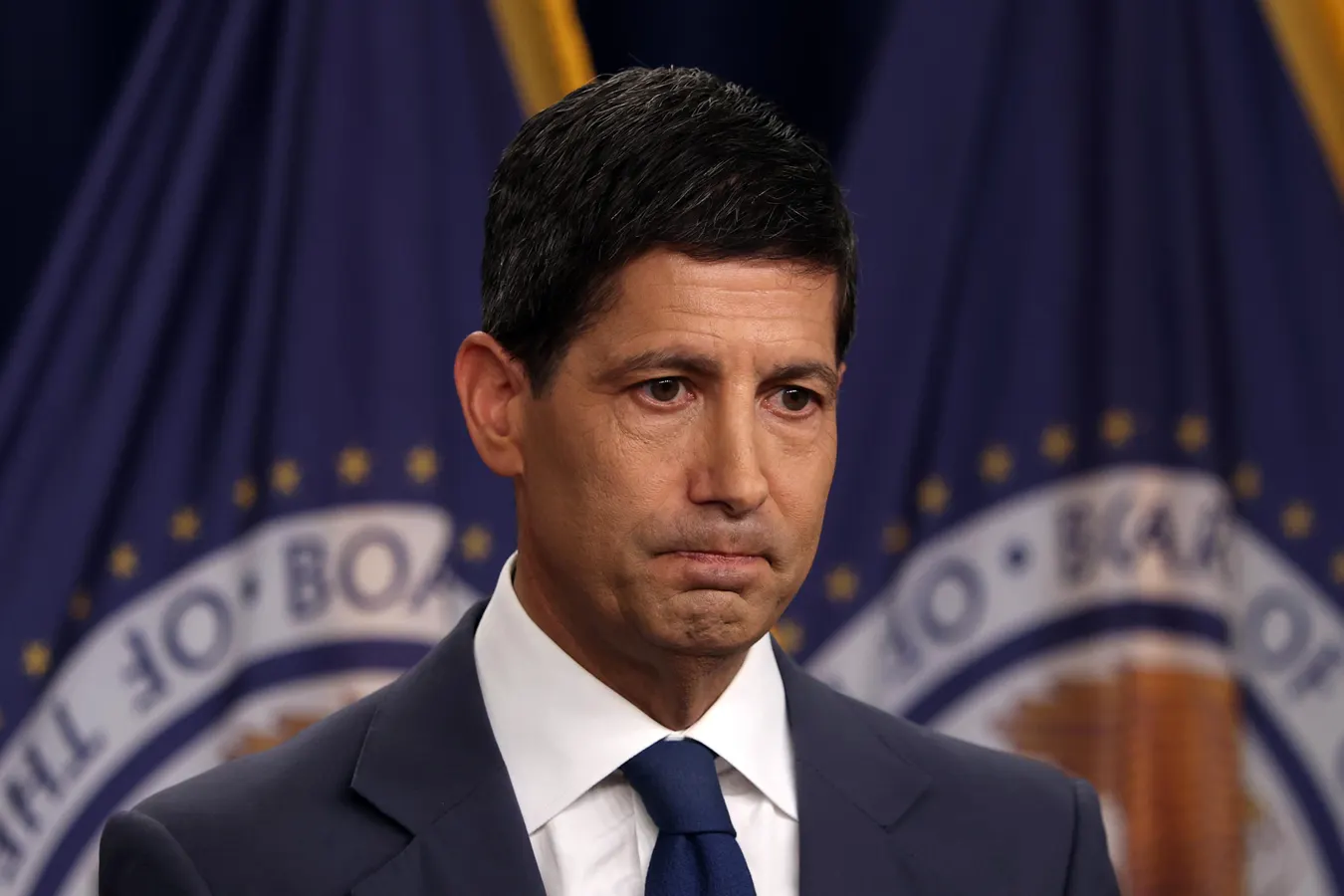
The Federal Reserve can’t agree on what AI means for the economy, and that internal debate could shape interest rate decisions for years. Chair Kevin Warsh is betting big on the idea that artificial intelligence will ultimately push prices down, not up. Not everyone at the central bank shares his enthusiasm.
The Warsh thesis vs. the FOMC skeptics
Warsh, who was sworn in as Fed Chair in 2026 after being nominated by President Donald Trump, has been consistent on this point. Back in November 2025, he described AI as “a significant disinflationary force” in a Wall Street Journal op-ed, drawing parallels to the productivity boom of the 1990s.
During congressional testimony on July 15, 2026, he doubled down. Warsh argued that one-time price increases caused by AI infrastructure buildouts should not be confused with persistent inflation. The supply side, he contended, would respond and bring costs back down.
But the minutes from the June 16-17, 2026, FOMC meeting tell a different story. Many rate-setting officials flagged that surging AI demand was creating ongoing downward pressures on technology product availability and pushing up electricity costs.