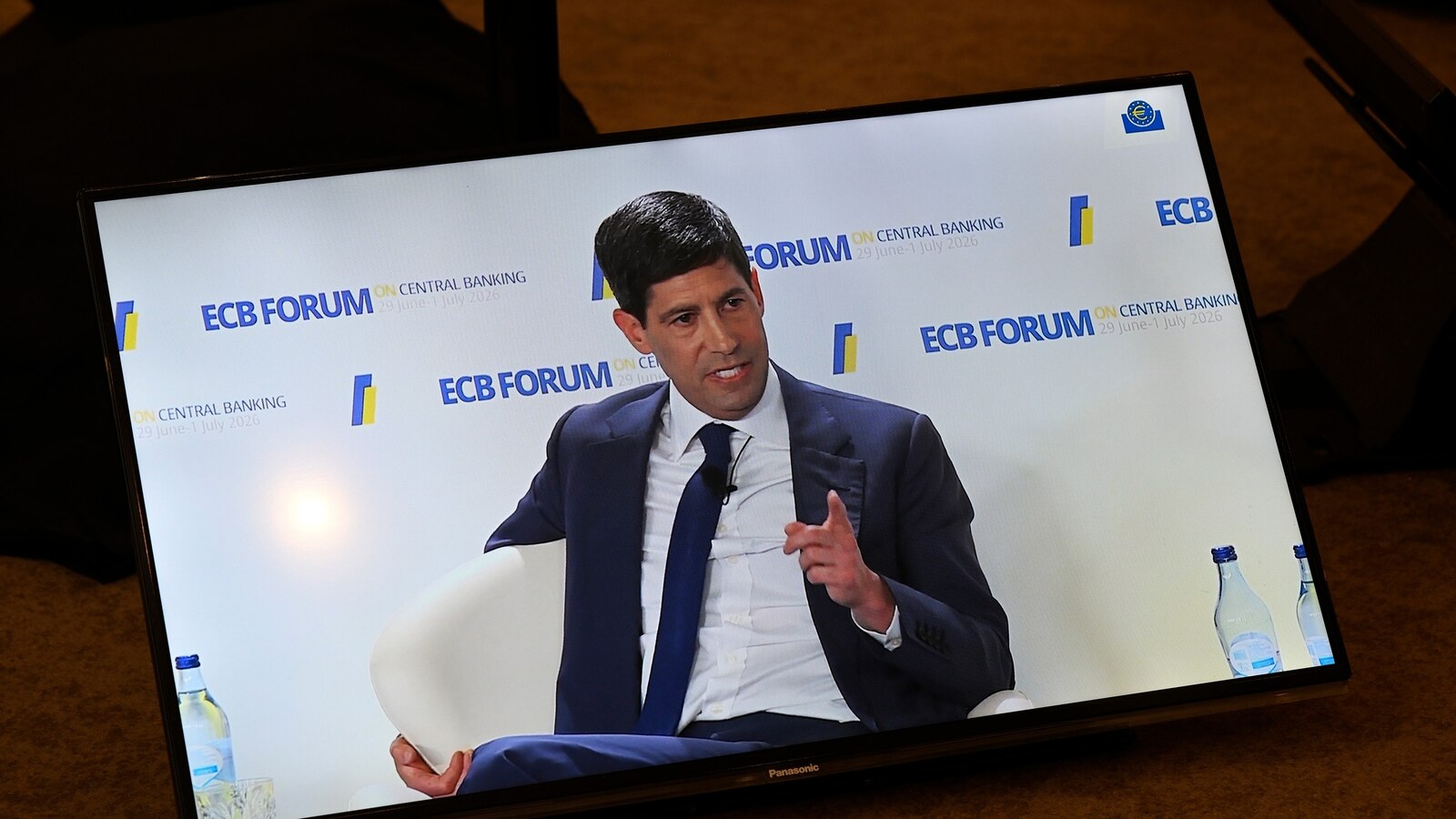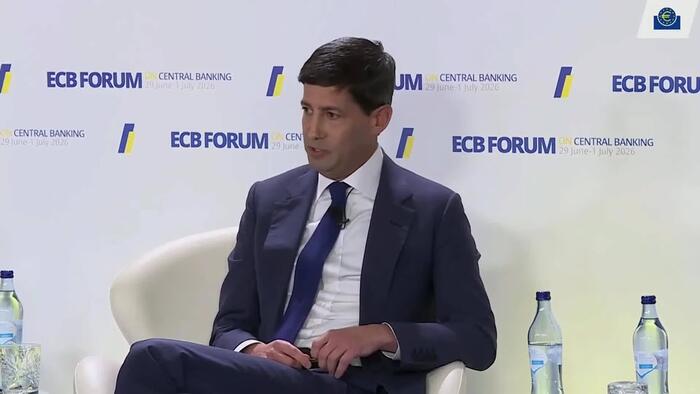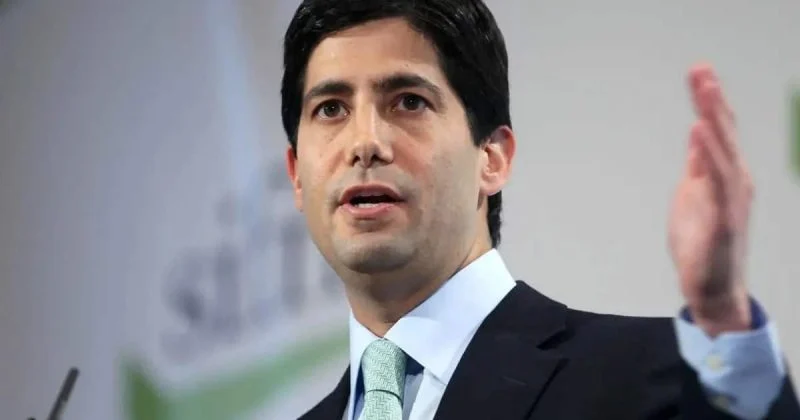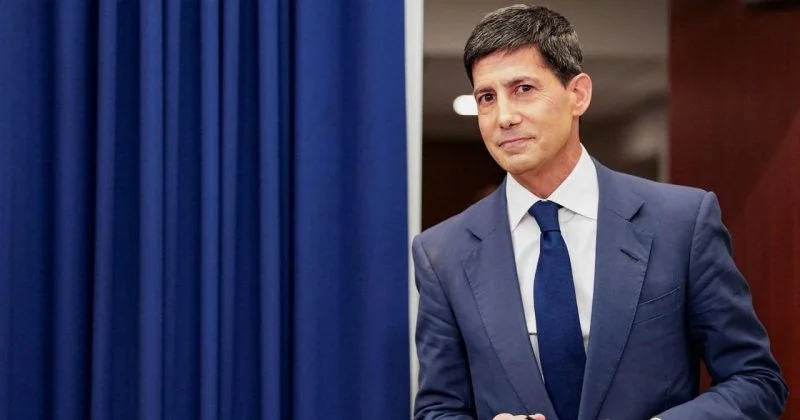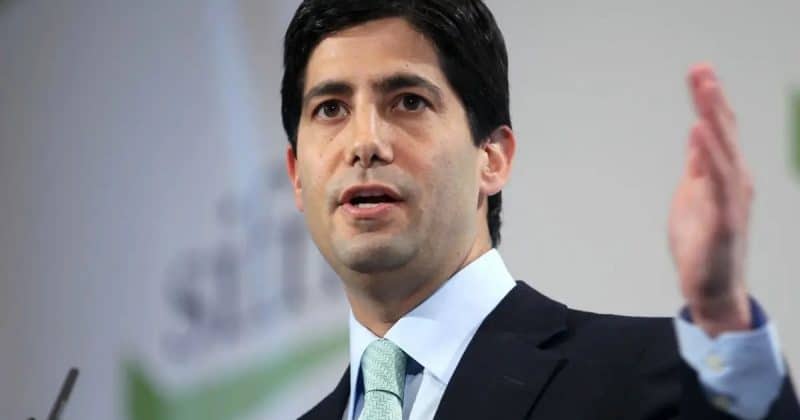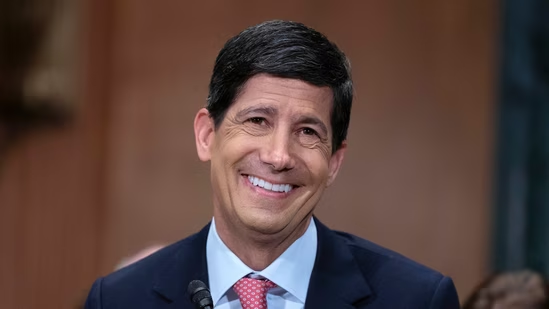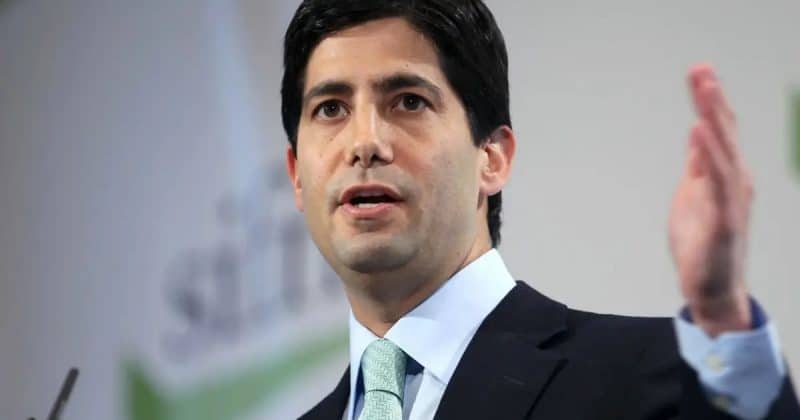
Federal Reserve Chair Kevin Warsh stated that it is the central bank’s responsibility to determine whether artificial intelligence (AI) is contributing to inflation. Warsh, who assumed his position in May 2026, has been vocal about AI, describing it as “structurally disinflationary,” a view that contrasts with some other Fed officials who perceive the current AI-driven investments as inflationary. This divergence in perspectives has added complexity to the central bank’s monetary policy outlook. With the Consumer Price Index (CPI) showing a 3.8% year-over-year inflation rate as of April 2026, the Fed faces significant scrutiny in its upcoming meetings. Markets appear to reflect uncertainty regarding potential rate changes, influenced by Warsh’s comments and the ongoing AI economic integration.
Key Takeaways
Warsh’s remarks appear to reflect uncertainty over AI’s impact on inflation, suggesting the Fed may take a cautious approach.
Current market pricing suggests a decrease in the likelihood of rate changes after the Federal Reserve’s July 2026 meeting.
The focus on AI’s inflationary potential may indicate a potential shift towards a more hawkish stance, affecting rate cut probabilities for 2026.