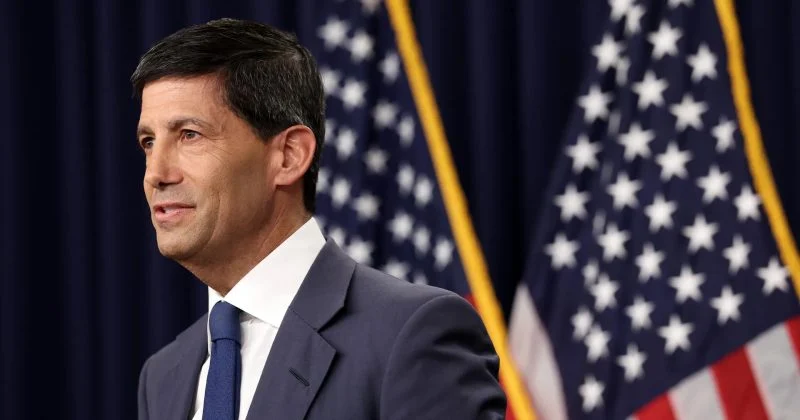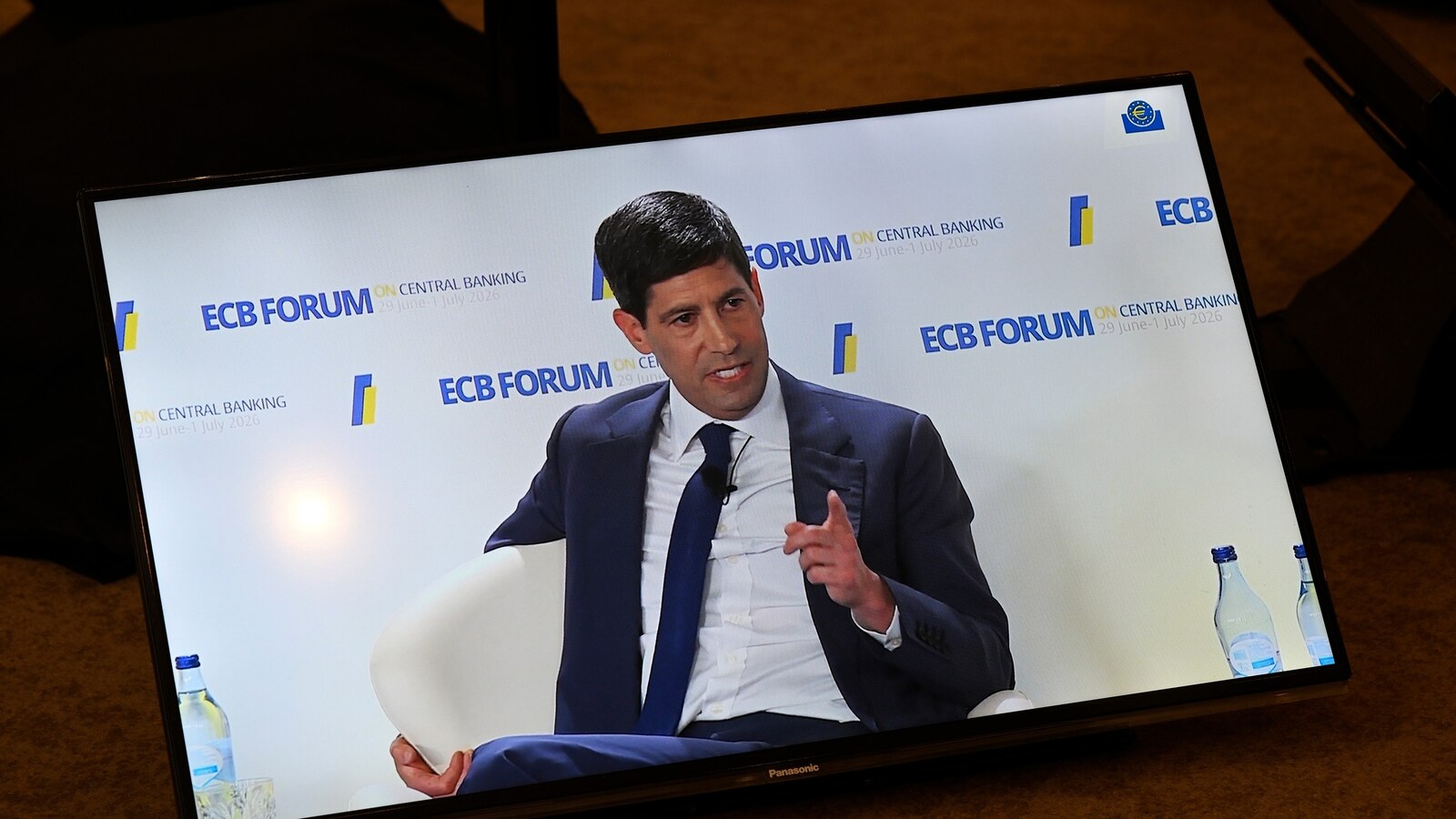
Kevin Warsh, the newly installed Chair of the Federal Reserve, is making a bold bet. He thinks artificial intelligence is about to make almost everything cheaper, and that the Fed should be ready to act accordingly.
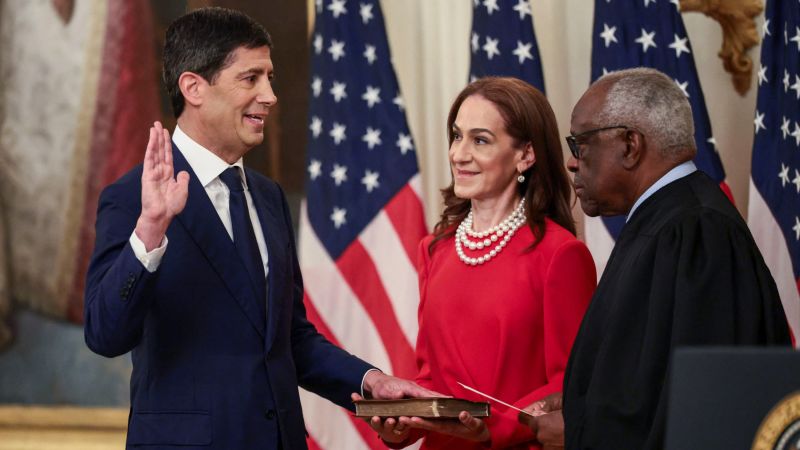
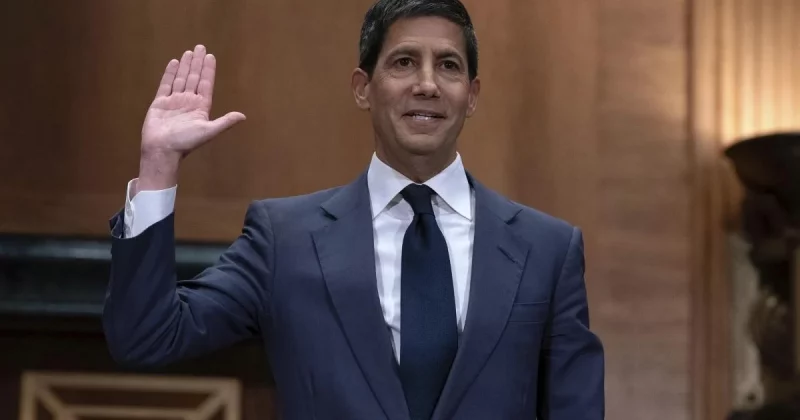
Sworn in on May 22, 2026, after being nominated by President Trump in January, Warsh has wasted little time staking out a position that puts him at odds with some of his own colleagues. His core argument: AI is a disinflationary force that could reshape the US economy in ways central bankers aren’t fully appreciating.
The Greenspan playbook, updated for the AI era
Warsh isn’t pulling this thesis out of thin air. He’s pointing to a historical analog that older market watchers remember well: the productivity boom of the 1990s.
During the decade when the internet went from novelty to infrastructure, output per hour averaged 2.7% annually from 1994 to 2004. Inflation declined over that same stretch. The economy grew faster while prices stayed tame.