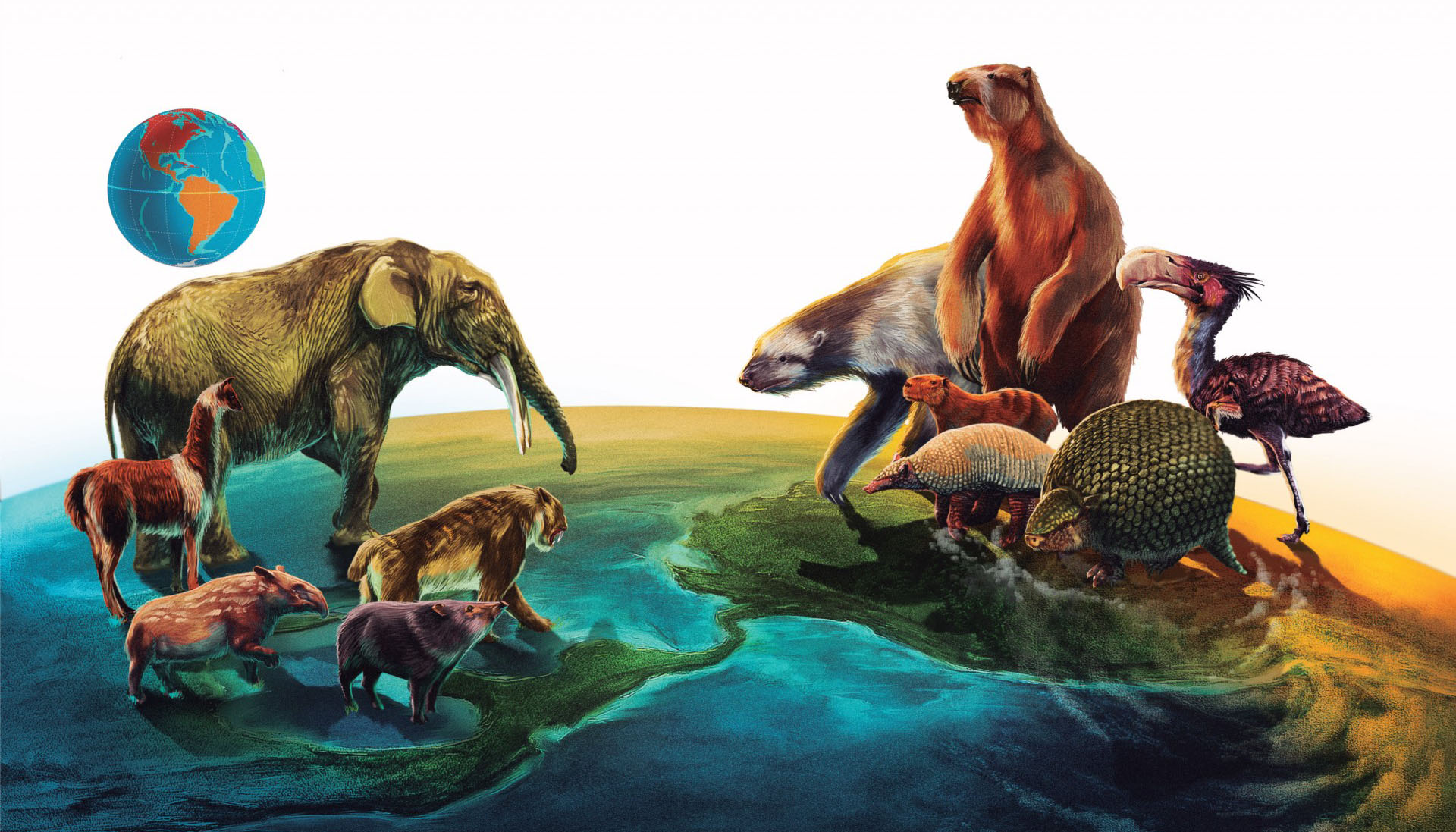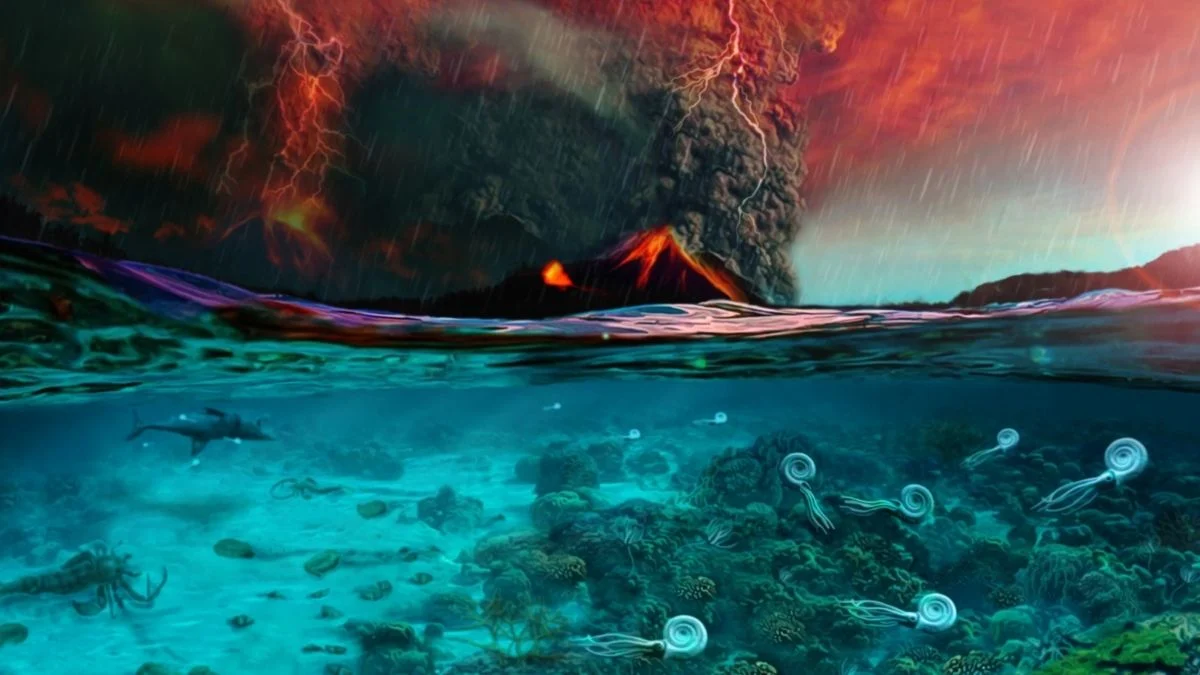
Like the meteorite that killed the dinosaurs, European contact with the Americas was a single, ecologically random, earth-shattering event that completely reshaped land and sea. Disease and violence devastated Native populations, while their concentration into missions changed how survivors lived. The reordering was total. The very grass changed underfoot. As cattle overran the country, native plants were grazed out and European grasses, long adapted to the grinding teeth of livestock, took their place. Salmon runs, suddenly unfished, bloomed to levels never seen before. Carefully set fires no longer swept through the chaparral, bringing new life in their wake.Article continues after advertisement
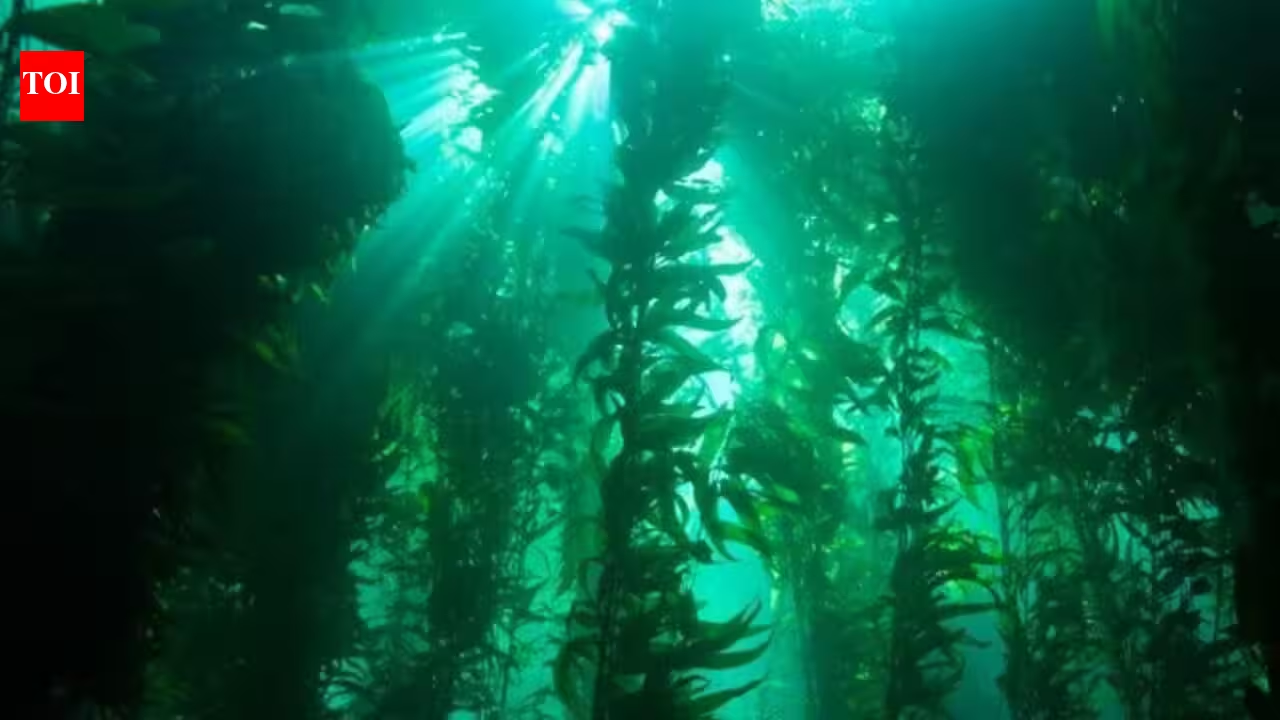
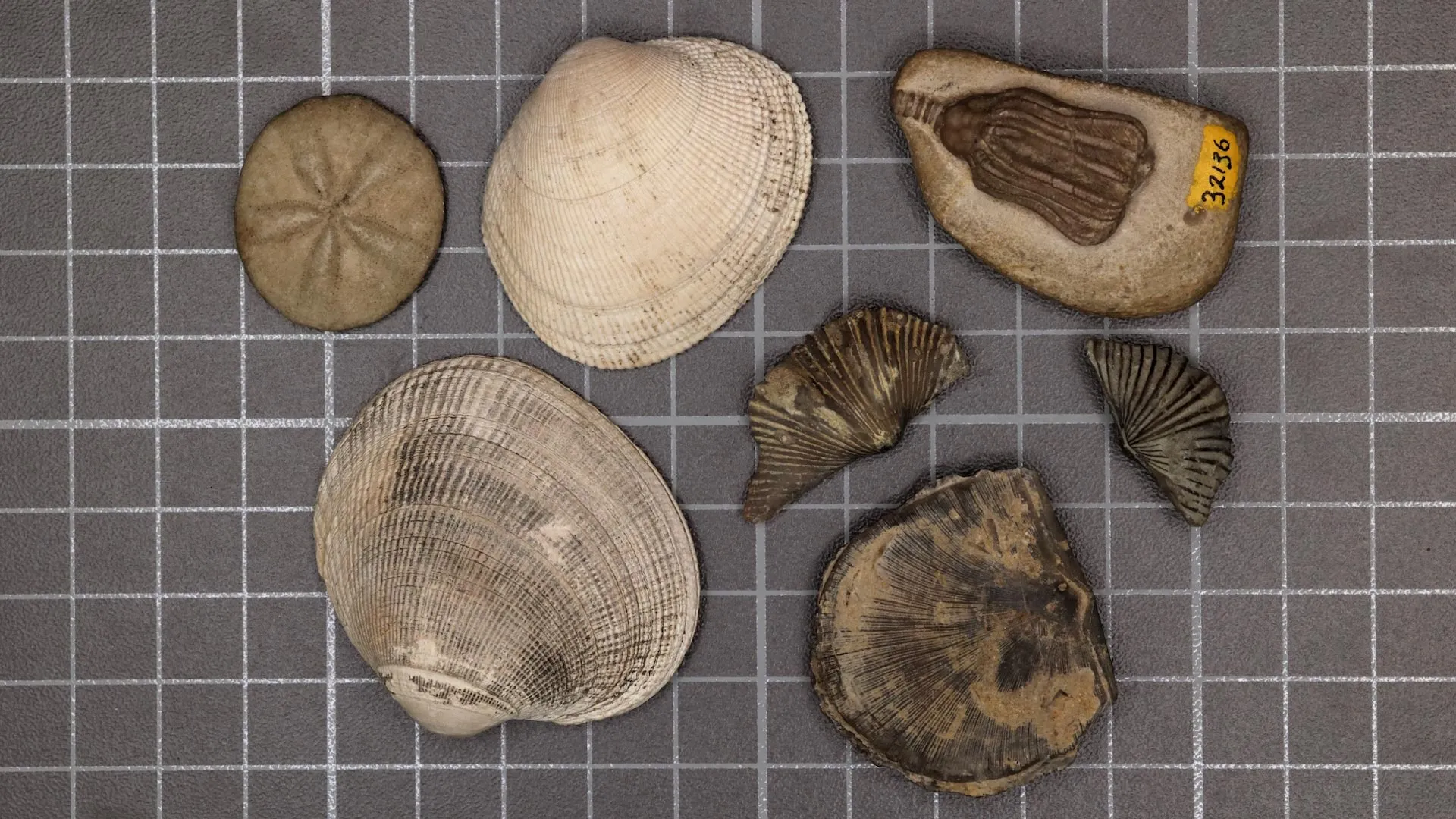
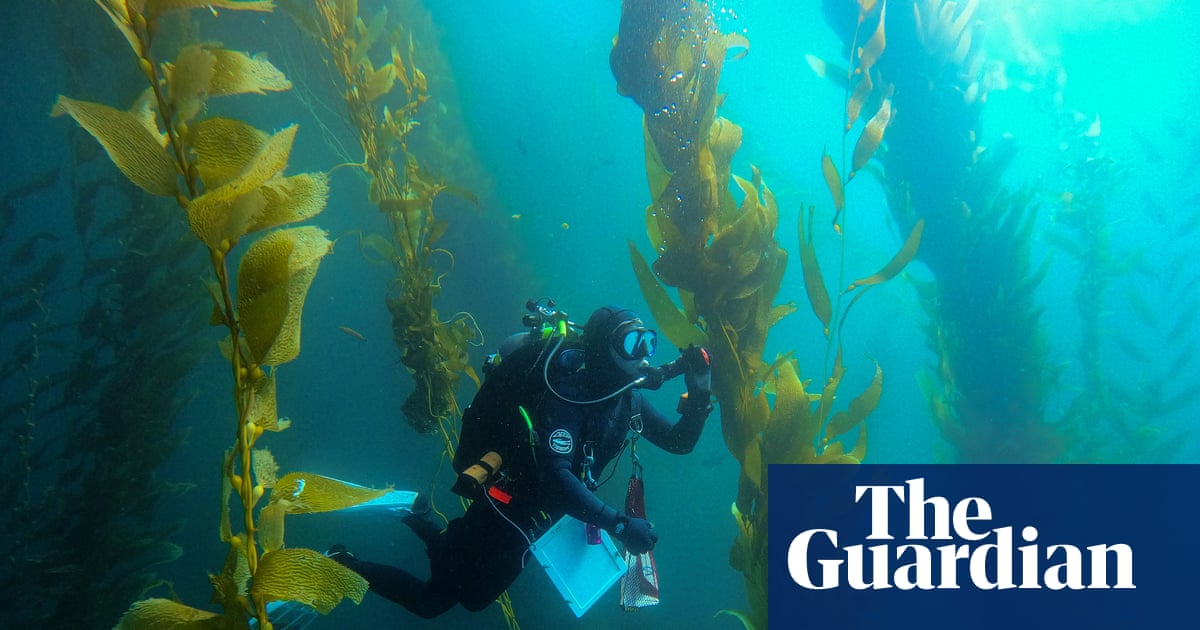
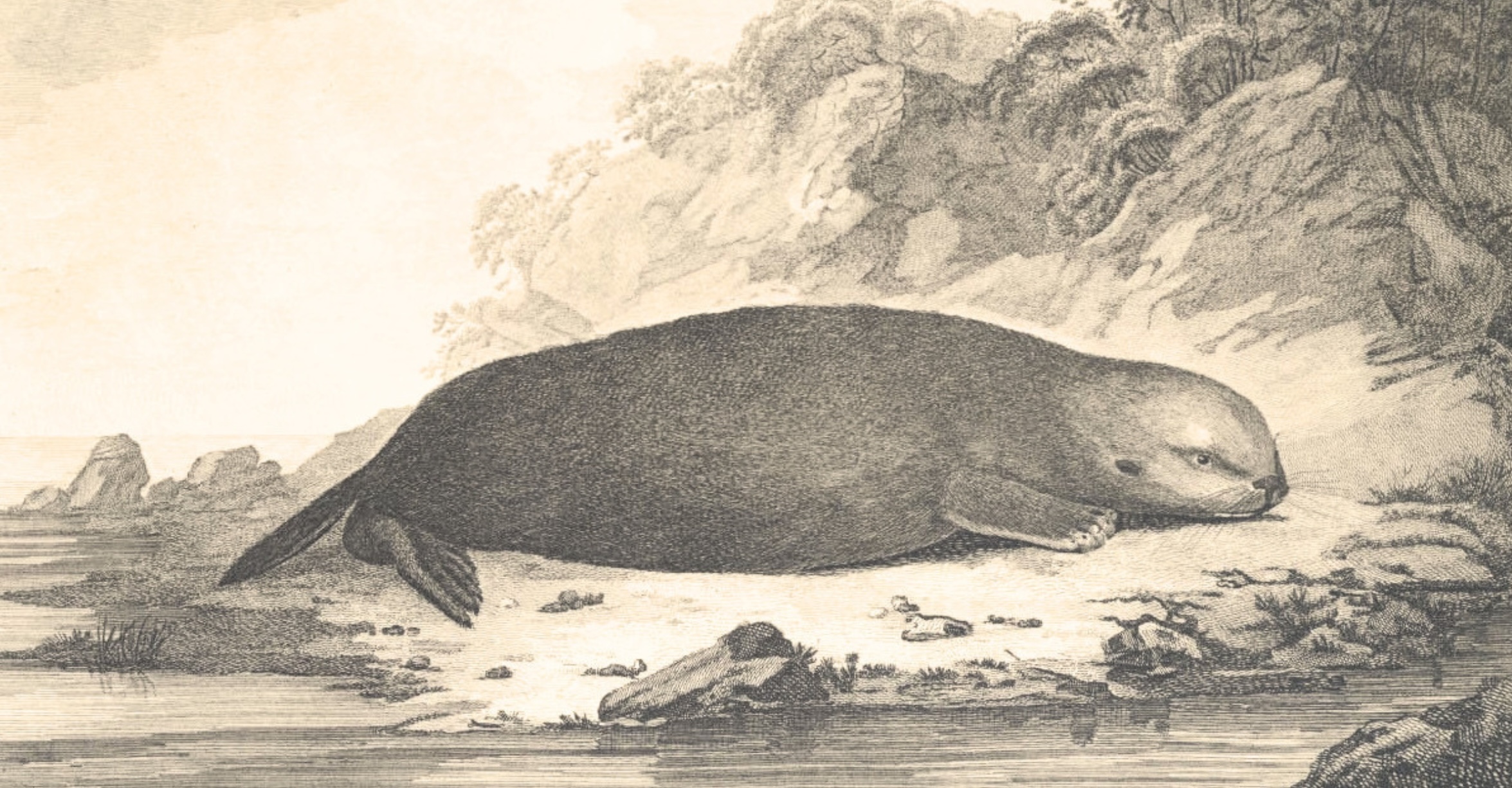
In the kelp forests, abalone were taking over the seafloor, their massed shells paving it over like cobblestones. The shell of a good- sized adult abalone is more or less impregnable to most of the kelp forest’s predators, too strong and too thick for penetration. Indeed, the only real threat to their ruminant existence comes from tool-wielding mammals: sea otters and humans. The fur hunt and the Spanish missions had relieved the abalone of its two main predators in the flicker of an evolutionary eye. With otters almost extinct and the much-reduced Native Californians’ abalone harvest discouraged by the mission fathers, the sea snails began to die of nothing but old age.