Pollution, warm oceans and hungry urchins devastated Pacific kelp. Now, thanks to divers with hammers, one of the world’s most successful rehabilitation projects has helped it rebound
O
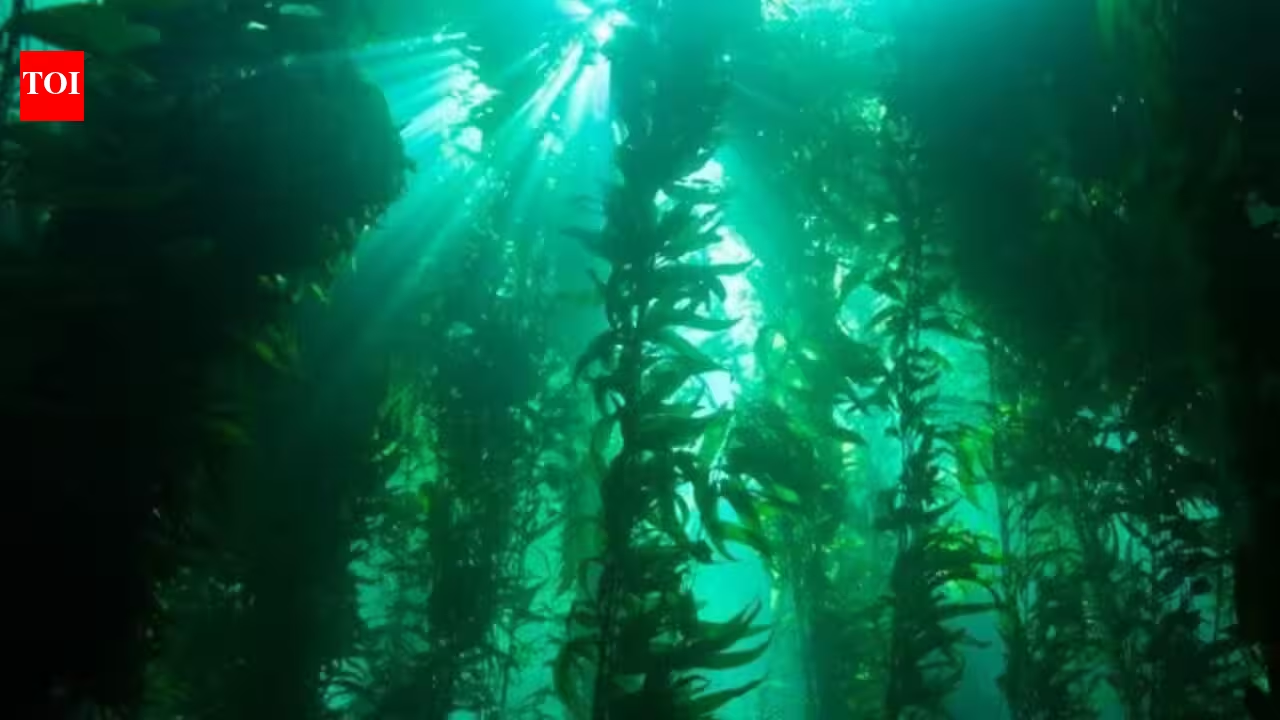
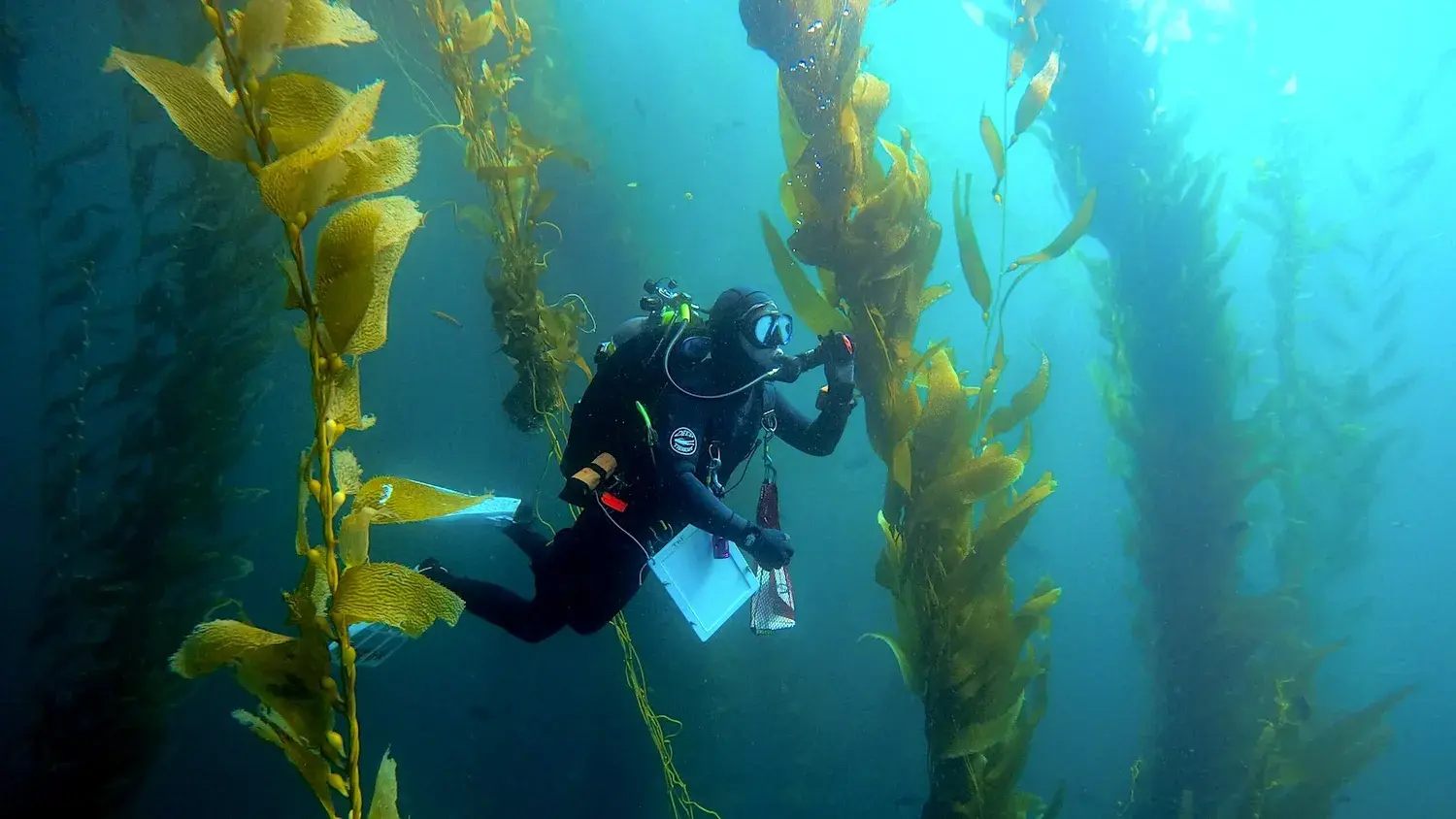
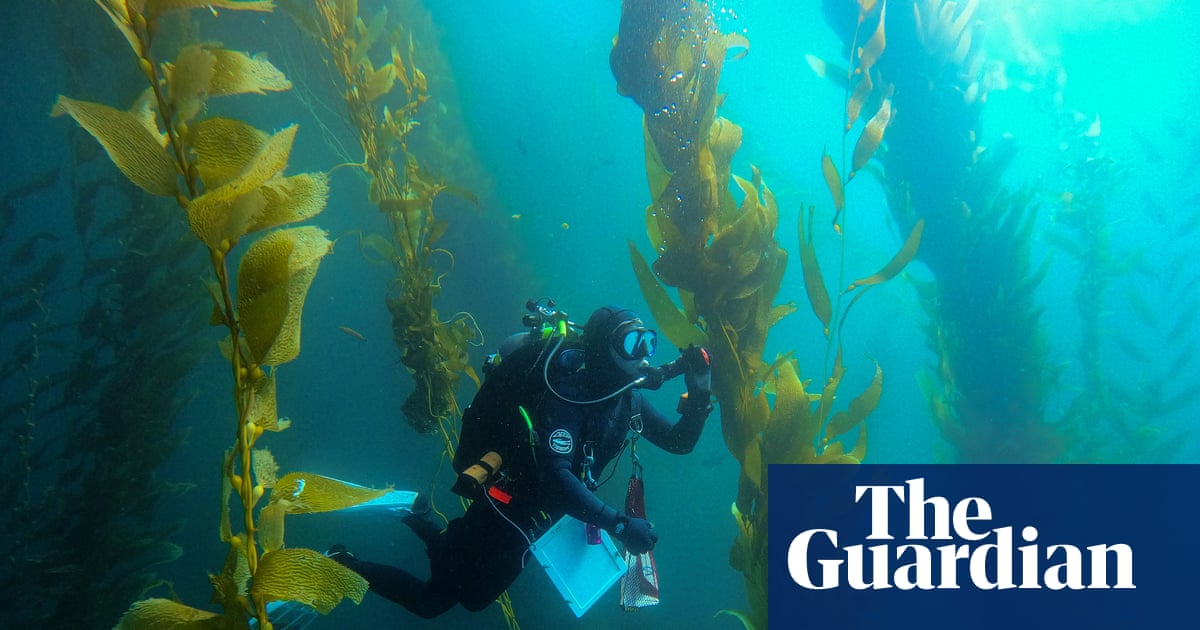
n an overcast Tuesday in July, divers Mitch Johnson and Sean Taylor shimmy into their wetsuits on the back of the R/V Xenarcha, a 28ft boat floating off the coast of Rancho Palos Verdes, south of Los Angeles. Behind them, the clear waters of the Pacific are dotted with a forest of army-green strands, waving like mermaid hair underwater.
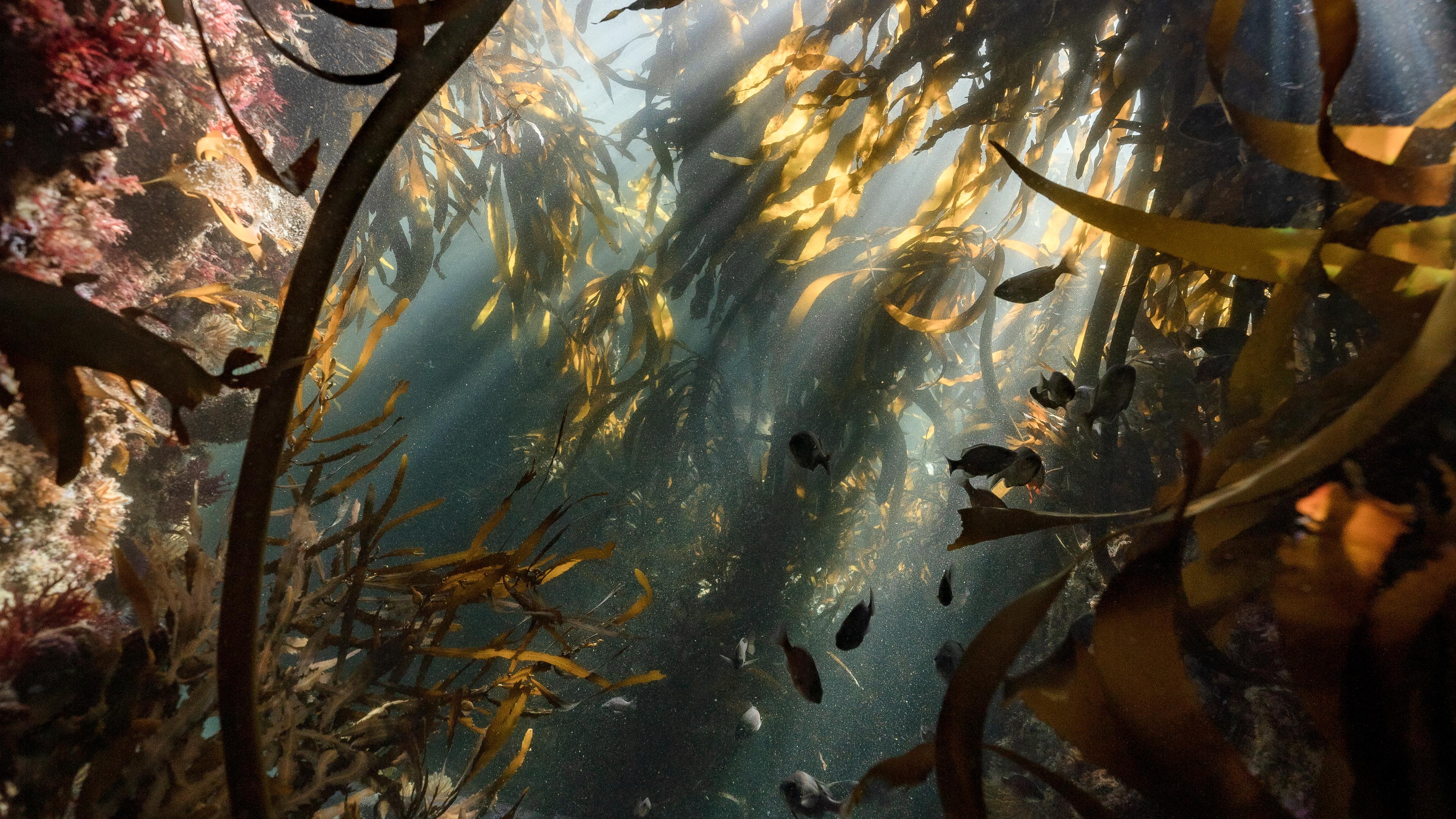
We are here to survey the giant Pacific kelp, a species that once thrived in these ice cold waters. But over the past two decades, a combination of warm ocean temperatures, pollution, overfishing and the proliferation of hungry sea urchins that devour the kelp has led to a 80% decline in the forest along the southern California coast.
In recent years, scientists have staged a comeback – mounting one of the largest and most successful kelp restoration projects in the world. To do so, they’ve recruited an army of hammer-wielding divers to smash and clean up the voracious urchins. Today’s trip is a chance to see that success up close.