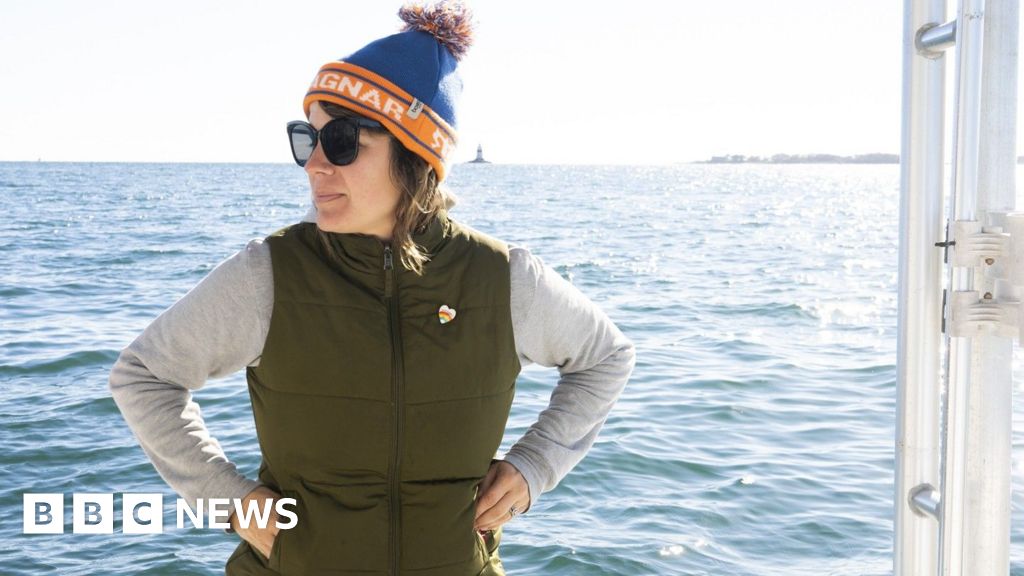
Suzie Flores left a Manhattan career to farm sugar kelp off the Connecticut coast. Now she's trying to convince the US that the future of sustainable food is growing under the waves.
On a February morning, when most of coastal New England is braced against the cold, Suzie Flores is frequently out on the water. The sea has to be calm enough, ice cleared from the boat, GPS buoys still where she left them.
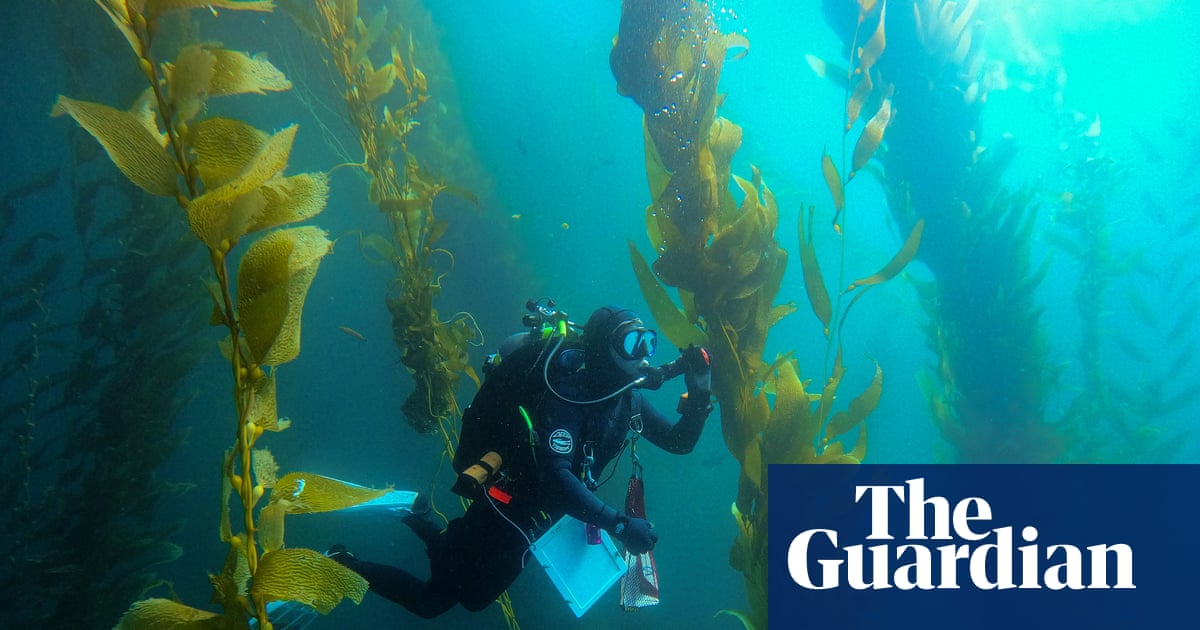
If the conditions line up, she will head out from the marina in Stonington, Connecticut - one of the last remaining commercial fishing ports in the state - to lift a line of sugar kelp, a type of seaweed, from the Atlantic.
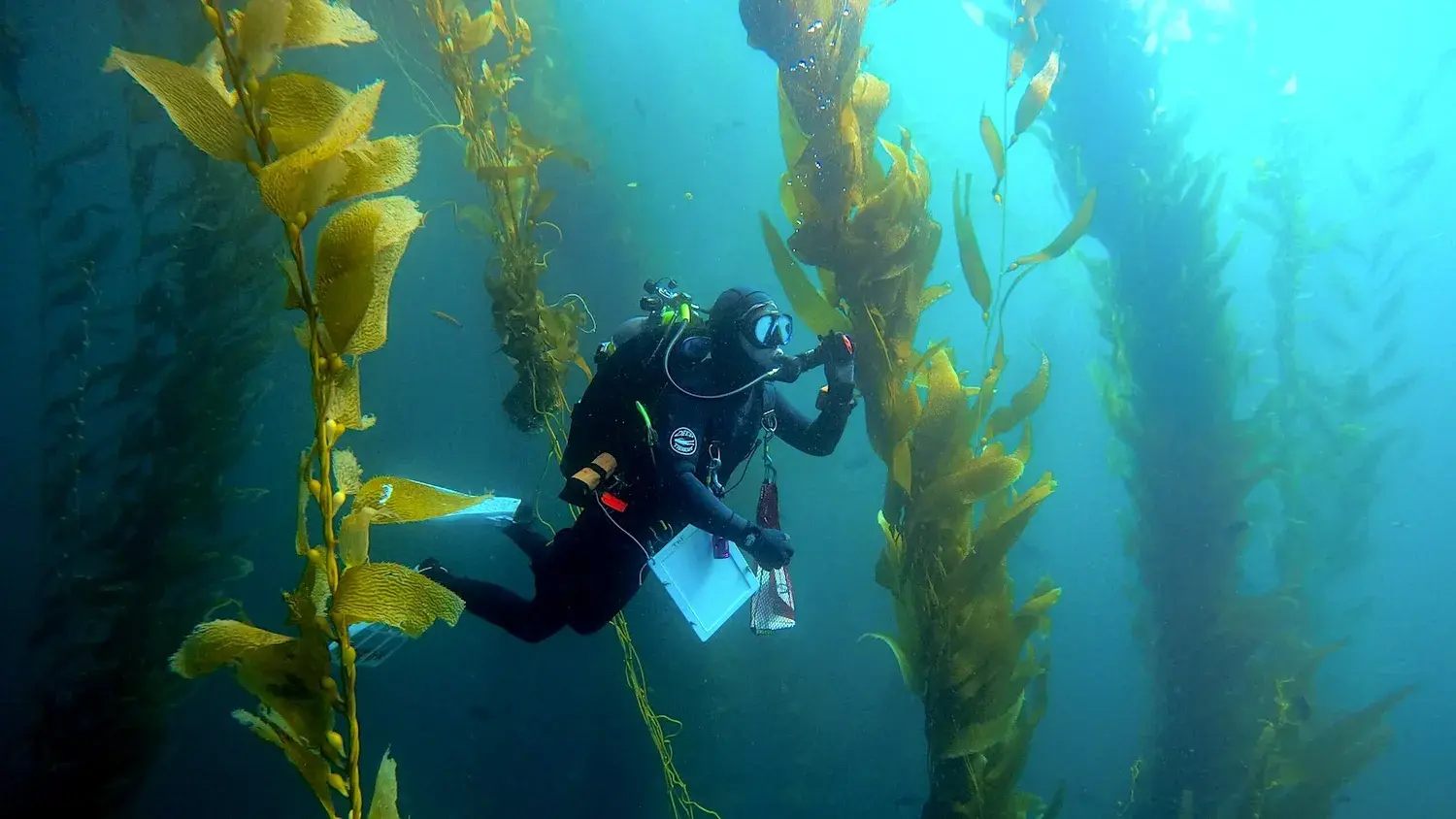
In February there is not much to see yet, just thin fronds that will become metre-long blades by spring. She measures, photographs, and sometimes takes water samples for marine scientists. Then she heads back in.
A decade ago, Flores had an English degree, a desk in a Manhattan academic publishing firm, and a commute from Jersey City. Today she runs Stonington Kelp Company from a marina she and her husband bought and now live on, harvesting a crop unfamiliar enough in the US that she has spent years persuading people to eat it.