As rising seas salinise the soils of the Venice lagoon, scientists and chefs are turning to long-forgotten wild herbs
O
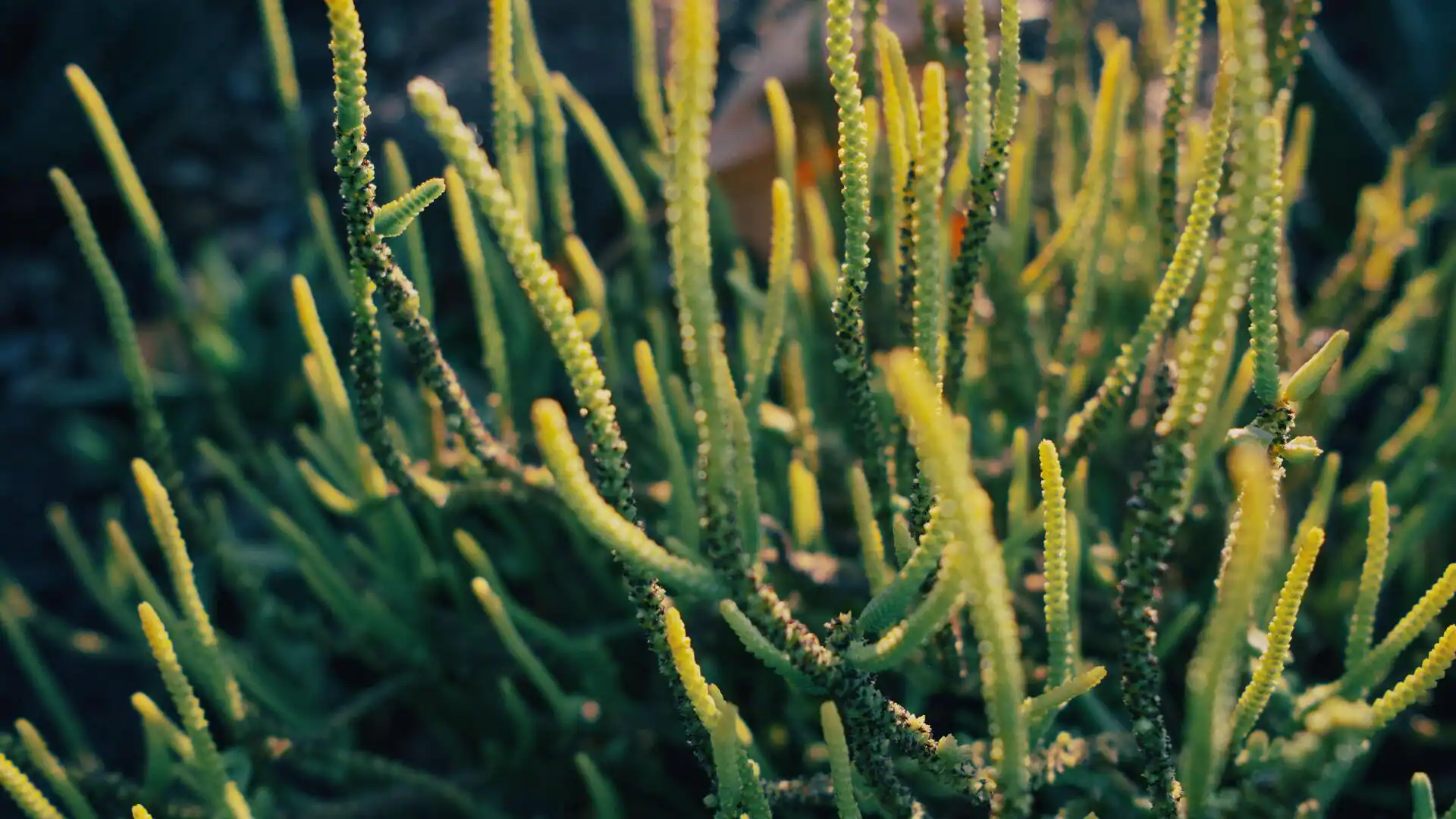
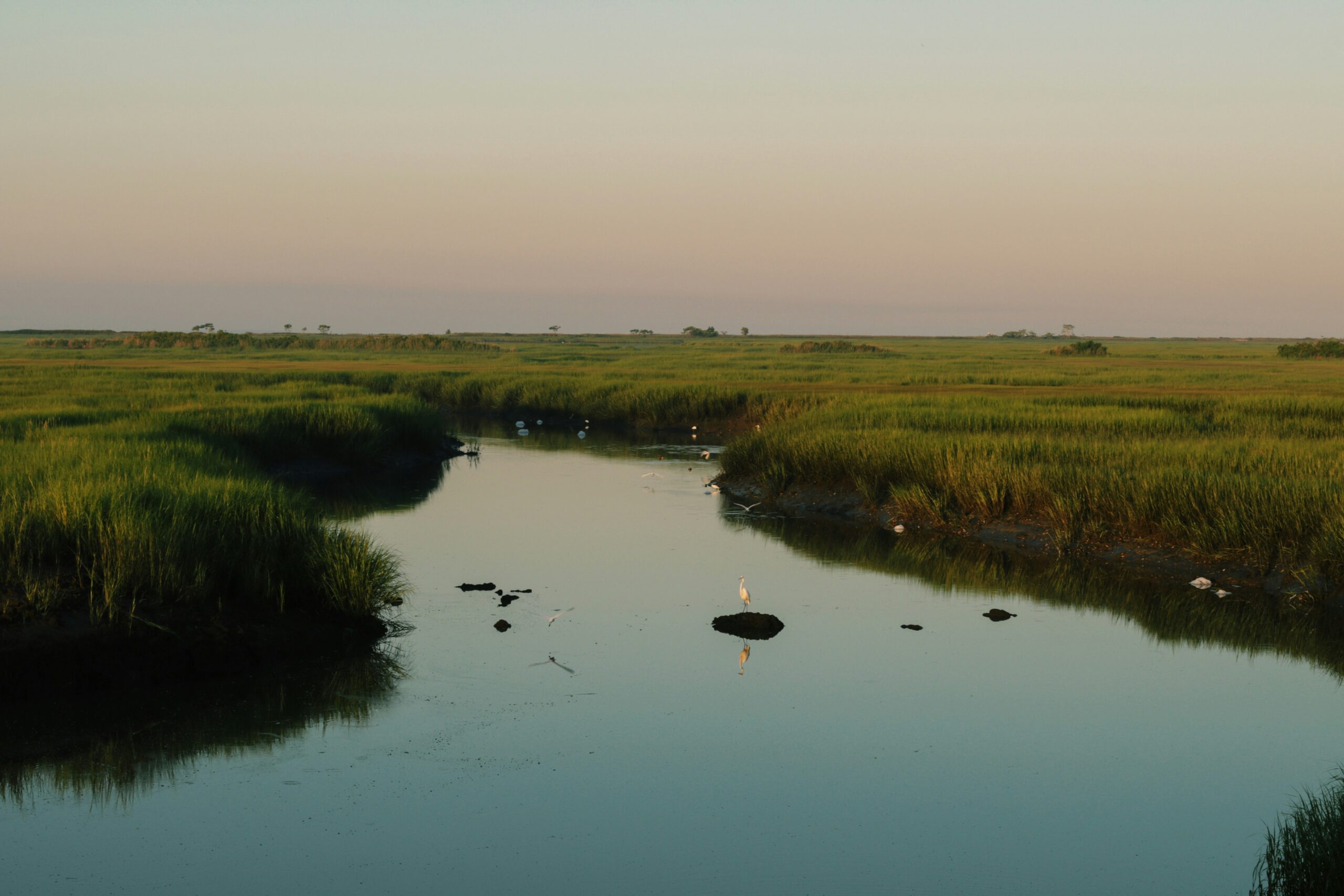
n the scrubby banks of the rural swathes of the Venice lagoon, an evening chorus of cicadas underscores the distant whine of farmers’ three-wheeled minivans. Dotted along the brackish fringes of the cultivated plots are scatterings of silvery-green bushes – sea fennel.
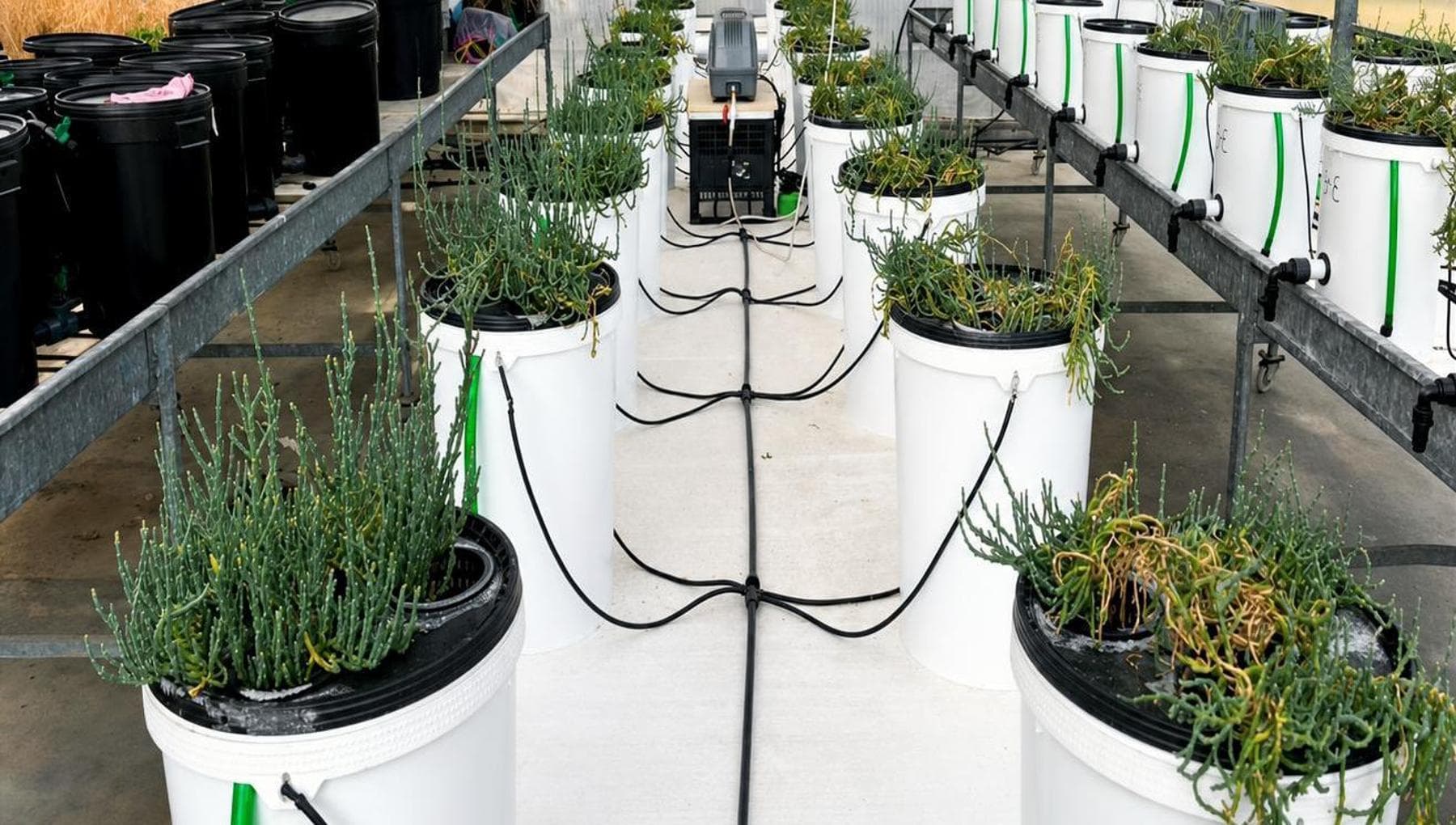
This plant is a member of a group of remarkable organisms known as halophytes – plant species that thrive in saltwater. Long overlooked and found growing in the in-between spaces – saltmarshes, coastlines, the fringes of lagoons – halophytes straddle boundaries in both ecosystems and cuisines. But with shifting agricultural futures, this may be about to change.
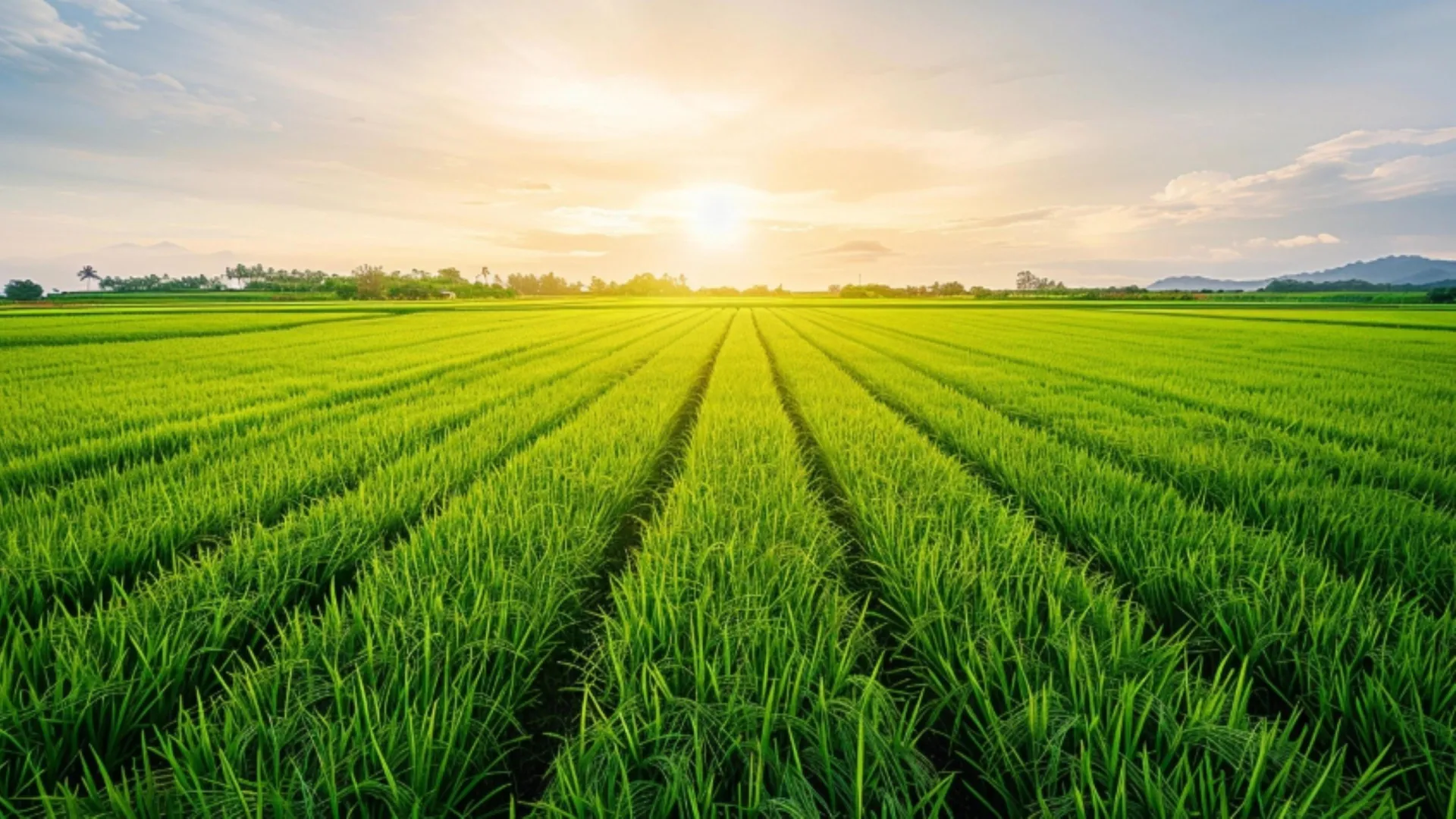
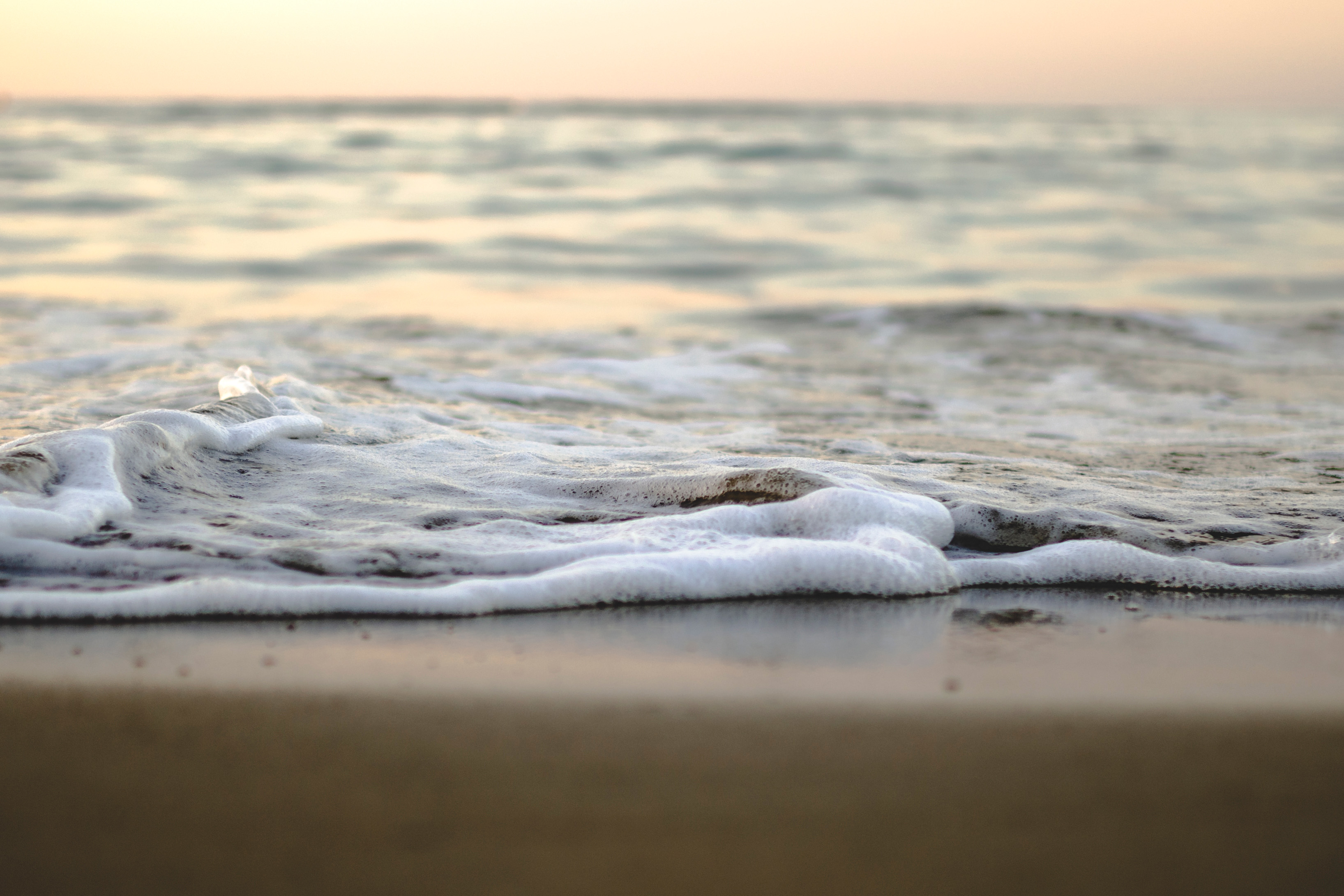
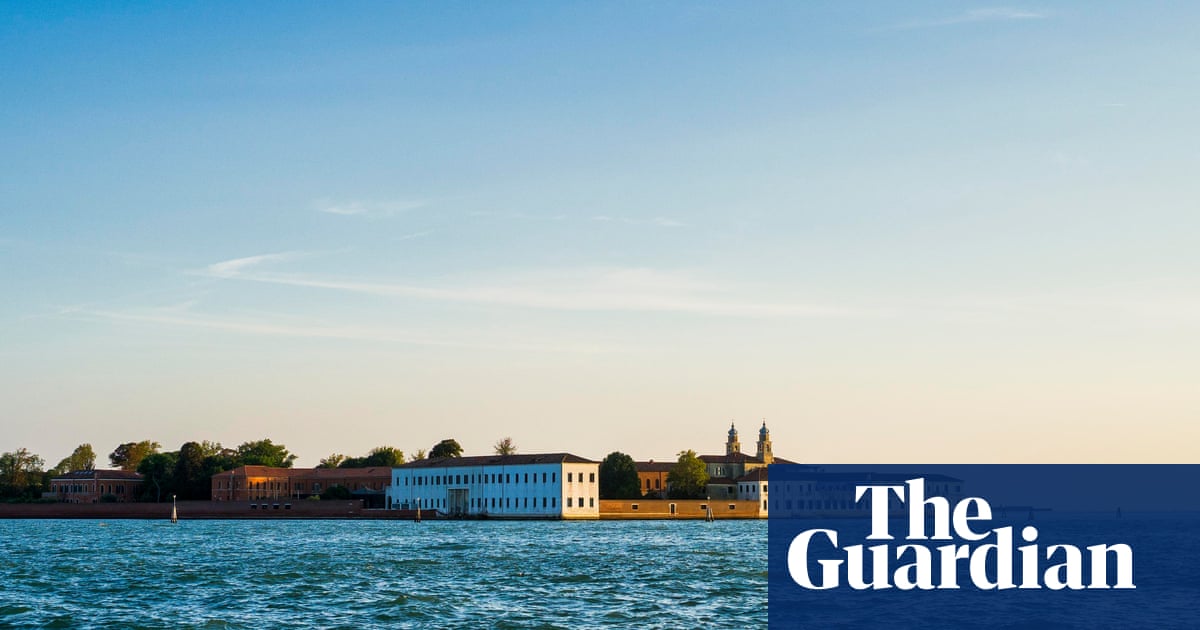
Once known as the breadbasket of Venice, farmers on the island of Sant’Erasmo are facing a challenge that will soon become commonplace in coastal marshes worldwide. A trifecta of rising sea levels, increases in average temperature and decreases in rainfall is leading to a rise in the concentration of salts in the soil – a death knell for many traditional crops, which can survive only up to a salt concentration of about 1.2% – about one-third that of seawater.