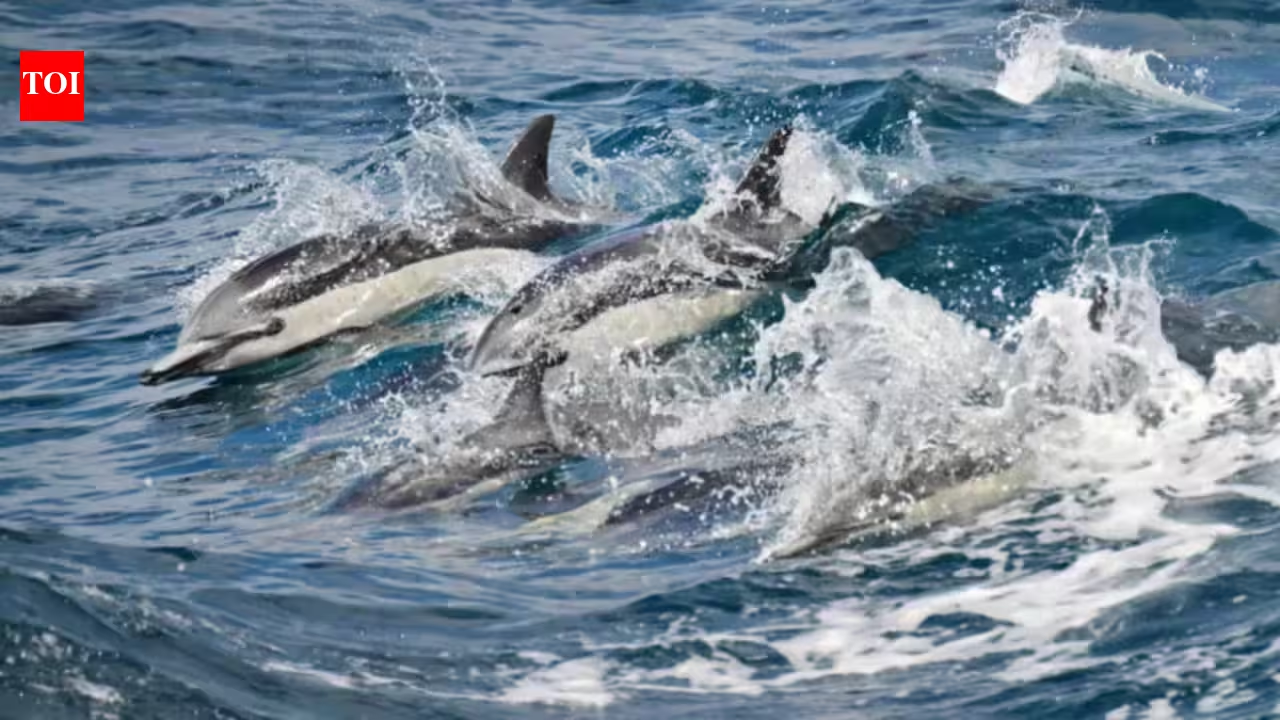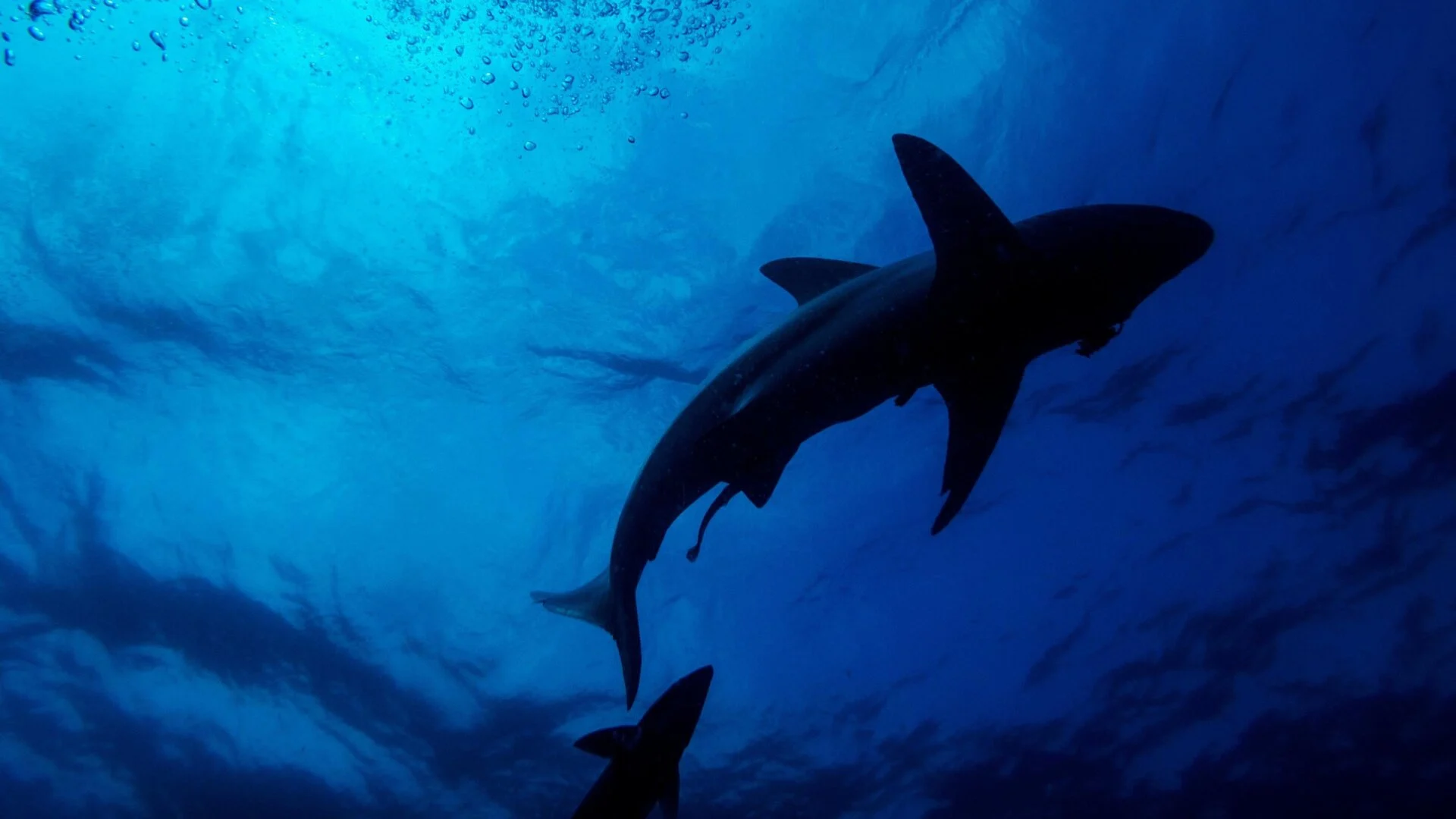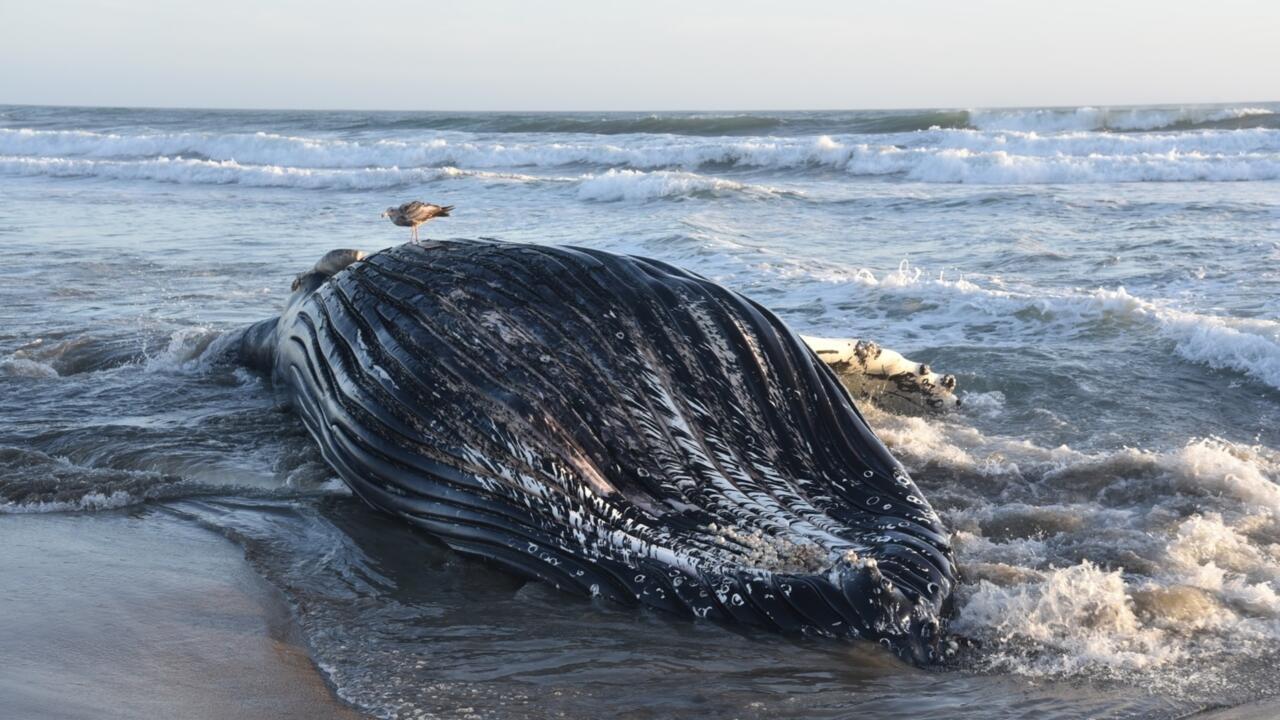
On daily tourist boat trips, "the number of whales and dolphins we're seeing is less than we would on a normal year," Lesser, a 39-year-old naturalist at the Aquarium of the Pacific in Long Beach, told AFP.The warming of the ocean surface is forcing anchovies and sardines -- which the mammals eat -- to seek cooler waters, either at deeper levels or farther north.Dolphins and whales "are going to follow their food, and so we're seeing less sightings," Lesser explained. The educator aims to raise awareness among visitors about the plight of the animals, as fewer whale sightings is just a harbinger of larger negative changes to come to the marine ecosystem.
Dolphins frolic in the surf off Long Beach, California -- but sightings are more and more rare © Frederic J. BROWN / AFP
Surface water temperatures along the California coast are now three to four degrees C above normal, according to the US National Oceanic and Atmospheric Administration (NOAA).The current heat wave has been ongoing for "about six months," said Andrew Leising, a research oceanographer at NOAA.What makes it more worrying is that it coincides with the return of El Nino, the weather pattern that warms surface temperatures in the central and eastern equatorial Pacific Ocean -- and periodically disrupts global climate.This year, scientists are predicting that El Nino could rank among the largest ever recorded.Sea lions at risk