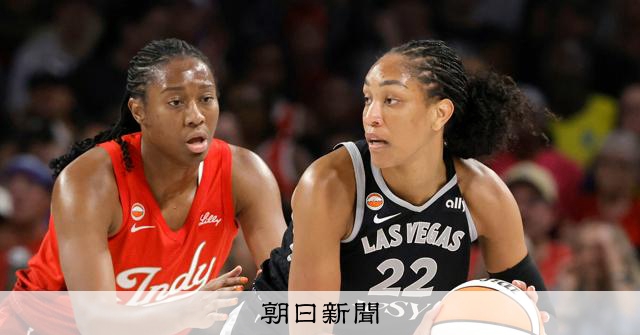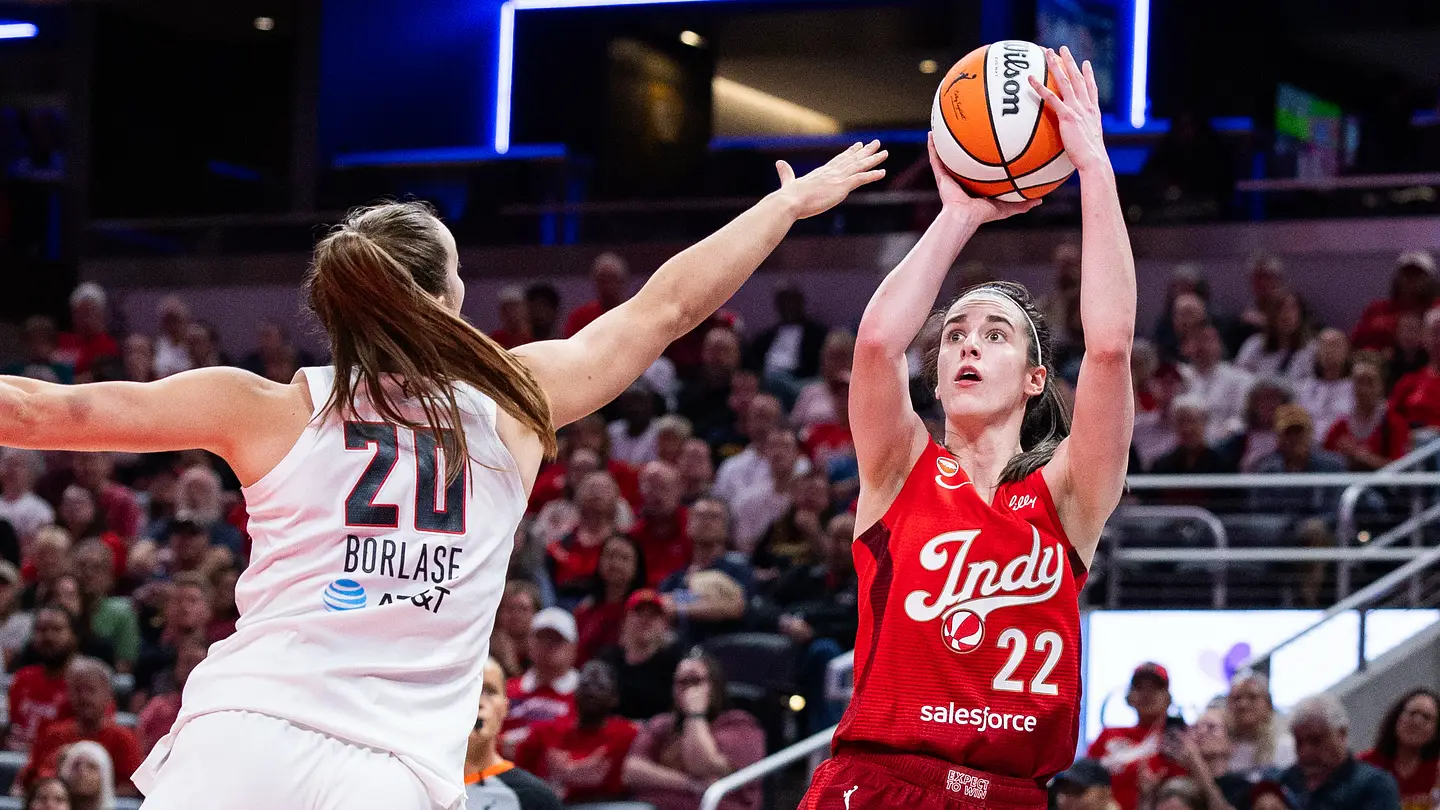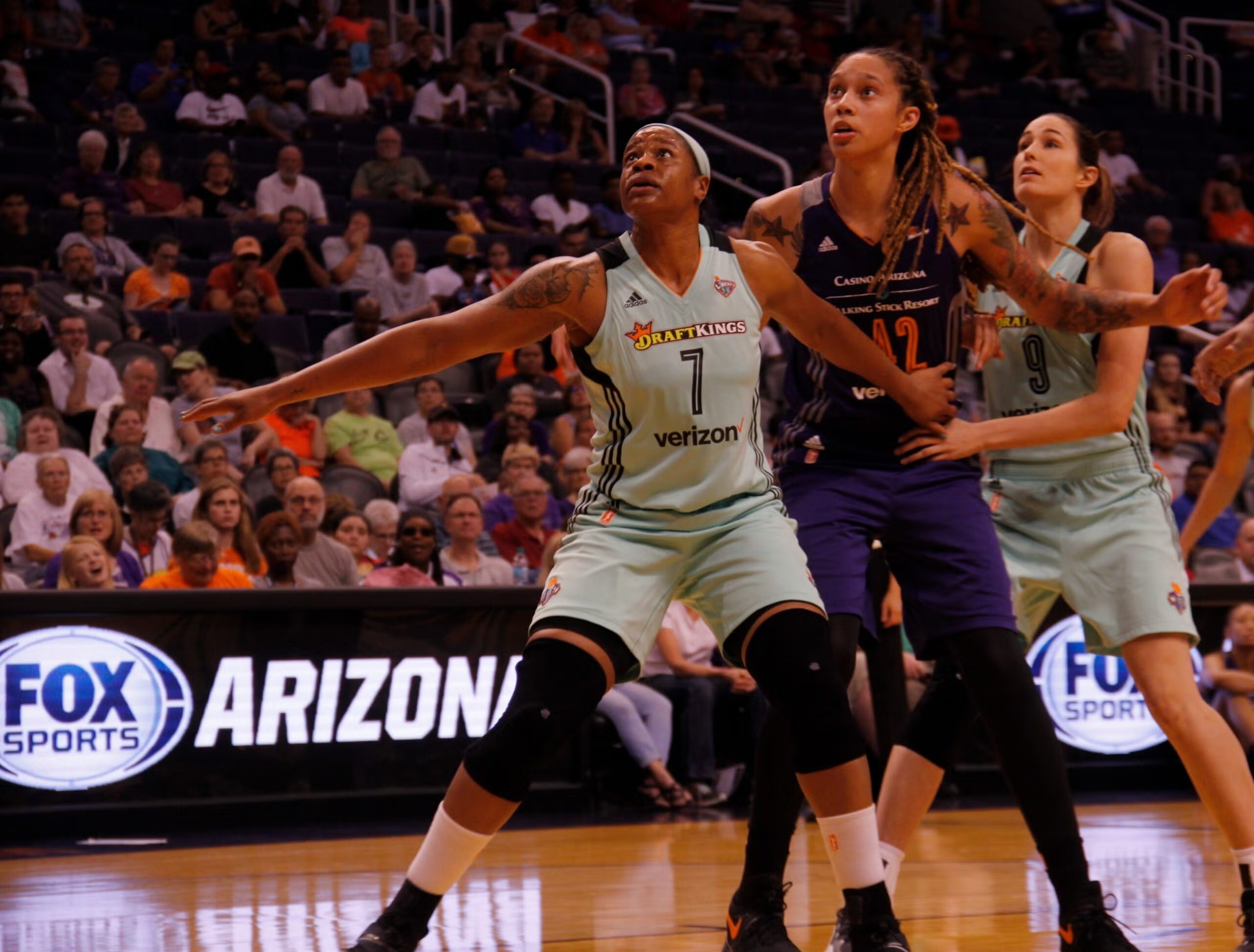
Women’s sports are a lot more popular than they used to be.
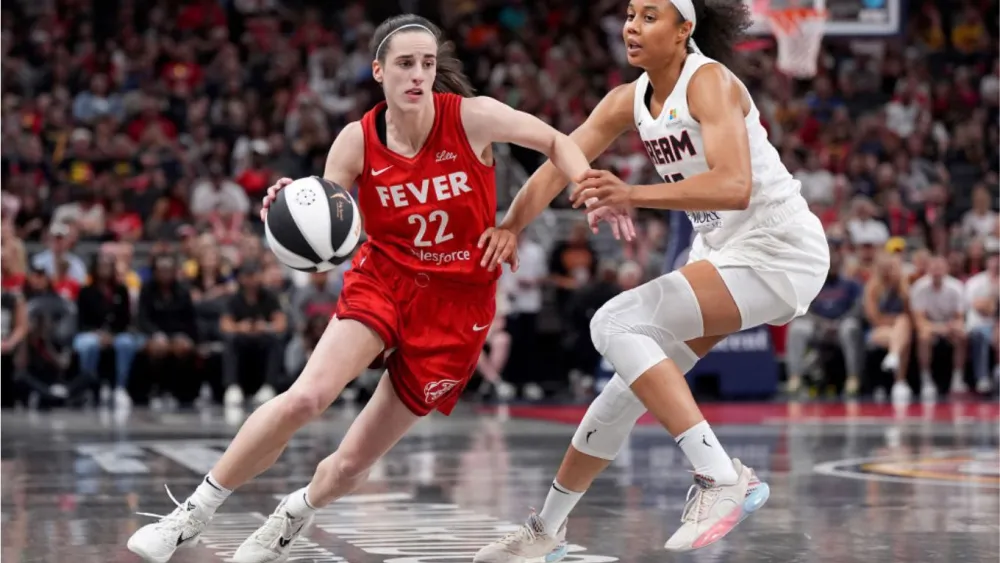
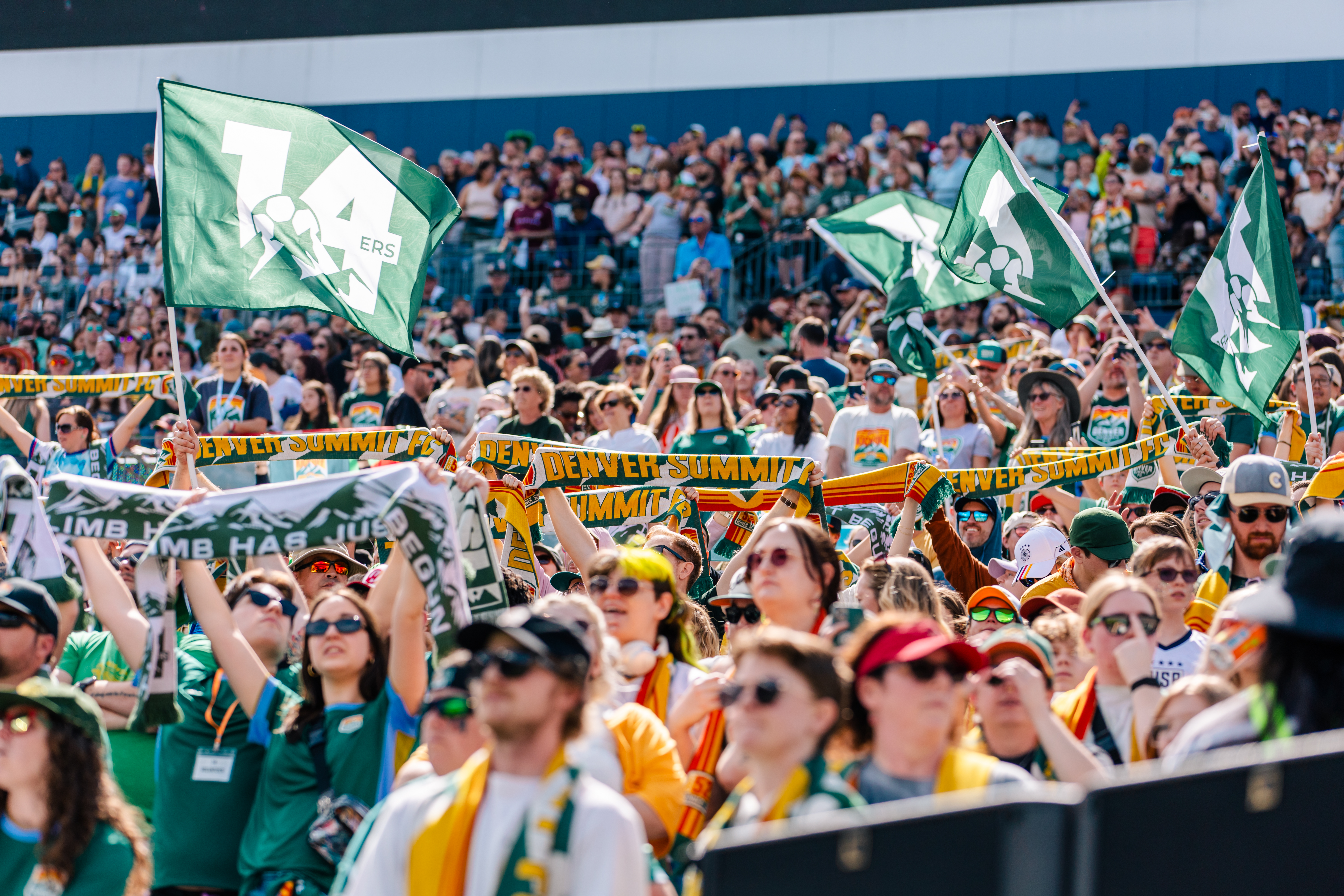
Last year, ESPN reported that the WNBA delivered its most-watched regular season in history. In 2023, the FIFA Women’s World Cup (which the US team won that year, by the way) routinely broke domestic viewership records despite games taking place overnight in most US time zones. And, in 2021, the US Open Women’s Championship scored higher ratings than the Men’s Championship.
As audiences grow, advertiser interest naturally follows.
But there’s a paradox at play. One of the reasons demand is so high is because inventory remains scarce, because women’s sports still gets way less mainstream media exposure. A 2023 report by The Team (formerly Wasserman) found that women’s sports only made up 15% of media sports coverage between 2018 and 2022. Prior to that period, research from USC and Purdue suggested that female athletes only got 5% of coverage.
“Women’s sports still suffers from a lack of pre-game, halftime and post-game coverage, which are standard in the men’s space,” said Laura Correnti, CEO of sports marketing agency Deep Blue. “When you start adding up all of those points of access and engagement, the limitation has created a lopsided environment.”