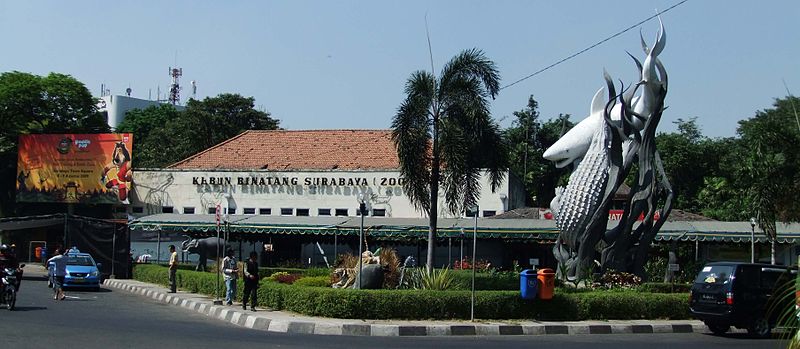
An alleged corruption case at Indonesia’s Surabaya Zoo has reignited concerns over governance at the country’s wildlife conservation institutions.Experts say the investigation highlights broader questions about transparency, accountability and how conservation facilities are monitored.They warn that failures in oversight can have far-reaching implications for both public trust and animal welfare.
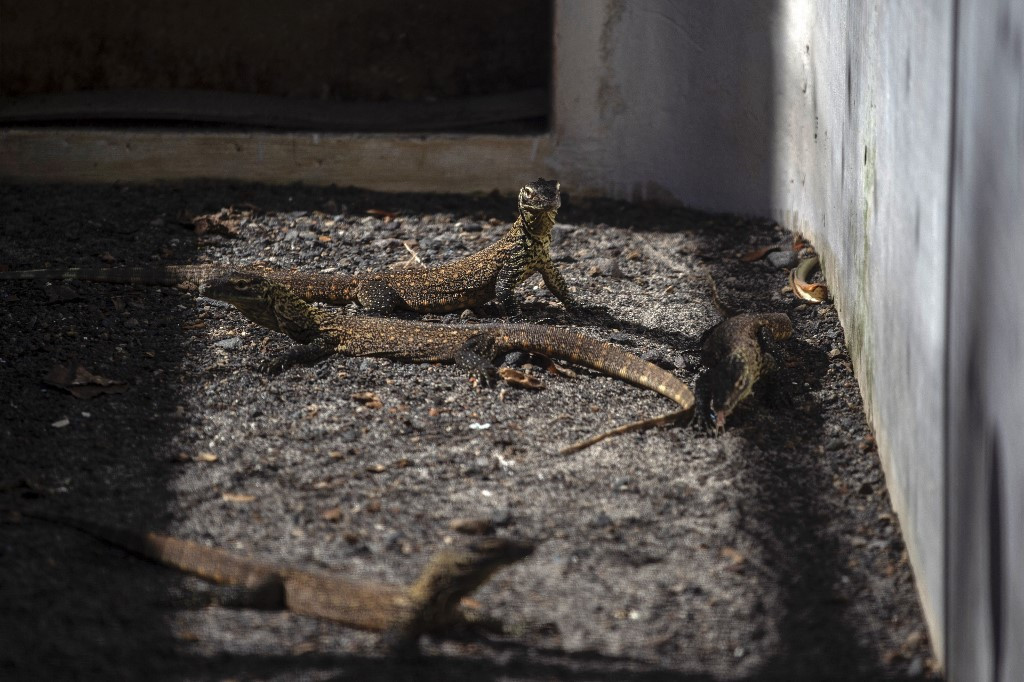
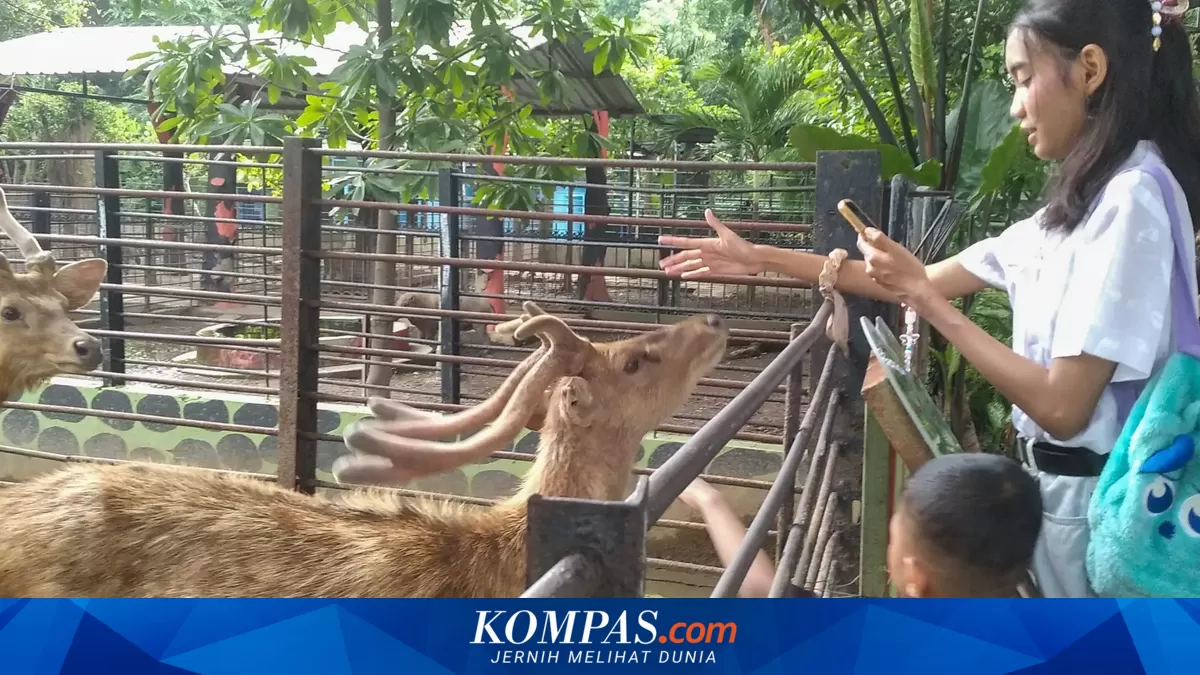
An alleged corruption case at Indonesia’s Surabaya Zoo has renewed scrutiny of how the country’s wildlife conservation institutions are governed and prompted experts to warn that financial misconduct can have consequences that extend beyond public finances to the welfare of animals entirely dependent on human care. The investigation has also reignited calls for stronger oversight and accountability to ensure conservation institutions protect both public resources and the wildlife entrusted to them.
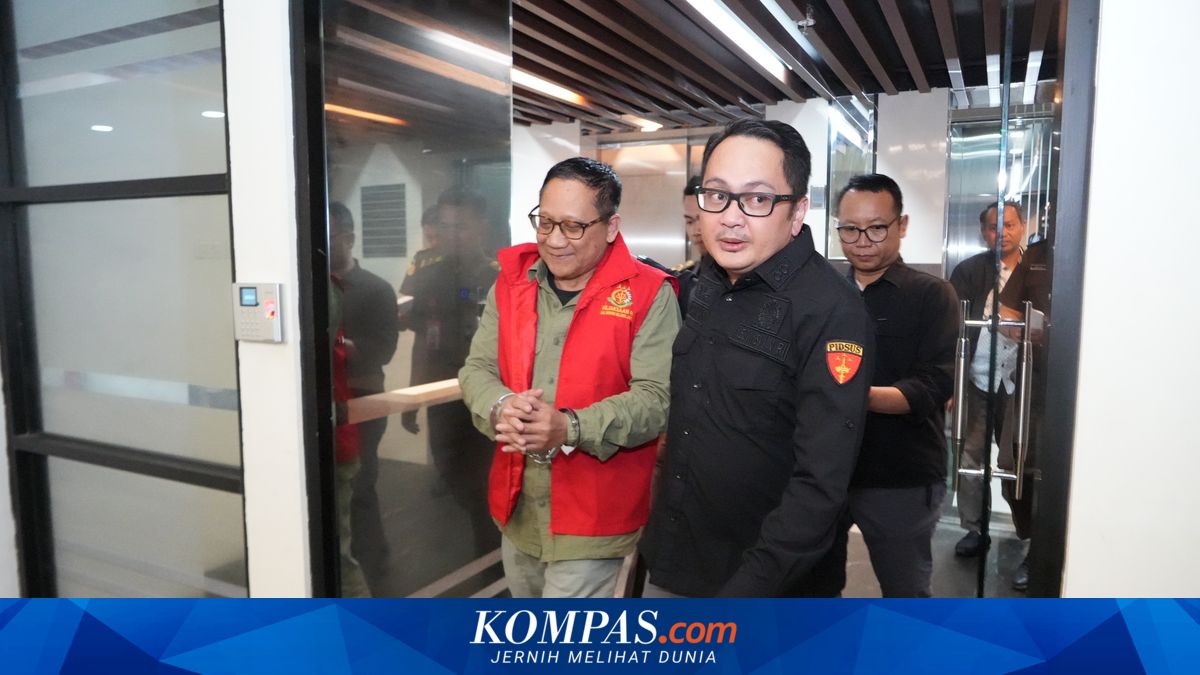
East Java prosecutors named Choirul Anwar a suspect on July 21, 2026, in connection with an alleged corruption case involving the operational budget of Surabaya Zoo between 2016 and 2024. Choirul was previously the president director of the Surabaya Zoo and Wildlife Park Regional Company.
A preliminary audit conducted jointly with the East Java representative office of the Financial and Development Supervisory Agency (BPKP) estimated state losses at 10.2 billion rupiah ($564,000), of which approximately 7.4 billion rupiah ($409,000) was allegedly diverted for the suspect’s personal benefit.