Academia
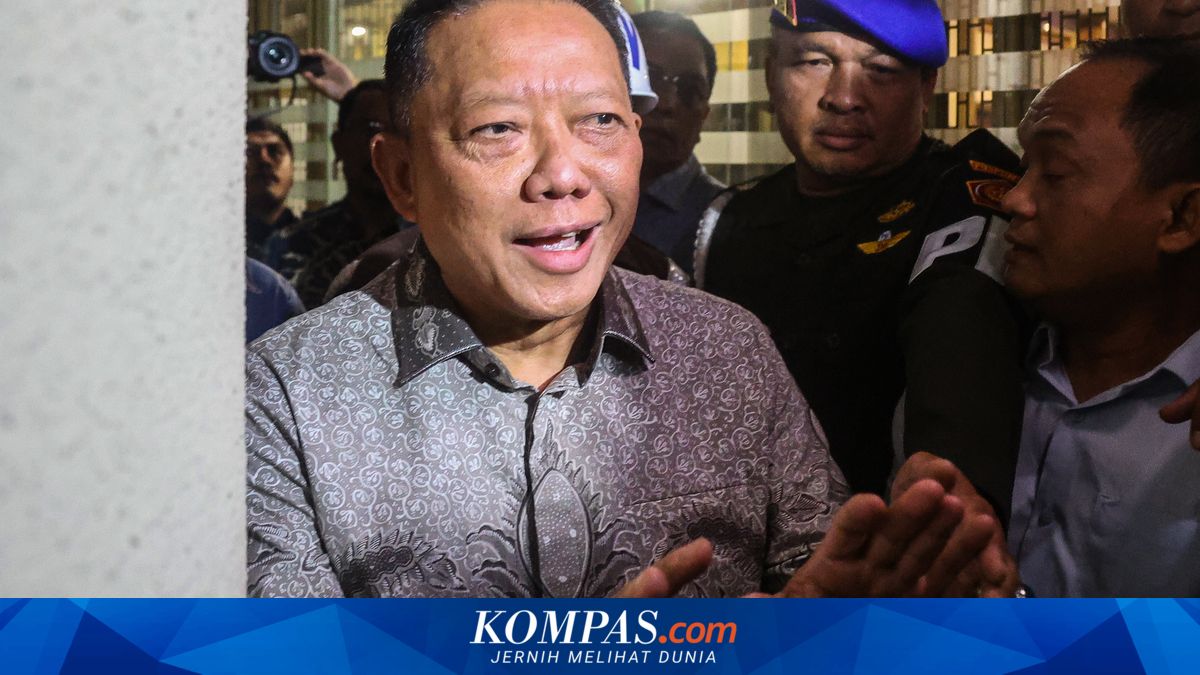
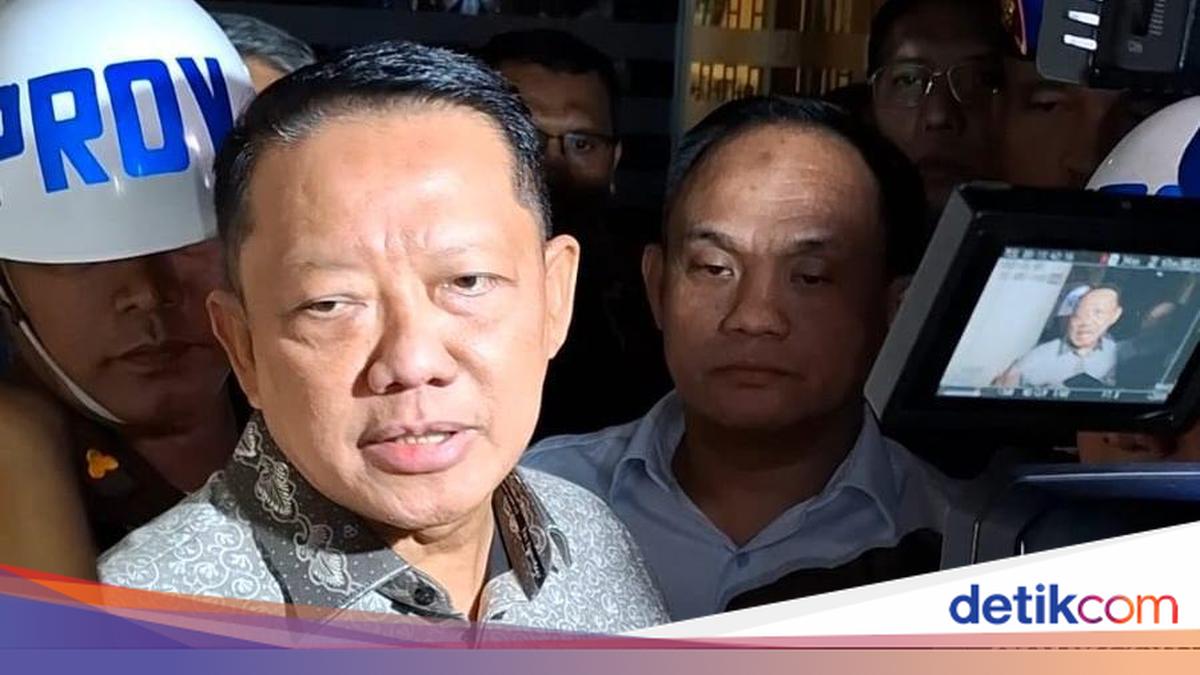
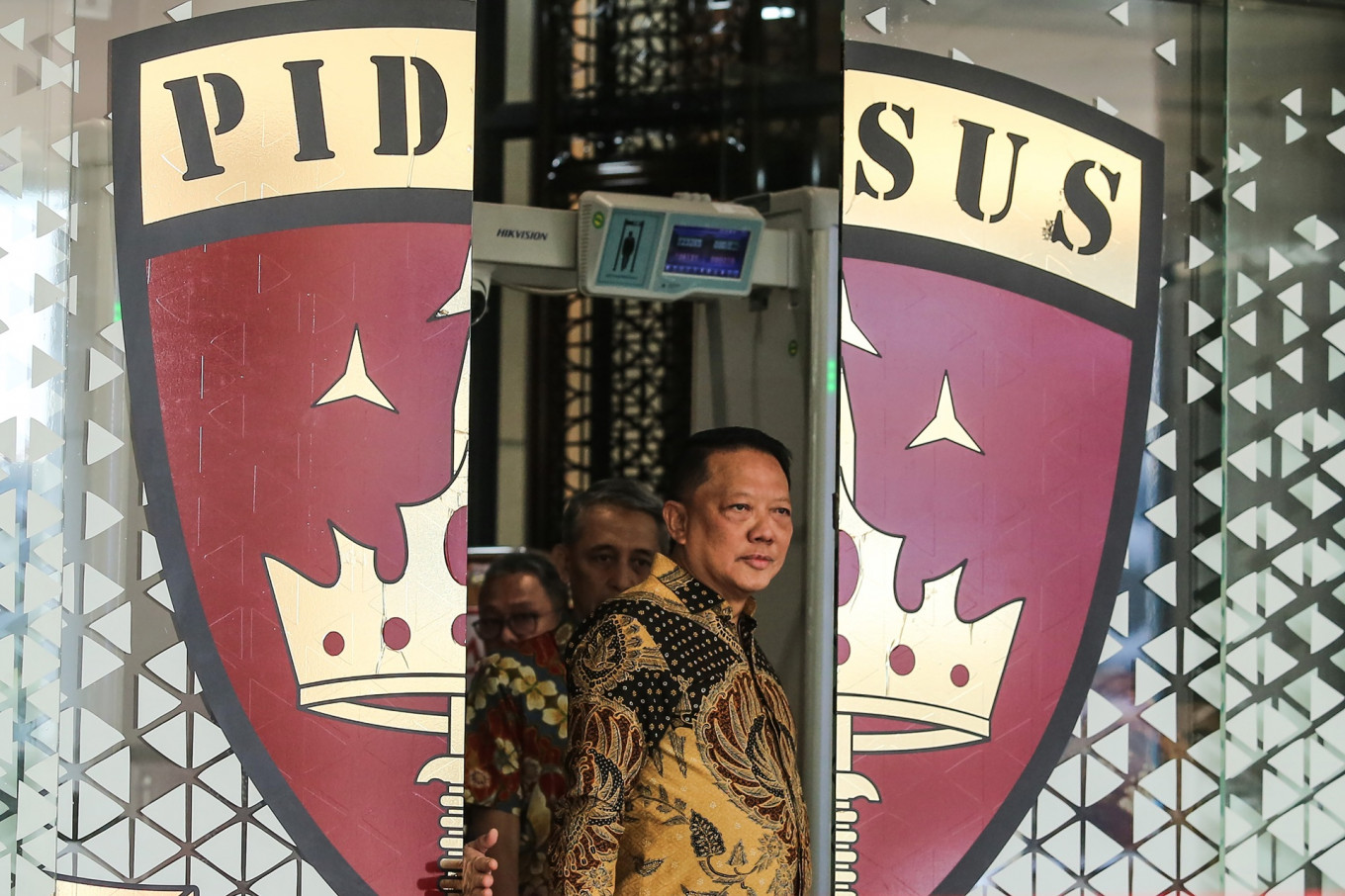
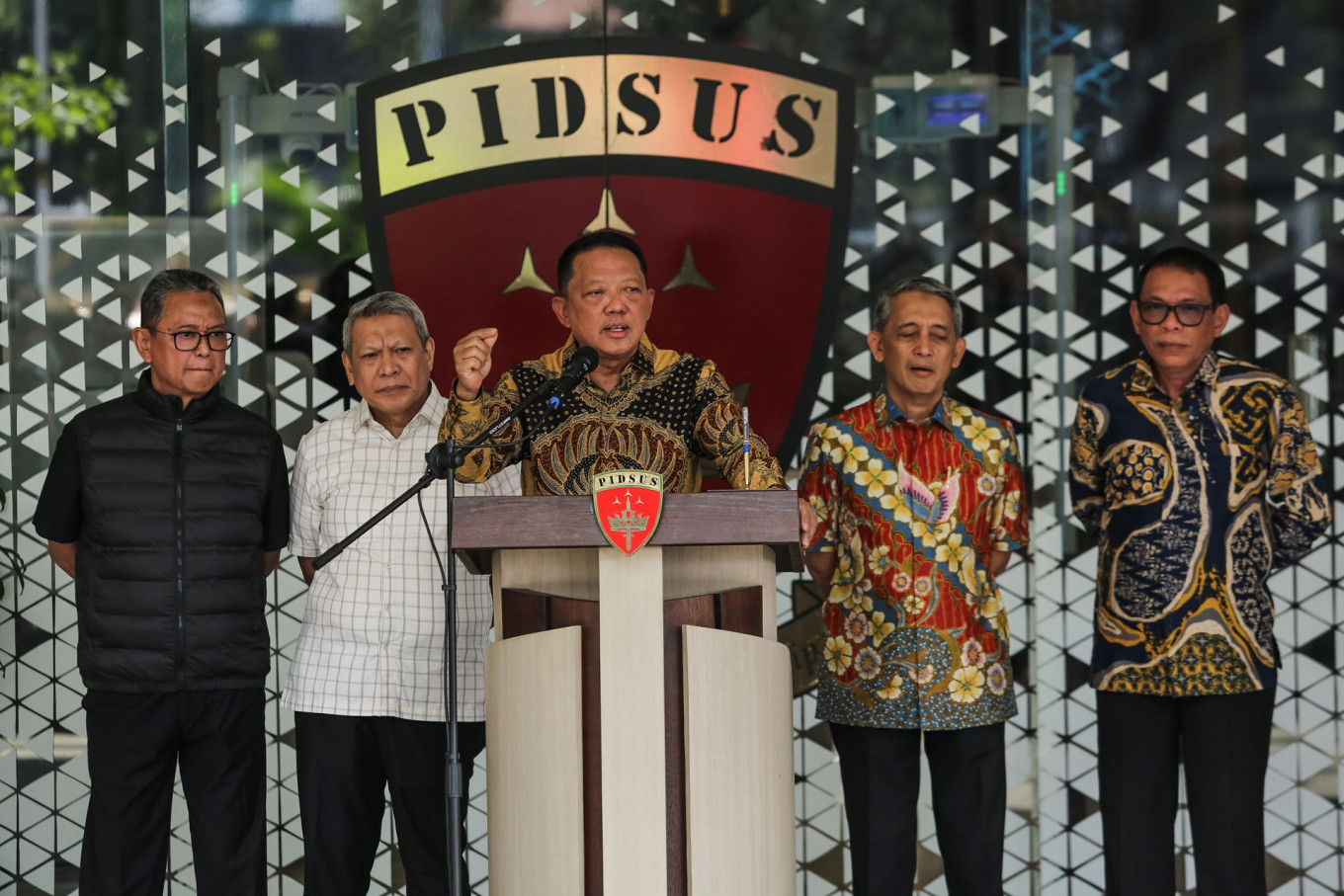
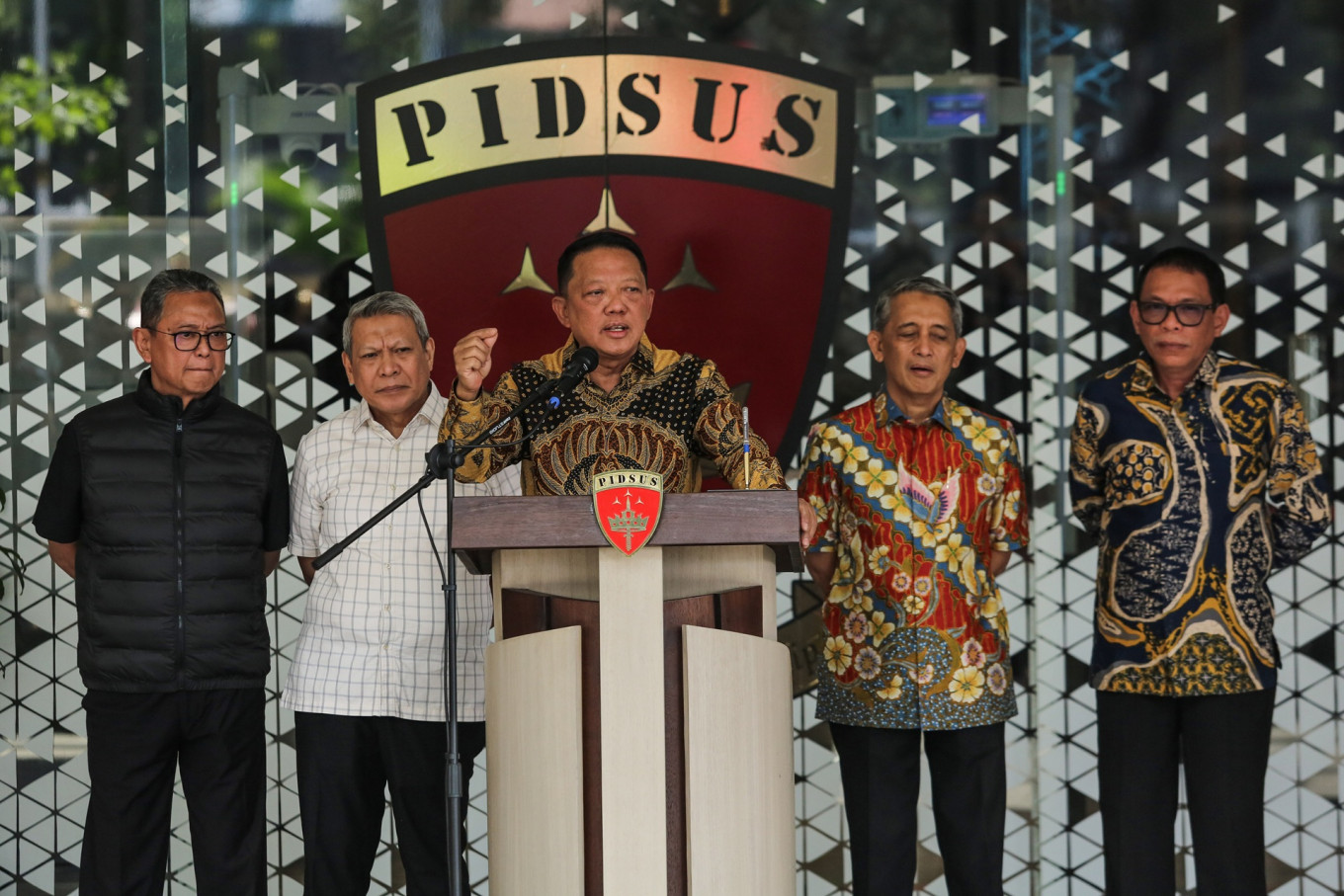
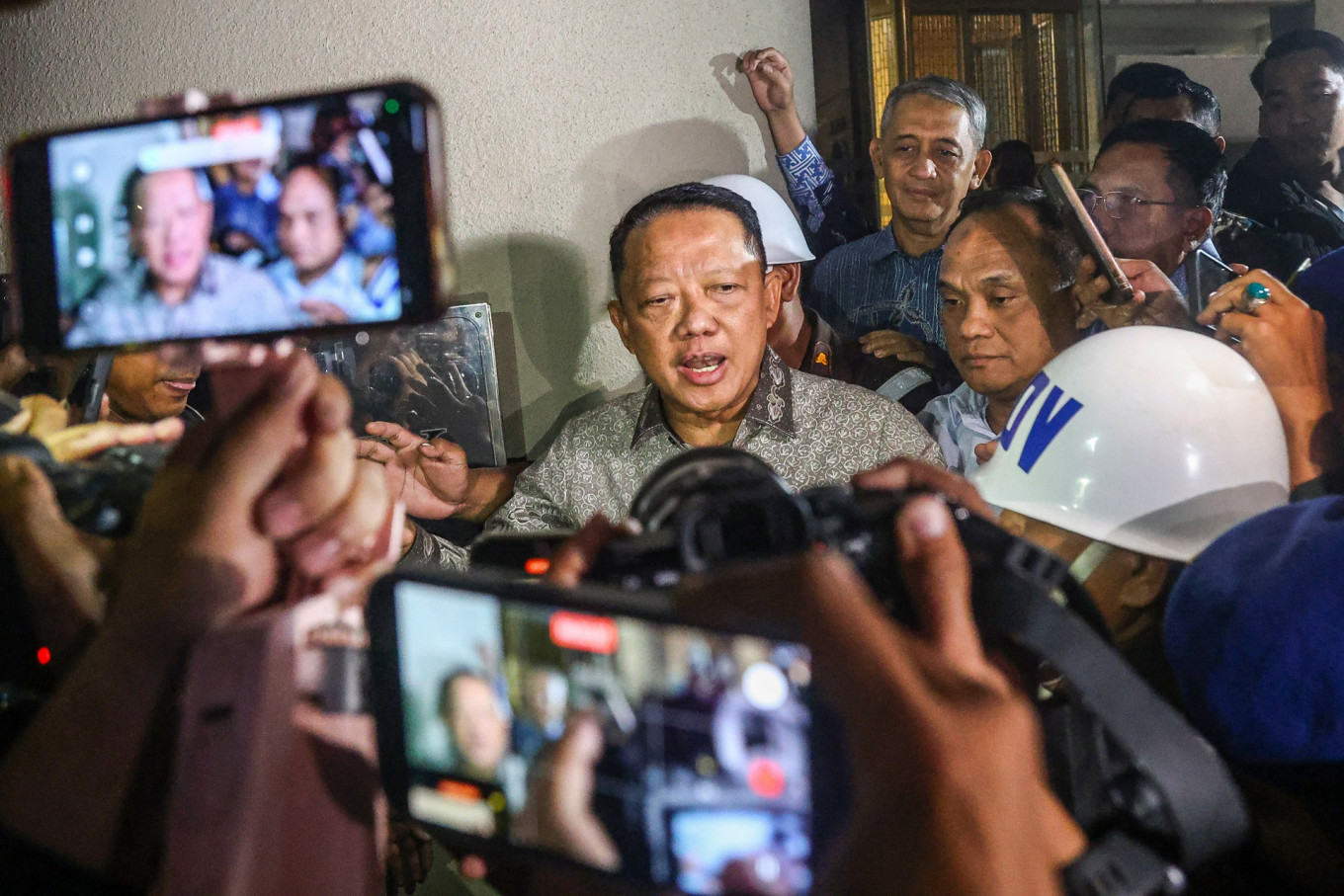
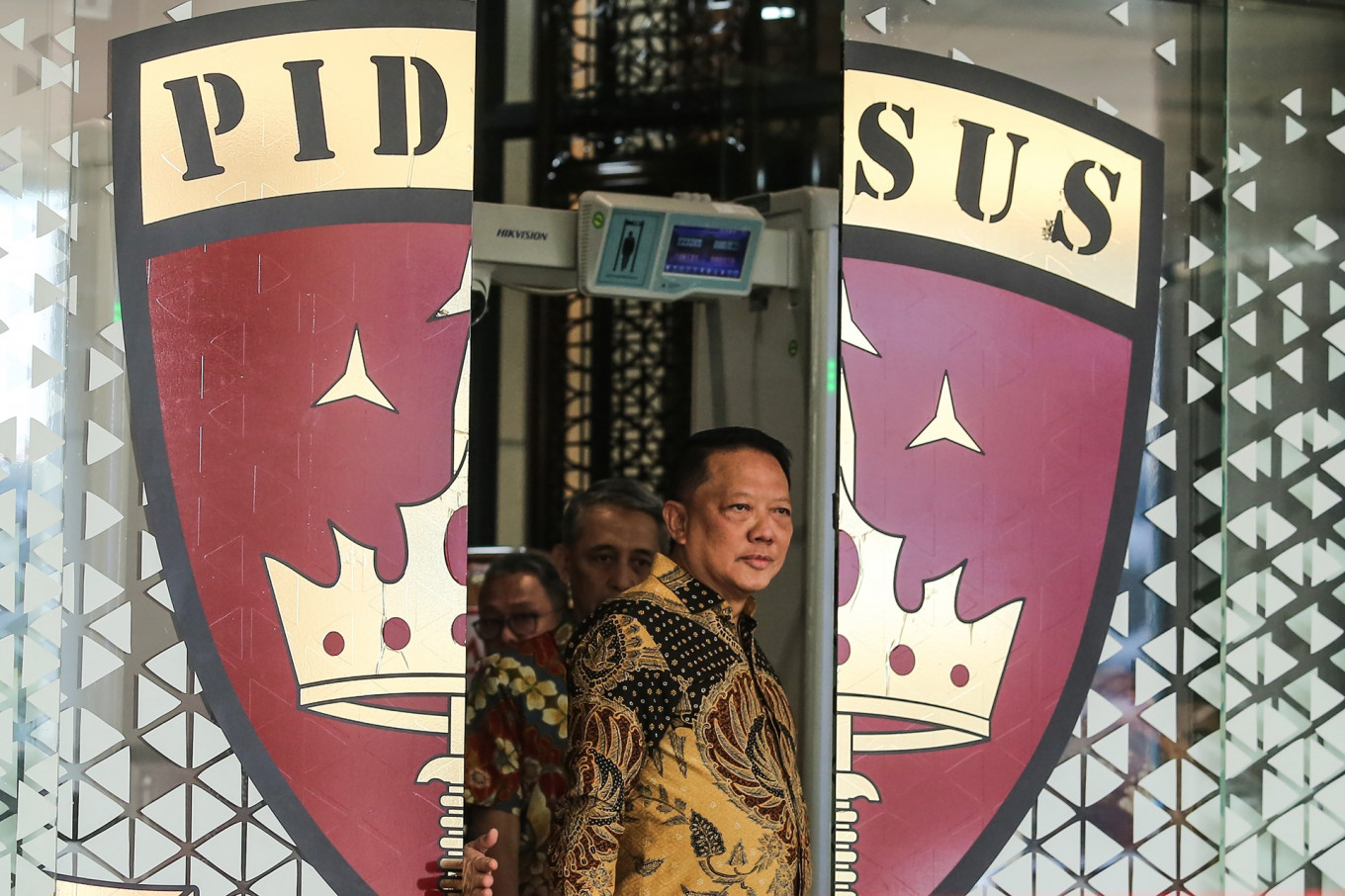
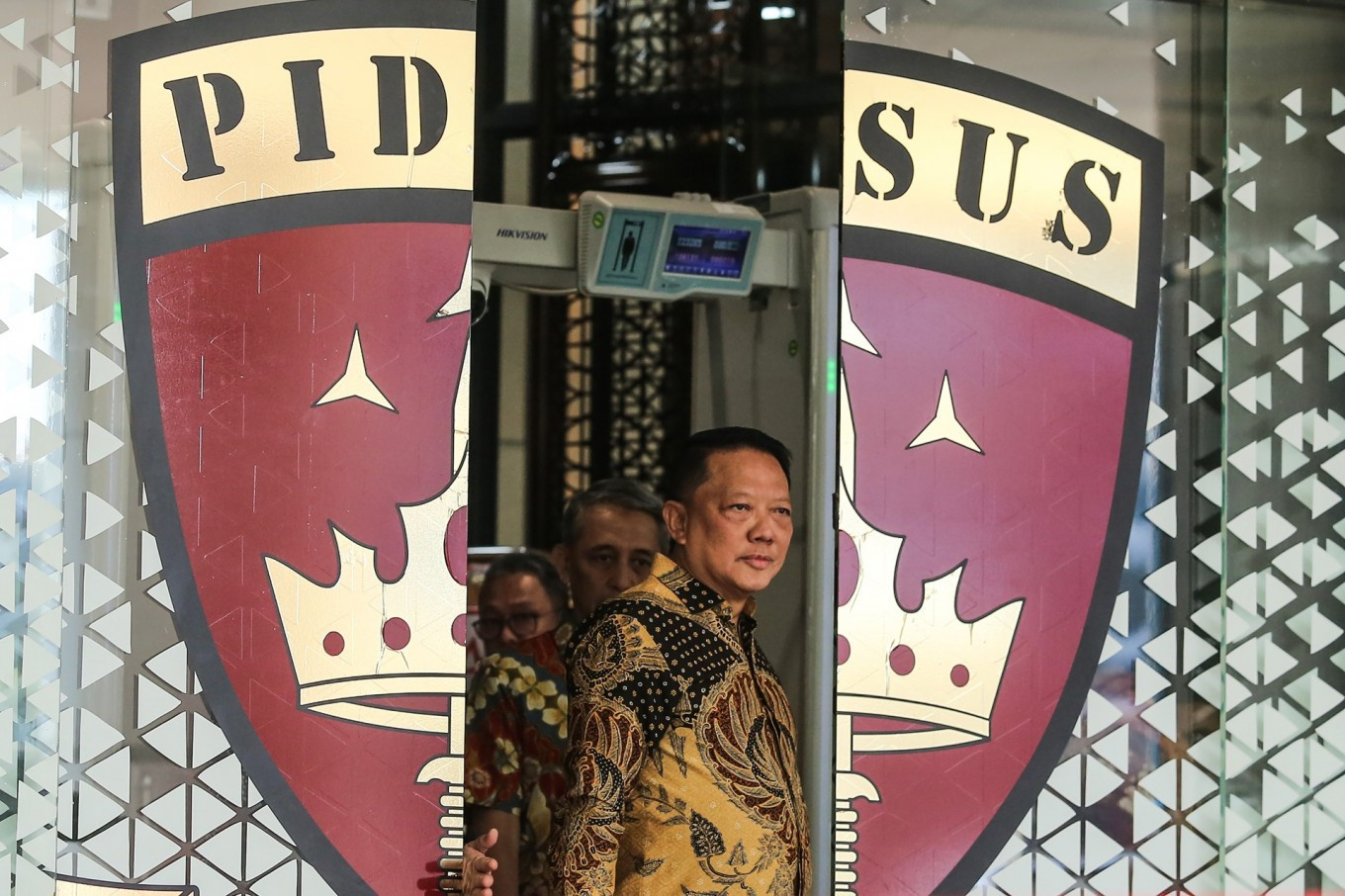
Assistant Attorney General for Special Crimes (Jampidsus) Febrie Adriansyah walks out of the Attorney General's Office (AGO) special crimes division building in South Jakarta ahead of a press briefing on July 10, 2026. Febrie denied allegations of his involvement in a corruption case pertaining to the coal supply to PLN. (Antara/Asprilla Dwi Adha)
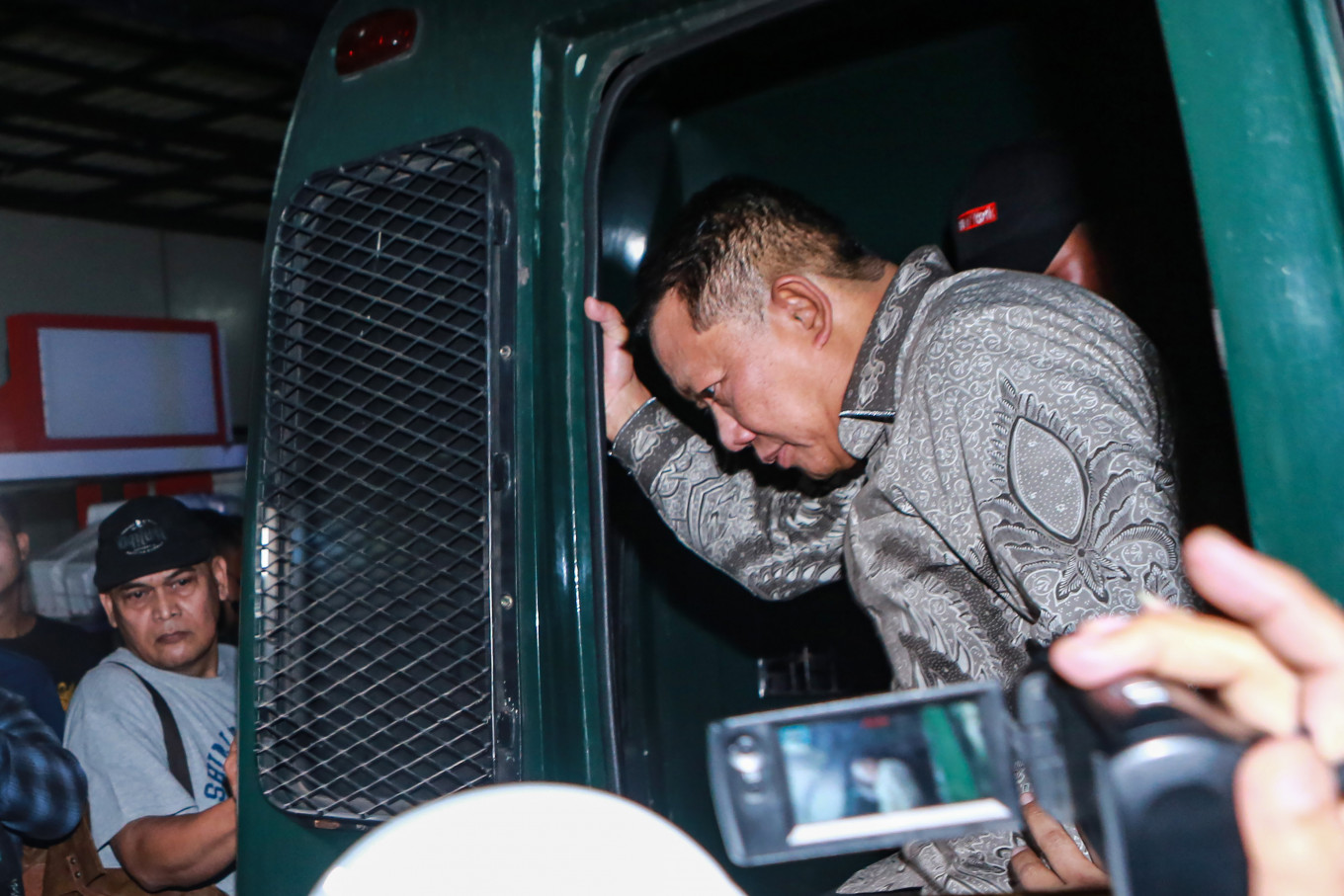
Public concern continues to mount over the handling of the high-profile graft case involving Febrie Adriansyah, the former assistant attorney general for special crimes (Jampidsus). The National Police's Corruption Eradication Corps (Kortastipidkor) has declared Febrie a suspect and subsequently handed over the case files to the Attorney General's Office (AGO), but he has not been detained. The prosecution’s foot-dragging has fueled suspicion about horse trading among the elite rather than a steadfast commitment to eliminating corruption.On July 22, members of the Network of National Legal Intellectuals (JIHN) protested at the gates of the AGO compound, demanding Febrie’s immediate arrest and detention. Their outcry mirrors concerns raised by the public, which are questioning fundamental aspects of managing Febrie’s case.
In a similar vein, the Women Against Criminalization Group (Kelopak), a forum comprising the wives of graft defendants and convicts, has highlighted what it views as blatant double standards. Its members have pointed out that their husbands were swiftly detained at the onset of proceedings, long before a court had established their guilt. By contrast, Febrie has not been detained despite his official status as a suspect of a crime that carries potentially heavy punishment.