view more
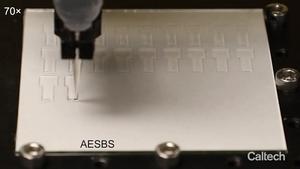
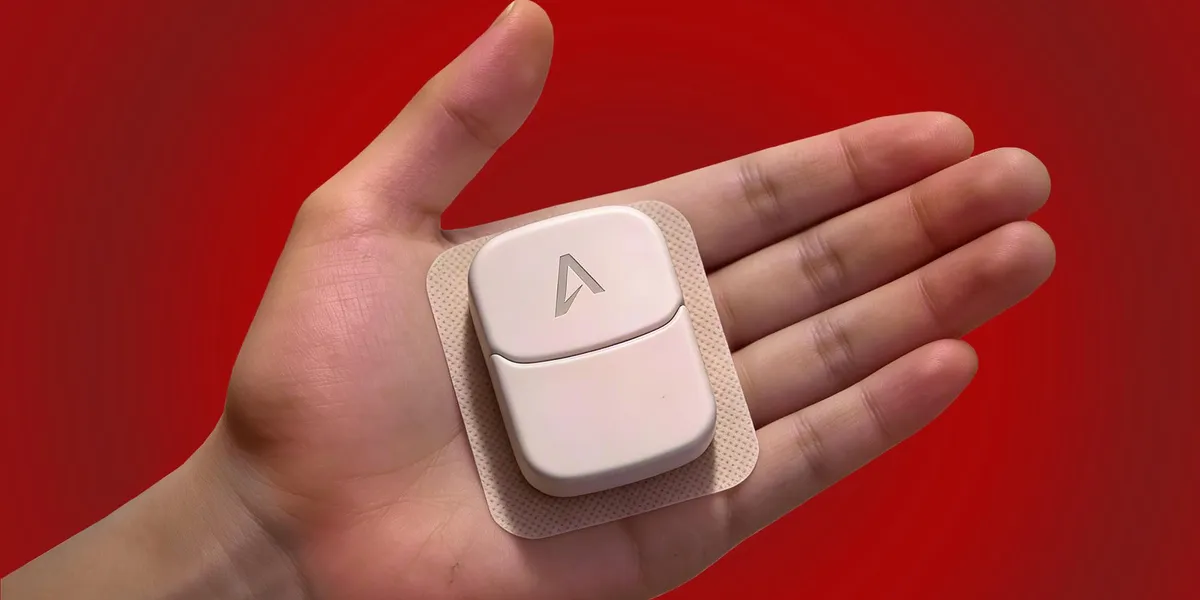
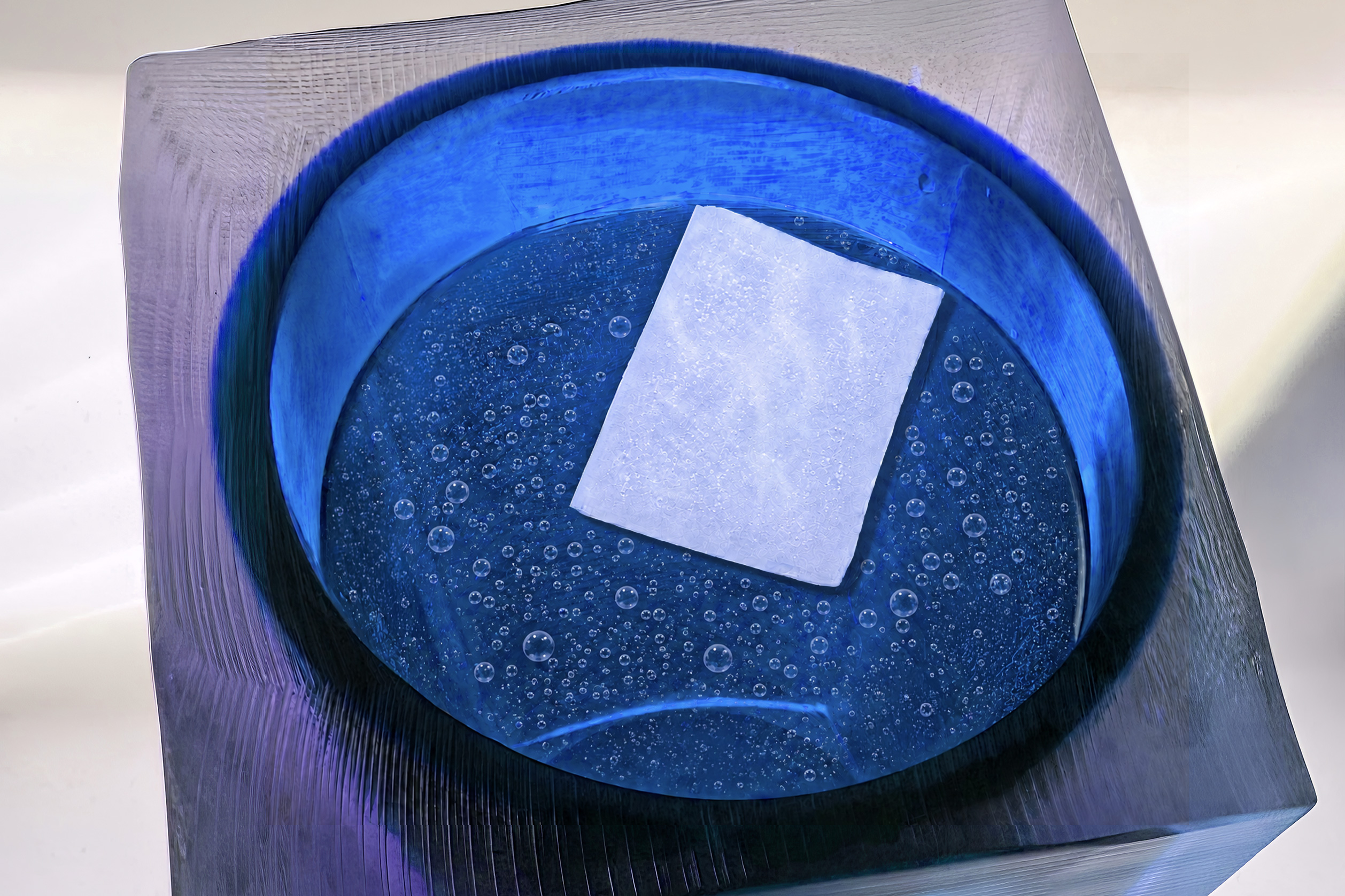
Biosensors have revolutionized home healthcare over the last two decades. Devices like wearable heart rate and blood glucose monitors are giving people with chronic health conditions the information and assurance they need to maintain an active lifestyle. But even the best sensors are limited by their ability to sustain skin contact through the rigors of physical activity. Researchers from Drexel University and Penn State University took on the challenge of improving the hydrogel material used in biosensors. And, in recently published research, they reported a new formula for making the gelatinous substrate that is versatile, durable and adhesive enough to make a stronger connection.
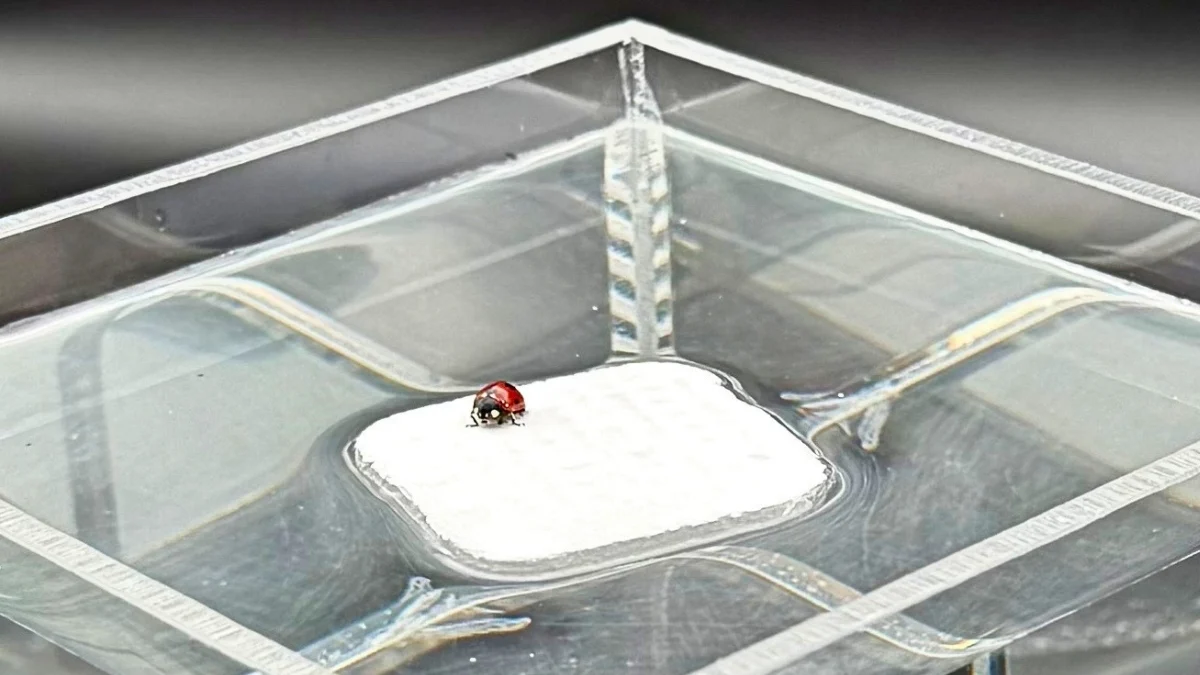
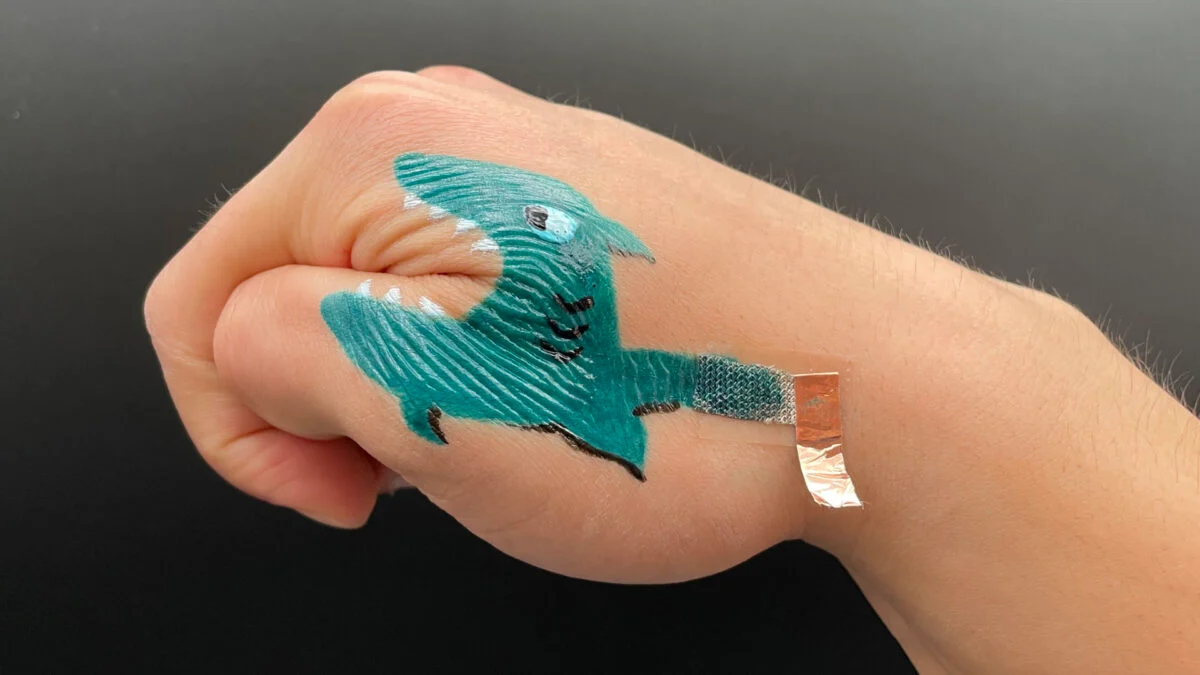
According to the researchers, in addition to regular movement, like flexing or stretching, surface obstructions, such as moisture, grease or hair are the biggest impediments to biosensors remaining affixed to the body and picking up the biological signals they’re designed to detect. Reported in the journal Science Advances, their hydrogel is formulated to adhere to skin through hair and sweat and keep its hold through physical activity.
“The ultimate goal of a biosensor is to be so reliable and comfortable that the wearer can go about their life without constantly noticing it’s there,” said Abu Musa Abdullah, PhD, a post-doctoral researcher of mechanical engineering and mechanics in Drexel’s Nick Howley College of Engineering and Computing, who was one of the leaders of the research. “Taking this into consideration, we devised a formula for a hydrogel that can be printed in any shape or size and is adhesive enough to cling to skin even when its sweaty or hairy and durable enough to be reused.”