Home
Storia in 1 fonti
Soft, sticky, stretchable biosensors make a better connection
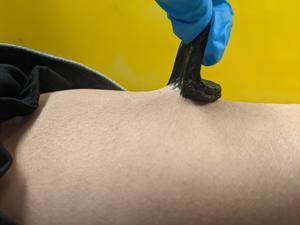
Biosensors have revolutionized home healthcare over the last two decades. Devices like wearable heart rate and blood glucose monitors are giving people with chronic health conditions the information and assurance they need to maintain an active lifestyle. But even the best sensors are limited by their ability to sustain skin contact through the rigors of physical activity. Researchers from Drexel University and Penn State University took on the challenge of improving the hydrogel material used in biosensors. And, in recently published research, they reported a new formula for making the gelatinous substrate that is versatile, durable and adhesive enough to make a stronger connection.
Raccontata da eurekalert.org