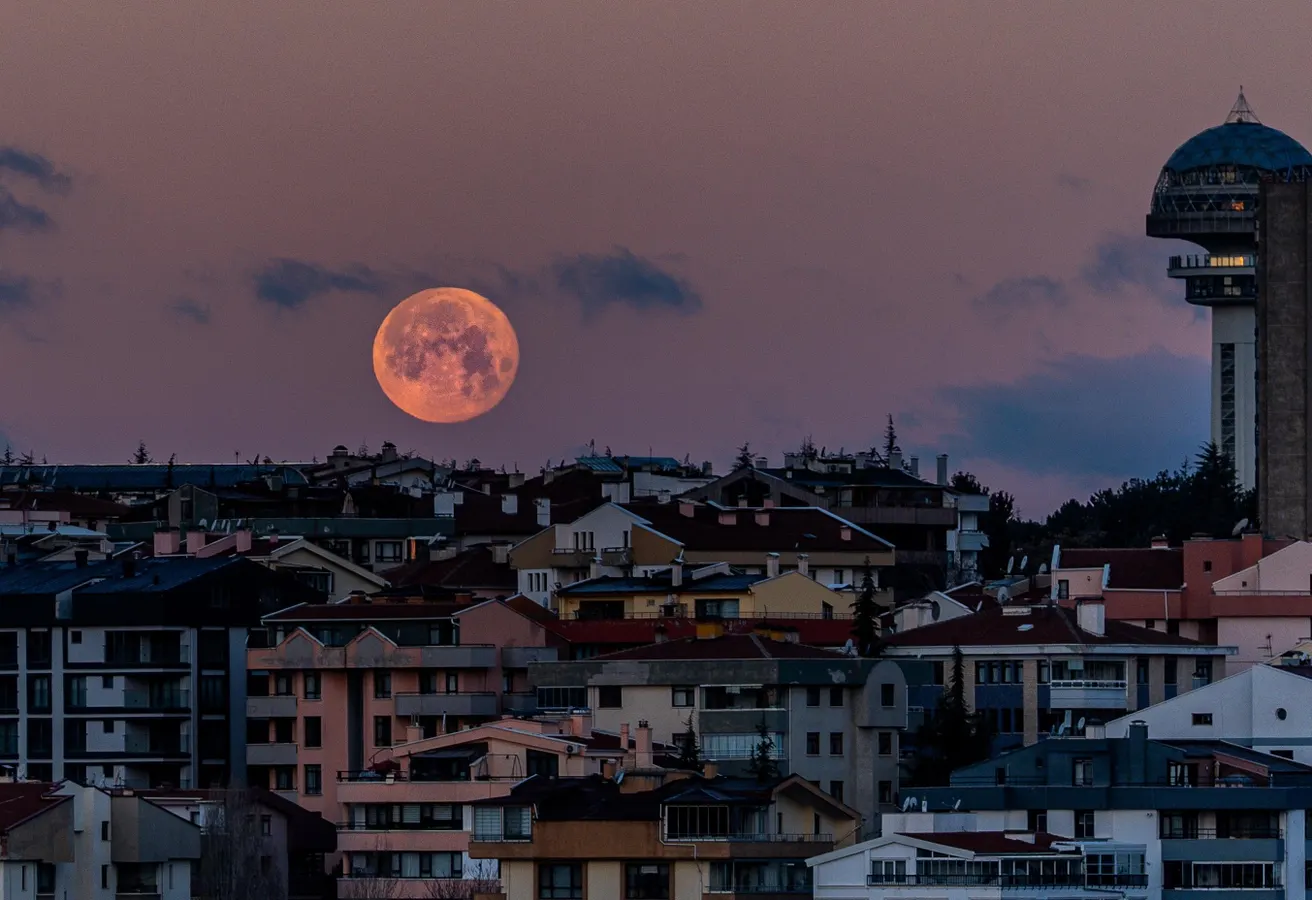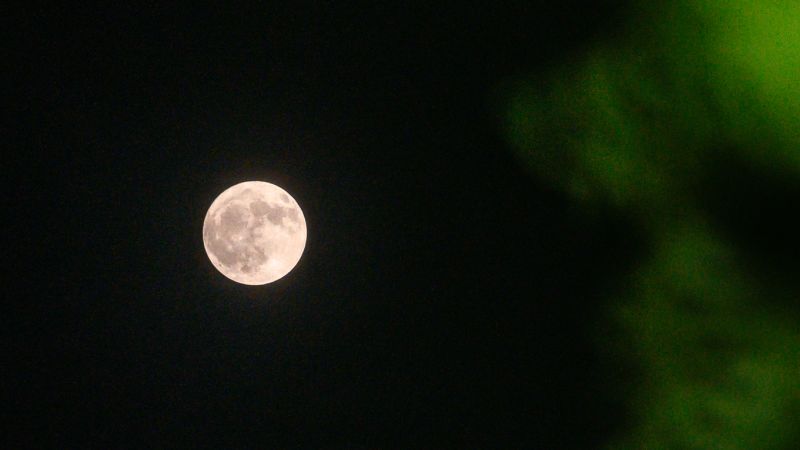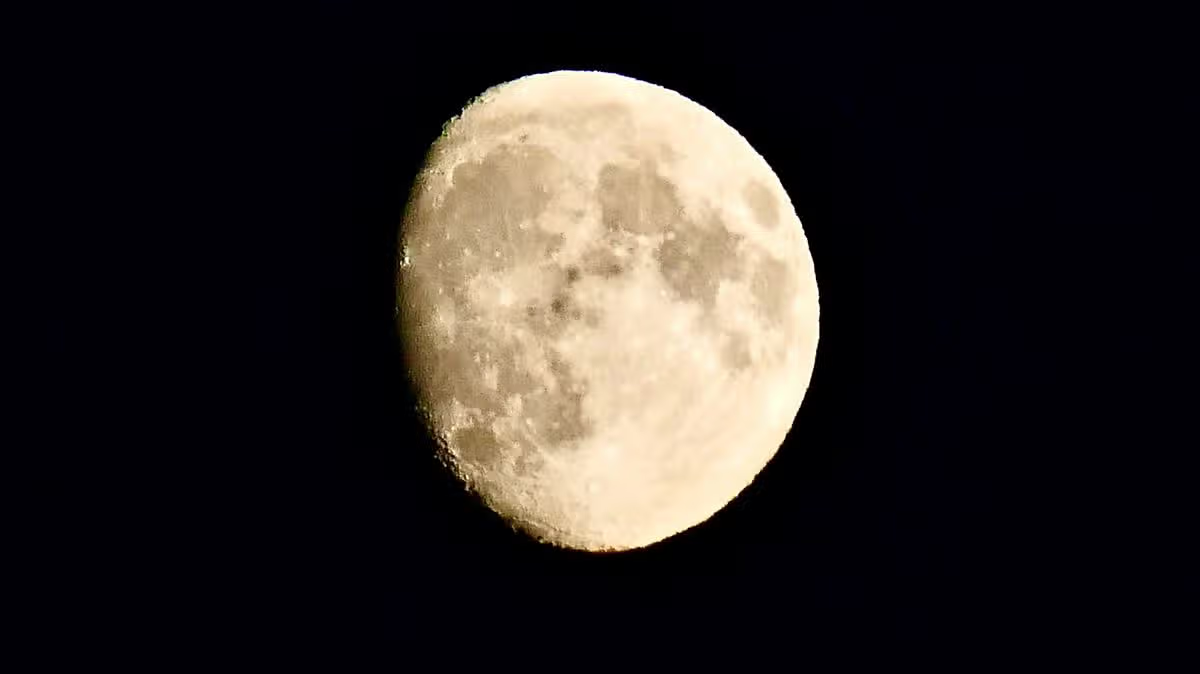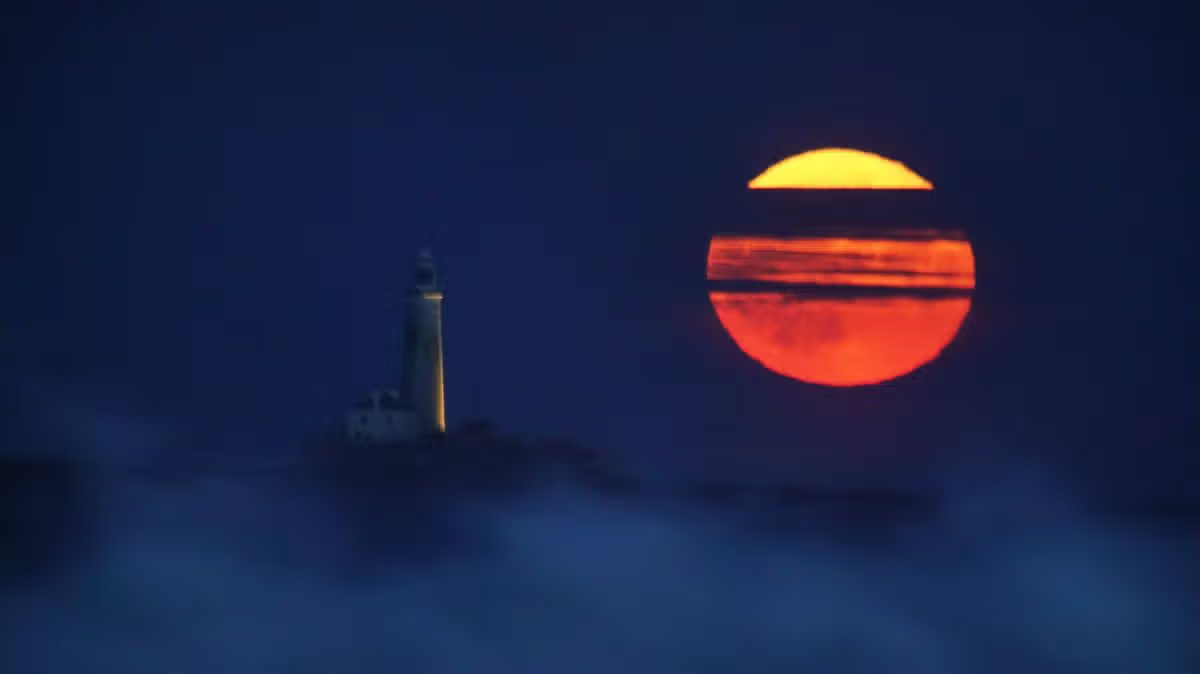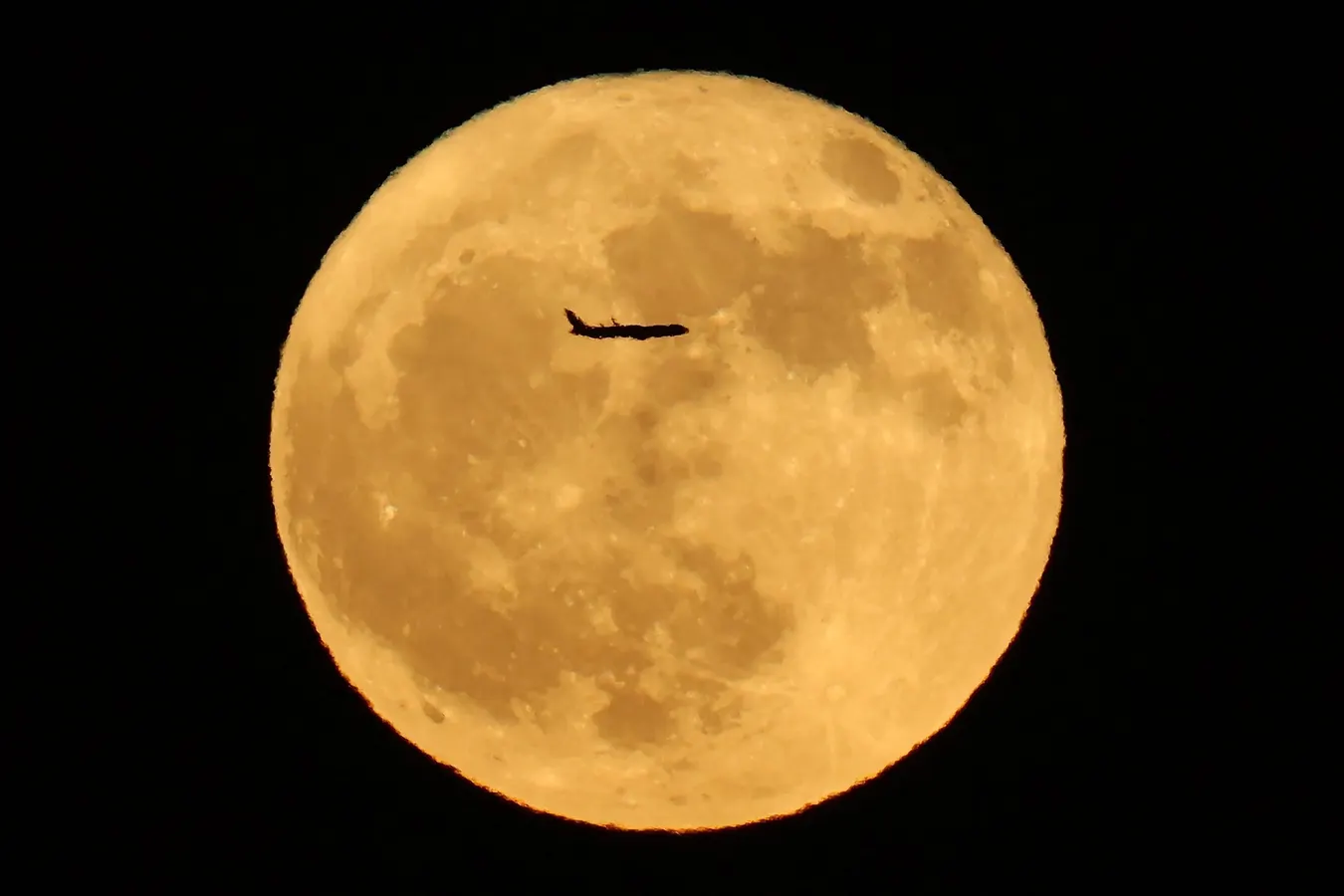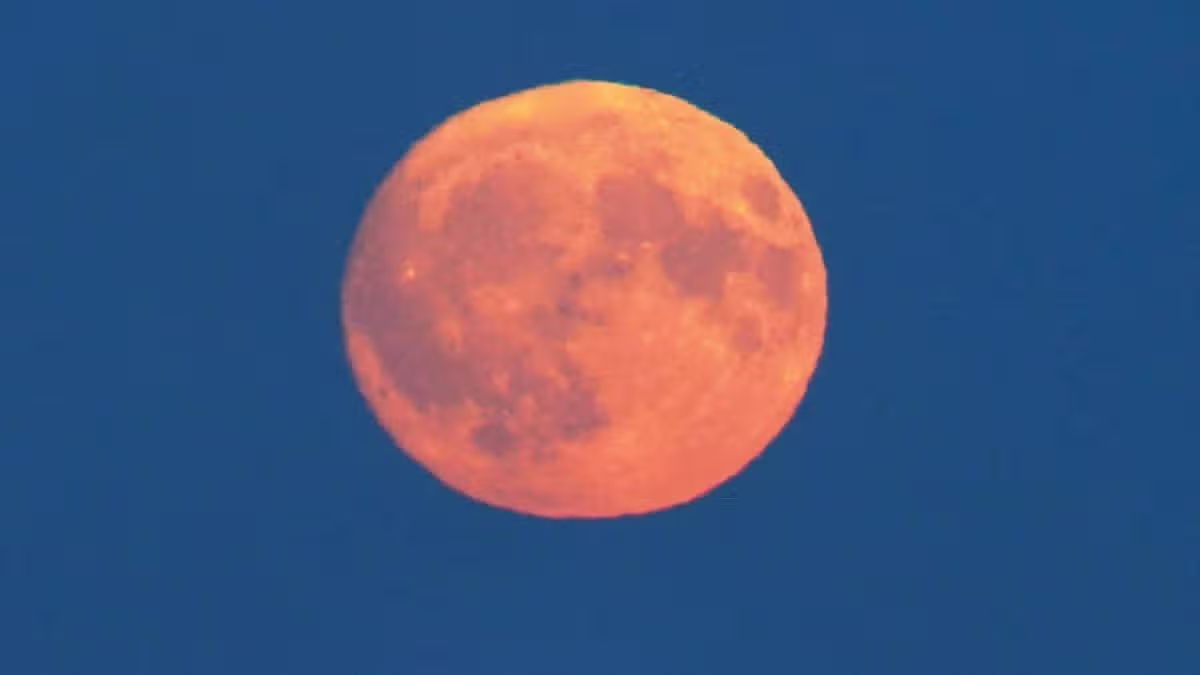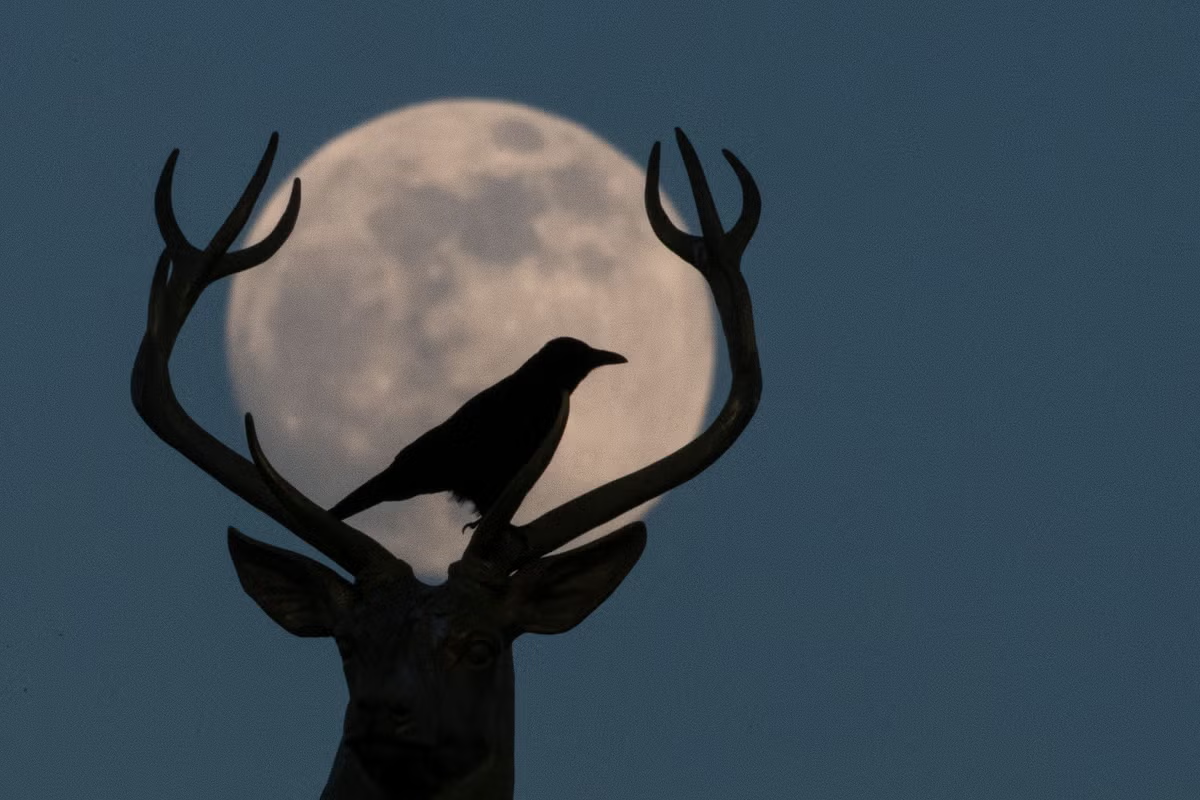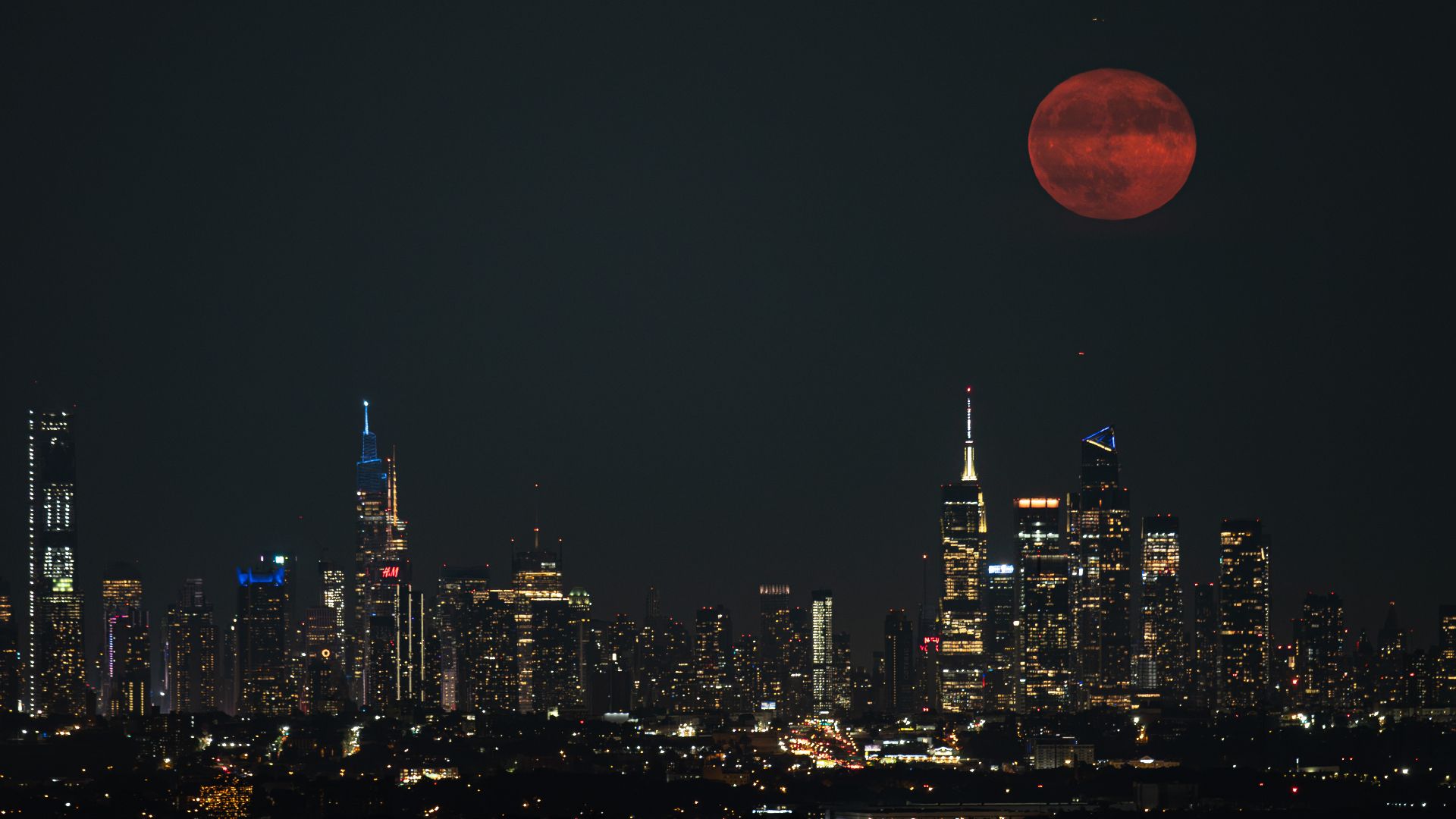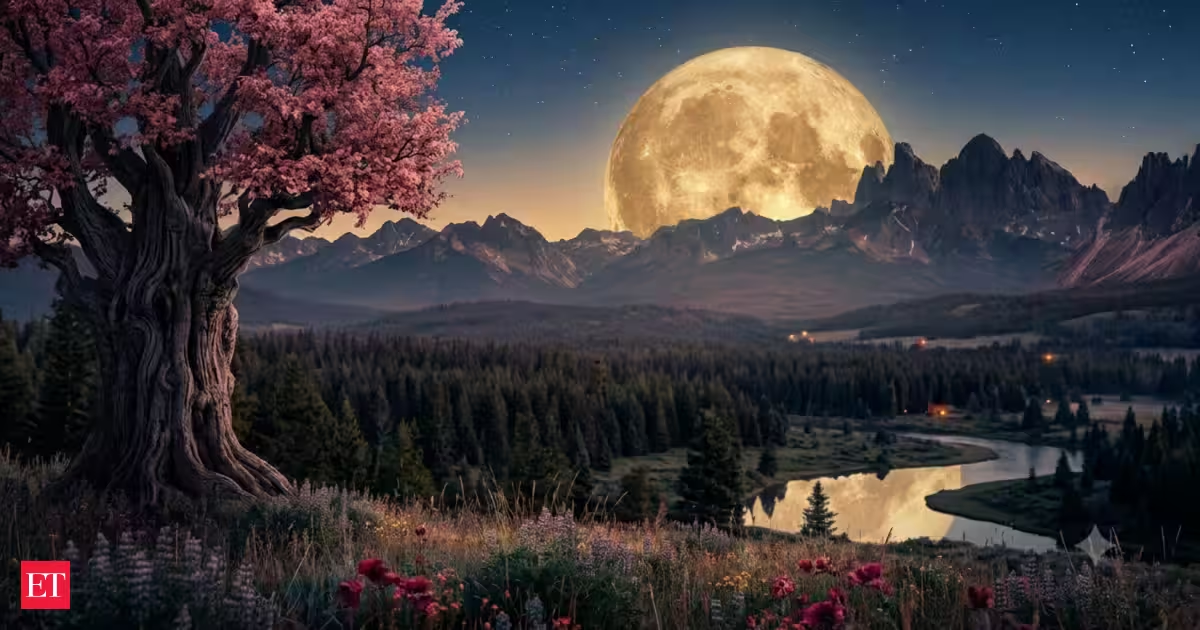
Skywatchers across the United States are preparing for a spectacular celestial event as the Buck Moon 2026 lights up the summer sky on July 29. While the full moon will officially reach peak illumination in the morning, astronomy enthusiasts will still have excellent opportunities to observe and photograph the glowing lunar disk on the nights before and after the peak. However, weather conditions could determine who gets the best view, with some regions facing clouds, thunderstorms, and heavy rainfall around the event. According to current forecasts in a report by Starlust, parts of the Midwest, Northeast, and Southeast may experience less-than-ideal conditions, while several western and central states could offer clearer skies, perfect for moon photography. From desert landscapes to lakeside views and mountain backdrops, these locations may provide some of the most stunning settings to experience July’s full moon.When is the Buck Moon 2026?The July full moon, traditionally known as the Buck Moon, will reach peak illumination on:Date: Wednesday, July 29, 2026 Time: 10:36 a.m. EDTAlthough the moon reaches its brightest point during daylight hours, it will appear nearly full on the evenings before and after the peak. This means skywatchers can still enjoy excellent viewing opportunities on July 28, July 29 and July 30.You Might Also Like:The name “Buck Moon” comes from the time of year when male deer, known as bucks, begin growing their impressive antlers. The annual summer transformation of these animals inspired one of the most recognizable names for July’s full moon. Nevada: Dark skies and dramatic landscapesNevada’s desert regions are among the best places in the country for celestial photography, thanks to minimal artificial lighting. Valley of Fire State Park could offer breathtaking views of the full moon rising above red sandstone formations, while Death Valley National Park provides vast desert horizons perfect for capturing the moon against dramatic scenery.For photographers, these locations offer more than just a clear view, they provide a cinematic landscape to frame the July full moon.California: Desert skies create a perfect Buck Moon backdropCalifornia could offer one of the best views of the Buck Moon 2026, especially in areas known for dark skies and dramatic landscapes.Joshua Tree National Park is a favorite destination for stargazers because of its low light pollution and unique desert scenery. The combination of the glowing moon, rocky landscapes and desert silhouettes could create unforgettable photographs.Another excellent option is Anza-Borrego Desert State Park, where wide-open skies and natural desert formations provide an ideal setting for moon photography.Illinois: Nature-filled settings for moon photographyIllinois residents looking for a peaceful full moon experience may find excellent viewing conditions in areas away from city lights.Beall Woods State Park offers tall trees and natural surroundings that could add depth to Buck Moon photographs. Another option is Apple River Canyon State Park, where limestone bluffs and scenic landscapes create unique compositions for photographers.Oregon: Mountains, deserts and wide-open skiesOregon’s diverse landscapes make it another strong contender for the best view of Buck Moon 2026. Columbia River Gorge National Scenic Area offers dramatic views with rivers, cliffs and mountain scenery.Meanwhile, the wide-open plains of the Alvord Desert provide a nearly uninterrupted horizon, making it an excellent location for panoramic moon images.Indiana: Lakeside reflections and forest viewsWhile much of the country may experience unpredictable summer weather, Indiana could provide some beautiful moon-viewing opportunities. Indiana Dunes National Park may be a great choice for photographers hoping to capture the moon reflected over Lake Michigan.For a different perspective, Brown County State Park offers forest landscapes where the Buck Moon could appear above tree-covered hills.Other celestial events happening around the Buck MoonThe July full moon arrives during an active period for skywatchers. Three meteor showers will also be visible around this time:Southern Delta AquariidsAlpha CapricornidsPerseidsThe Southern Delta Aquariids and Alpha Capricornids will reach peak activity shortly after the full moon. However, the brightness of the Buck Moon may make it harder to spot weaker meteors.The famous Perseids meteor shower will peak later in August and should provide better viewing conditions because it will occur closer to the new moon, when skies are darker.How to get the best view of the July full moonFor the best Buck Moon viewing experience:Check local weather forecasts before heading outside.Find a location away from city lights.Bring a blanket, chair or sleeping bag for comfortable viewing.Dress according to nighttime temperatures.Use insect protection if spending time outdoors.Arrive early to choose a good viewing spot.The Buck Moon 2026 offers more than just a bright full moon, it is an opportunity to experience one of summer’s most beautiful astronomical moments. Whether viewed from a desert, forest, lake or mountain landscape, this July full moon promises to be a memorable sight for skywatchers across the country.FAQsWhen will the Buck Moon 2026 reach peak illumination? The Buck Moon will reach peak illumination on July 29, 2026, at 10:36 a.m. EDT. It will still appear full during the evenings before and after that date.Which U.S. states may have the best views of the Buck Moon? Based on current weather expectations, California, Nevada, Indiana, Illinois and Oregon could offer some of the clearest viewing conditions.
Buck Moon 2026: Here's how to catch the best view of July Full Moon from these US states
July Full Moon 2026: Arrive early to secure the best viewing spot and enjoy an unobstructed view of the sky. The Buck Moon 2026 is more than just a spectacular full moon, it is a chance to witness one of the most beautiful celestial events of the summer.
845 words~4 min read