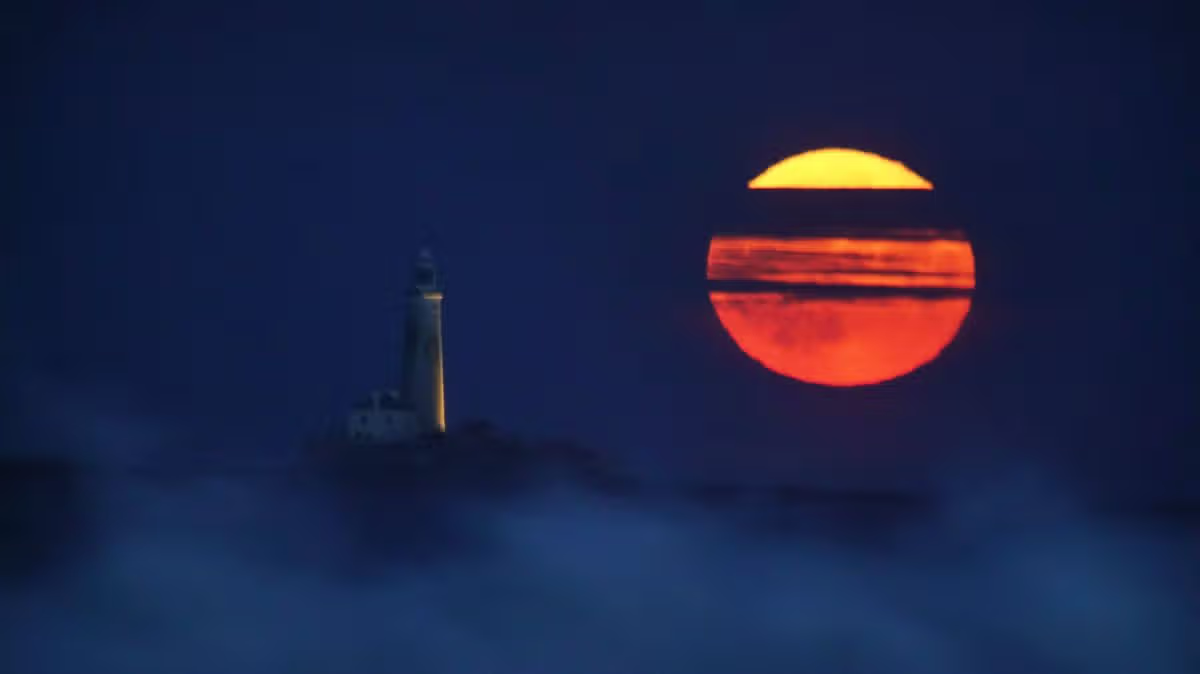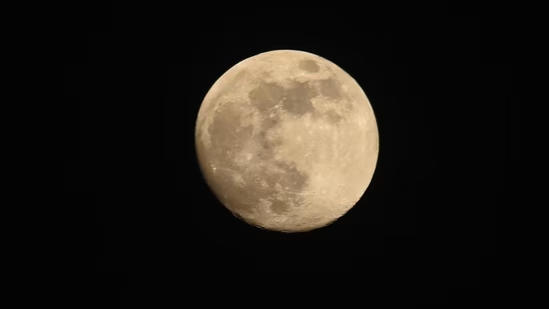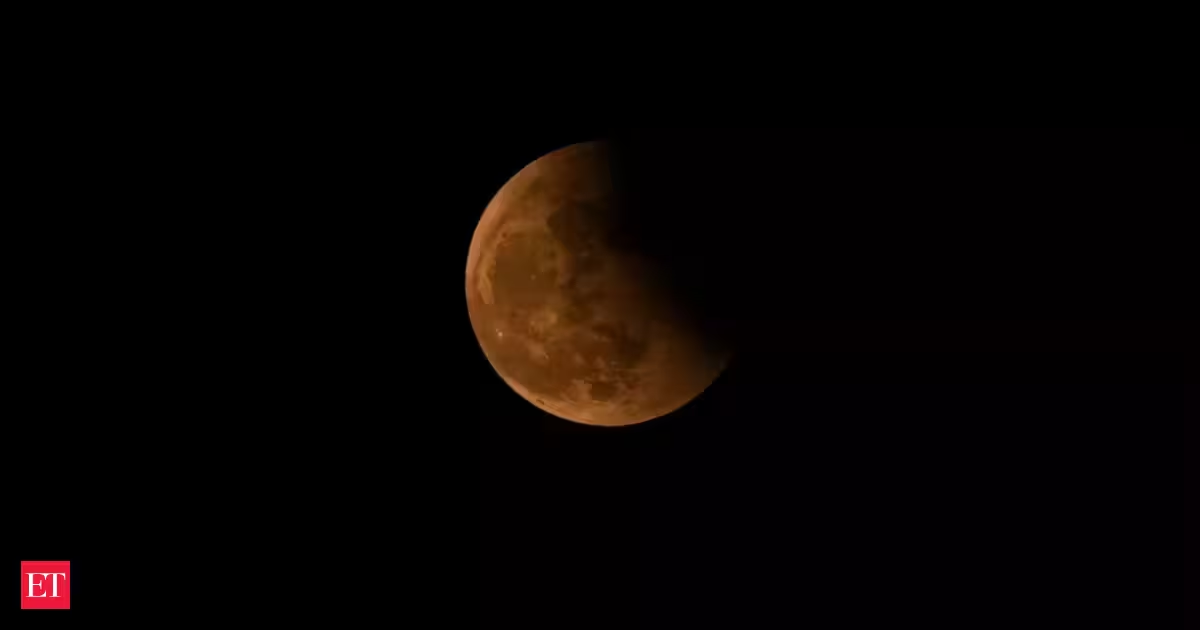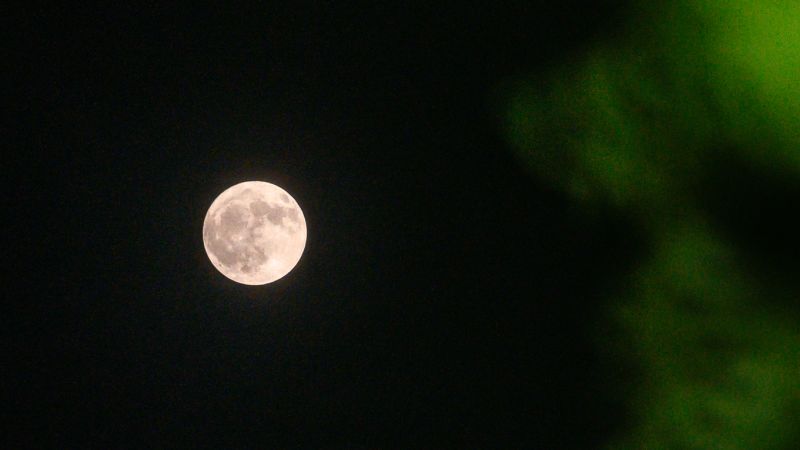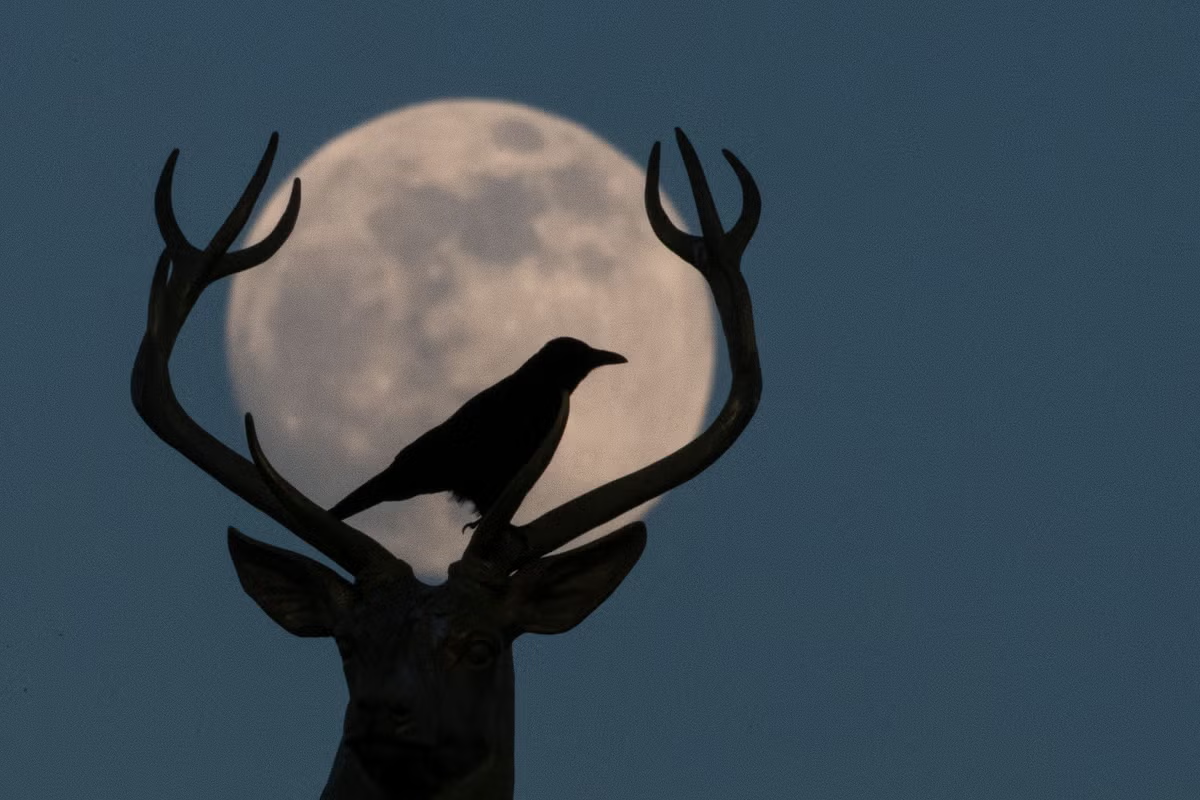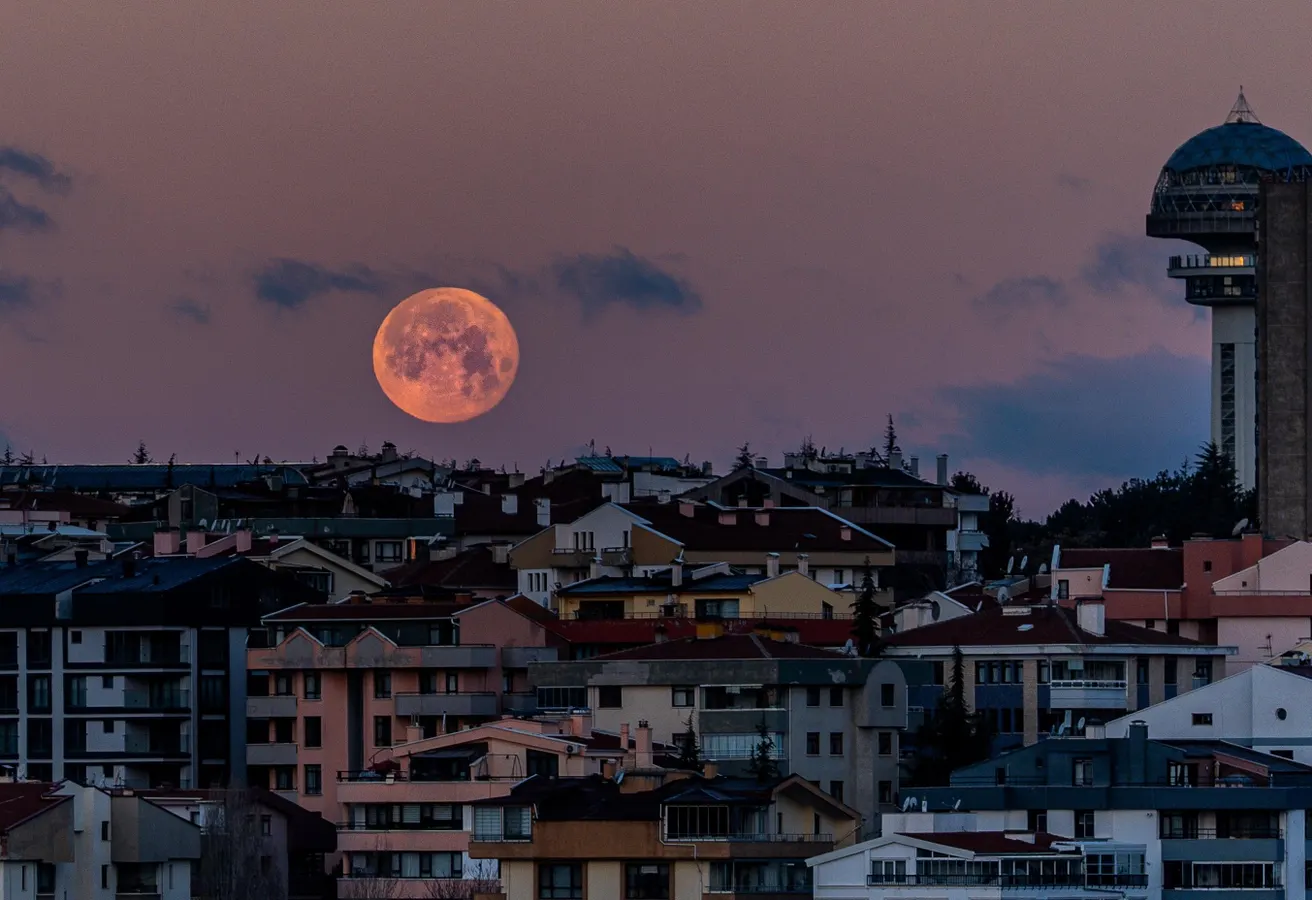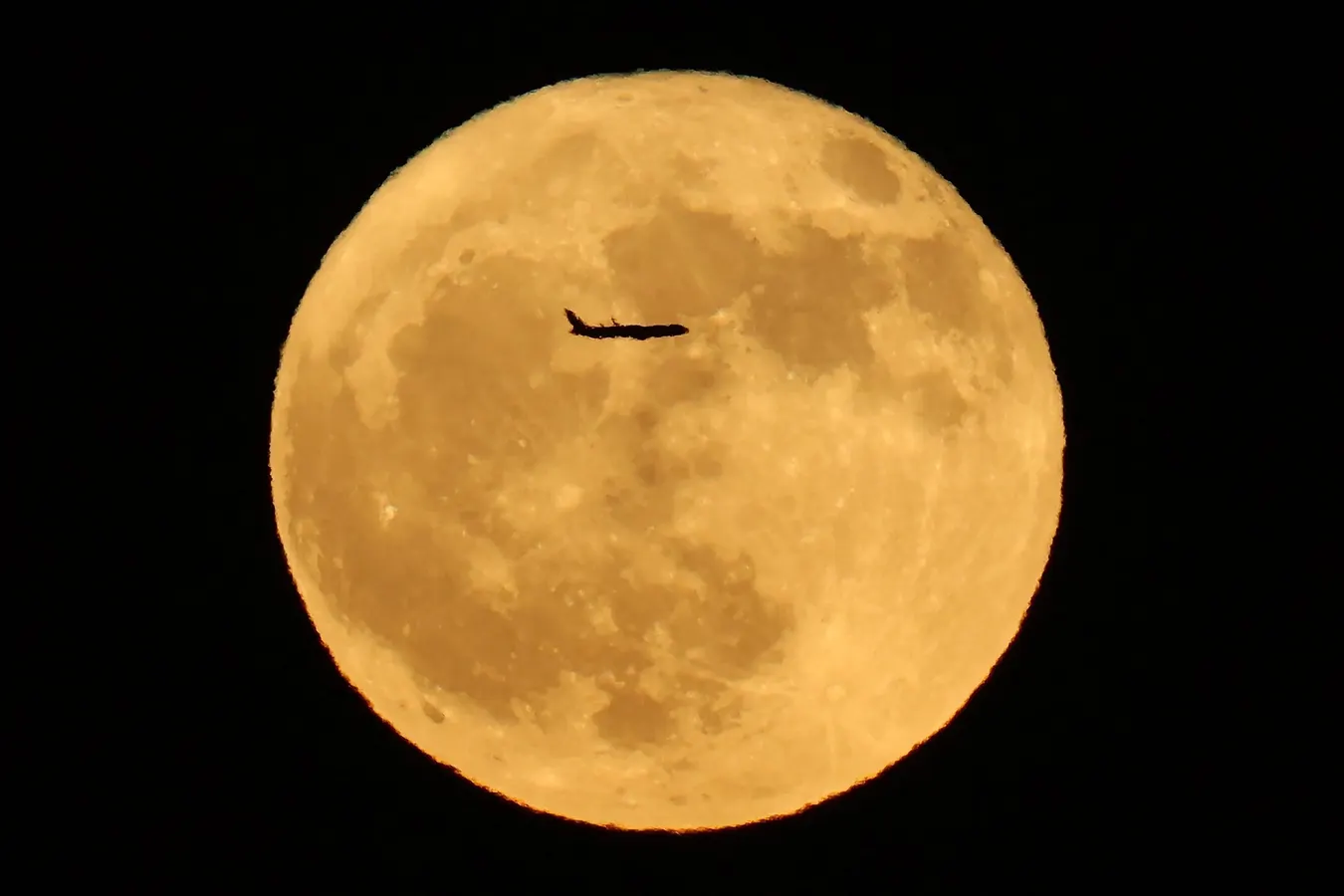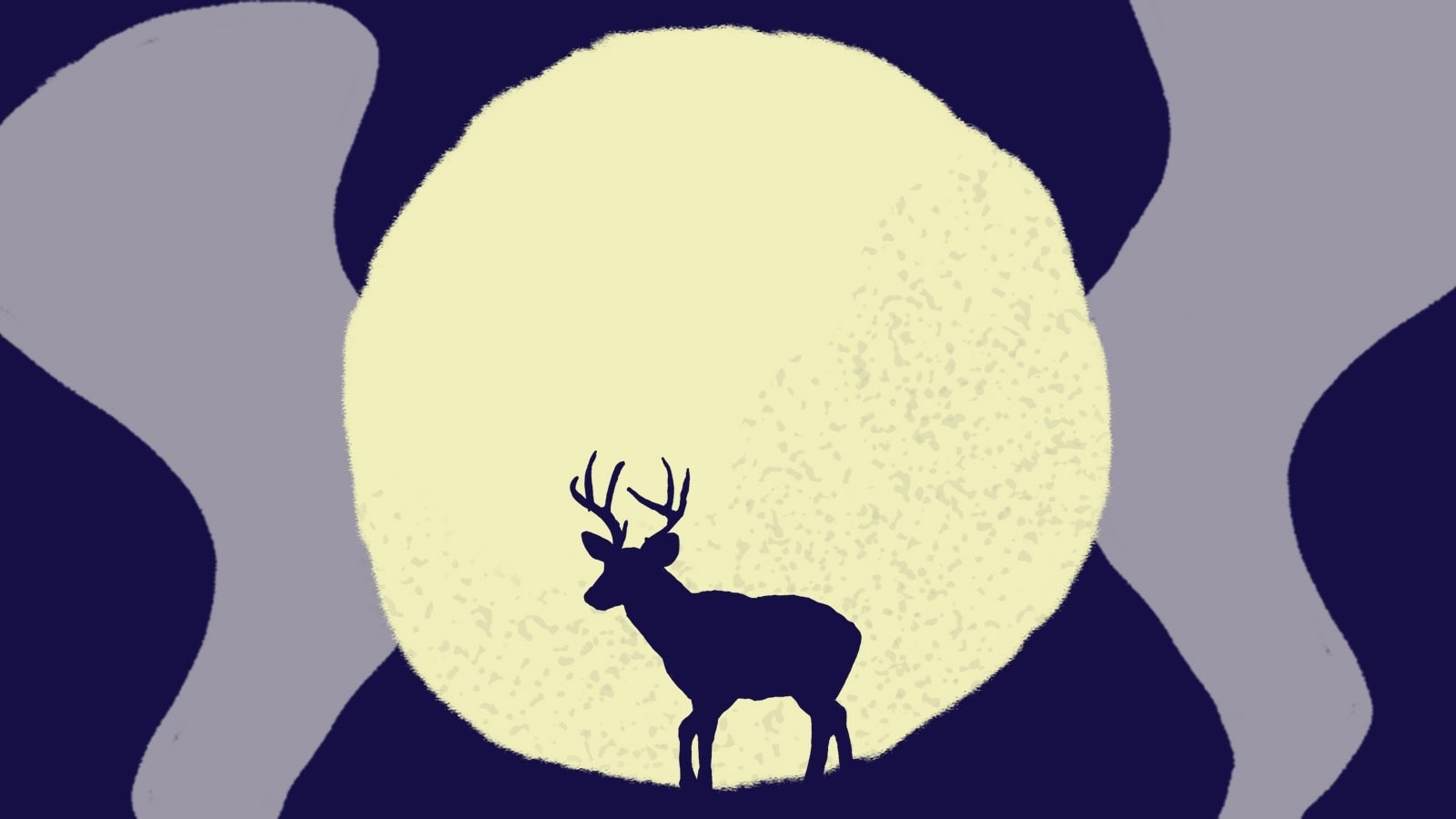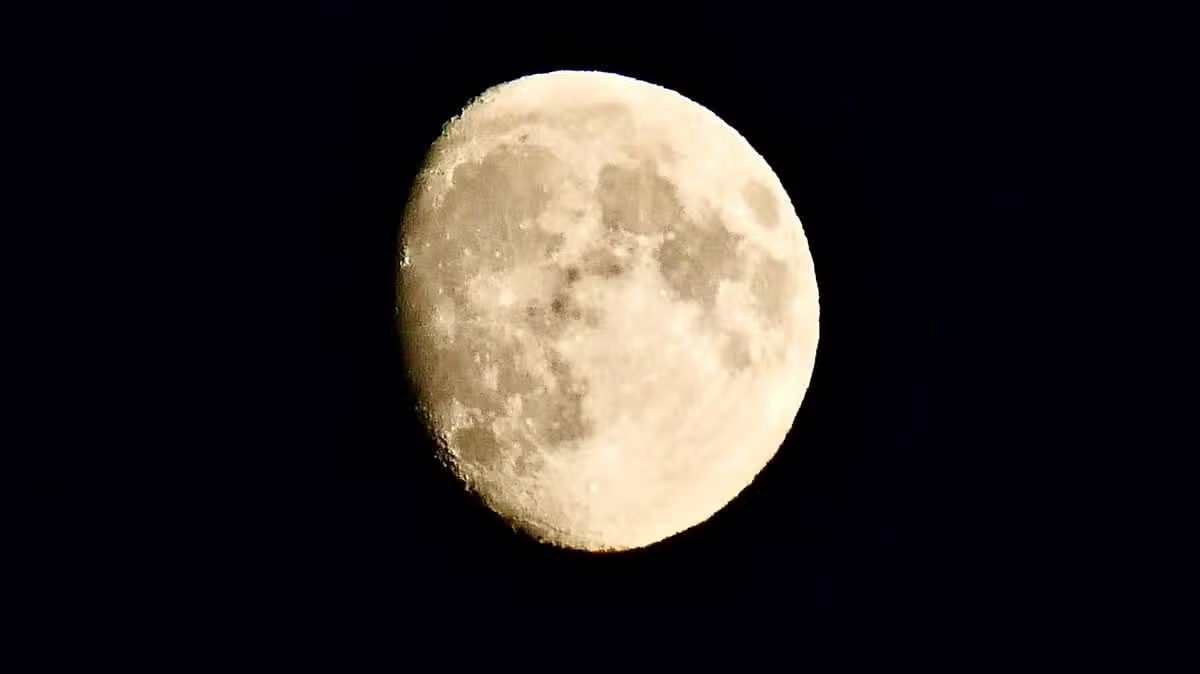
Brits hoping to catch a glimpse of one of the year's most spectacular Lunar displays will have a good opportunity to enjoy the Buck Moon when it appears on the horizon this week18:56, 28 Jul 2026The Buck Moon will lay down another impressive July Lunar display as it arrives this week, with the spectacular Full Moon set to materialise during clear skies.The phase, also known as the Thunder Moon or the Hay Moon, is a massive presence in the sky during midsummer, when it looms large in the night's sky. A global phenomenon - which is believed to impact people based on their star signs in some circles - it also has more than one name, and even varying cultural significance stretching back several hundred years.The Buck Moon can be seen from around the world, including the UK, where it will land in a matter of hours during what is expected to be one of the hottest weeks of the year.What is the Buck Moon?The Buck Moon owes its unique name to Native Americans, who noted that male deer - known as bucks - who shed their antlers, tend to regrow them during the late summer. It has been variably known as the Thunder Moon, after the season's tendency for thunderstorms, and the Hay Moon, a name used mostly by farmers as the annual hay harvest lands every July.Most people will know the Moon for its incredible size, which has its own scientific roots based it's relation to the Earth at the time, which produces an illusionThe Moon will be low-hanging and full, and especially large when it takes pride of place on the horizon over the next couple of days, but won't have physically grown at all, or be closer to the Earth. Instead, its position on the horizon will make it look much larger as it sits in front of foreground objects.The Buck Moon will also look yellow - or orange, depending on where it is being viewed from - again due to its position on the horizon.While it is particularly low, sunlight will bounce off the Moon's surface and pass through the Earth's atmosphere, which is especially thick at this point. The atmosphere will filter blue and violet light, meaning what is left behind is solely on the yellow and orange section of the spectrum.When will the Moon rise?We know the Buck Moon will be present on the horizon this week, but at different times depending on where would-be viewers are living.The Moon is expected to reach its peak illumination in the UK at around 3.36pm BST, but at this point it will be sitting just below, rather than on, the horizon. It will at the time still appear like a golden or orange orb, and visible to the naked eye despite having not yet reached full fruition.According to EarthSky, it will appear lowest - and by extension look its largest - in the Northern Hemisphere, while those living in the Southern Hemisphere have a good view of the high Full Moon, but to a lesser extent.Full Moons tend to follow the same path through the night's sky as the Sun does during the daytime, meaning it will get steadily higher after people get their first glimpse on the satellite. As it does so, it may cause some tricks of the light, such as appearing to develop a halo in cloudier weather.Where is the best place to see the Buck Moon?The easiest way for budding astronomers to see the Buck Moon is by moving to high ground when the object hits its peak on Wednesday.Noah Petro, the chief of the Planetary Geology, Geophysics and Geochemistry Lab at NASA's Goddard Space Flight Centre, told CNN people will have "flexibility" to see the Moon. But this is provided they're "in a place that’s free of bright lights" and "have a fairly clear view of the sky”.In the UK, the best places to watch the Buck Moon is the west country, where conditions are expected to be largely clear, with little in terms of cloud cover.Key viewing points include the Troopers Hill Nature Reserve in St George, Bristol, Clifton Observatory in the same city, and Victoria Park, which sits between Bedminster and Totterdown. Gloucestershire is another good viewing area, including Cleeve Hill and Painswick Beacon, as is Wiltshire, specifically around the ancient Avebury Stone Circle and Barbury Castle.What is the weather forecast for Wednesday evening?The UK continues to experience a prolonged heatwave, which will extend until Wednesday, when temperatures are expected to hit a sweltering 33C in some parts of the country.The unnaturally warm weather, while unwelcome for many given it has now been several weeks without rainfall for some areas, comes with a positive, as it will be clear on Wednesday evening in most parts of the country. The forecast for London and the South East shows that part of the country will see the highest temperatures, even heatwave conditions.Wales and eastern Scotland will also see a dry week with sunny conditions, with western Scotland and northwest England cloudier on Tuesday.The areas may even see rain or drizzle, and there remains a chance that heavy showers could also develop - obscuring people's views of Wednesday's Buck Moon. According to weather maps from the Met Office, cloudy conditions could also take hold in the southwest, around Exeter and Plymouth, most of Wales, parts of Yorkshire, and the northeast coast.Article continues belowWest country viewing points like those listed above seem likely to remain largely clear for the day, although some cloud may arrive in the evening - after the Buck Moon has reached its most illuminated state.
Everything you need to know to catch glimpse of spectacular Full Moon
Brits hoping to catch a glimpse of one of the year's most spectacular Lunar displays will have a good opportunity to enjoy the Buck Moon when it appears on the horizon this week
936 words~4 min read