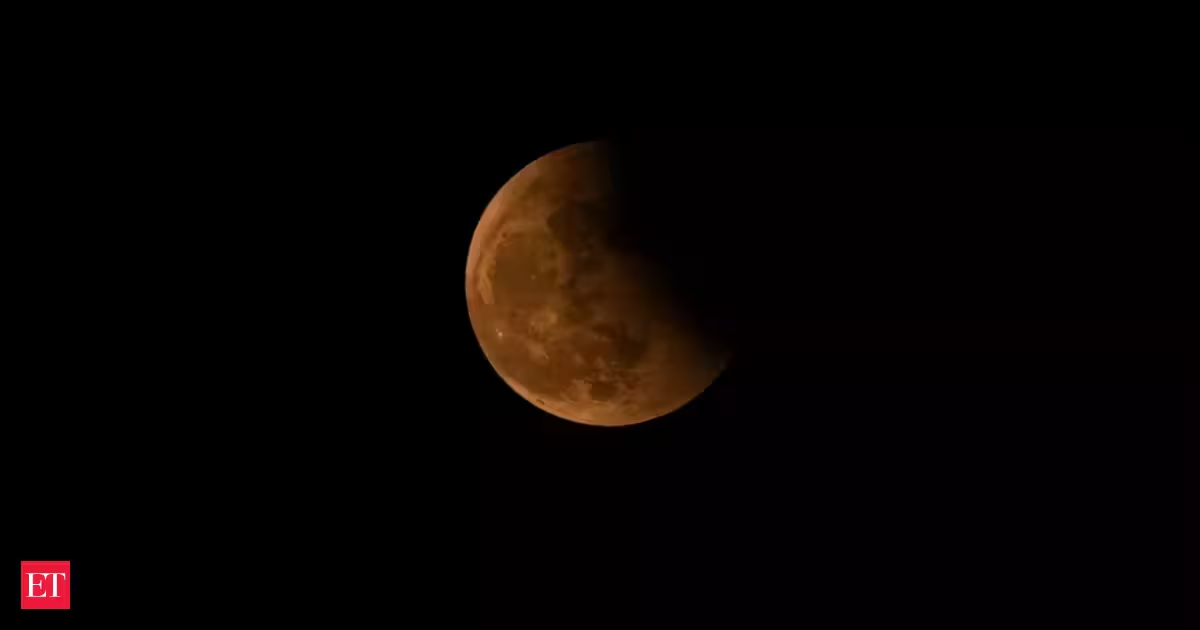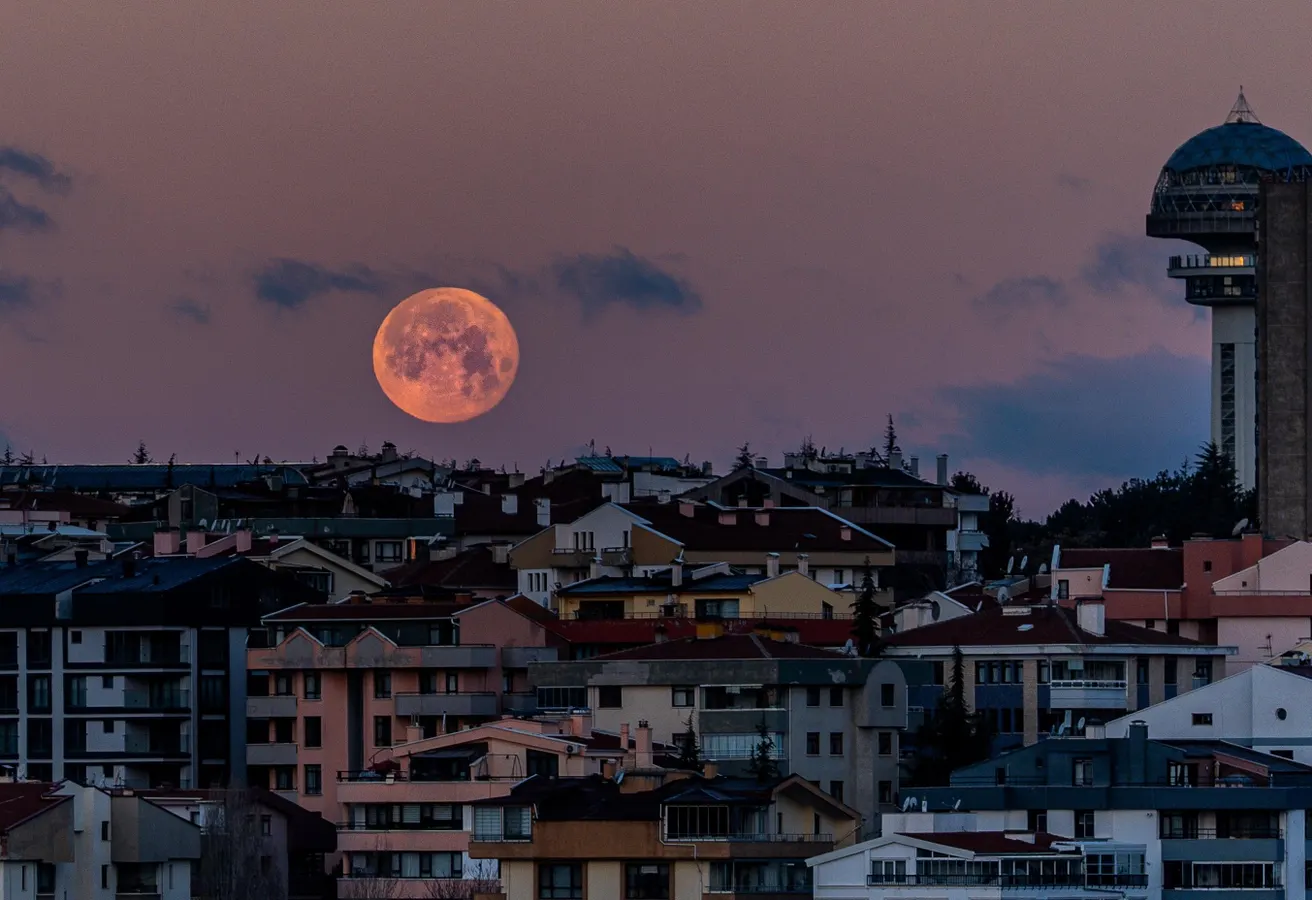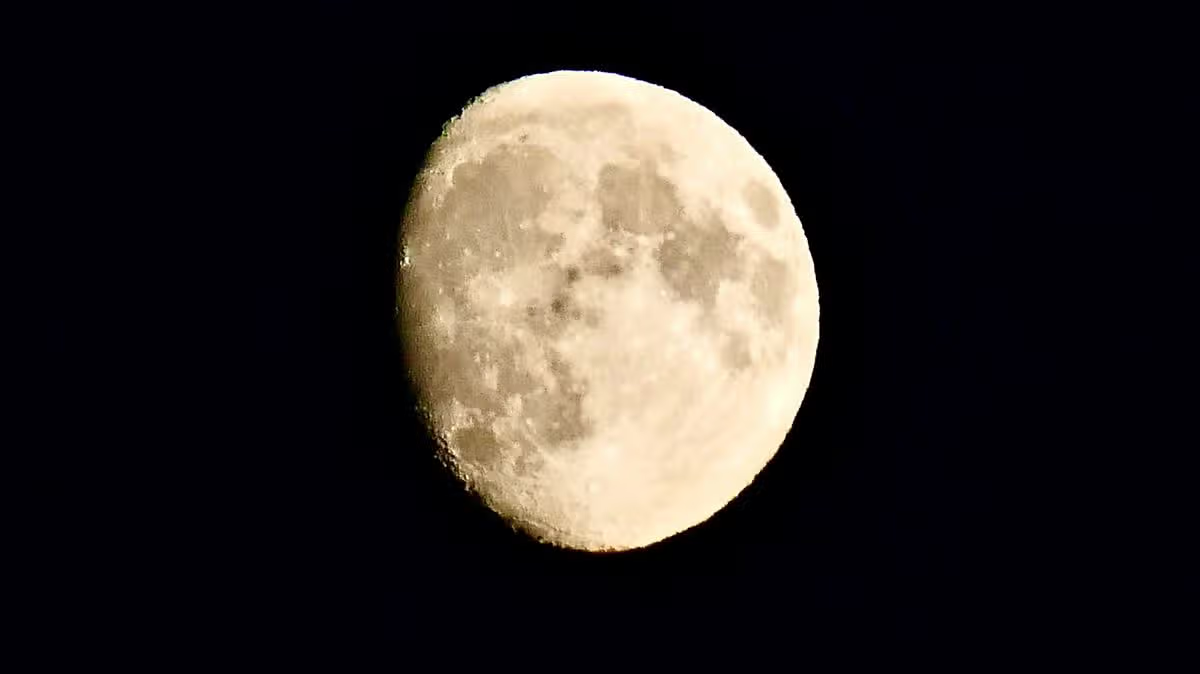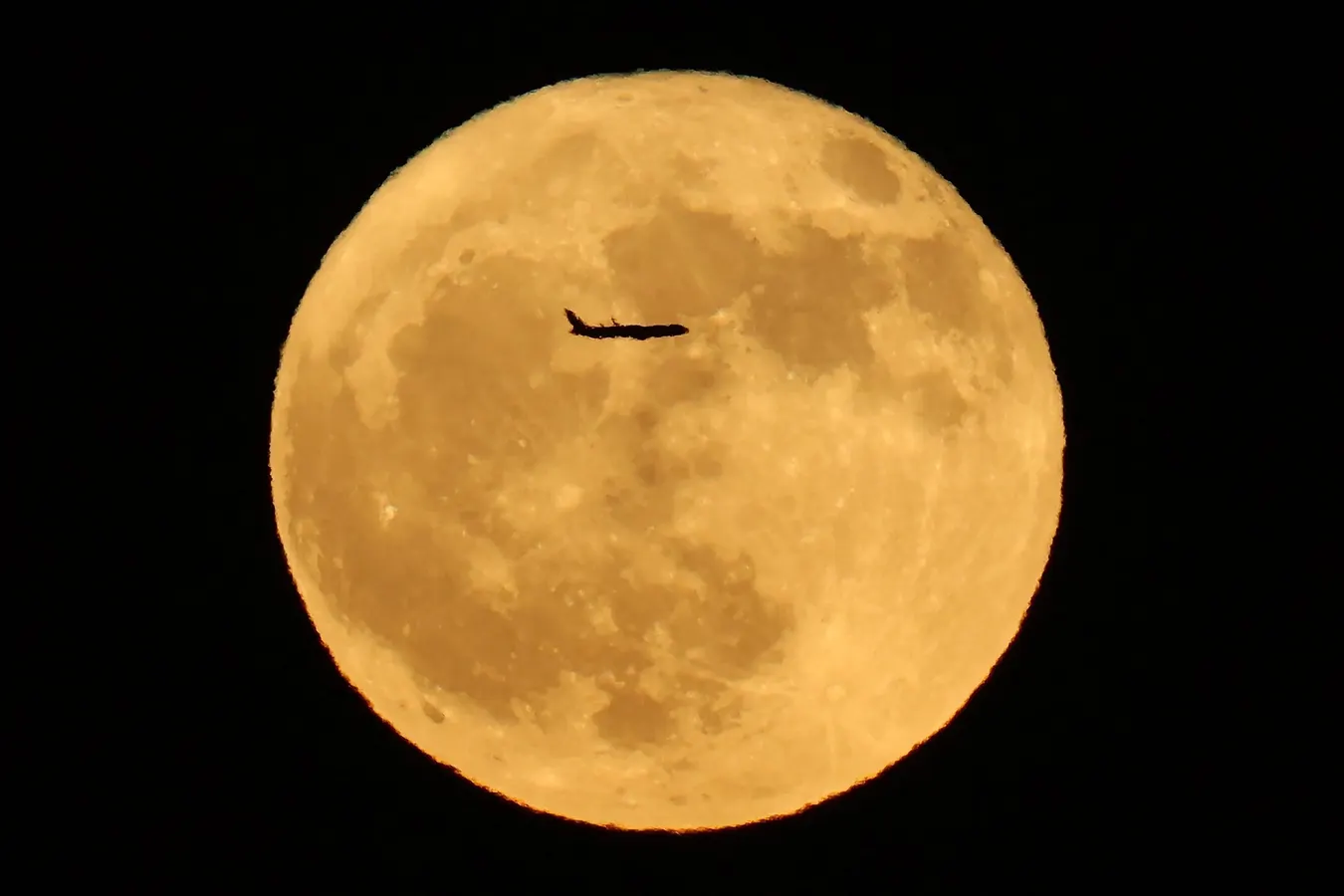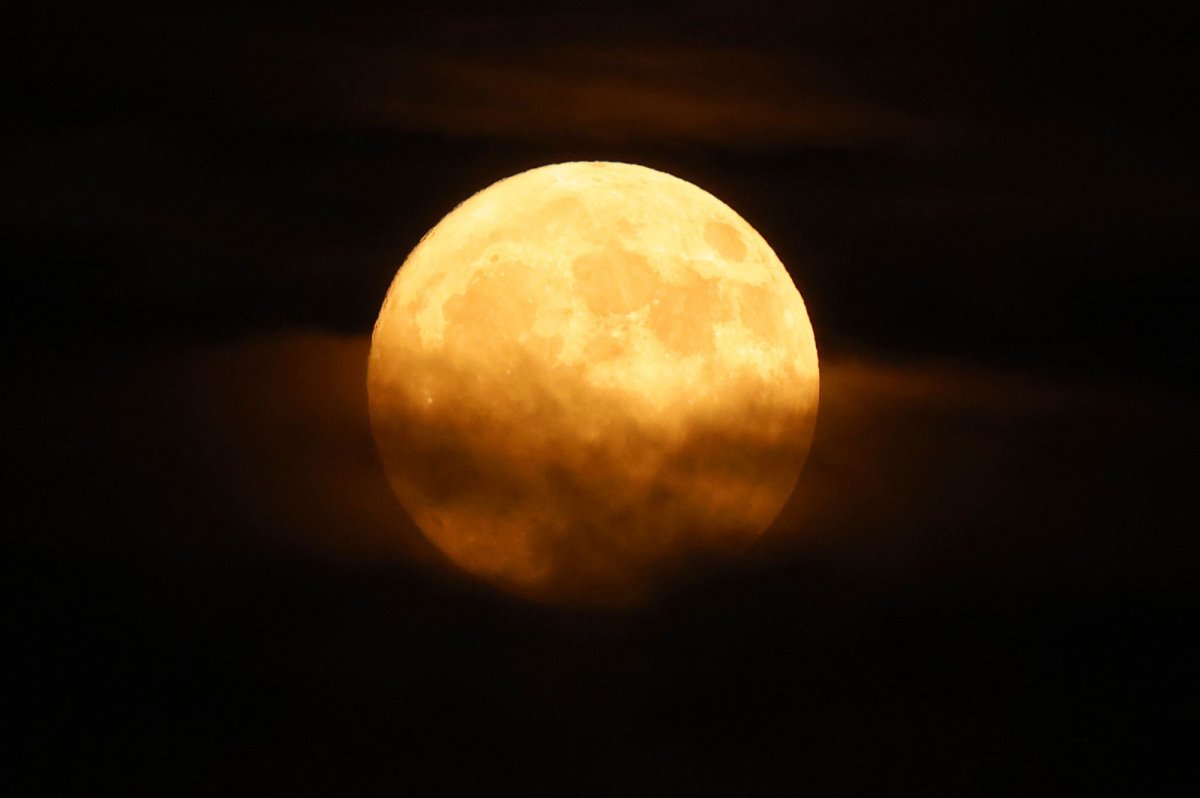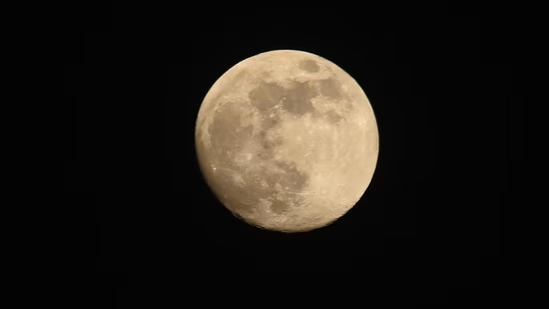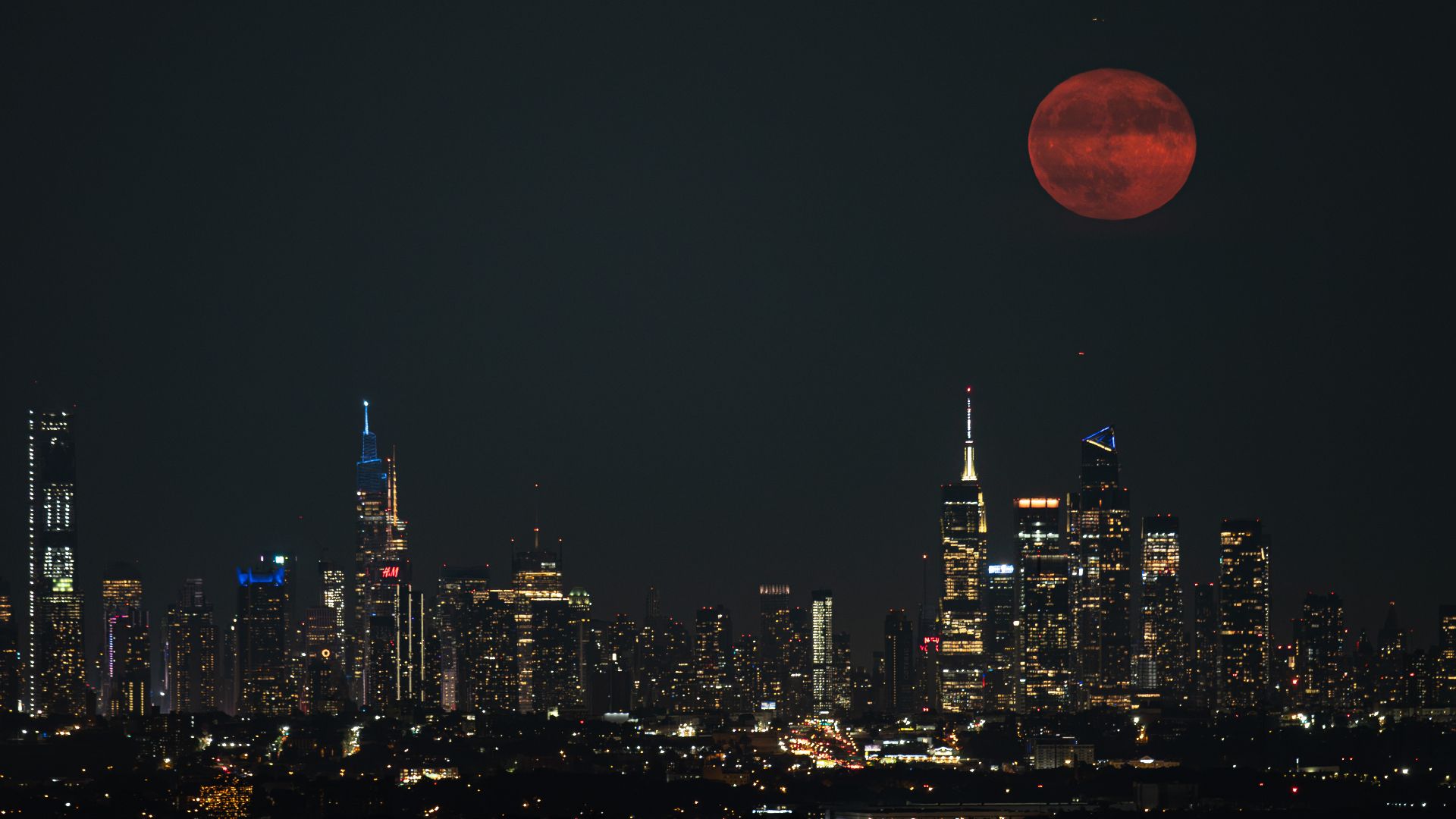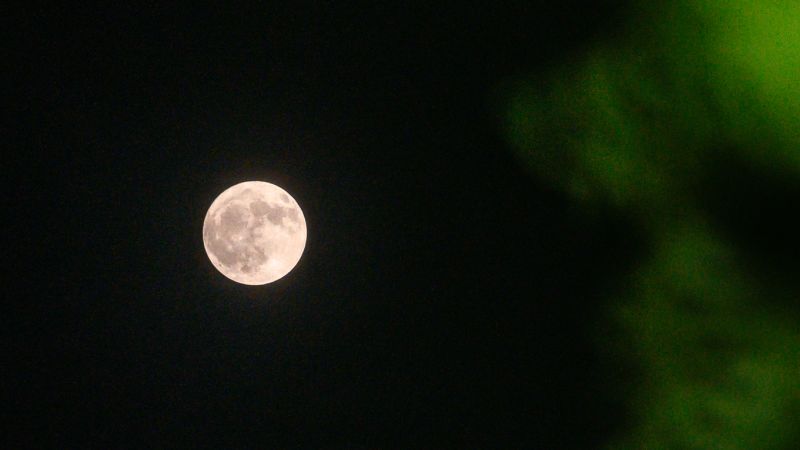
July’s full moon will grace the sky this week. Called the buck moon, it will rise in the east and reach peak illumination at 10:36 a.m. ET on Wednesday, according to The Old Farmer’s Almanac, though the moon will still look full before and after its peak.
Sky-gazers will have “flexibility as long as you’re in a place that’s free of bright lights and you have a fairly clear view of the sky,” said Noah Petro, chief of the Planetary Geology, Geophysics and Geochemistry Lab at NASA’s Goddard Space Flight Center in Greenbelt, Maryland.
The moon will appear low in the sky in the Northern Hemisphere, while for those in the Southern Hemisphere, the satellite will be high, but not as high as the June full moon, according to EarthSky.
Full moons often follow the same trajectory as the sun’s daytime path from six months ago and six months in the future, meaning the buck moon’s path will resemble the arc of the sun in January, EarthSky reports.
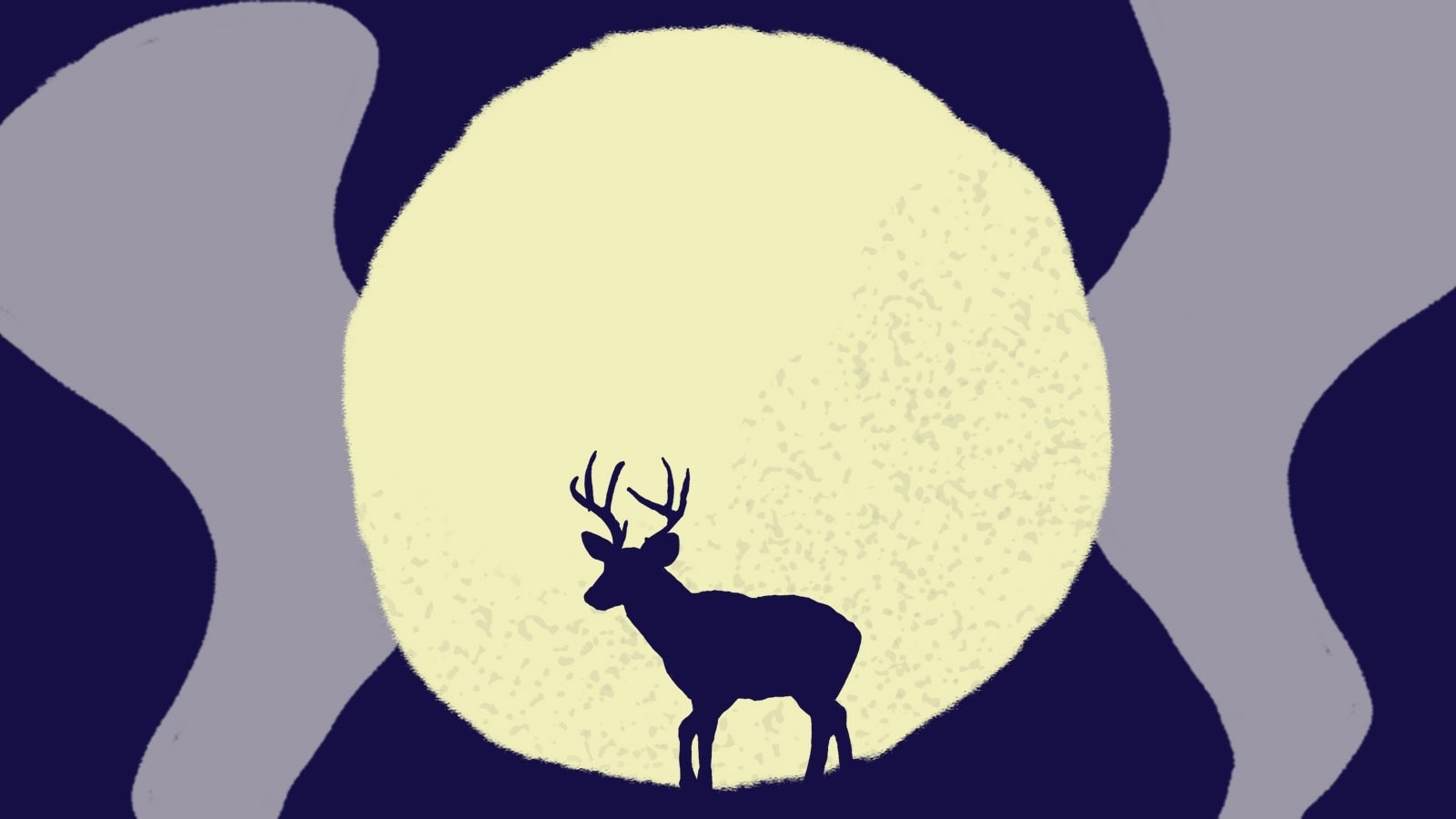
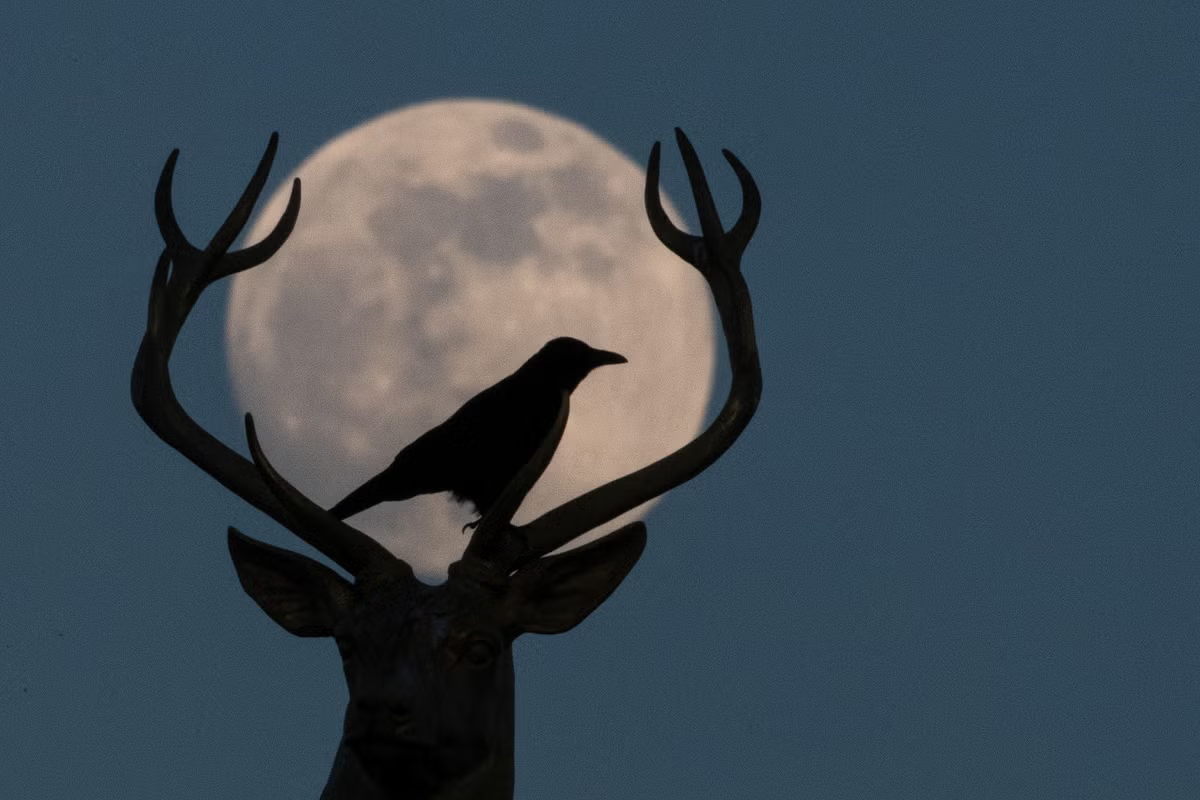
The term buck moon is derived from the full moon’s alignment with the growth period of male deer antlers. But various Indigenous groups know it by different names; it is referred to as the moon when the chokecherries are ripe by the Dakota, while the Cree call it the feather moulting moon, according to The Old Farmer’s Almanac.