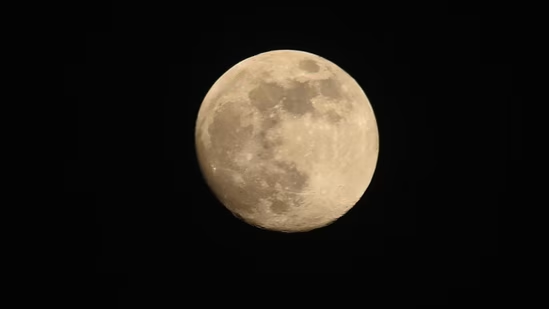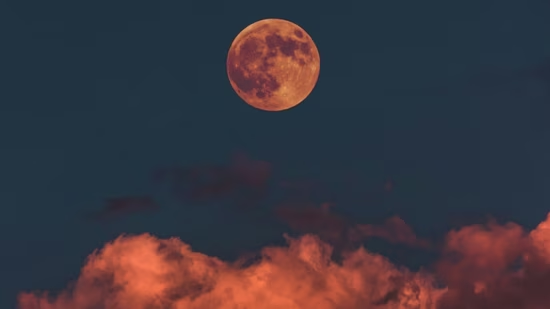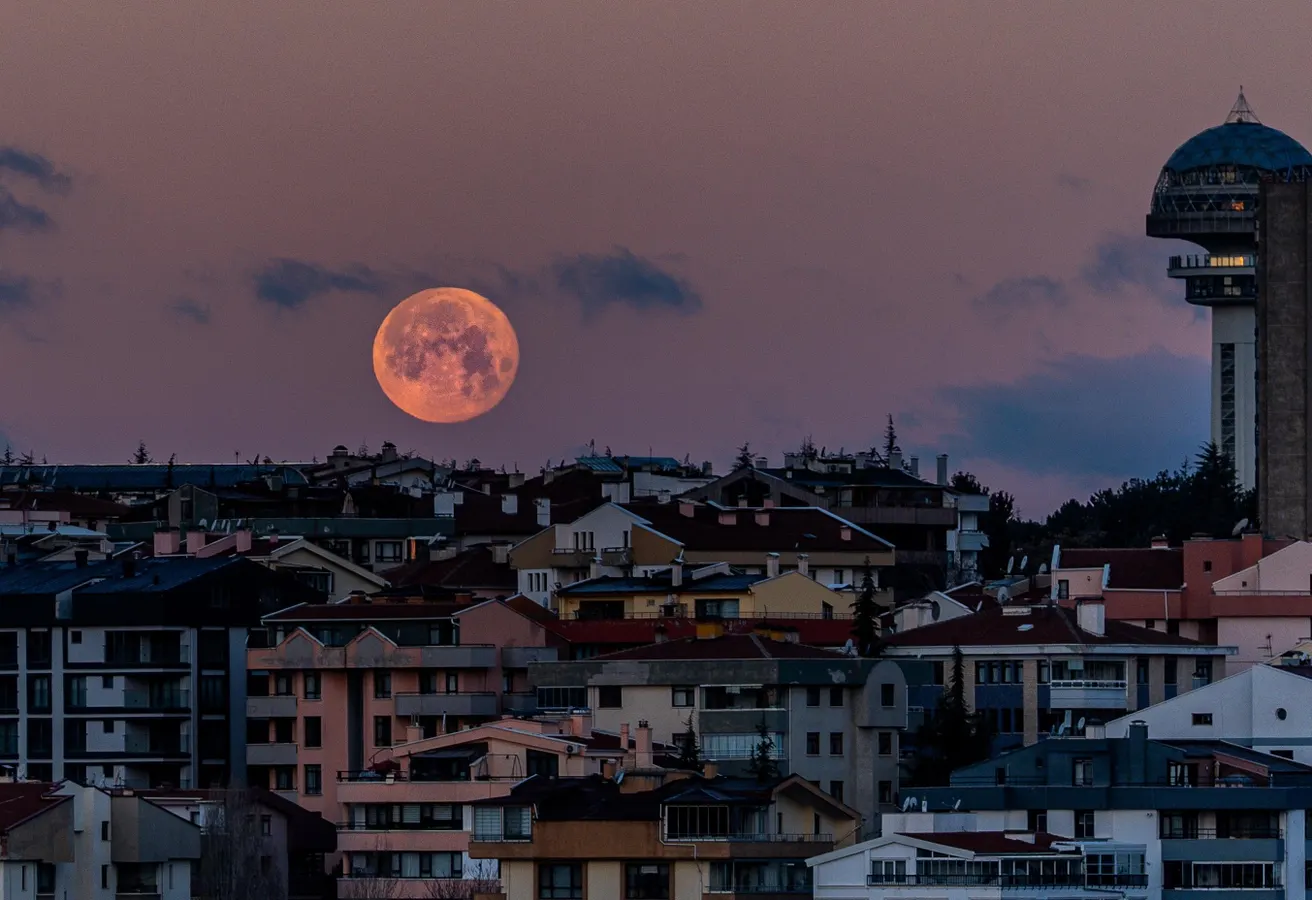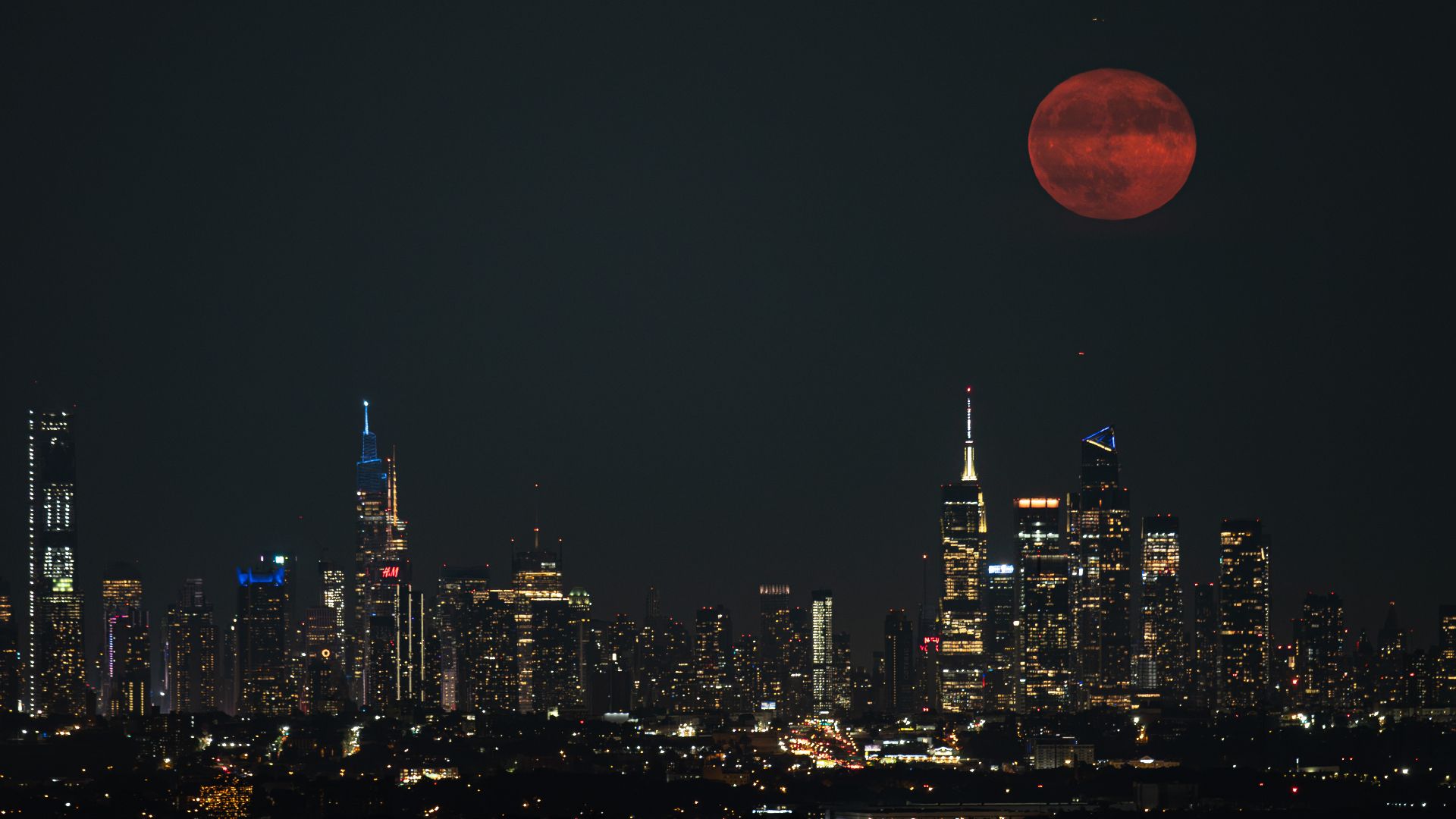
The full Buck Moon shines over New York in 2024.
(Image credit: Photo by Lokman Vural Elibol/Anadolu via Getty Images)
The July full moon occurs at 10:36 a.m. EDT (1436 GMT) on July 29, when the lunar disk appears fully lit as it shines opposite the sun in Earth's sky.The July full moon is often called the "Buck Moon", to reflect the time of the year when young male deer grow out their antlers in the northern hemisphere and is the first full moon of summer, occurring soon after the 2026 summer solstice.When to see the July full moonLook to the east at sunset on July 29 to catch the full Buck Moon as it climbs silently into the early summer sky, veiling the nearby stars of the constellation Capricornus behind the glare of its moonlight.You may notice the lunar disk appear particularly large in the hour following moonrise. This phenomenon is known as the "Moon Illusion", wherein our brains trick us into thinking an object in the sky is bigger than it really is as it rests low on the horizon, with objects nearby to provide context.
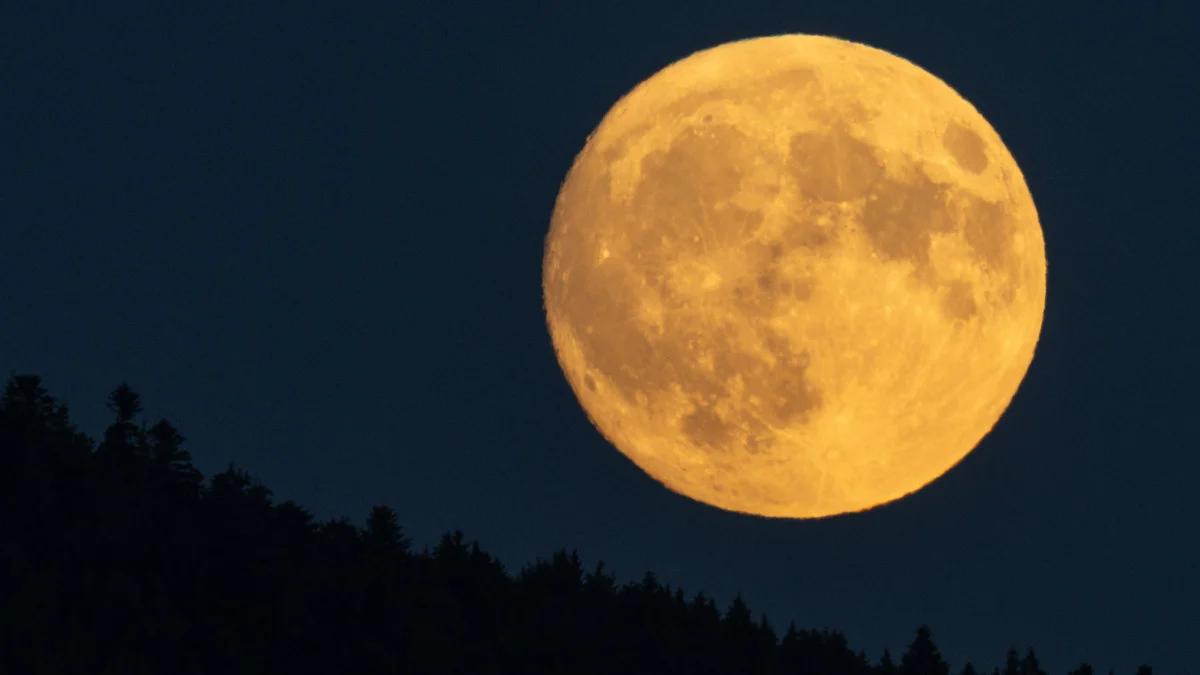
The full Buck Moon illuminates clouds over Kashmir, India. (Image credit: Photo by Firdous Nazir/NurPhoto via Getty Images)Earth's moon could also take on an eye-catching yellow-orange color while close to the horizon, as an effect called Rayleigh scattering deflects the blue wavelengths of its light, while allowing the longer red wavelengths to travel through the atmosphere more easily.The table below displays local full moon timings for when the moon is 100% illuminated for a selection of cities spread across the globe (note local moonrise and moonset times will vary depending on your location):Swipe to scroll horizontallyLocal full moon timings for July 2026City Local timeNew York10:53 a.m. EDT on July 29London3:35 p.m. BST on July 29Beijing10:35 p.m. CST on July 29Tokyo11:35 p.m. JST on July 29Sydney00:35 a.m. AEDT on July 30Why it's called the Buck MoonJuly's full moon is also called the Buck Moon by some Native American tribes in reference to the furry antlers that grow from the heads of young deer around the time it rises. The Algonquin people also called it the Raspberry moon, evoking the fruit that ripens around that time in North America, while the Cree knew it as the Feather Moulting Moon, according to the Old Farmer's Almanac.It is also known as the Thunder Moon, to reflect the intense storms that can arise in the hot summer months. European peoples, like the Anglo-Saxons, had their own traditional names for the occasion, linking it to the harvest time by referring to it as the Hay Moon, or Corn Moon, according to the Royal Museums Greenwich.Cultural traditions and festivalsThe July full moon marks the celebration of Guru Purnima for followers of the Hindu and Buddhist faiths, when worshippers take time to honor their teachers and spiritual guides — known as Gurus — by fasting, attending a temple and via acts of gratitude and service, per Time and Date.July 29 also coincides with the holy day of Asalha Puja for the Theravada Buddhist community, which commemorates Buddha's first sermon, which occurred in Sarnath, India, where the spiritual leader imparted the "Four Noble Truths", according to the University of Birmingham.What else to see in the sky around the full moonThe glare of the Buck Moon will hide many of the fainter wonders of the night sky when it rises above the southeastern horizon at sunset on July 29, making it an ideal time to spot some of the brighter asterisms and solar system planets that glisten in the summer sky.First, look out for the dazzling trio of stars that form the famous Summer Triangle asterism. Altair can be found shining a little over 30 degrees above the silver glow of the lunar disk, with Vega and Deneb to its upper left, marking the brightest points in the constellations of Lyra and Cygnus, respectively.