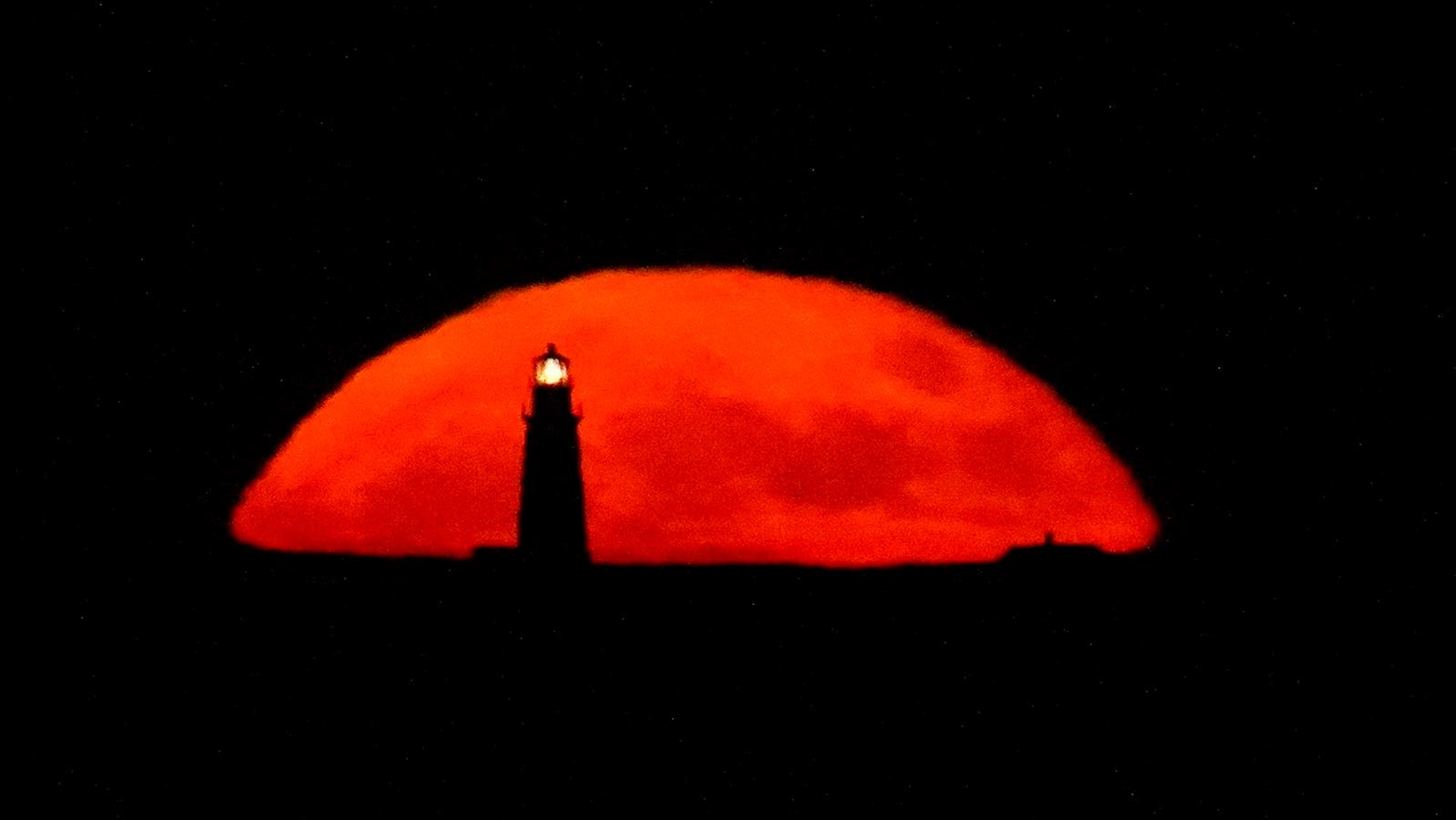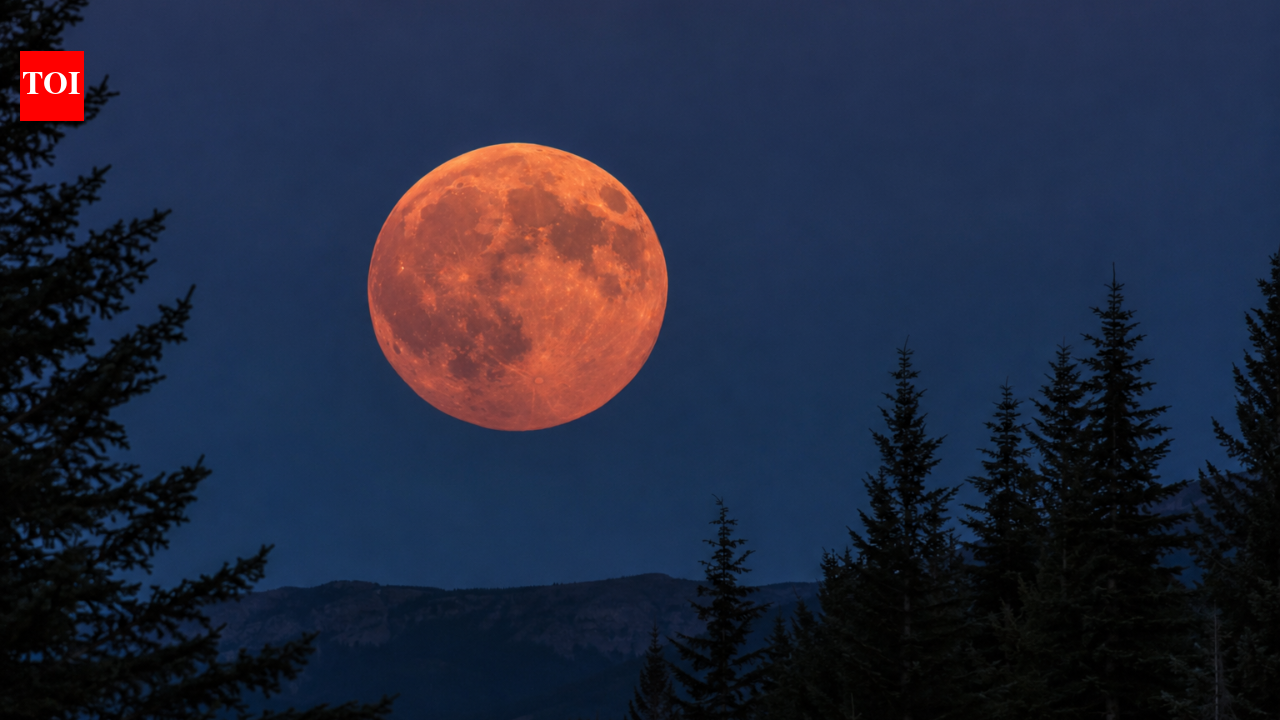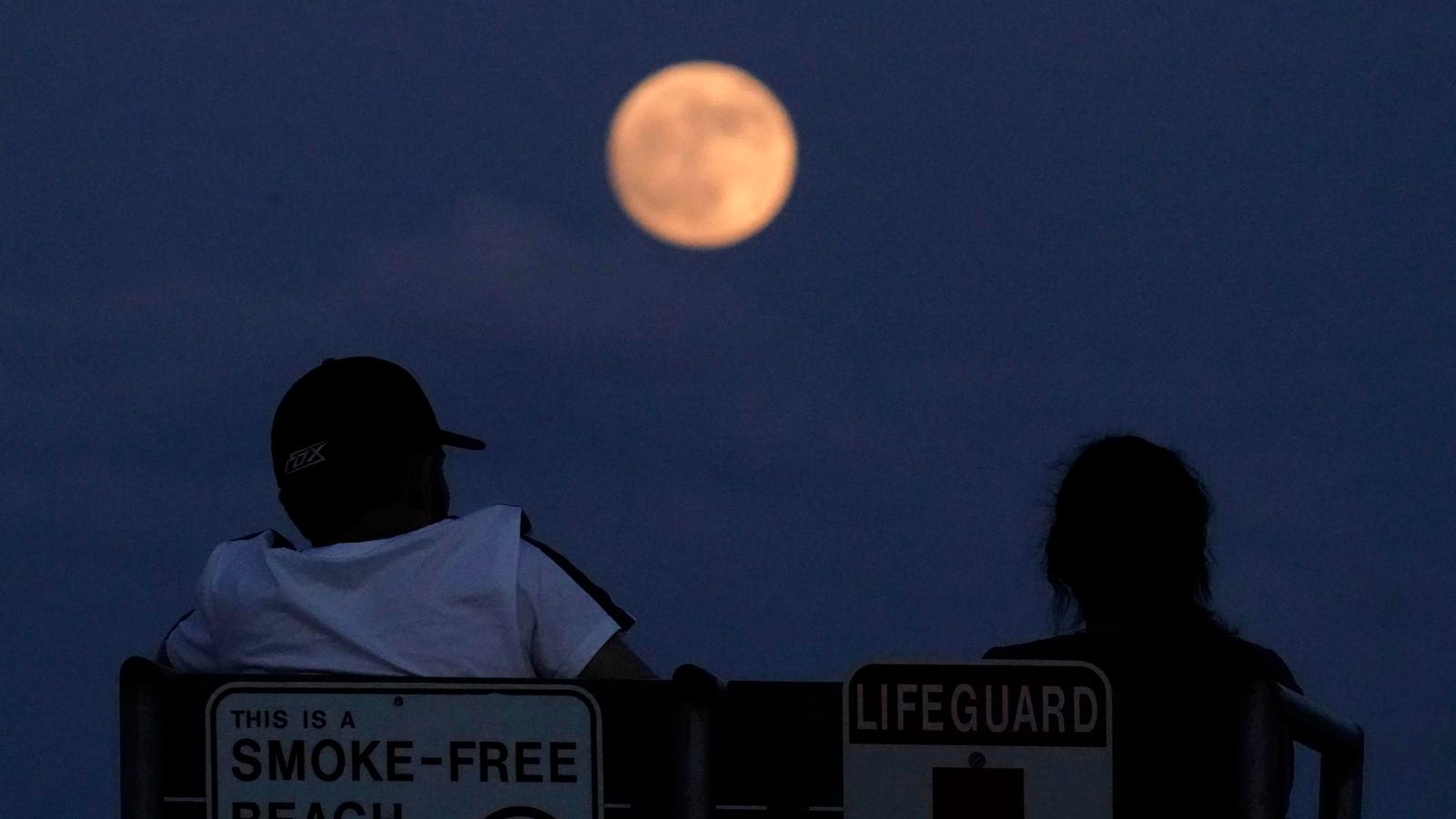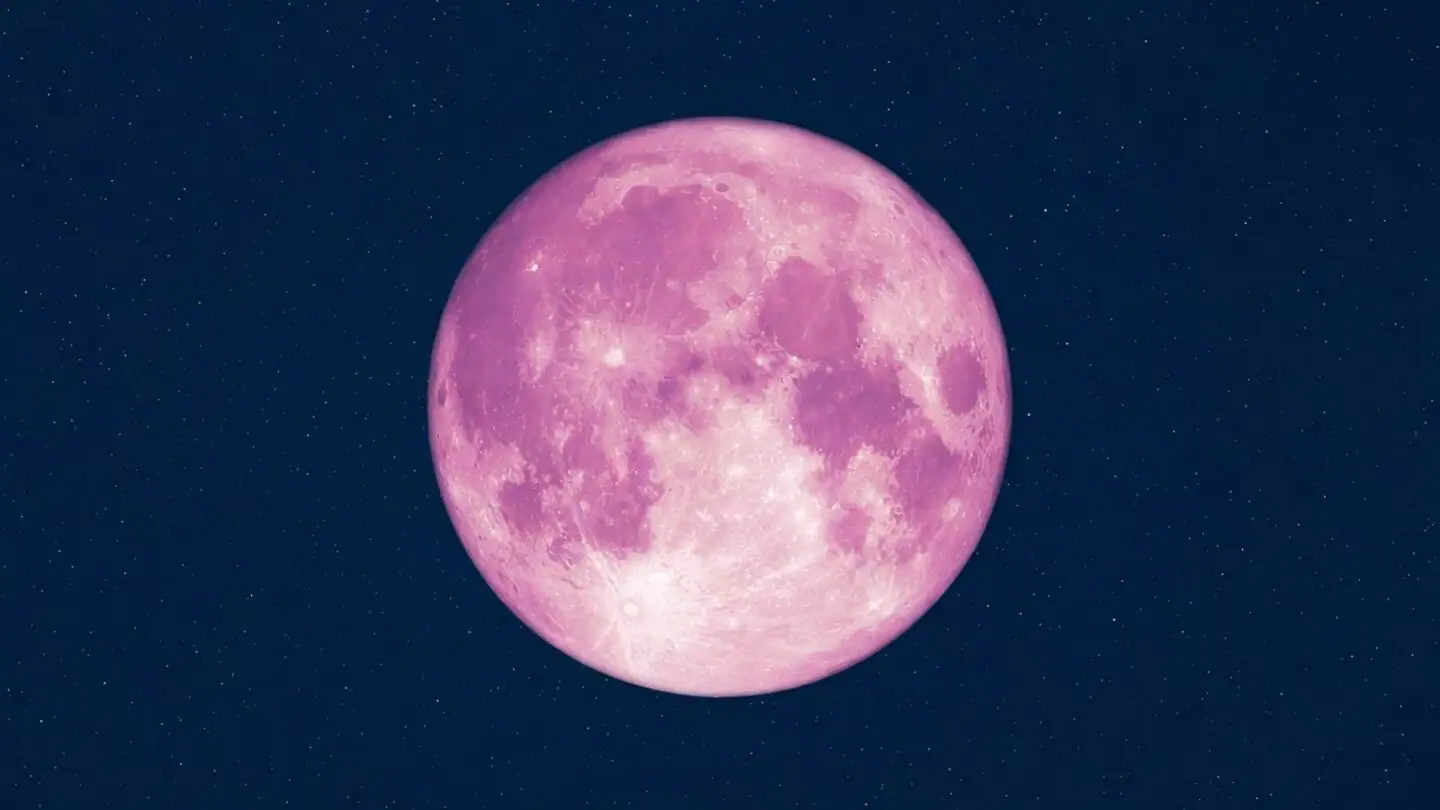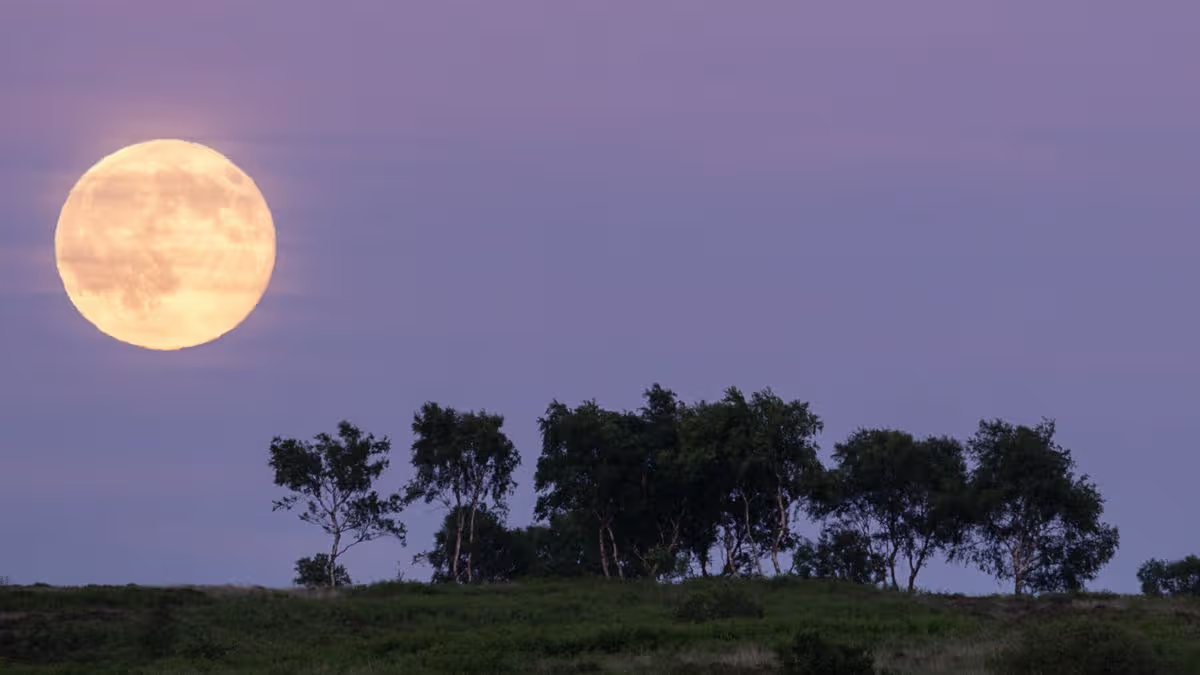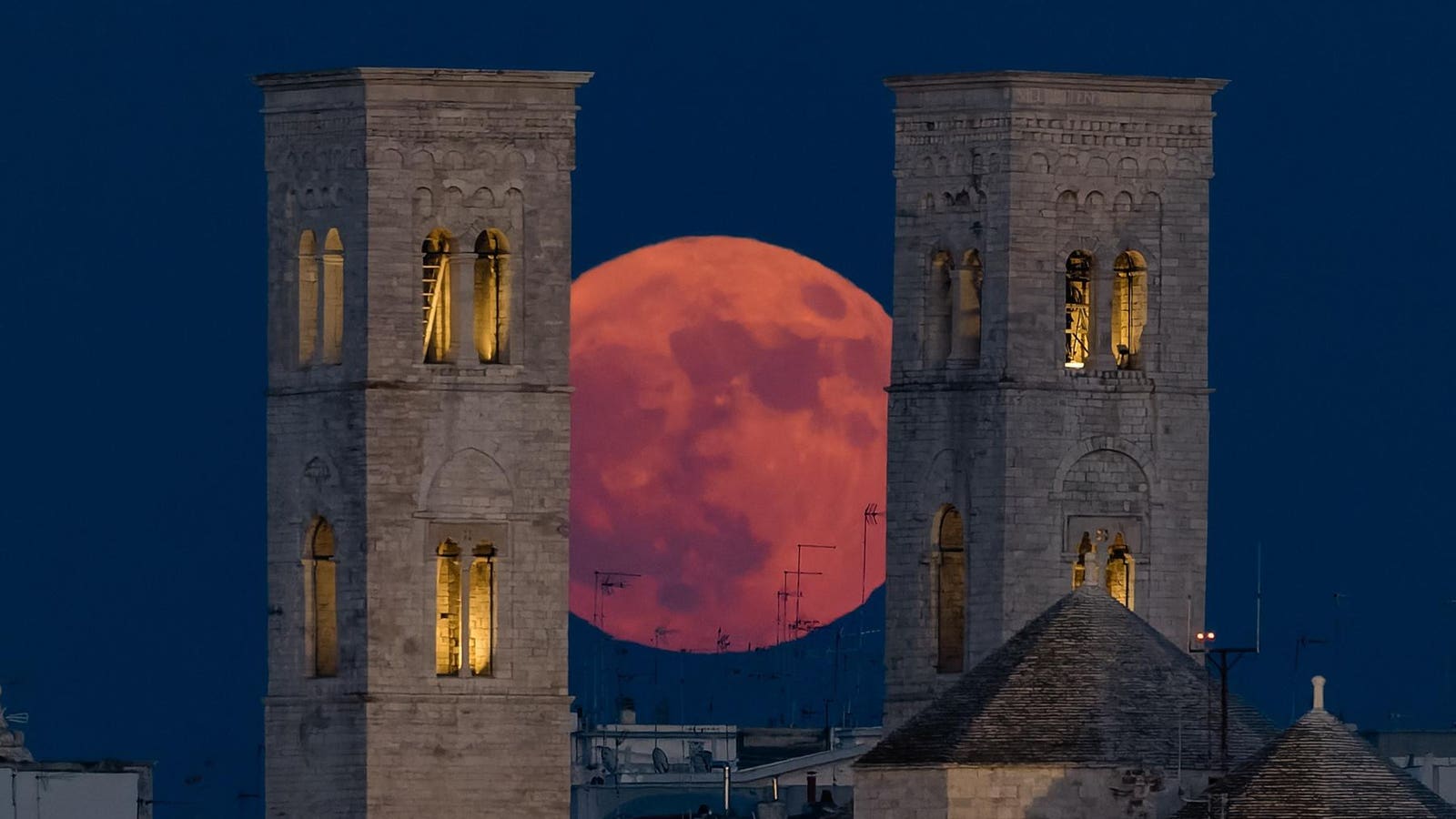
The Strawberry Moon, June's full Moon, will grace the night sky on Monday, June 29, offering skywatchers around the world a spectacular celestial display. Visible on the nights of June 29 and 30, this year's full Moon will appear differently depending on where you are in the world. While observers in the Northern Hemisphere will see it remain unusually low above the horizon, those in the Southern Hemisphere will enjoy the year's highest full Moon.The Moon reaches peak illumination at 7:56 p.m. ET, according to the Old Farmer's Almanac, making the evening of June 29 the best time to catch the event.When and where to watch the Strawberry Moon 2026The Strawberry Moon will rise shortly after sunset in most locations, making the eastern horizon the best place to begin watching. As darkness falls, the full Moon will become brighter before tracing its path across the night sky.If you're in the Northern Hemisphere, the Moon will rise in the southeast, stay unusually low across the southern sky, and set in the southwest. Because it won't climb very high, an open, unobstructed southern horizon will provide the best viewing conditions.In the Southern Hemisphere, the experience will be quite different. The Strawberry Moon will rise in the southeast, travel high across the northern sky and set in the southwest. In fact, this will be the highest full Moon of 2026 for southern observers, making it especially easy to spot.Strawberry Moon 2026 moonrise times in major cities:According to BBC Sky at Night Magazine, moonrise times for the 2026 Strawberry Moon will vary by location. In North America, the full Moon will rise at 8:49 p.m. in New York City, 8:26 p.m. in Los Angeles, 8:50 p.m. in Chicago, 9:23 p.m. in Toronto, and 9:51 p.m. in Vancouver (all local times). In Australia and New Zealand, skywatchers can expect the Moon to rise much earlier, at 4:10 p.m. in Melbourne, 4:02 p.m. in Sydney, and 4:10 p.m. in Auckland, offering excellent opportunities to view the year's highest full Moon in the Southern Hemisphere. Why will the Moon appear so low this year?Unlike many full Moons that climb high overhead, the 2026 Strawberry Moon will hug the horizon throughout the night in the Northern Hemisphere. It will rise far in the southeast and set far in the southwest.The unusually low path is caused by the Moon's tilted orbit and the lingering effects of a major lunar standstill, a rare astronomical cycle that peaked during 2024 and 2025. The phenomenon occurs roughly every 19 years, meaning skywatchers will not see the Moon travel this low again until around 2043, as per Live Science.Why is it called the Strawberry Moon?Despite its name, the Strawberry Moon is not expected to appear pink or strawberry-colored. The nickname comes from Native American traditions and marks the beginning of the strawberry harvest season in the Northern Hemisphere. It refers to the time of year rather than the Moon's appearance.However, viewers in the Northern Hemisphere may notice a warmer orange or reddish tint near moonrise. Because the Moon stays low on the horizon, its reflected sunlight passes through a thicker layer of Earth's atmosphere. The atmosphere scatters shorter blue wavelengths, allowing more red and orange light to reach our eyes, creating the Moon's distinctive golden glow.
Strawberry Moon 2026: When and where to watch June's full Moon in New York, Los Angeles, Chicago, Toronto, Vancouver and more
Strawberry Moon 2026: Skywatchers worldwide are in for a treat as the Strawberry Moon graces the night sky on June 29 and 30. While Northern Hemisphere observers will see it unusually low, those in the South will witness the year's highest full Moon. This celestial event, named for the strawberry harvest, may cast a warm, golden glow due to atmospheric scattering.
543 words~2 min read