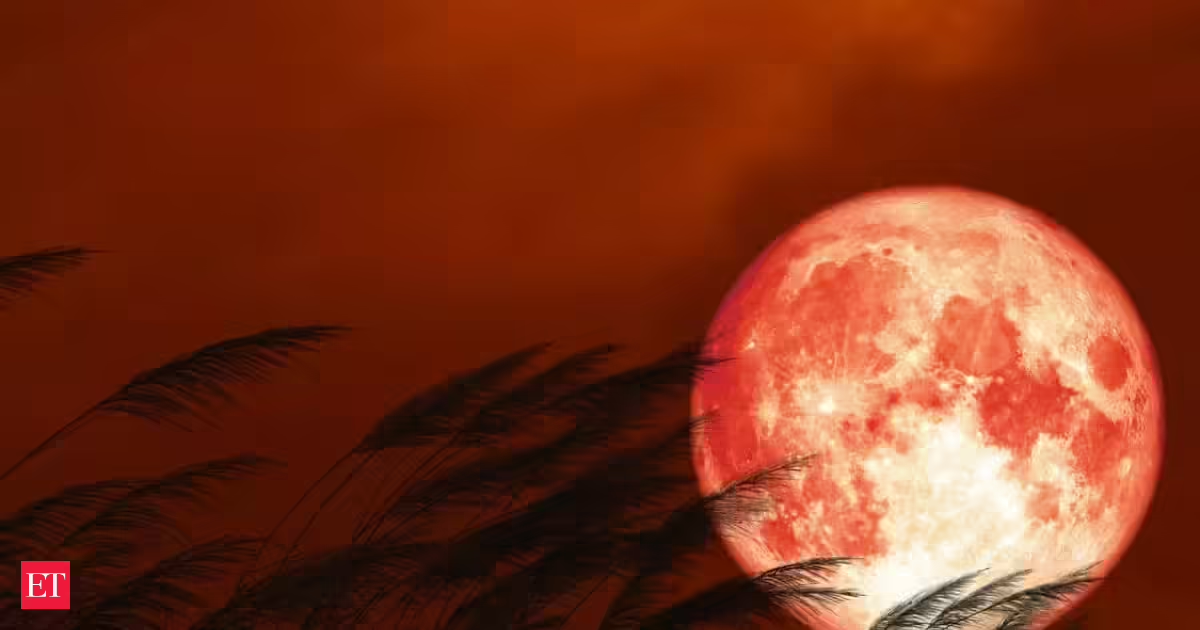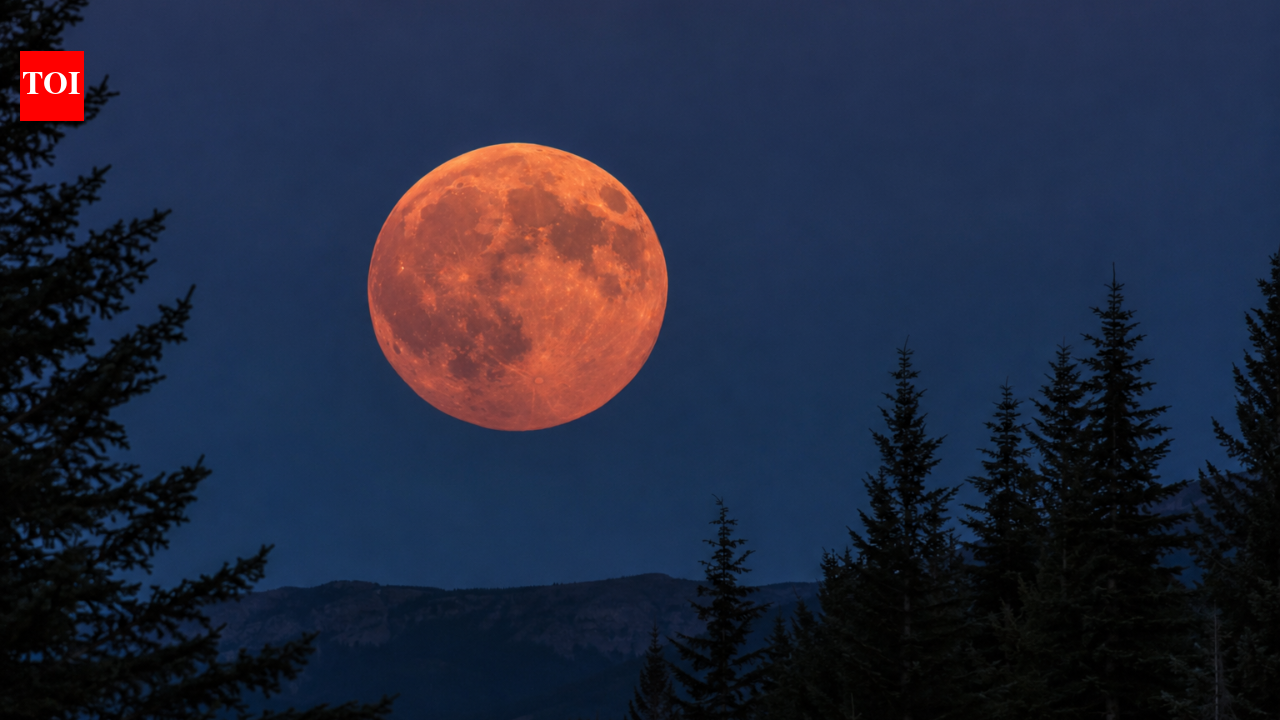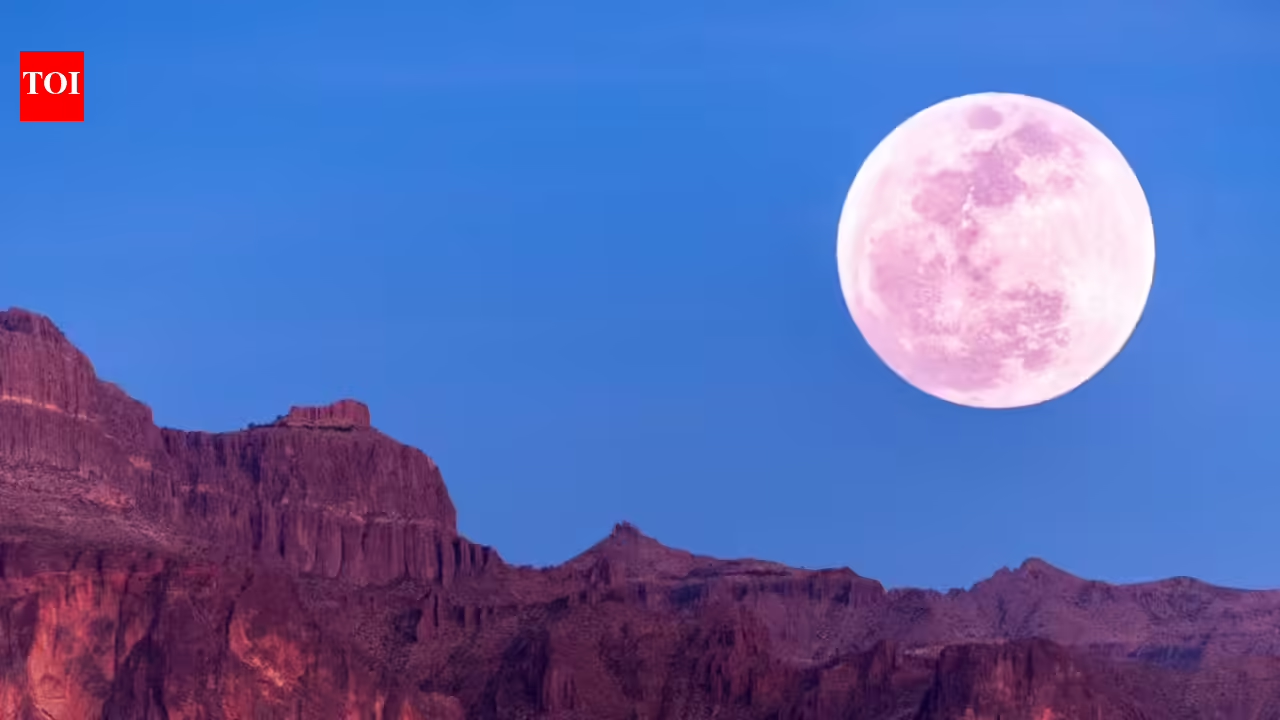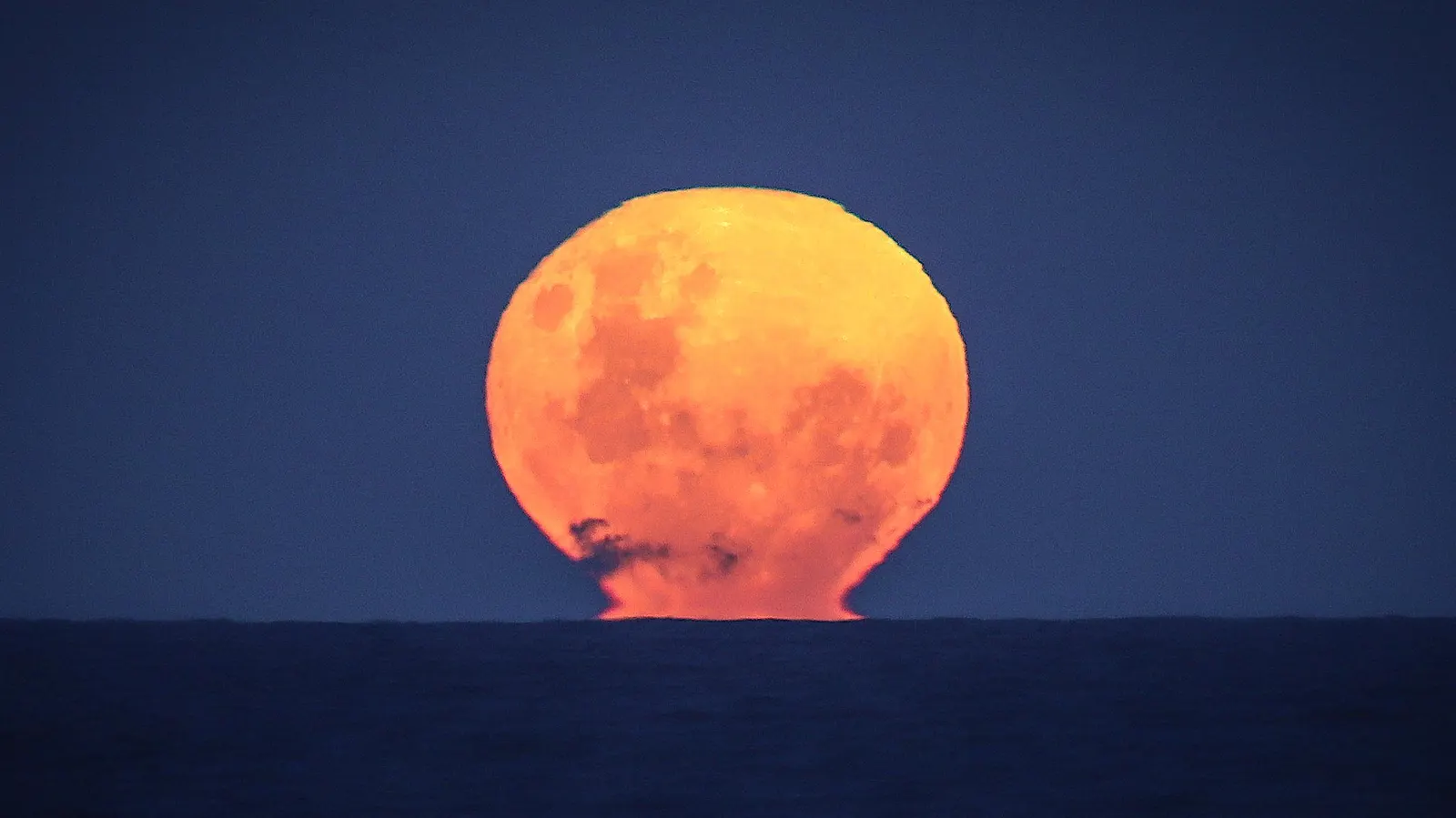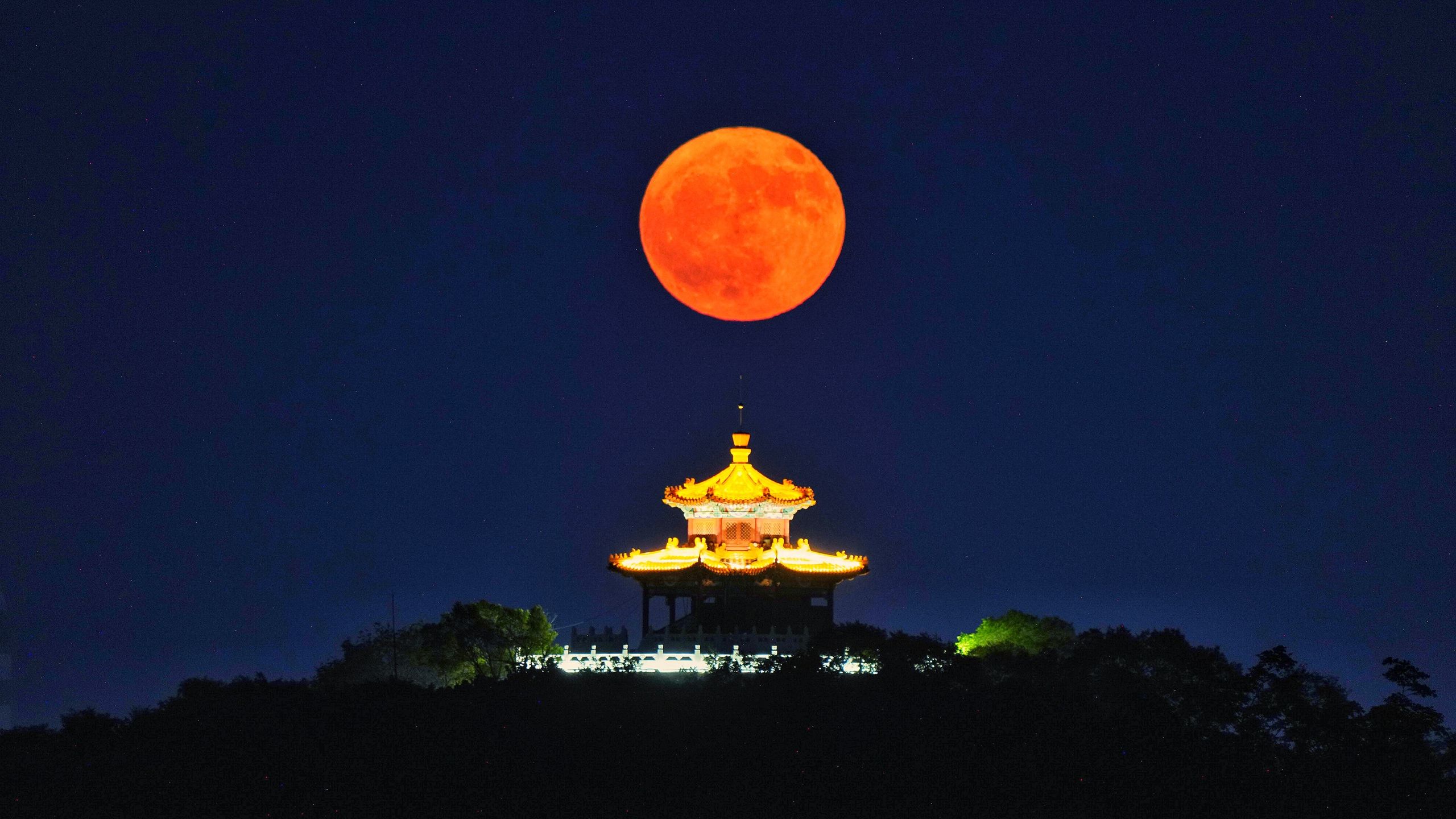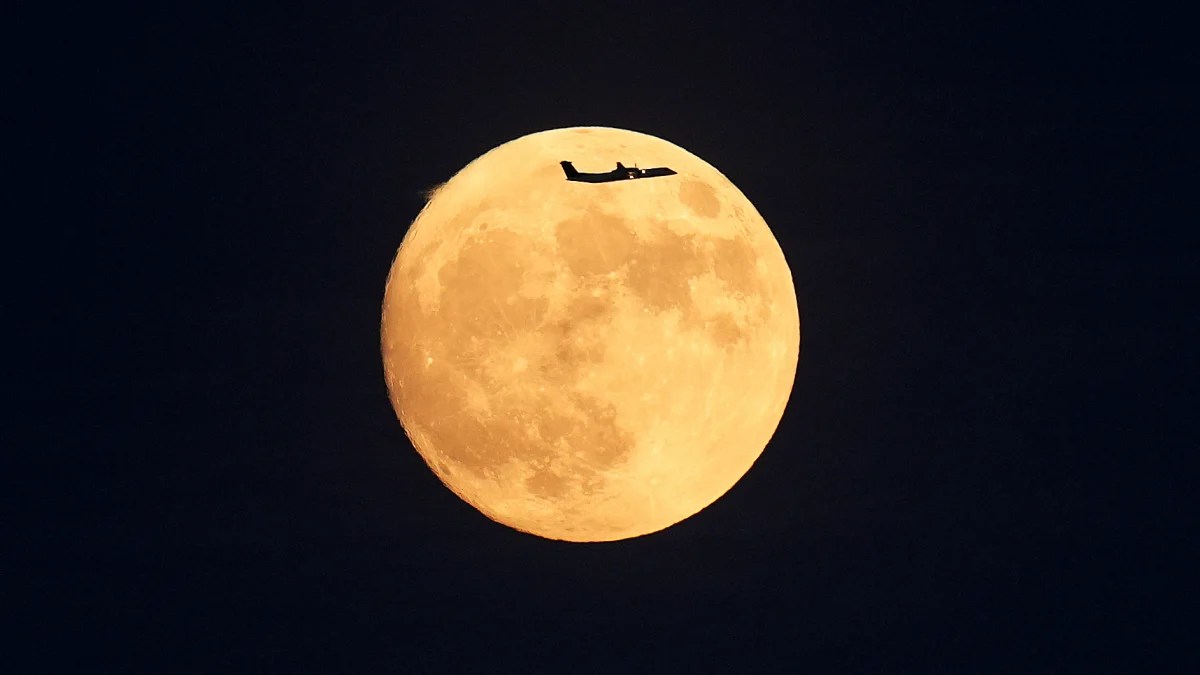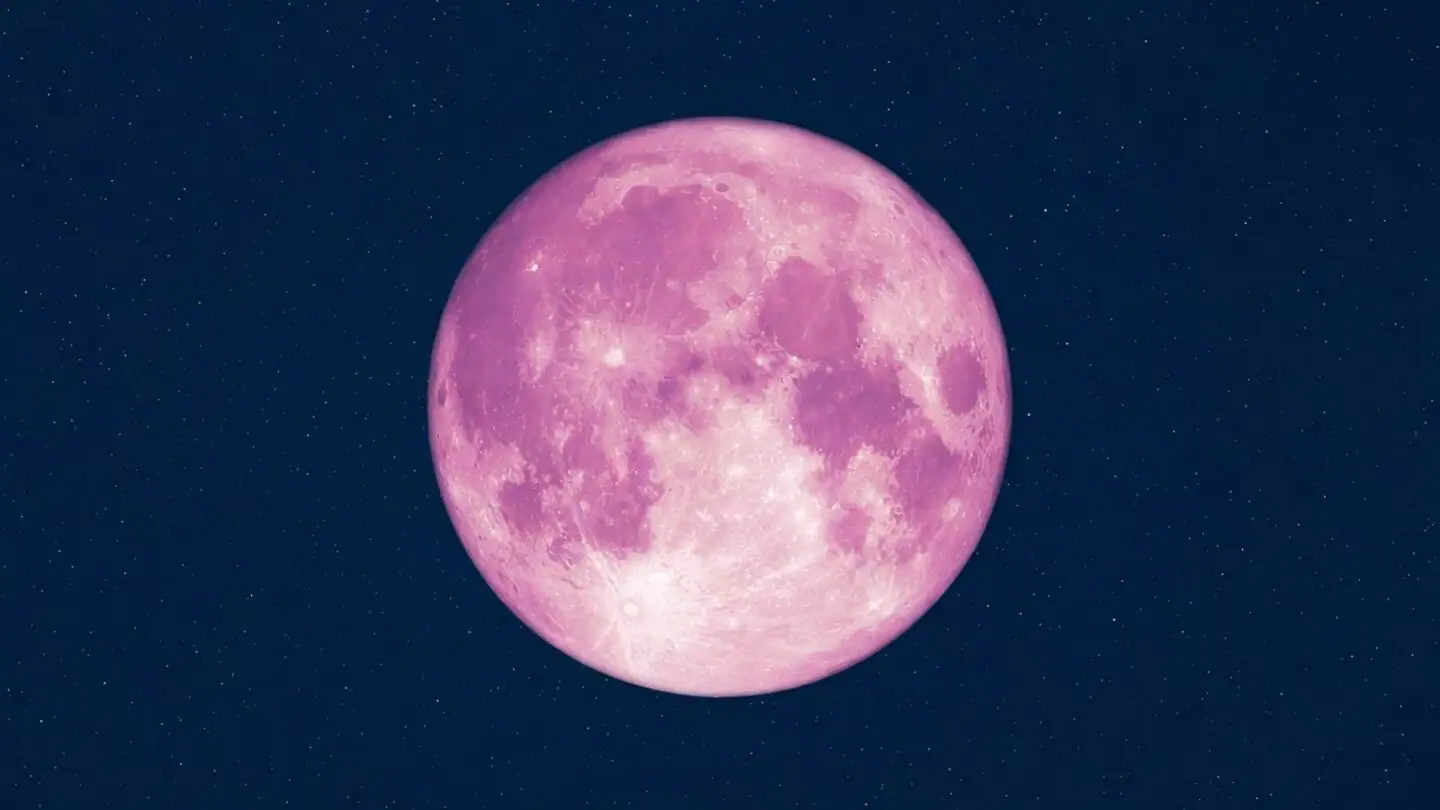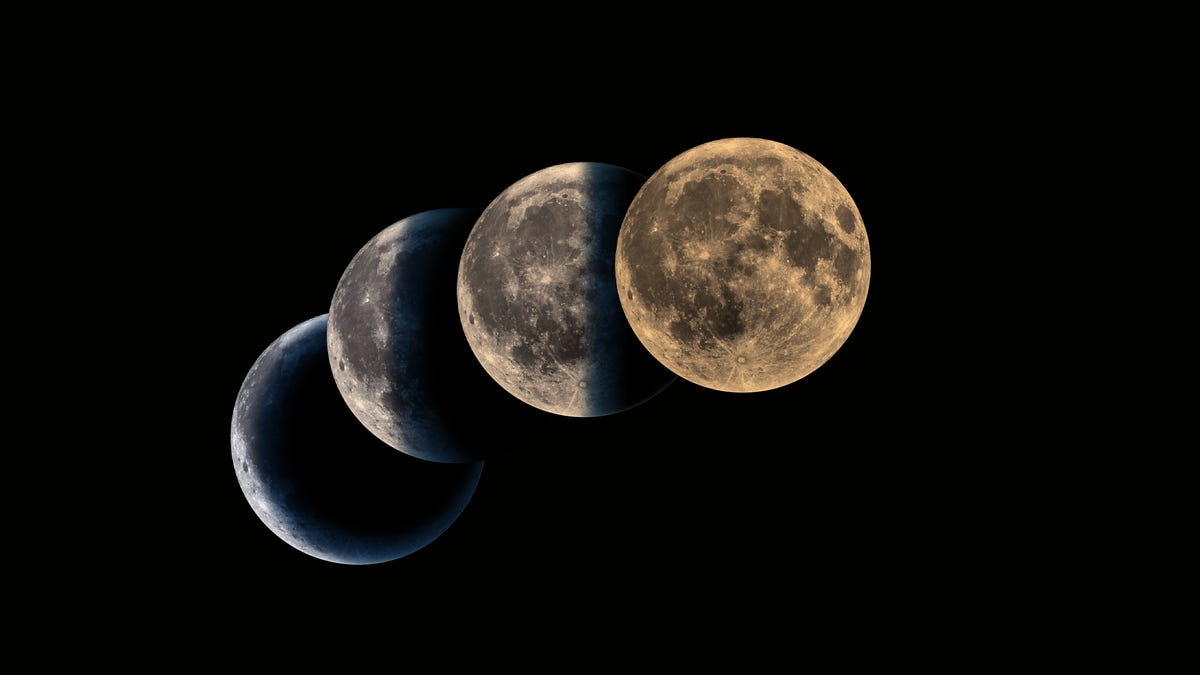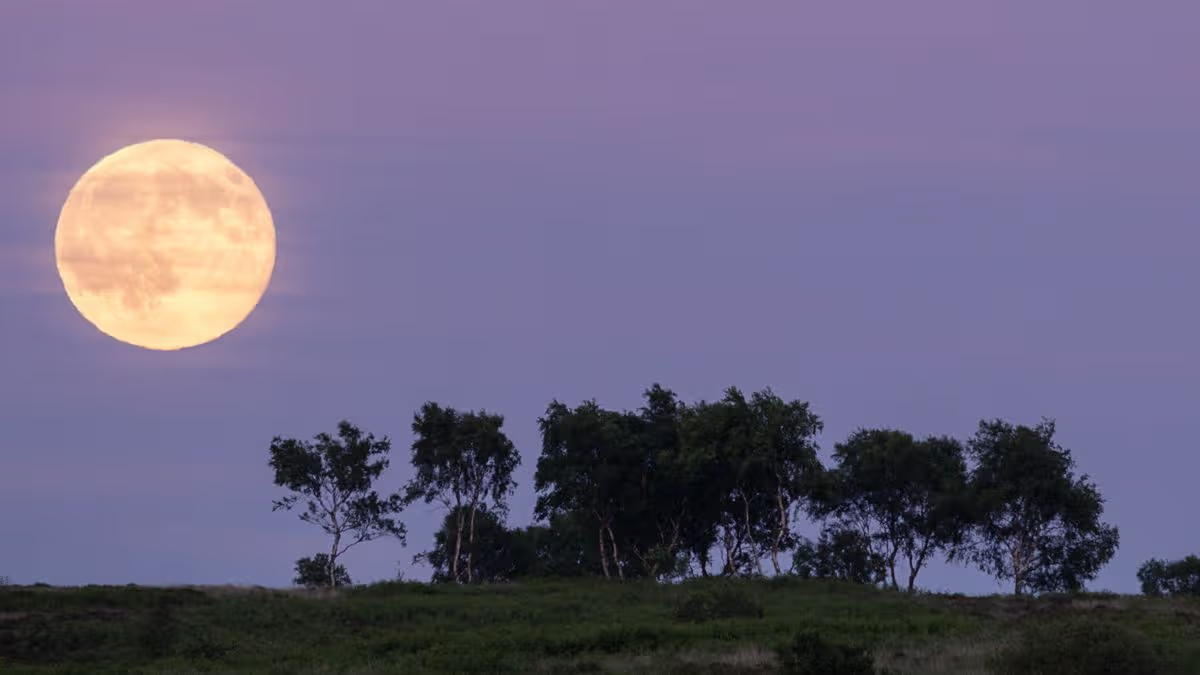
The stunning Strawberry Moon will be visible in the sky on June 30 - but it might be a little bit of a challenge to find a spot to see it13:42, 27 Jun 2026In a few days time a coppery, crimson full moon appear in the sky, dubbed with the whimsical name as the Strawberry Moon.The Strawberry full moon, the seventh of this year because of the unusual Blue Moon that appeared in May, will appear low in our skies - but that could make it hard to get a good look at the stunning display. It will begin to rise on Monday June 29 and it is expected to peak around 12.57am on June 30, but depending on whereabouts you are in the country, the peak will occur at slightly different times. However, tonight (Saturday 27 June) it will rise close to a red star, called the 'scorpion's heart', promising a gorgeous view.Last year saw the strongest sighting of the Strawberry Moon we will be blessed with for a long time - it won't be until 2043 that the Strawberry Moon sat that low on the horizon again, because of the years-long cycle the moon orbits. However, the 2026 Strawberry full moon still promises a unique view for stargazers as the lunar display takes on a pinky, dusky hue.The Mirror breaks down everything you need to know about the upcoming Strawberry Moon...Where to see the Strawberry Moon?Tonight, the Moon will be close to the Antares star, which is the brightest star in the constellation of Scorpio, which is why this star is known as 'scorpion heart'. It will be positioned to the left of the star, to see the lunar and star display, you will need to look low down in the Southern sky.This year's strawberry moon is a micromoon, this is because its at the farthest stage away from the Earth in its orbit, so it will look smaller in the sky and not appear squashed, like it isn't quite a full circle. However, because the Strawberry Moon appears so low in the sky, close to the horizon it will still look bigger than usual.To take in the full moon on Monday, it will start to rise at sunset but be most visible late in the evening, peaking at 12.57pm, per the Royal Observatory Greenwich, although as mentioned above it could vary depending on your location across the country. You should position yourself with a clear south-easterly view, ideally with as few blockages as possible along the horizon.Why is it called the Strawberry Moon?Normally the sixth full moon of the year, the June full moon is commonly dubbed the Strawberry Moon. The name is said to come from North America, where it rose in the sky at the same time as the first harvests of strawberries, originating with the Native Americans and Algonquin and brought back to the UK as a moniker by colonists.However, some historic European names for the moon are similar. It's often dubbed the Rose Moon and sometimes it's called the Honey Moon and the Mead Moon as well. Others have called it the hot moon, because it occurs at the start of the warmest period of the year.Why is the Strawberry Moon a different colour?Most often, the Strawberry Moon appears orange, or coppery coloured, but occasionally it appears with pinky hues. Whilst it would be romantic to assume this has something to do with why it is called the Strawberry Moon, unfortunately that isn't the case, it's do with the science behind its positioning.First up there is Rayleigh scattering. Because the moon will be low on the horizon, the light must travel through much more of the Earth's atmosphere. Molecules of nitrogen, oxygen, as well as tiny aerosols in the air make short-wavelength light (violet, blue, green) scatter, but they do this less efficiently with long-wavelength light (orange, red). The longer the light's journey through that haze, the more of the blues are stripped away, which means that it's primarily the reds and oranges that manage to reach our eyes, giving off the rusty, coppery hue.Secondly, it's pollution, dust and smoke that strip more and more of the blue, green and violet, short wavelength light away, adding to the appearance that the moon is a reddish orange. Once again, because the moon is closer and sitting low on the horizon, the light has to pass through these pollutants and dust, as well as water vapour, which are larger particles that selectively absorb and scatter light.What are the names of all the full moons?Every full moon has its own nickname, not just the Strawberry Moon. Below is a full list of the all the nicknames bestowed upon full moons throughout 2026.January – Wolf MoonFebruary – Snow MoonMarch - Worm MoonApril – Pink MoonMay – Flower MoonSecond May Full Moon - Blue MoonJune – Strawberry MoonJuly – Buck MoonAugust – Sturgeon MoonSeptember – Corn MoonOctober – Hunter's MoonNovember – Beaver MoonArticle continues belowDecember – Cold Moon
Strawberry Moon: Where to see it, what is it, and how it got its name
The stunning Strawberry Moon will be visible in the sky on June 30 - but it might be a little bit of a challenge to find a spot to see it
830 words~4 min read