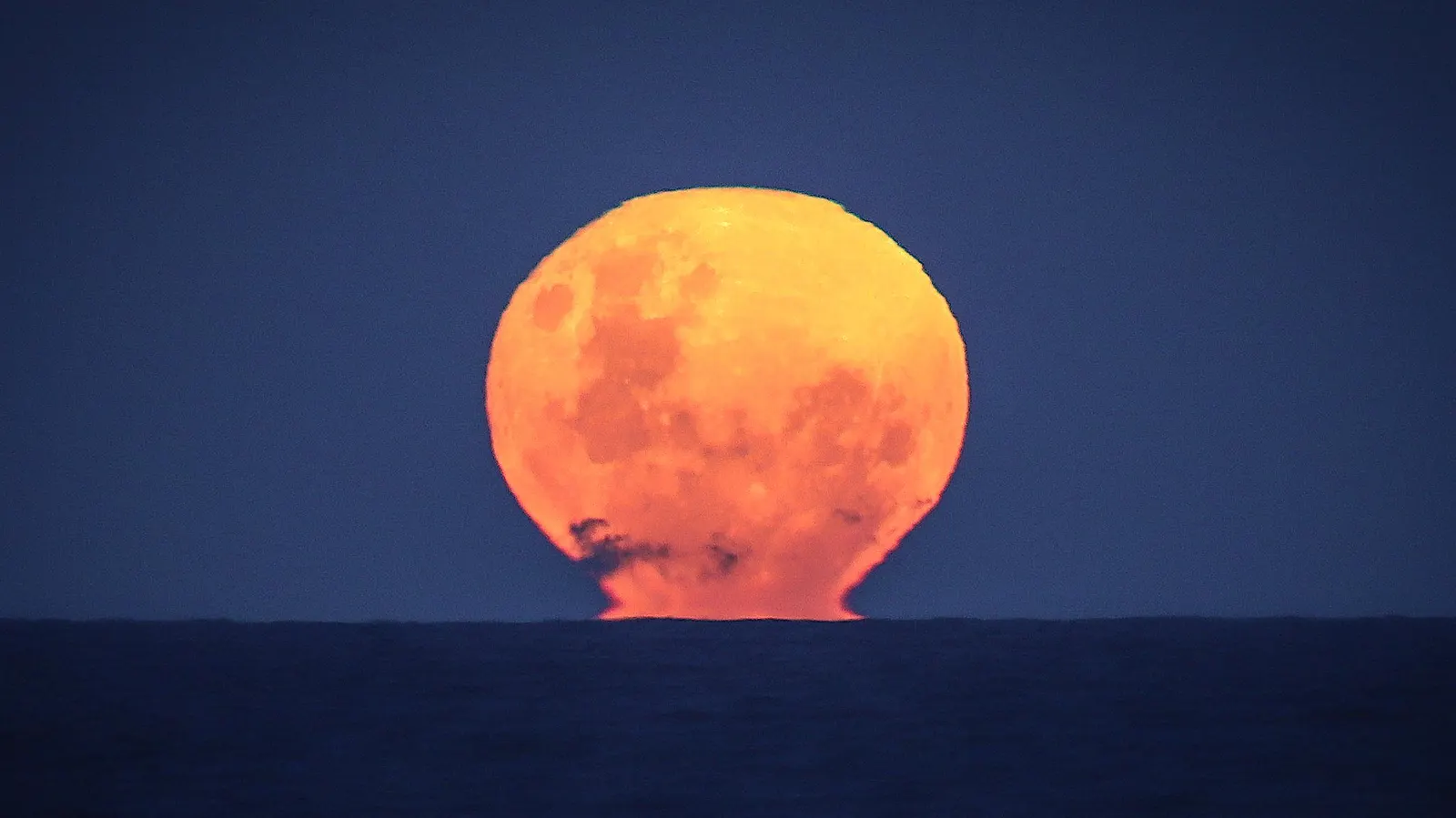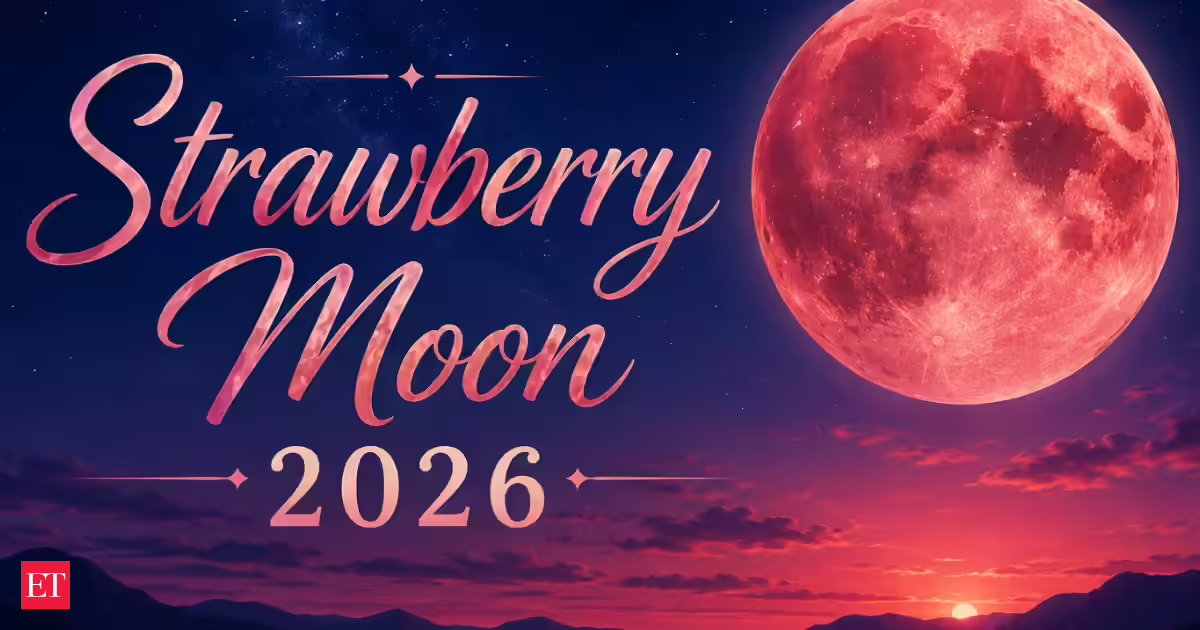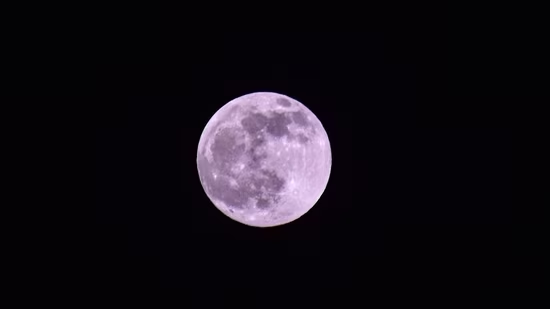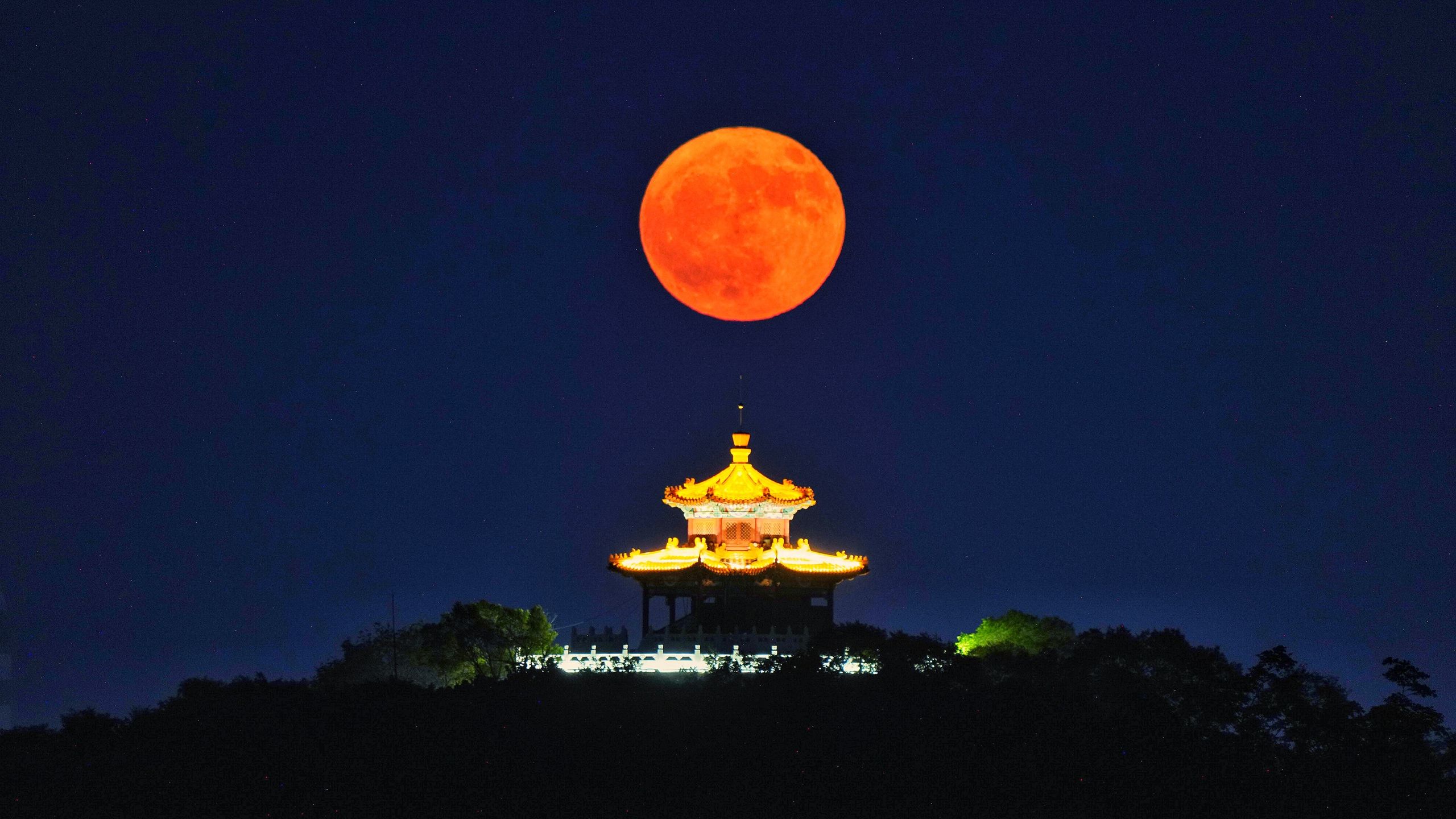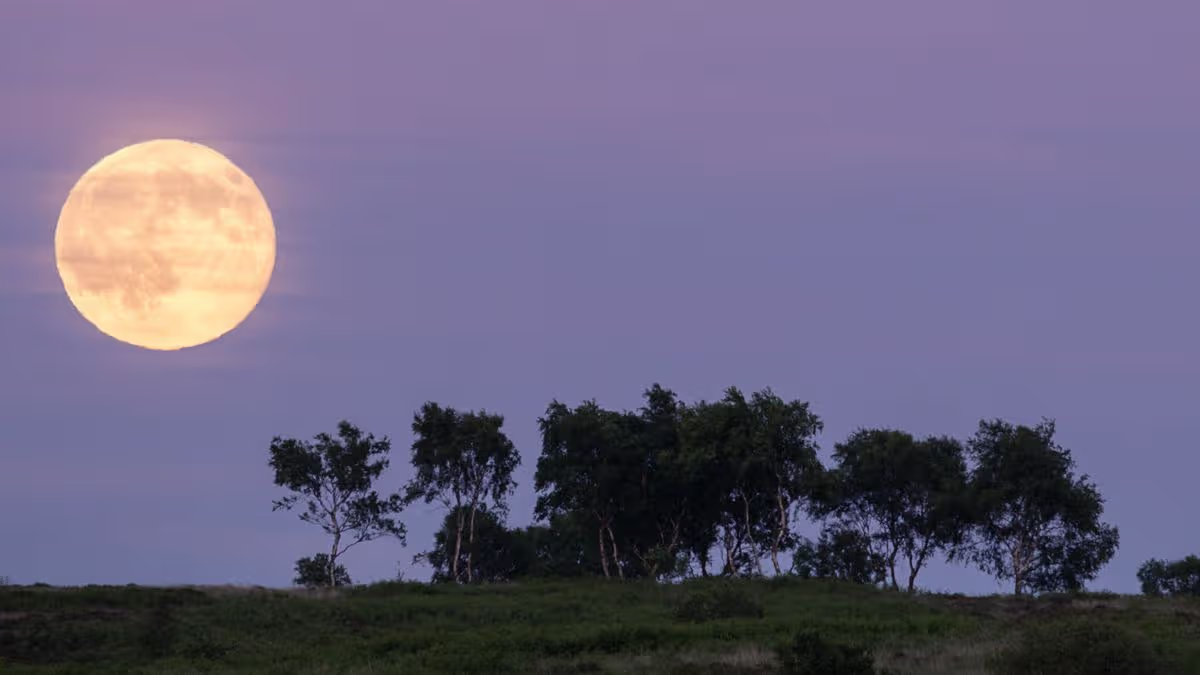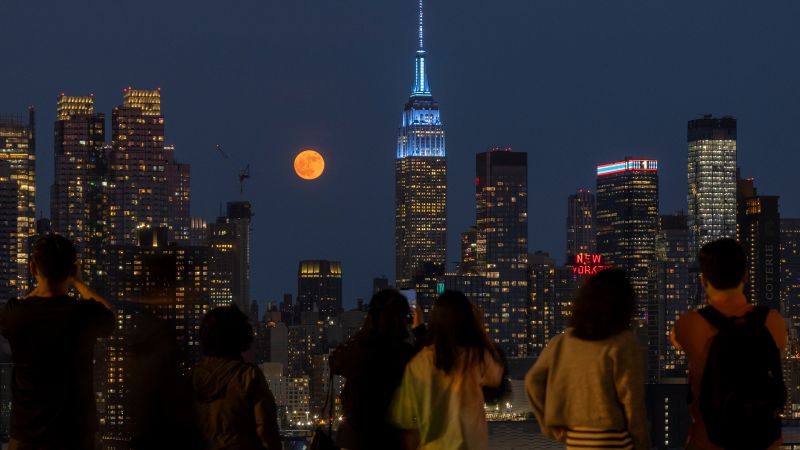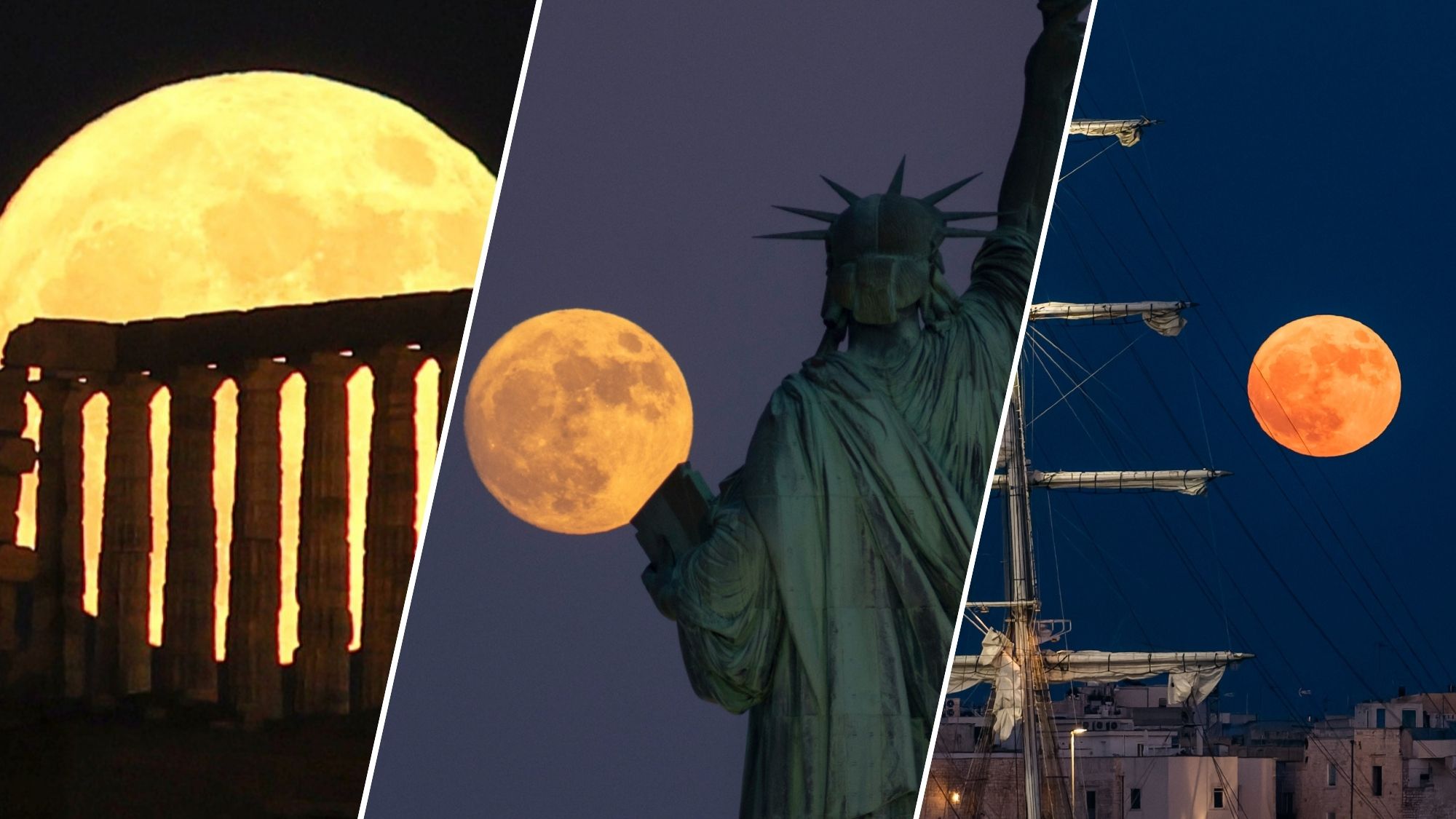
It's almost the Full Moon, and in June it's called the Strawberry Moon. Like many of the Moon's names, this doesn't have anything to do with the visuals of the Moon (kind of like how last month's moon wasn't actually blue), but more to do with the seasonal and cultural traditions associated with June.Want to know more about the first Moon of the summer? Keep reading to find out more.When is the June full moon?The Full Moon will occur on Monday, June 29. Time and Date estimates it will peak at 7:56 p.m. ET.
You May Also Like
What is the June full moon called?The June Full Moon is known as the Strawberry Moon.
Mashable Light Speed
According to NASA, this name originated with the Algonquin tribes of the northeastern United States. It marked the time in June when strawberries were ripe and ready to harvest. So, it's no surprise it ties in with peak strawberry season, when the fruit is at its best and you start seeing punnets everywhere. Another little reminder that summer is finally kicking in.When is the next full moon?The next Full Moon will take place on July 29.What are the lunar phases?The Moon completes a full cycle of eight phases as it orbits Earth in about 29 and a half days. As it moves around our planet, sunlight falls on different parts of it from our point of view, even though we always see the same side. This changing angle of light makes the illuminated portion appear to grow and shrink, moving from full brightness to a thin glow and back again. The phases are:New Moon — The moon is between Earth and the sun, so the side we see is dark (so, we don't see anything).Waxing Crescent — A small sliver of light appears on the right side First Quarter — Half of the moon is lit on the right side. It looks like a half-moon.Waxing Gibbous — More than half is lit up, but it’s not quite full yet.Full Moon — The whole face of the moon is illuminated and fully visible.Waning Gibbous — The moon starts losing light on the right side Third Quarter (or Last Quarter) — Another half-moon, but now the left side is lit.Waning Crescent — A thin sliver of light remains on the left side before going dark again.Want more science and tech news delivered straight to your inbox? Sign up for Mashable's Light Speed newsletter today.