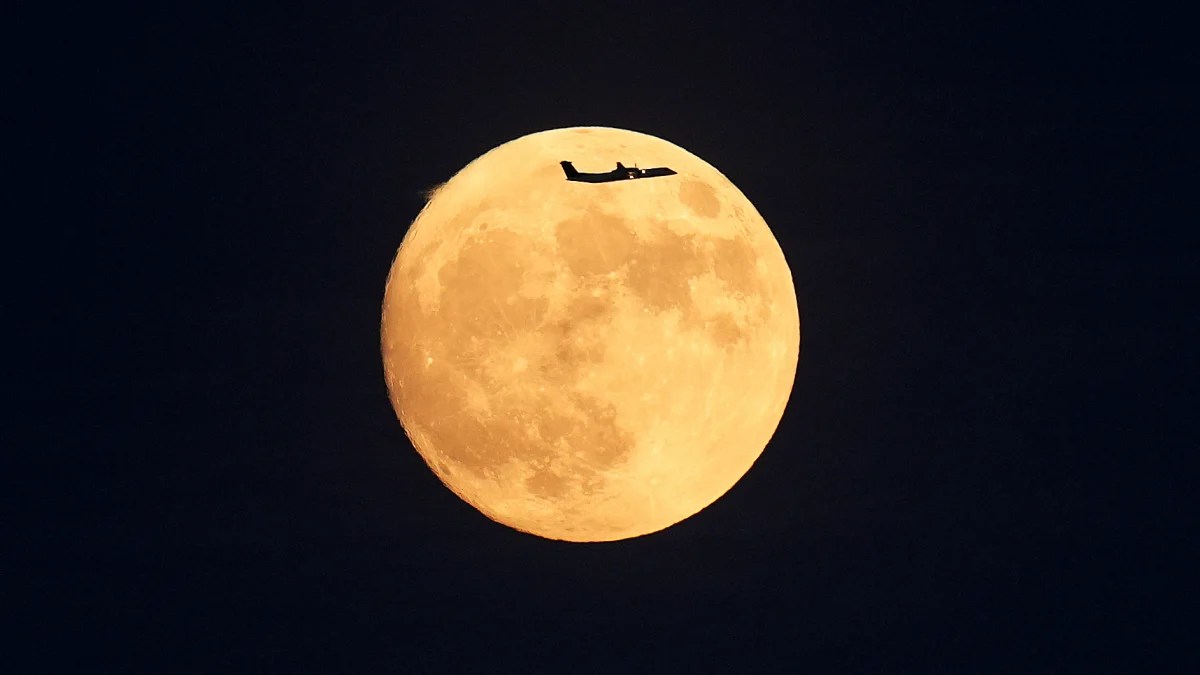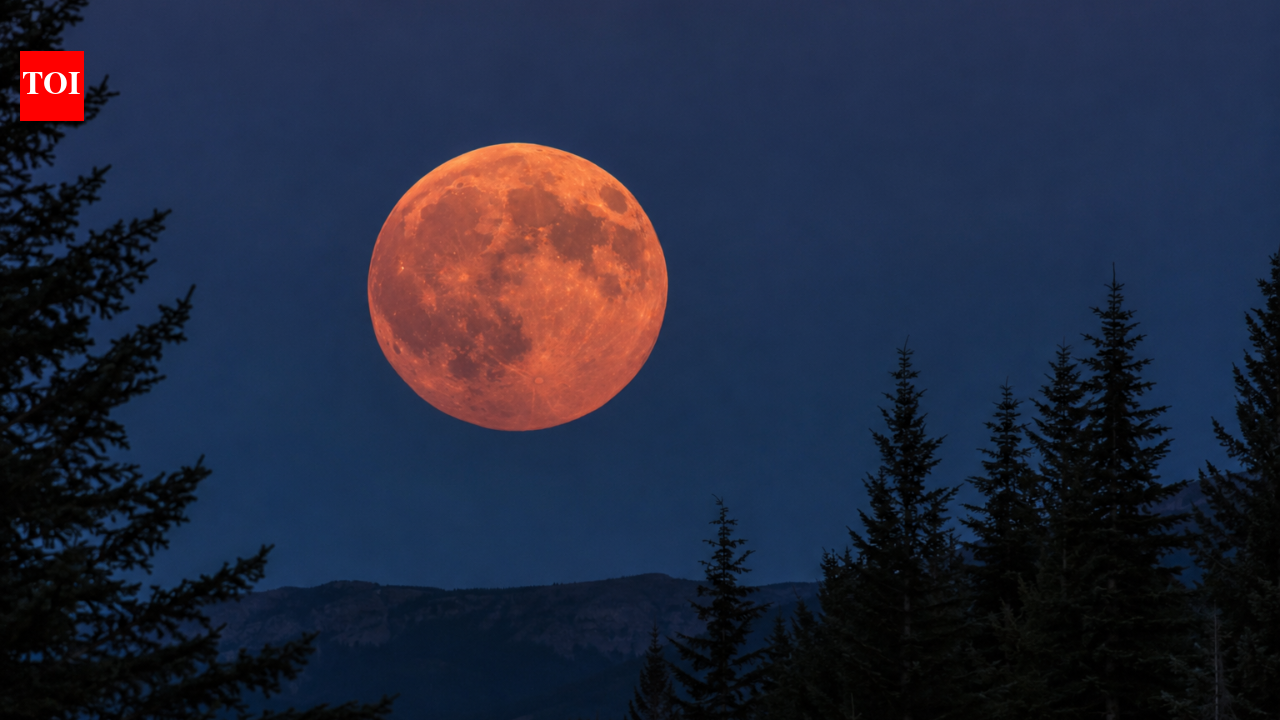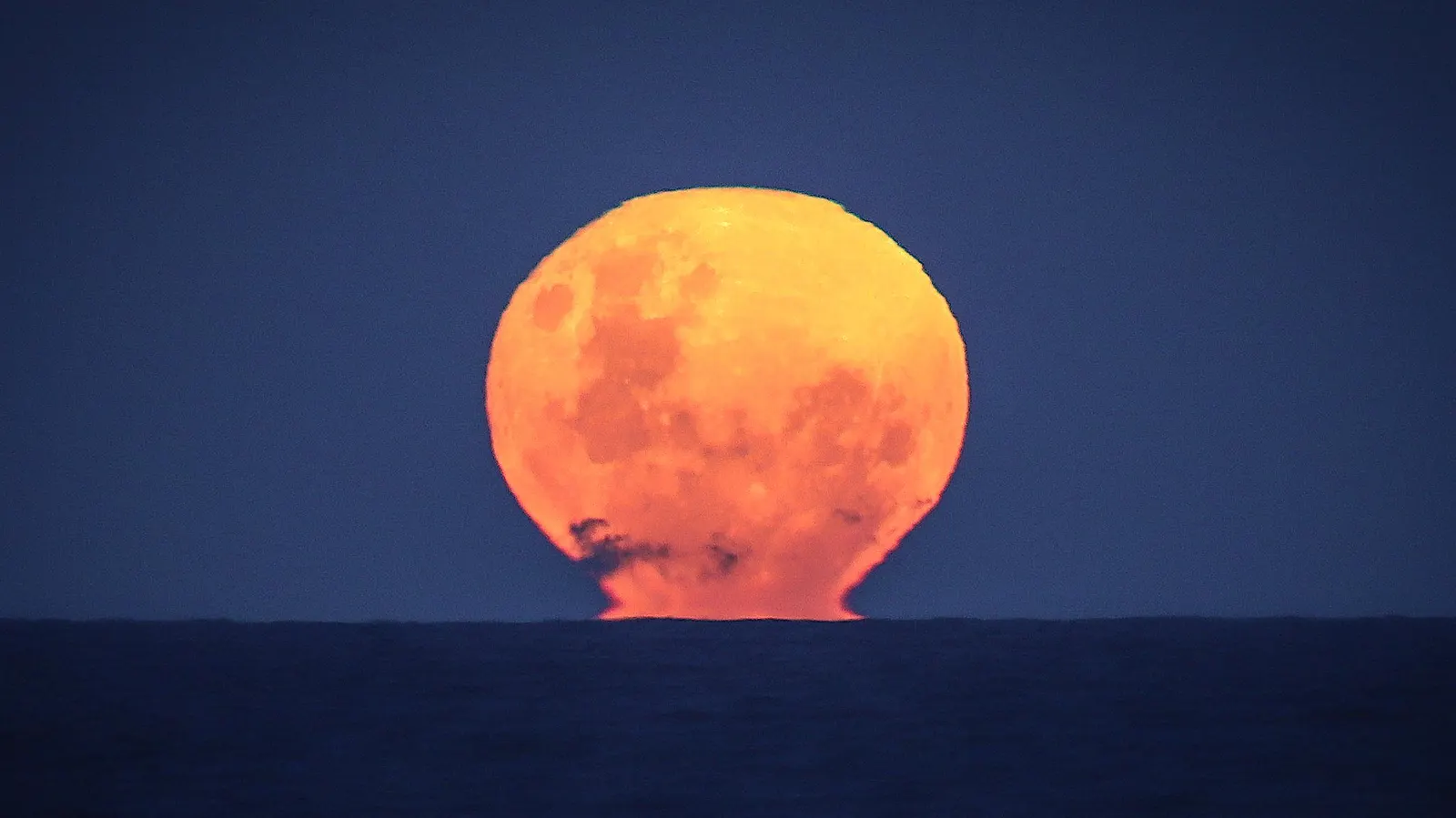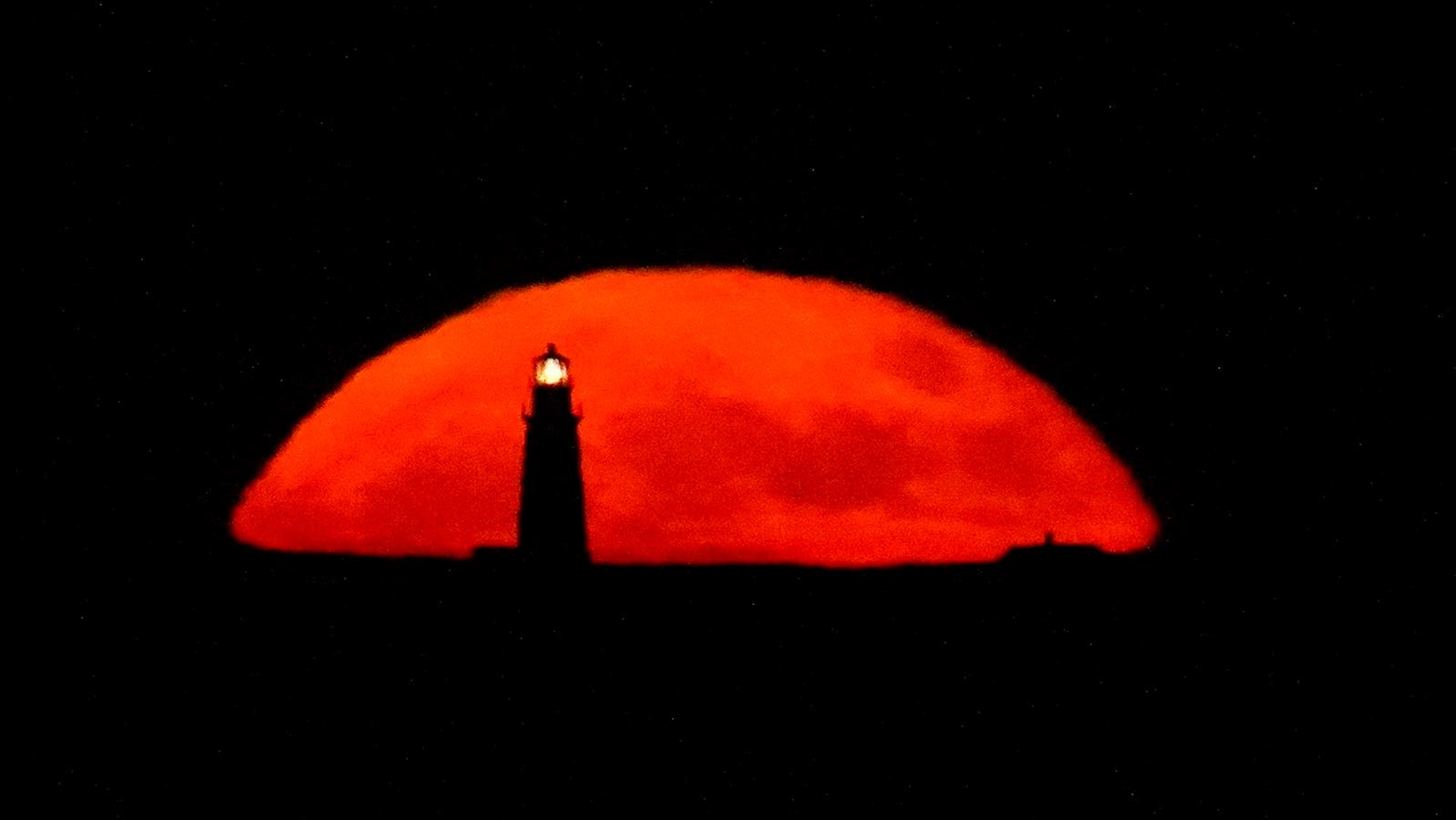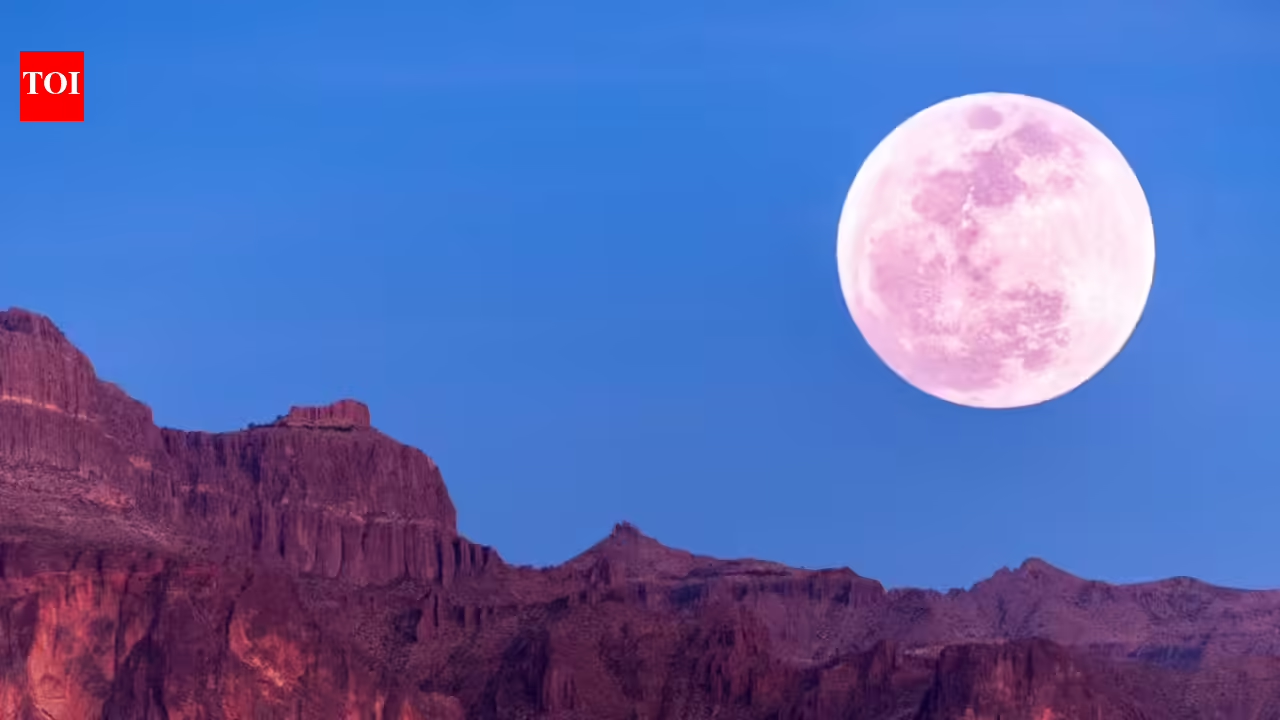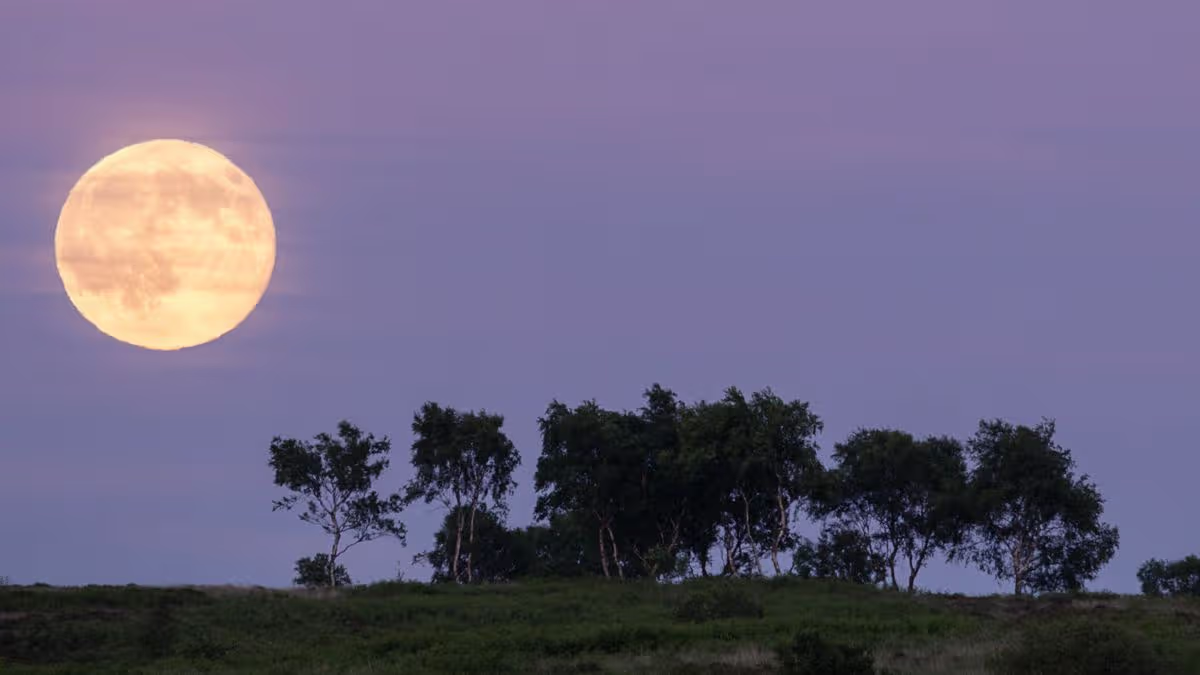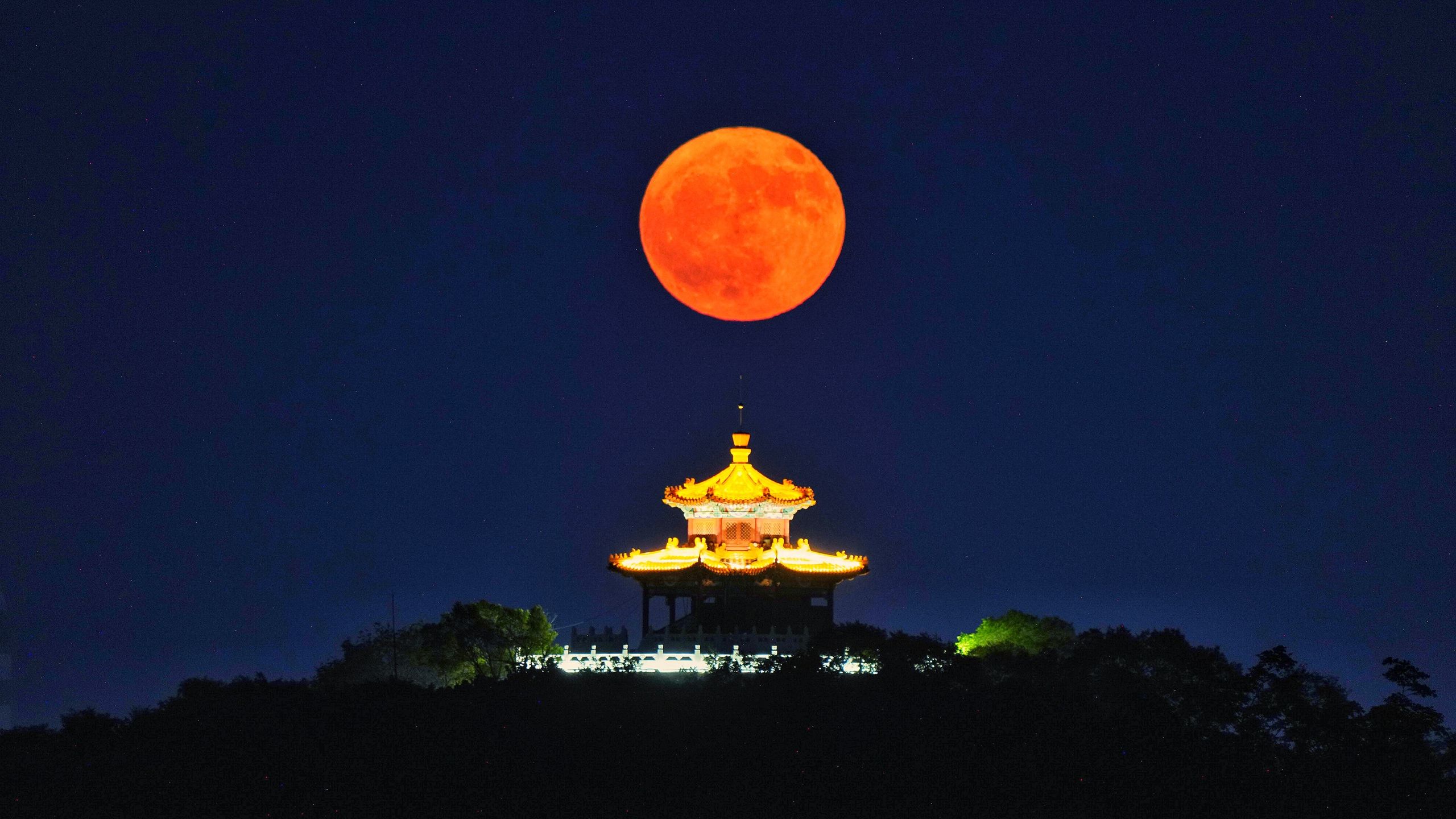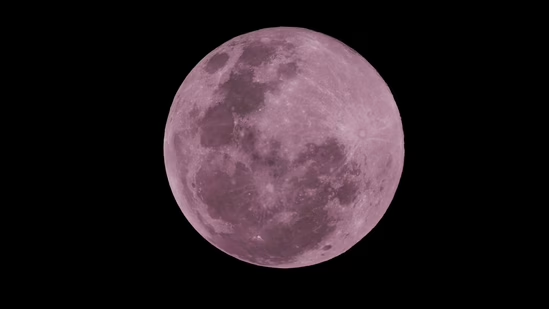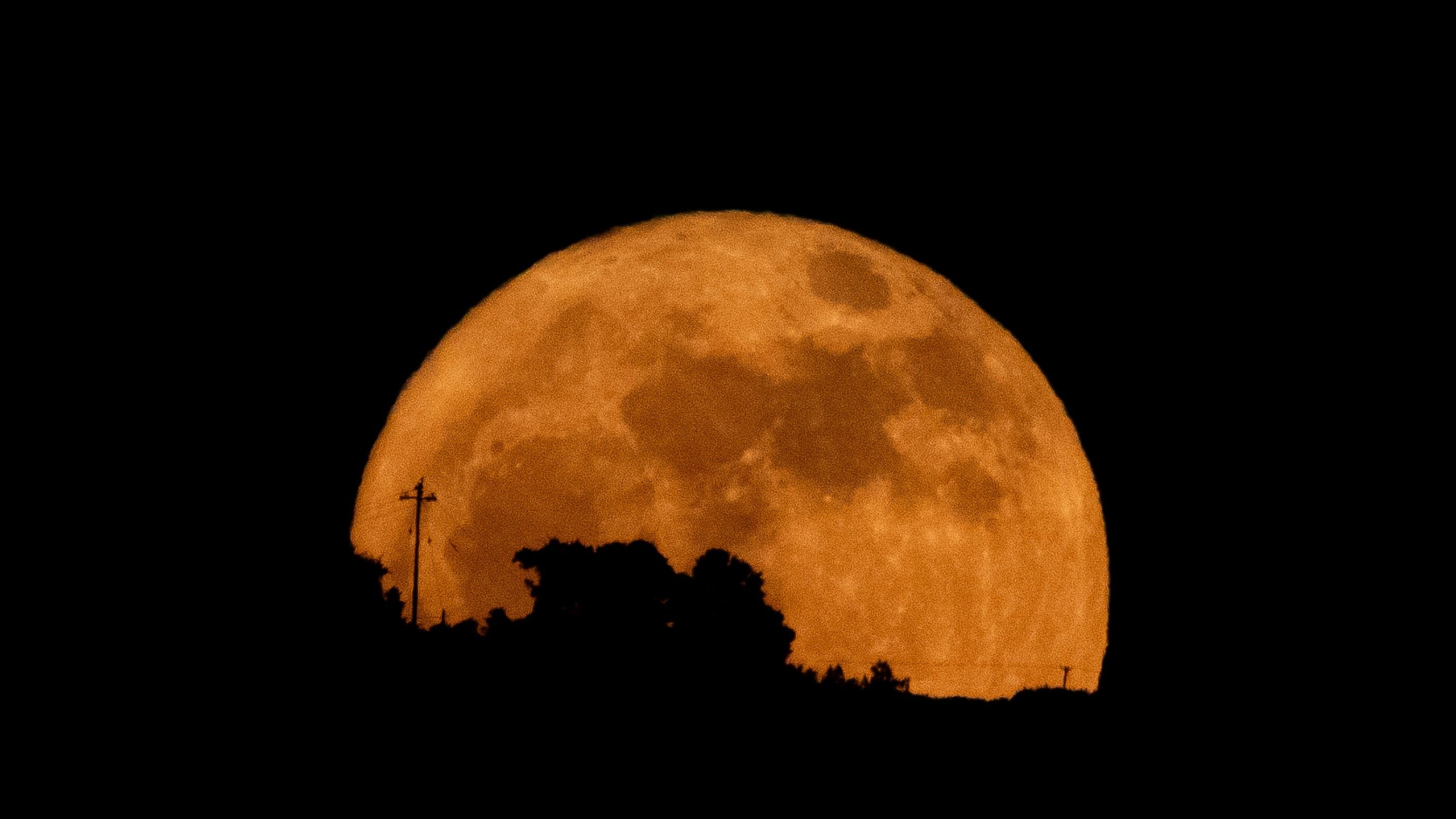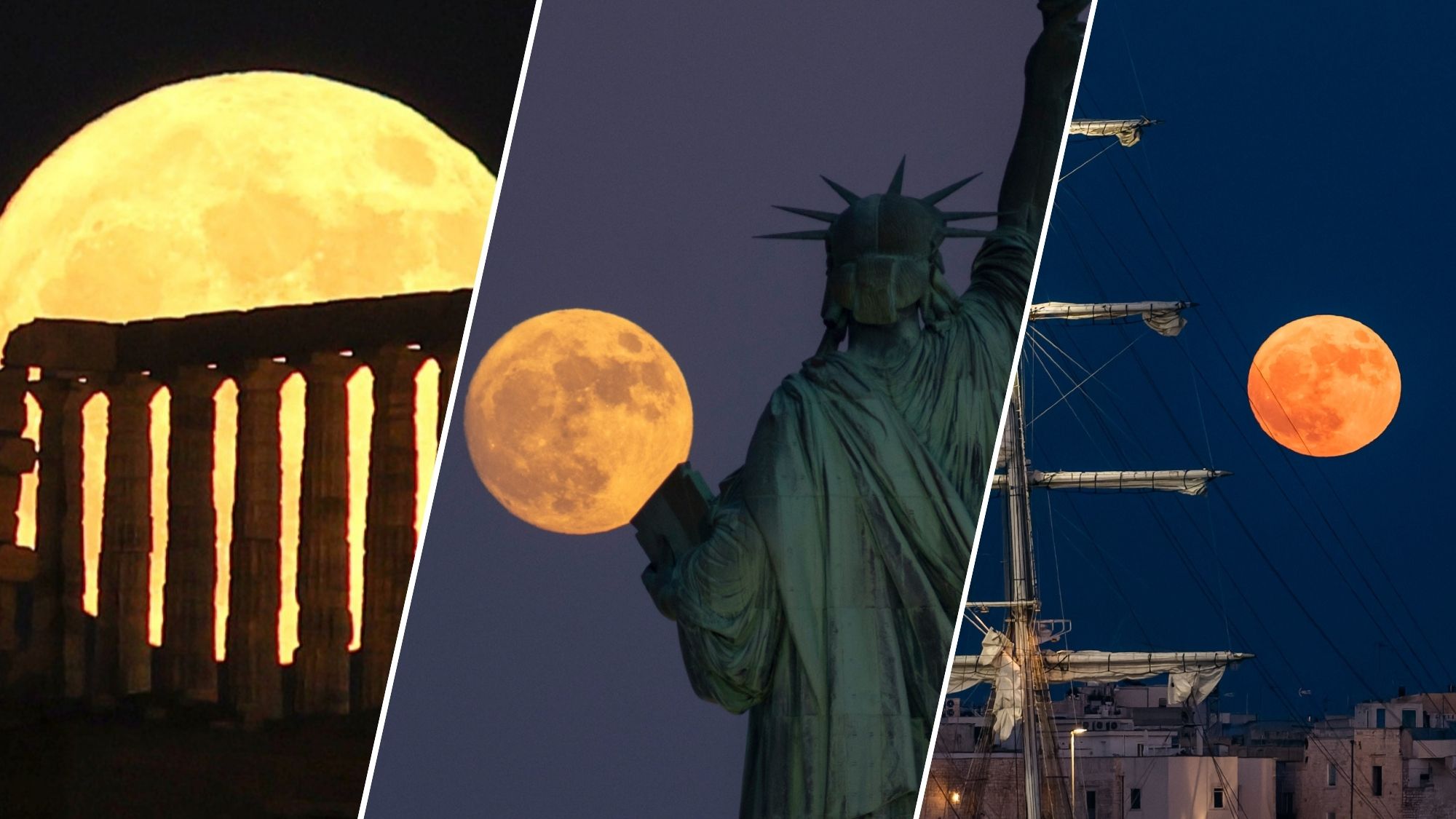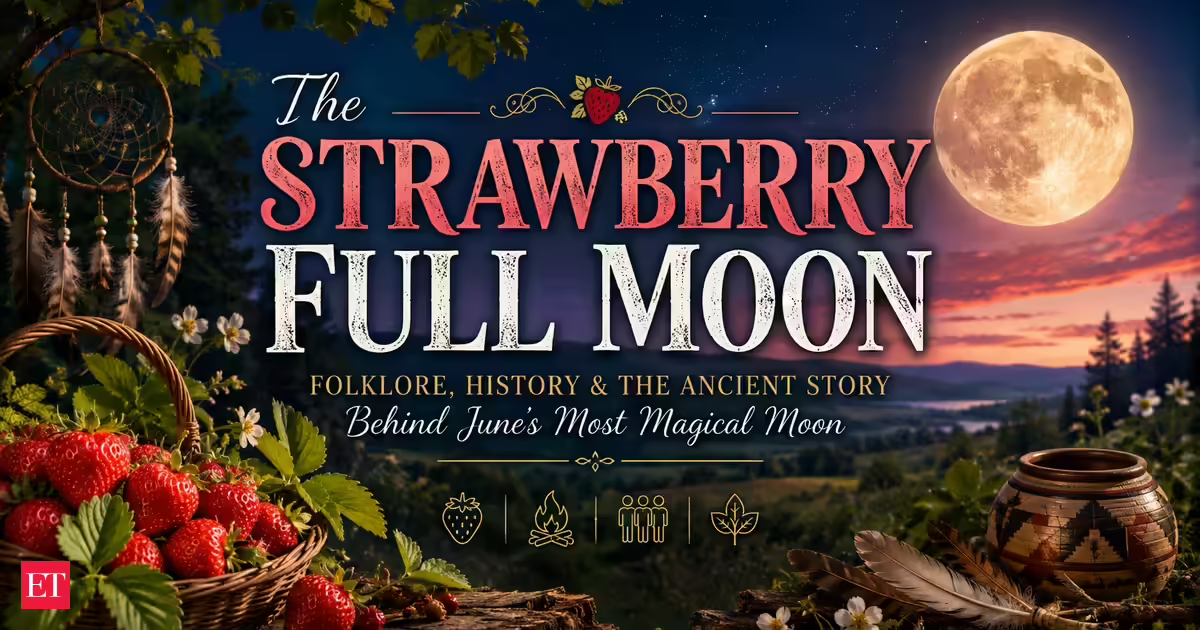
Imagine looking up at the night sky thousands of years ago. There were no smartphones, calendars, or weather apps only the Moon guiding the rhythm of life. Every Full Moon marked a new chapter in nature, helping communities know when to plant, harvest, celebrate, and prepare for the changing seasons.Among all the Full Moons of the year, none carries a sweeter name than the Strawberry Full Moon. Contrary to popular belief, it isn't named because the Moon turns pink or red. Instead, its story is rooted in ancient harvest traditions, Indigenous wisdom, and centuries of folklore that continue to fascinate people today.Also Read: Strawberry Full Moon Energy Shift May Reveal a Life Truth You Never Saw Coming The Real Origin of the Strawberry Full MoonThe name Strawberry Full Moon originated with several Native American tribes, particularly the Algonquin, who noticed that wild strawberries ripened during the Full Moon in June.Wild strawberries were among the first fruits of summer, making them an important seasonal food source. The Full Moon became a natural reminder that it was time to gather the berries before their short harvest season ended.Unlike today's calendars, many Indigenous communities relied on the Moon as a seasonal clock. Each Full Moon reflected an important event happening in nature, and the Strawberry Moon marked the beginning of abundance after the hardships of winter.More Than Just a Harvest MoonFor many Indigenous cultures, strawberries symbolized much more than food.The fruit represented:Gratitude for nature's giftsFamily gatherings during harvestRenewal after a long winterHarmony between people and the EarthHarvesting strawberries became a community celebration, strengthening bonds while honoring the natural world.How Europe Gave June's Moon Different NamesAcross the Atlantic, Europeans had their own traditions for naming the June Full Moon. Depending on the region, it was called:Rose Moon because roses bloom throughout June.Honey Moon or Mead Moon, celebrating the honey harvest and the tradition of making mead.Hot Moon, marking the arrival of warmer summer weather.Interestingly, some historians believe the term "honeymoon" may have been inspired by June's Honey Moon, as June has long been considered one of the most popular months for weddings.Ancient Folklore and Moon LegendsLong before astronomy explained the Moon's movements, people believed every Full Moon carried special energy. Folklore surrounding the Strawberry Full Moon often suggested it was a favorable time for:Beginning new relationshipsCelebrating love and marriageGiving thanks for life's blessingsStrengthening family bondsReflecting on personal growth before the height of summerWhile these beliefs vary across cultures, they reveal how deeply people connected the Moon with everyday life.The Biggest Myth: Is the Strawberry Moon Actually Pink?One of the internet's biggest misconceptions is that the Strawberry Moon glows bright pink.In reality, the Moon usually looks its normal white or pale yellow color. However, because the June Full Moon often rises low on the horizon, Earth's atmosphere can scatter light, making it appear orange, golden, or reddish during moonrise. This beautiful optical illusion has helped fuel the myth for generations.Also Read: Strawberry Moon 2026: Rare Lunar Energy Is Coming On June 29 To Change Your Life For Next 6 MonthsWhy the Strawberry Full Moon Still Matters TodayEven in the modern world, the Strawberry Full Moon continues to inspire skywatchers, photographers, storytellers, and spiritual communities.People gather each June to admire its beauty, learn about its fascinating history, and reconnect with nature. Social media has introduced millions of new observers to this centuries-old tradition, proving that humanity's fascination with the Full Moon is as strong as ever.Whether you see it as a seasonal marker, a cultural tradition, or simply one of the most beautiful sights in the night sky, the Strawberry Full Moon remains a timeless reminder that nature has always told its own story one moonrise at a time.Disclaimer Statement: This content is authored by a 3rd party. The views expressed here are that of the respective authors/ entities and do not represent the views of Economic Times (ET). ET does not guarantee, vouch for or endorse any of its contents nor is responsible for them in any manner whatsoever. Please take all steps necessary to ascertain that any information and content provided is correct, updated, and verified. ET hereby disclaims any and all warranties, express or implied, relating to the report and any content therein.
Strawberry Full Moon: A Magical Tale of Harvests, Legends, and Moonlit Traditions Behind June's Most Beautiful Moon
Discover the fascinating folklore and history of the Strawberry Full Moon. Learn why June's Full Moon got its sweet name, its Native American origins, myths, symbolism, and cultural traditions.
700 words~3 min read