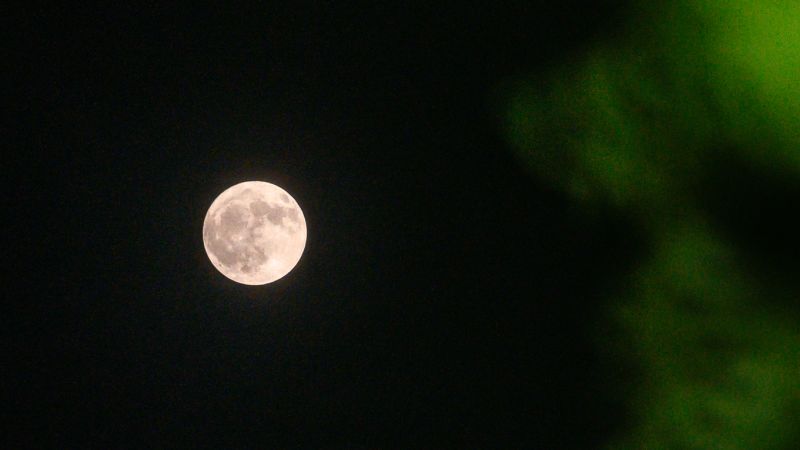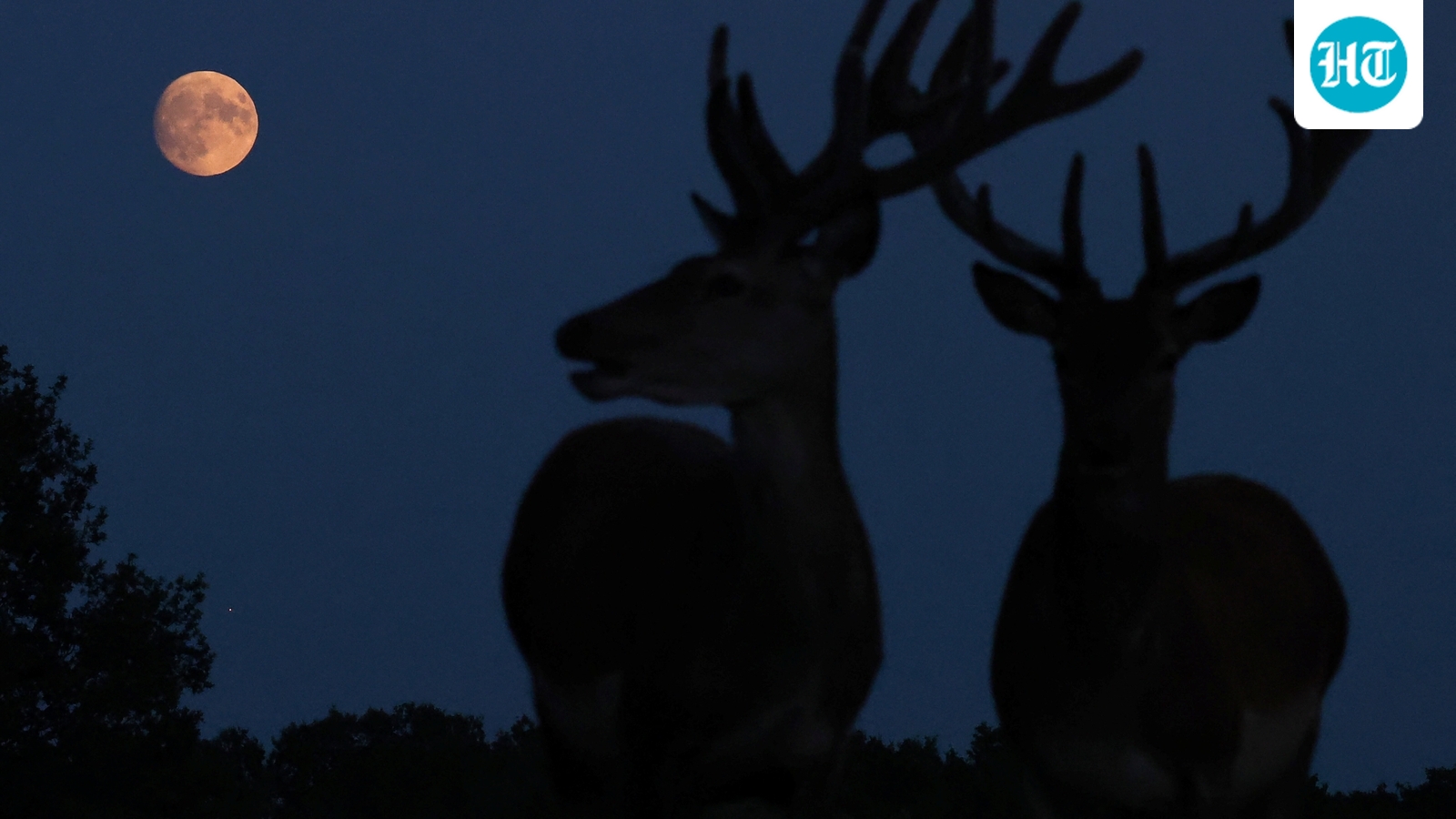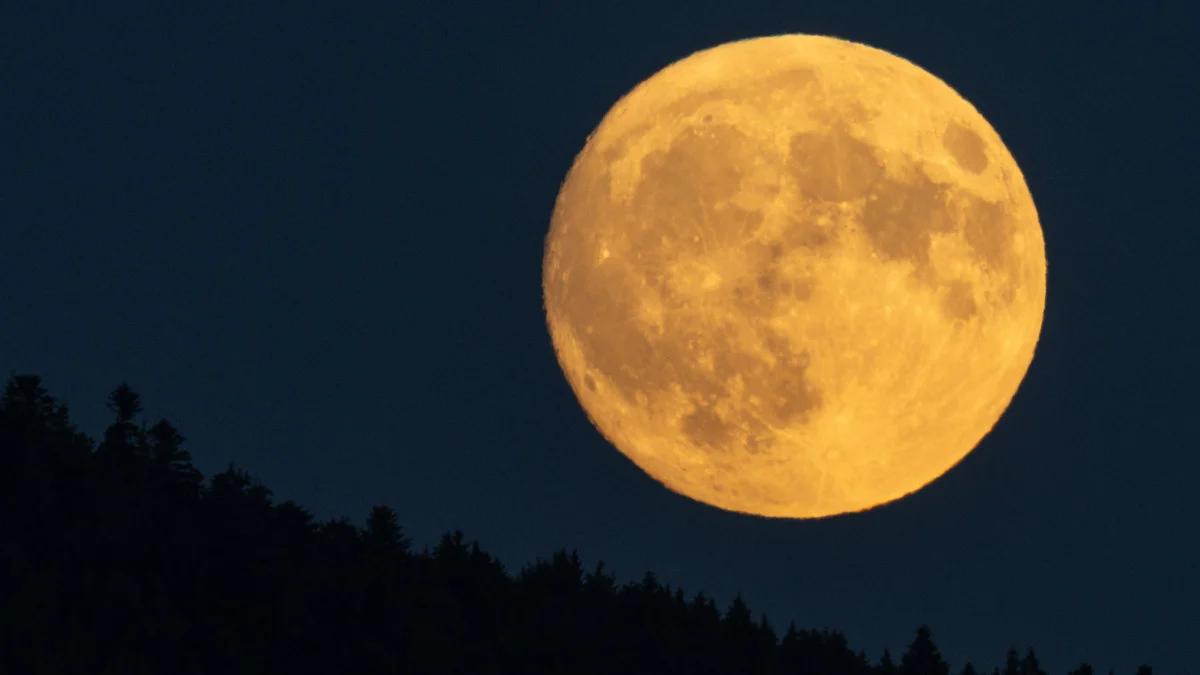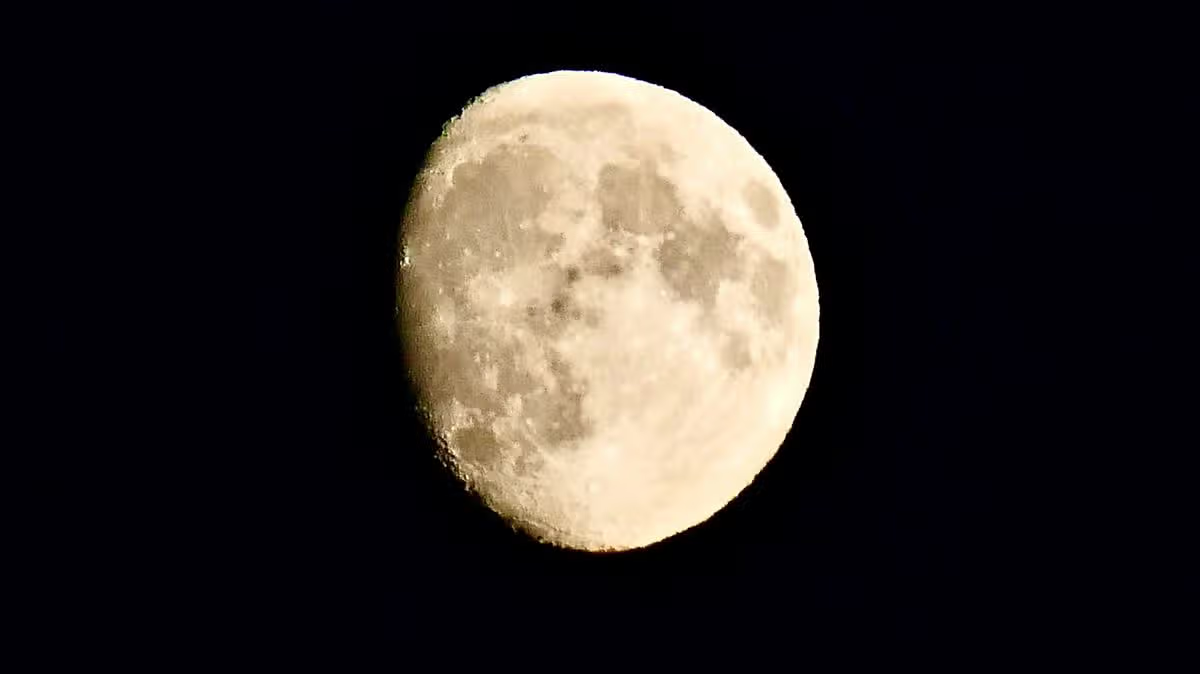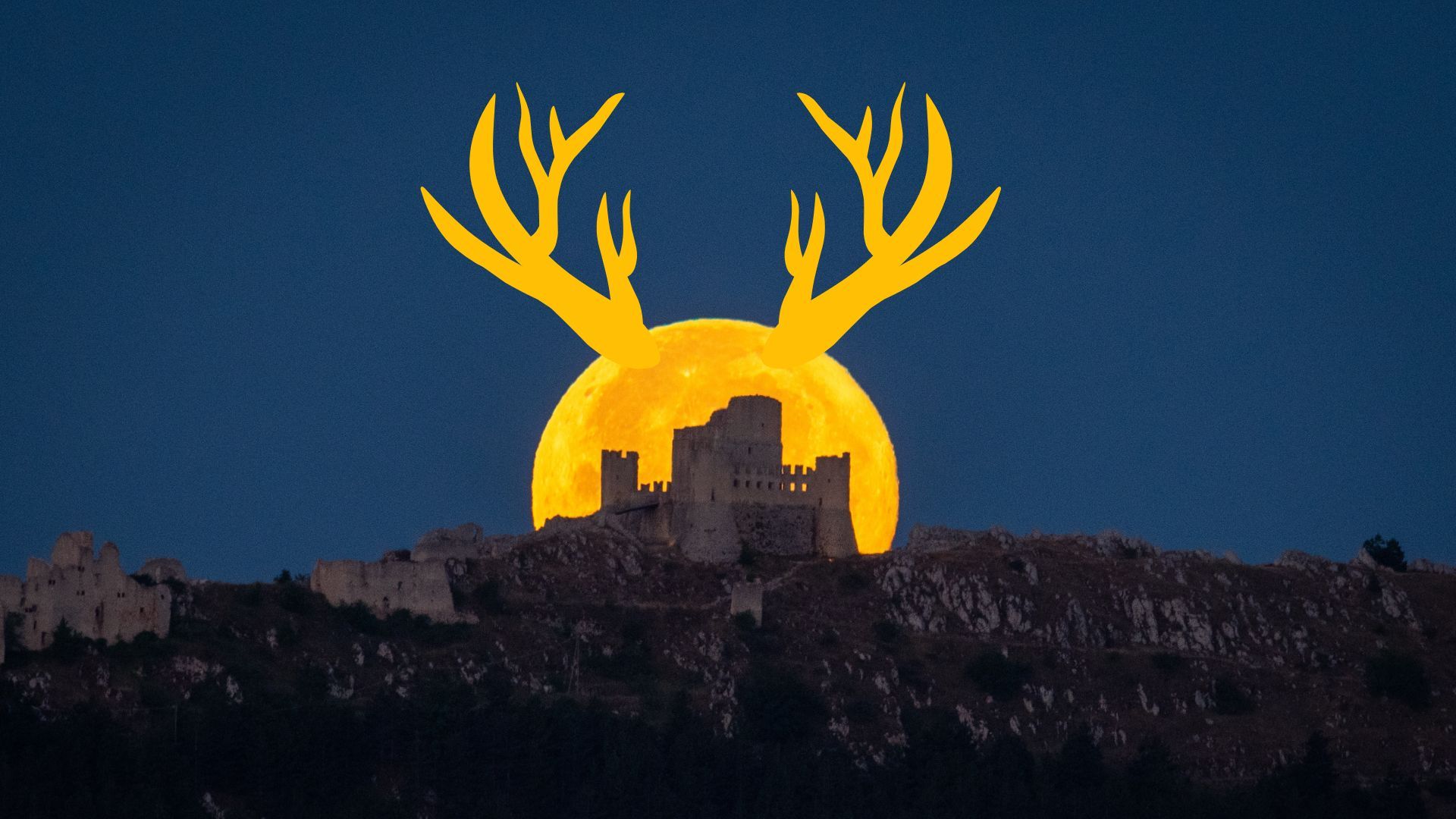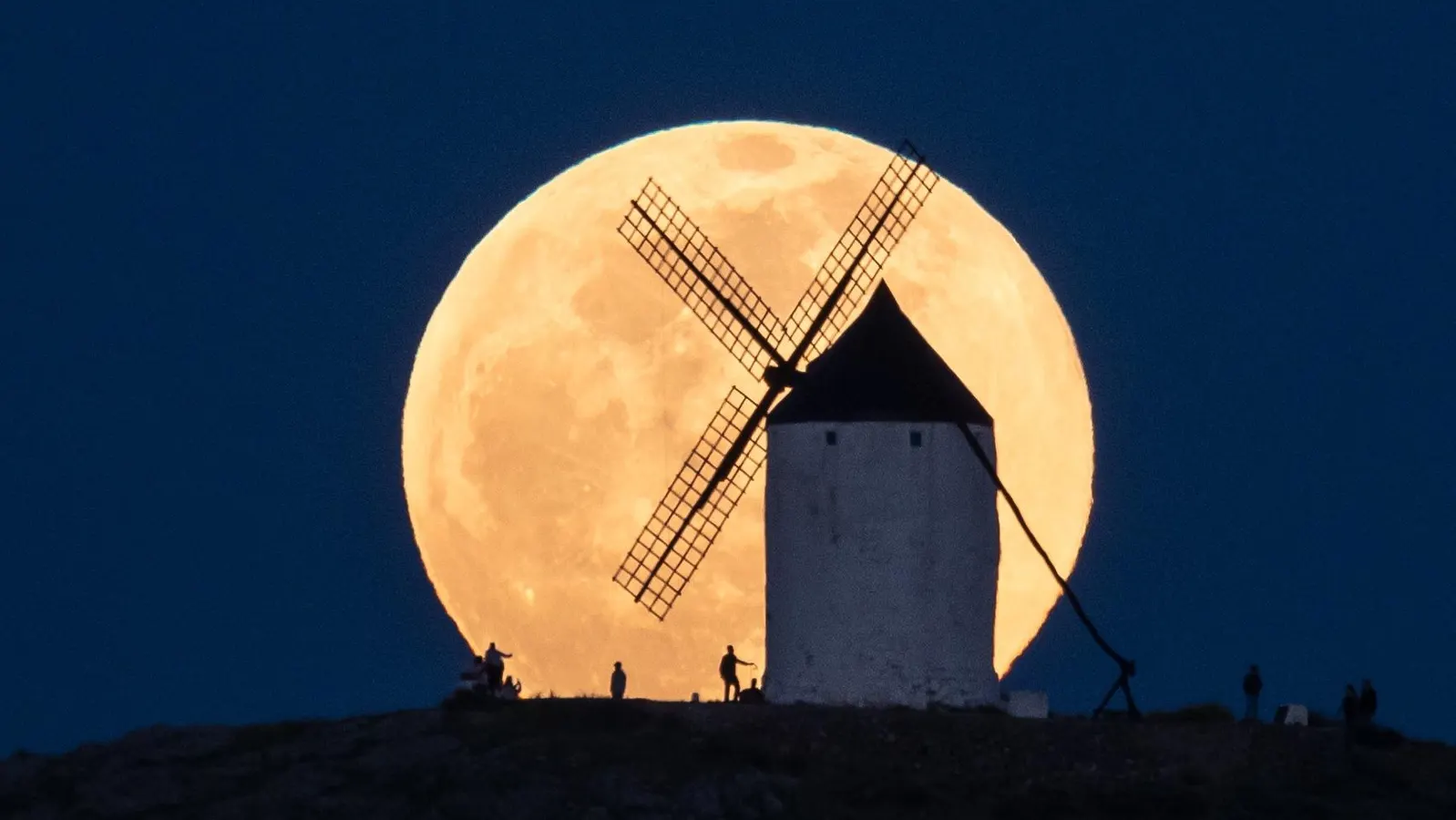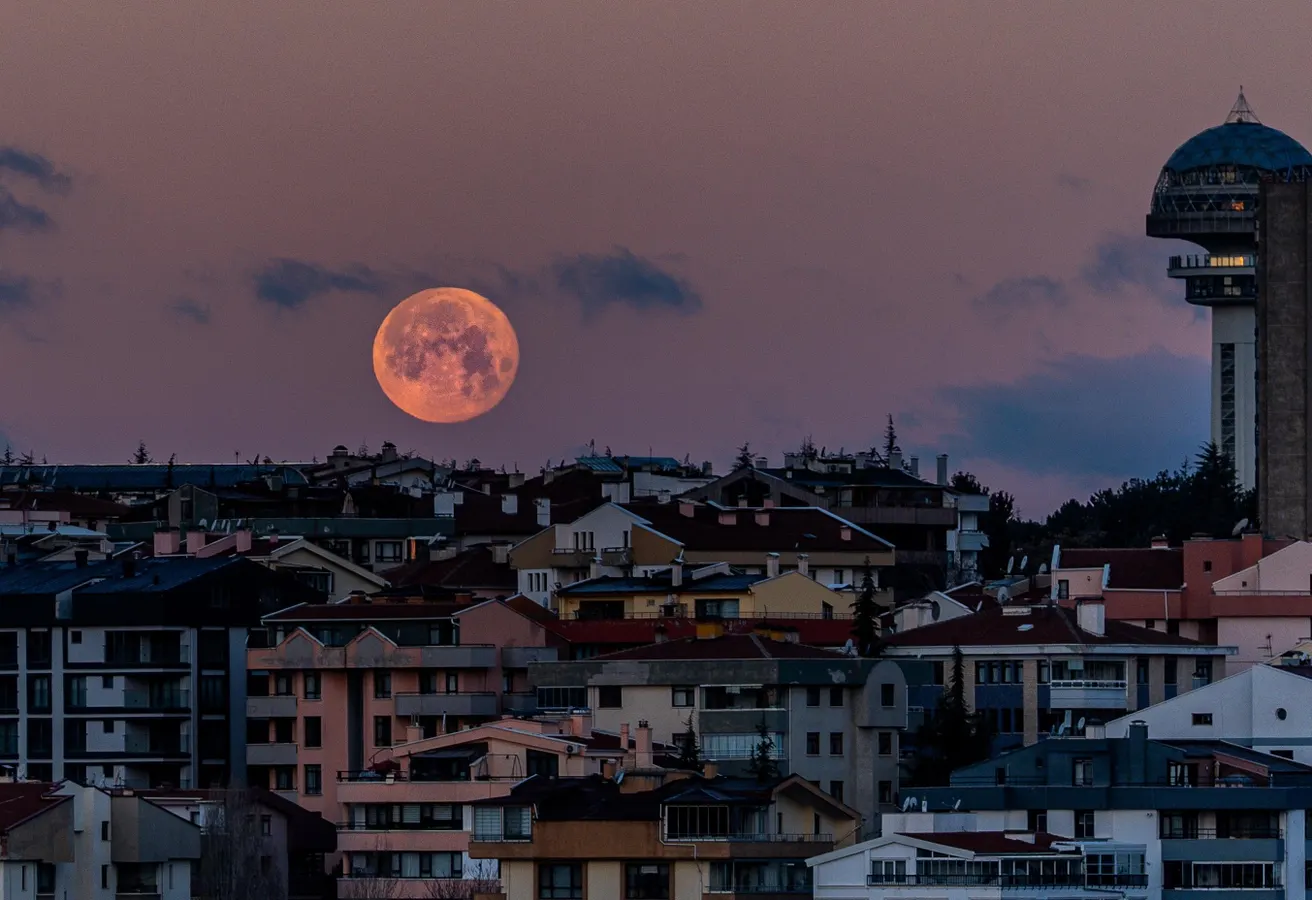
The full Buck Moon — the eighth full moon of 2026 — rose into evening skies around the world on Wednesday, July 29, illuminating midsummer landscapes and offering photographers a classic warm-weather full moon as twilight faded. Half an orbit later, on Aug. 12, the next new moon will be positioned precisely between the Earth and the sun as seen from parts of Greenland, Iceland and Spain, causing a dramatic total solar eclipse.
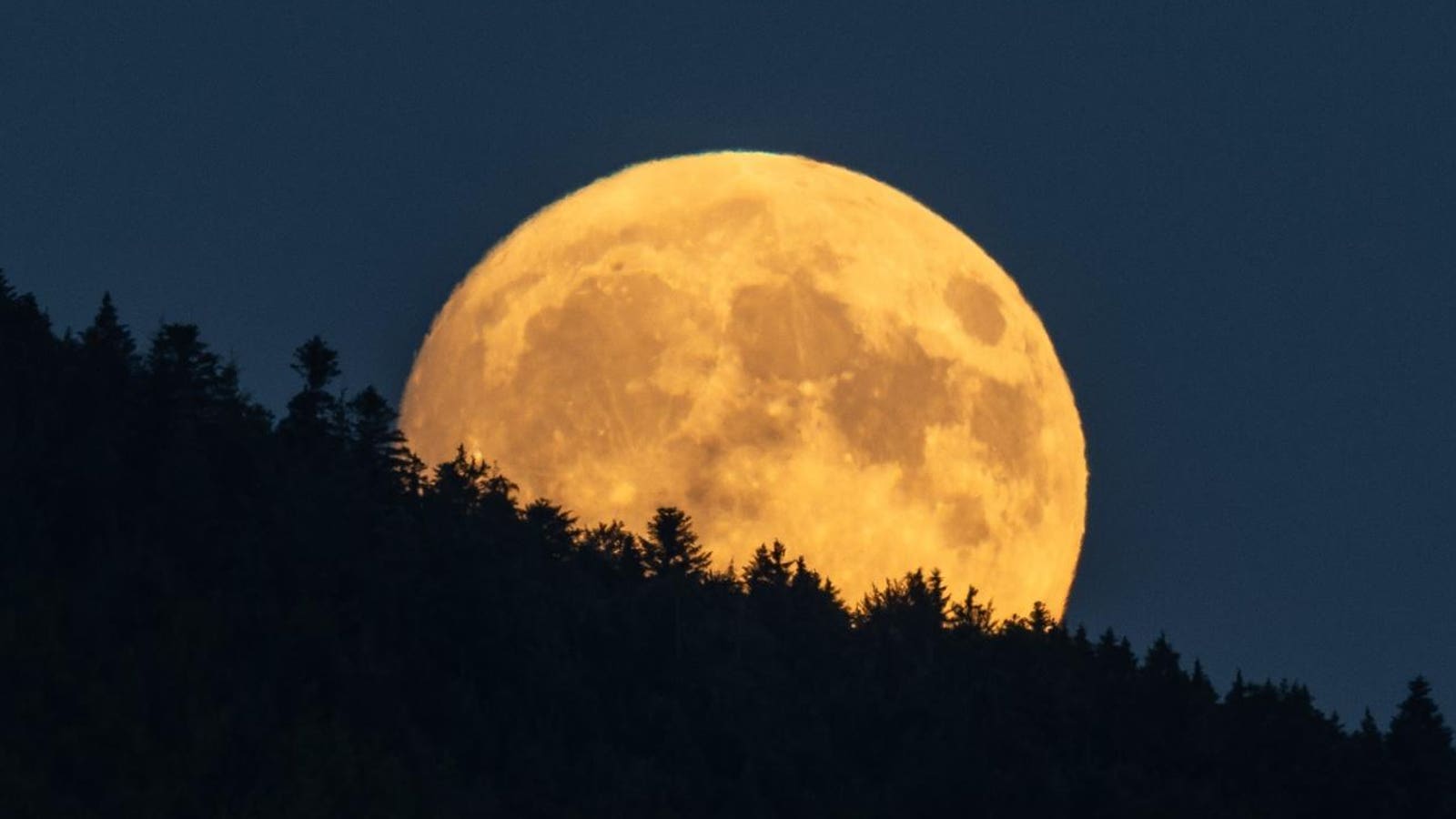
28 July 2026, Baden-Württemberg, Zepfenhan: The full moon rises behind a patch of woods near Zepfenhan (Rottweil district). Photo: Silas Stein/dpa (Photo by Silas Stein/picture alliance via Getty Images)
DPA/PICTURE ALLIANCE VIA GETTY IMAGES
The buck moon reached its exact full phase at 10:37 a.m. EDT on July 29, but — as always — was best seen at moonrise during dusk, just after sunset that night. It appeared on the eastern horizon across North America around 8:30 p.m. local time, just after sunset.
It was the eighth full moon of 2026 and the second full moon of astronomical summer in the Northern Hemisphere.