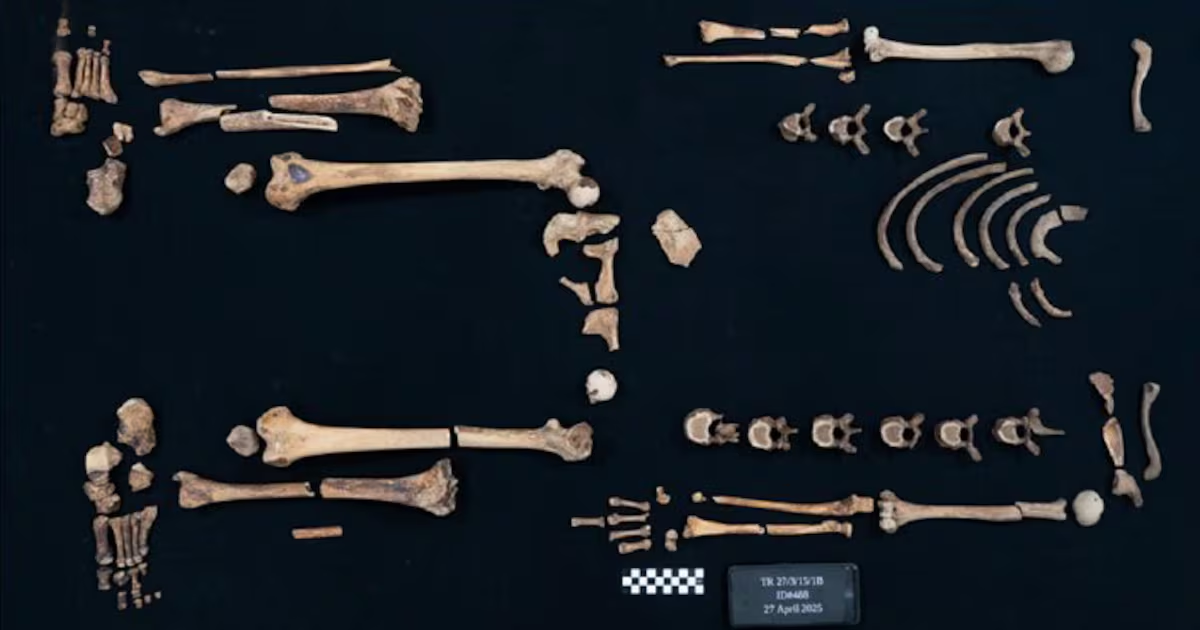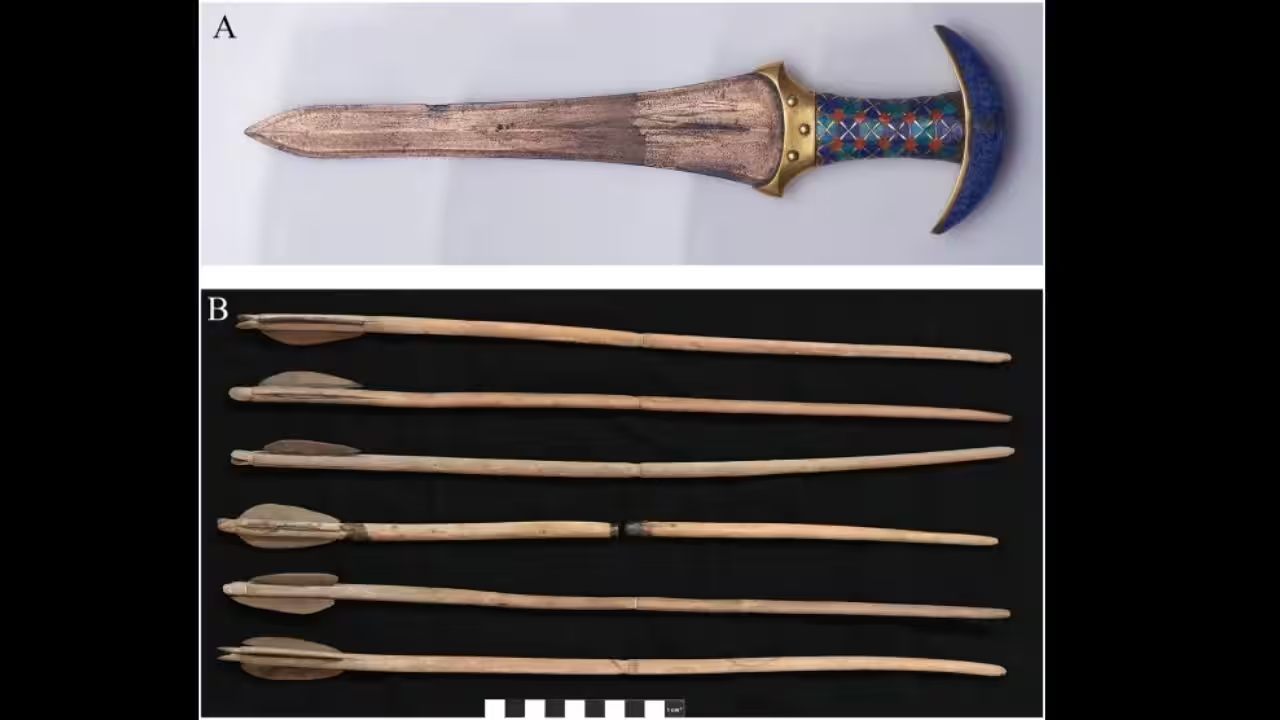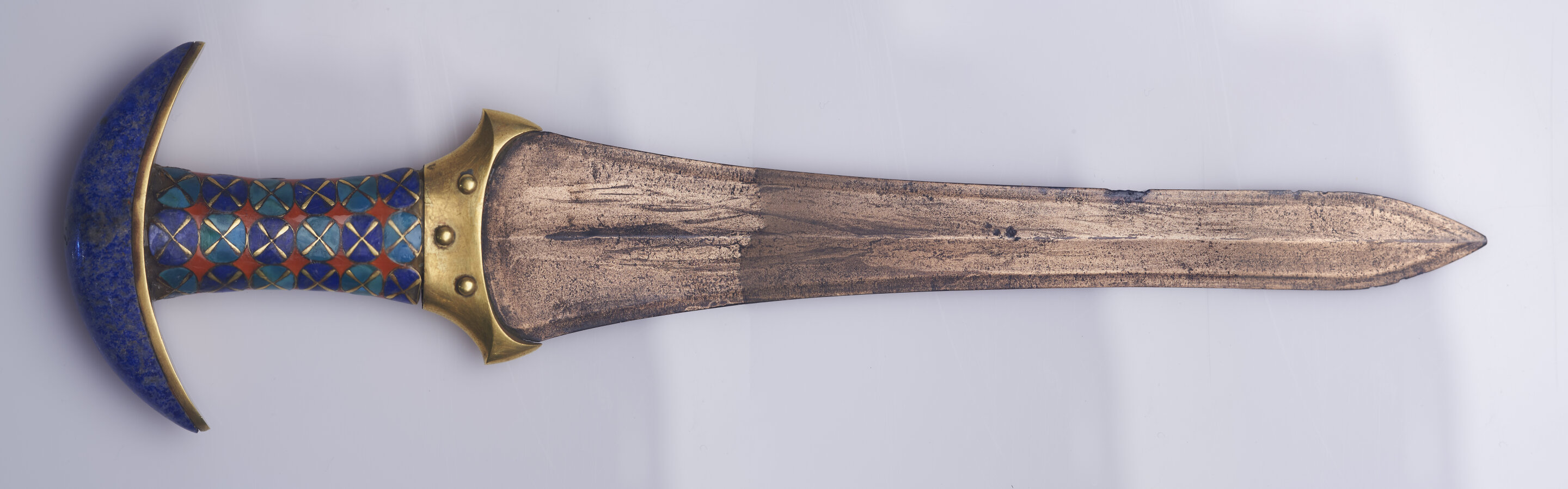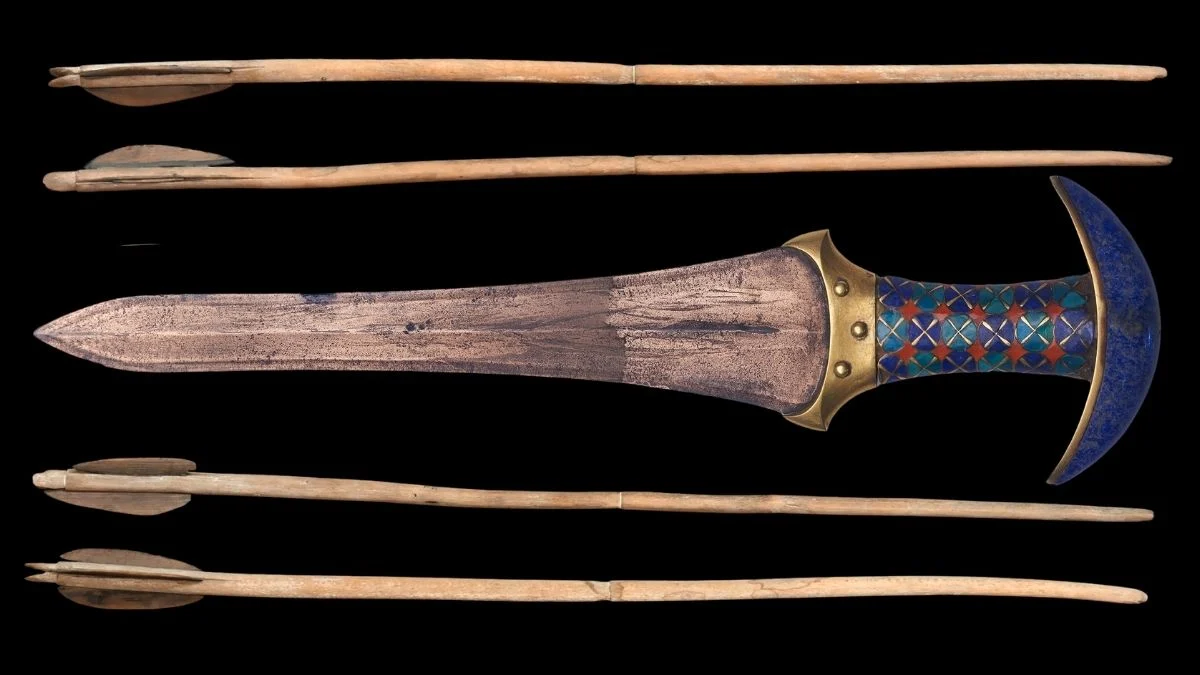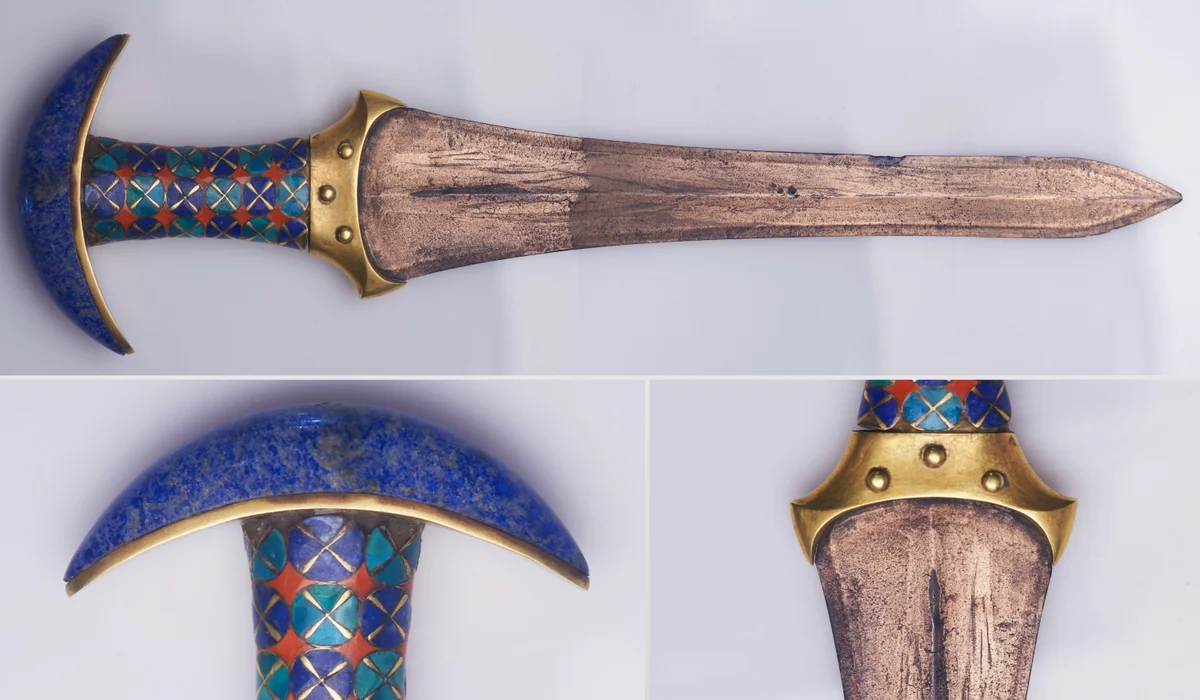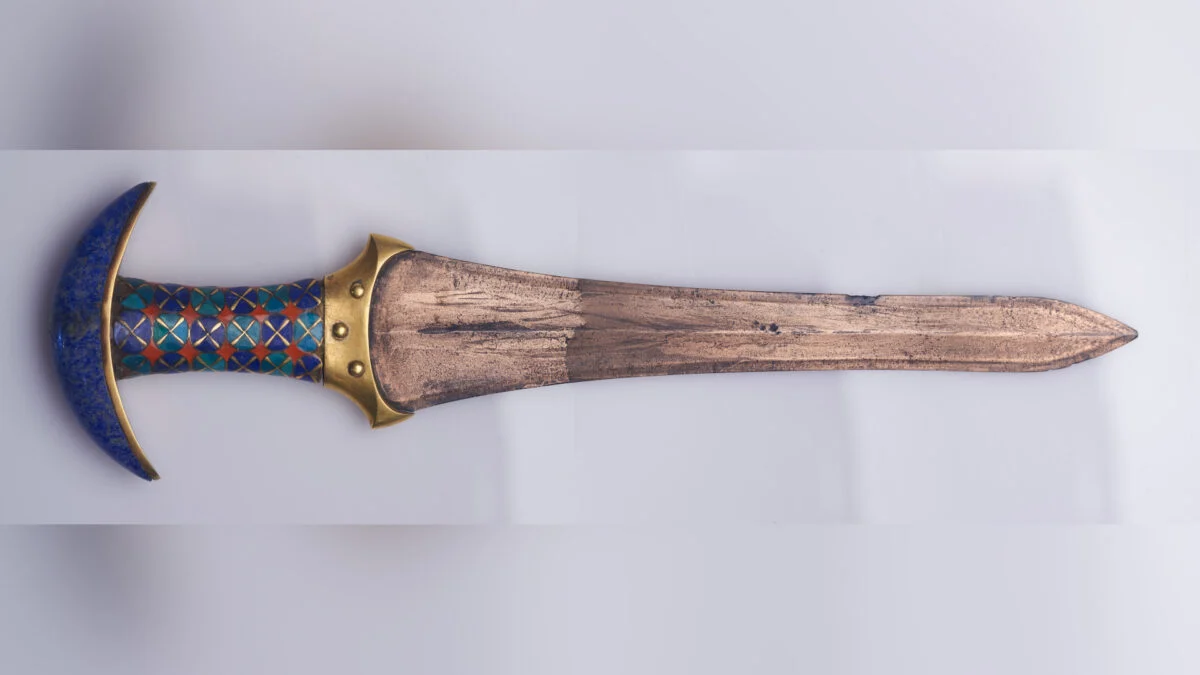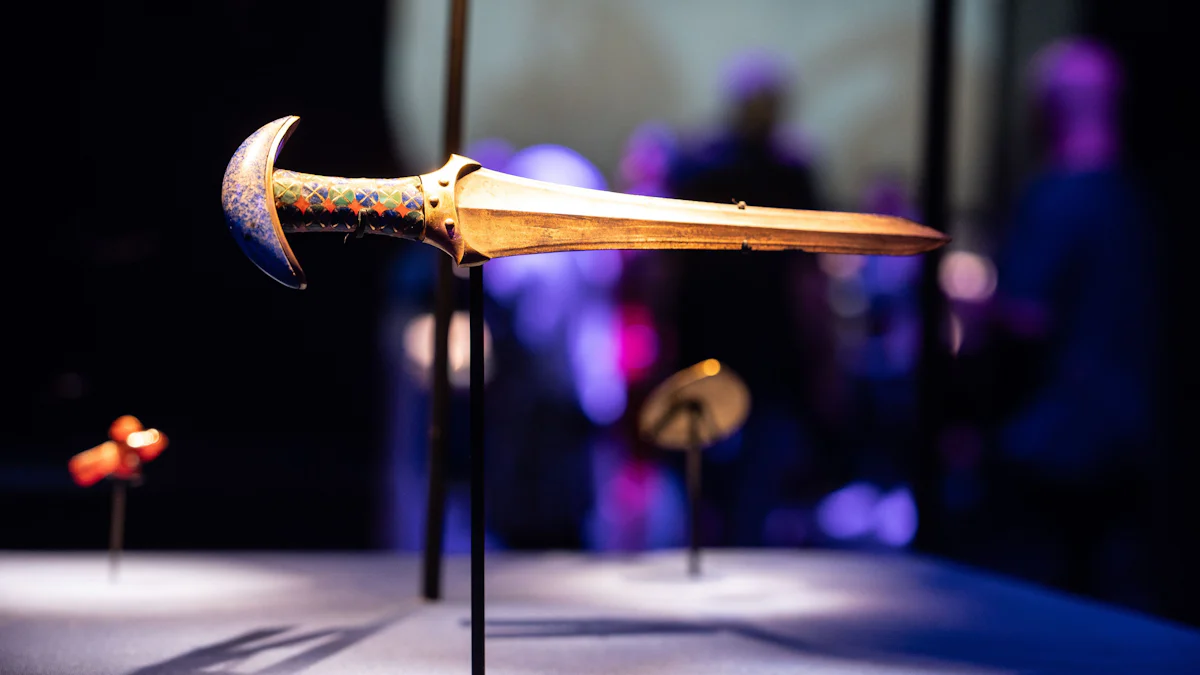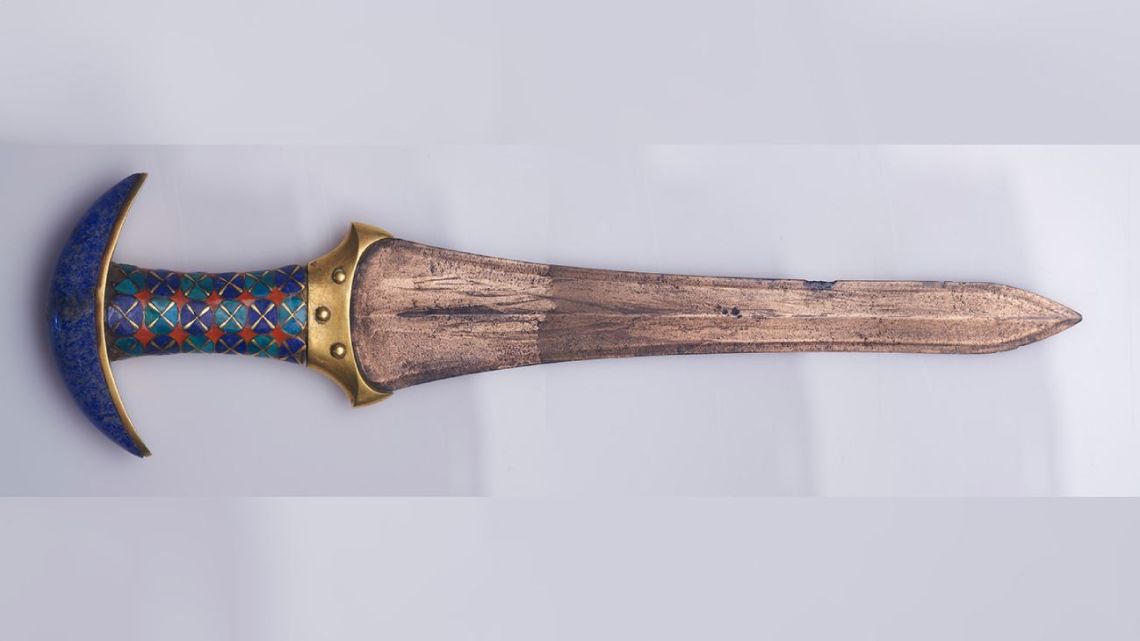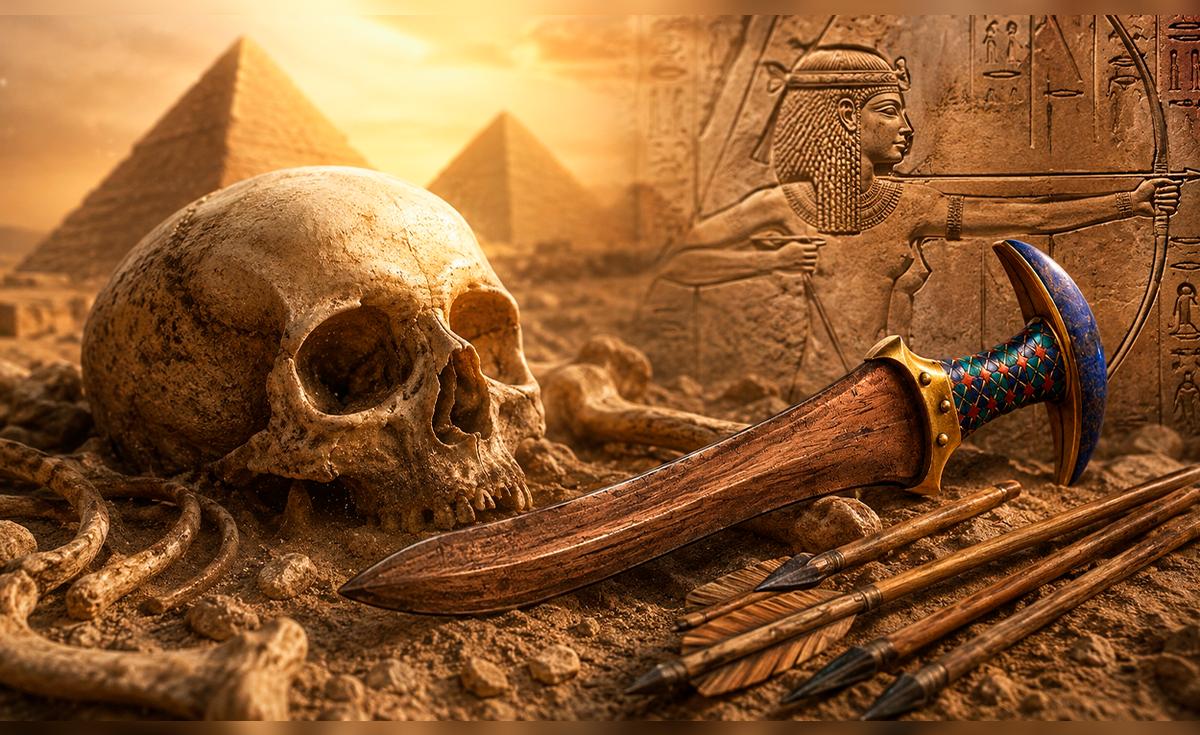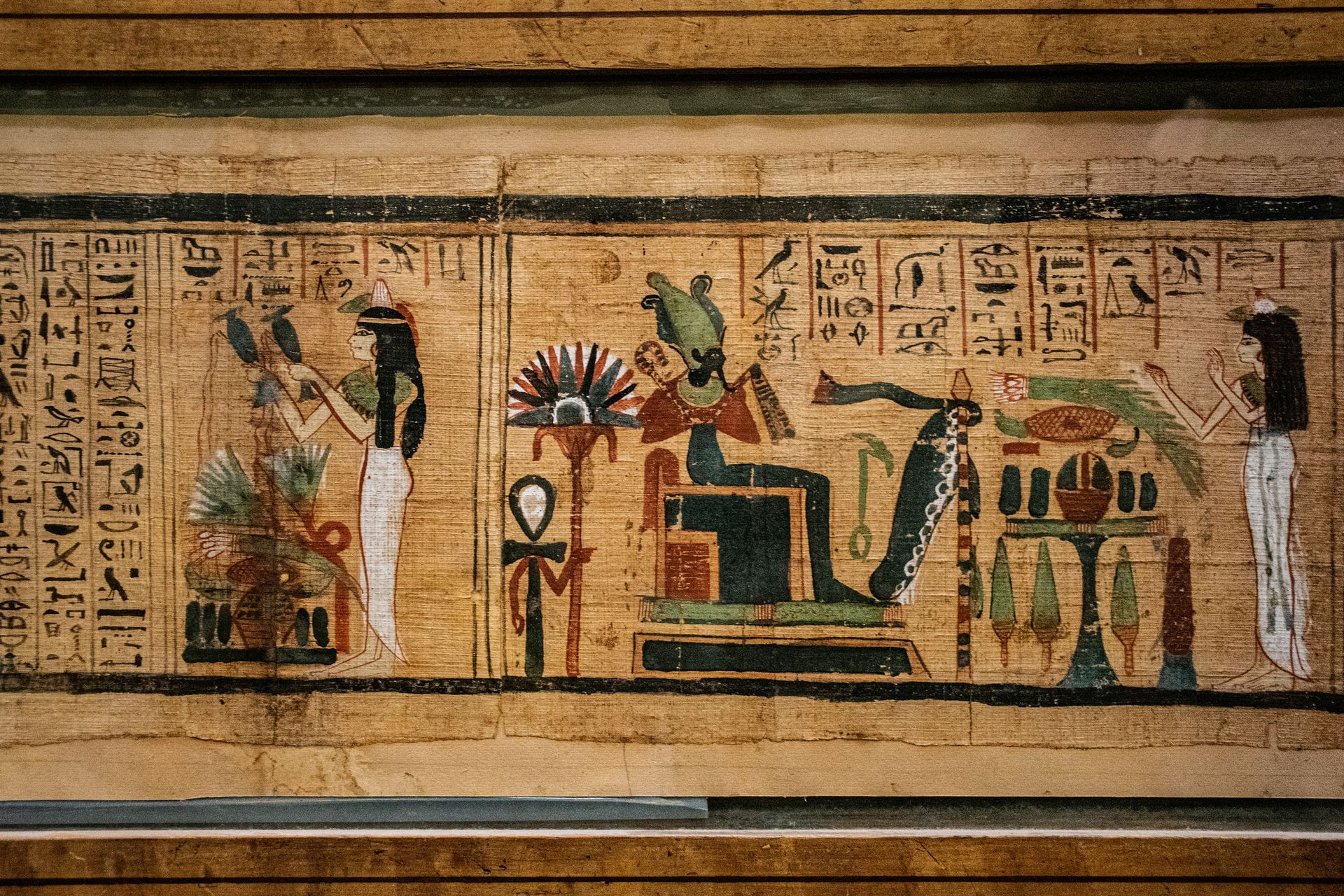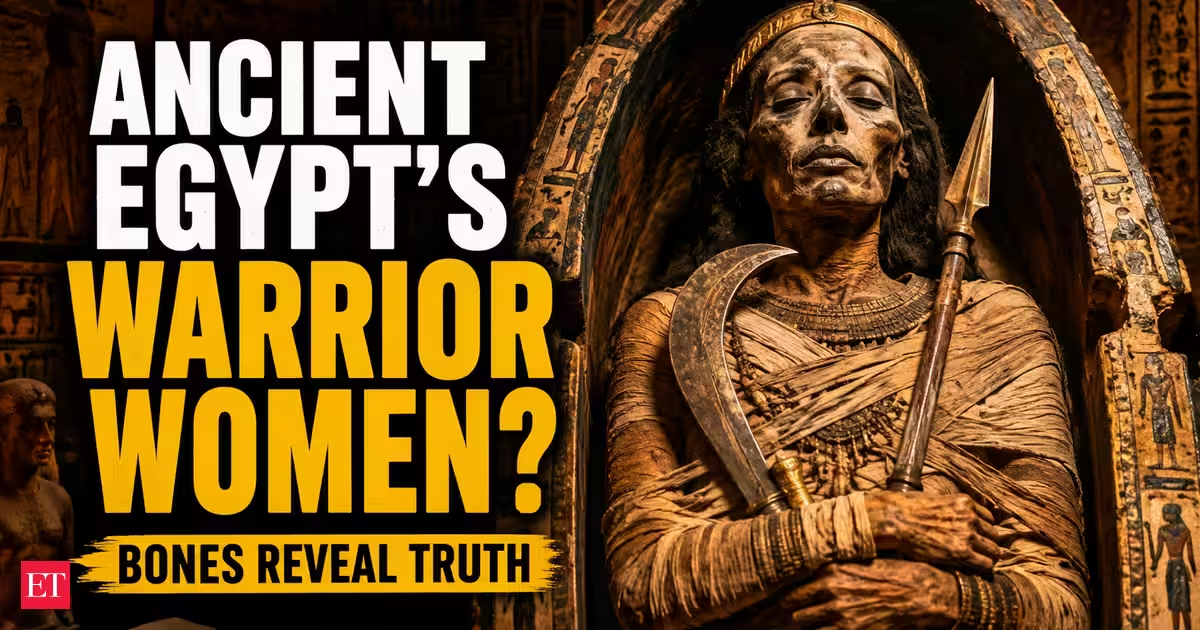
For over a century, a stunning secret sat forgotten in two wooden boxes inside a Cairo museum basement. Inside were the 4,000-year-old bones of ancient Egyptian princesses from Dahshur.Excavated back in 1894, archaeologists long assumed these royal women lived soft lives of luxury. The daggers, bows, and maces found inside their tombs were dismissed as ceremonial trinkets.Modern forensic analysis has just shattered that belief.Bioarchaeologists recently re-examined the remains of Princesses Noub-Hotep, Ita, and Khenmet. The physical evidence on their skeletons was shocking. Deep muscle marks and bone buildup reveal a history of intense physical training.These royal women drew heavy war bows. They wielded close-combat weapons. Their collarbones, shoulders, and arms bore the exact physical signatures of trained archers and fighters.They were not passive figures draped in gold. They endured real physical hardship and skeletal fractures, treated by master ancient physicians.Could ancient Egyptian women really have been trained to use weapons?Ancient Egypt gave women legal rights that were exceptional for their time. Historical records show that women could own land, inherit property, manage businesses, sign legal contracts and pass their wealth to heirs of their choosing. Some even ruled the kingdom. Pharaoh Sobekneferu became one of Egypt's earliest female rulers, while Hatshepsut later established herself as one of the civilization's most successful pharaohs. Powerful queens including Tiye and Nefertiti also played major political roles within the royal court.Even with this evidence of female authority, historians have continued to debate whether women also participated in military activities. Ancient texts provide little direct evidence, leaving archaeologists to rely on discoveries made inside royal tombs and the careful study of ancient artwork. That debate has gained new momentum because of the royal mummies discovered at Dahshur.Why are weapons found inside Royal women's tombs causing so much debate?The story begins in 1894, when French archaeologist Jacques de Morgan led excavations at the Dahshur pyramid complex, part of the ancient Memphis Necropolis south of present-day Cairo. During those excavations, archaeologists uncovered the burials of 13th Dynasty Pharaoh Hor along with several royal women connected to the 12th Dynasty, including Princesses Ita, Itaweret and Khenmet, as well as another woman who is often identified as Sathathormeryt.Among the jewellery, ceremonial objects and luxury items expected in royal burials, archaeologists also discovered something unexpected. The burial chambers contained bows, maces, wooden staves and other weapons.For decades, many Egyptologists believed these objects were symbolic items placed in the tomb to represent royal authority or to provide protection in the afterlife. Others questioned whether at least some of the weapons reflected practical knowledge of combat or military training. Because the archaeological evidence could support more than one interpretation, the debate remained unresolved.What are modern scientists learning from these forgotten royal mummies?The royal mummies excavated in the nineteenth century are now benefiting from technologies that did not exist when they were first discovered. Instead of relying only on written records and visual observations, researchers can use advanced medical imaging and forensic techniques to examine ancient human remains without damaging them.Methods such as CT scanning allow scientists to study skeletal structures in remarkable detail. Researchers can investigate bone development, identify injuries, examine muscle attachment areas and search for physical changes that may reflect repeated activities during life.Although researchers have not announced definitive proof that these royal women served as warriors, modern analysis is helping archaeologists ask more precise questions than ever before. Rather than assuming weapons automatically represented ceremonial objects, scientists are evaluating the archaeological evidence alongside biological evidence preserved in the skeletons themselves.This careful approach reflects a broader shift within archaeology, where museum collections are increasingly being re-examined using technologies capable of revealing information that earlier generations of researchers could not detect.Did ancient Egyptian art already hint that women could fight?The archaeological discoveries at Dahshur are not the only reason historians continue exploring this question. Ancient Egyptian temples and monuments sometimes depict queens defeating enemies or holding weapons normally associated with kings.These scenes have fascinated researchers for decades because their meaning is not always straightforward.Many Egyptologists explain that royal artwork often served political and religious purposes rather than documenting historical events exactly as they occurred. Images showing rulers defeating enemies symbolized the triumph of order over chaos, a central theme throughout Egyptian civilization. As a result, scenes of queens wielding weapons cannot automatically be interpreted as proof that they personally fought in military campaigns.At the same time, the artwork demonstrates that women could be associated with royal strength, leadership and protection of the kingdom. Combined with discoveries from royal tombs, these images continue to inspire new research into women's roles within ancient Egyptian society.Perhaps the most remarkable part of this story is that the evidence has existed for well over a century. The Dahshur royal mummies were excavated in the late nineteenth century, yet many questions surrounding their lives remain unanswered because scientific methods have continued evolving.Across museums around the world, archaeologists are revisiting collections that were excavated decades ago. Human remains, burial objects and historical artifacts once thought to have revealed all their secrets are now being studied using advanced imaging, digital reconstruction and other modern scientific tools.
Hidden for over a century, these Egyptian princesses may have been elite warriors, according to their 4,000-year-old bones
Forgotten for a century inside a Cairo museum basement, 4,000-year-old royal bones are rewriting ancient Egyptian history. Historians long assumed the weapons buried in Dahshurs royal tombs were purely ceremonial. Modern forensic analysis proves otherwise. These princesses didn't just wear fine gold. Muscle scars on their skeletons reveal they trained with heavy bows and daggers. Ancient Egypts royal women were not just royalty. They were elite warriors.
847 words~4 min read