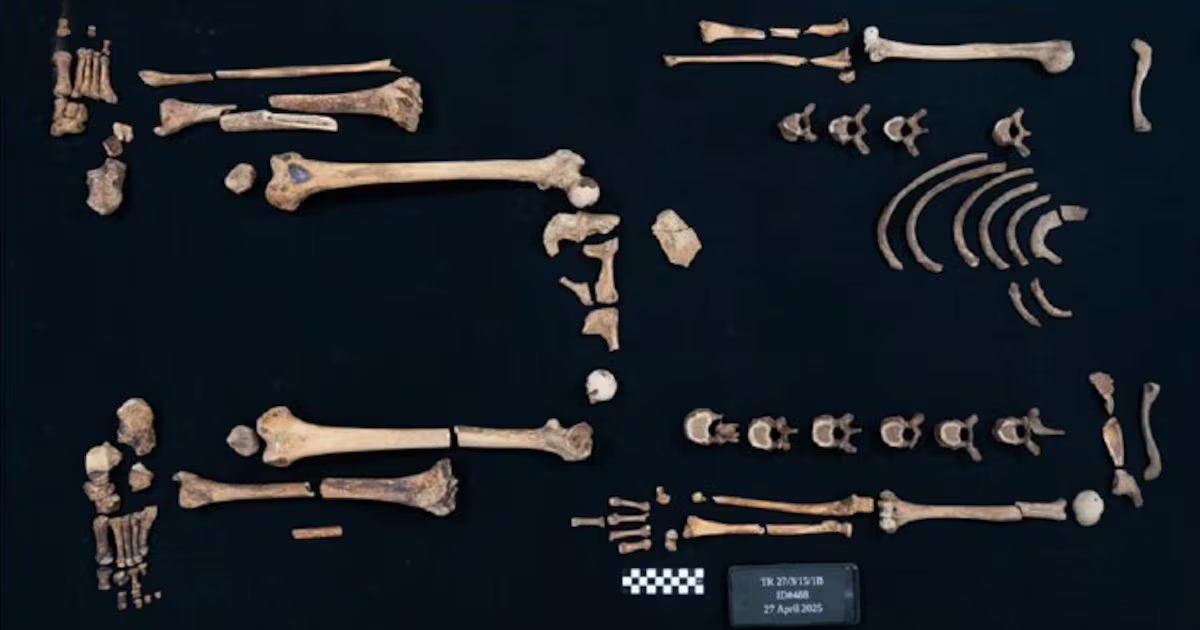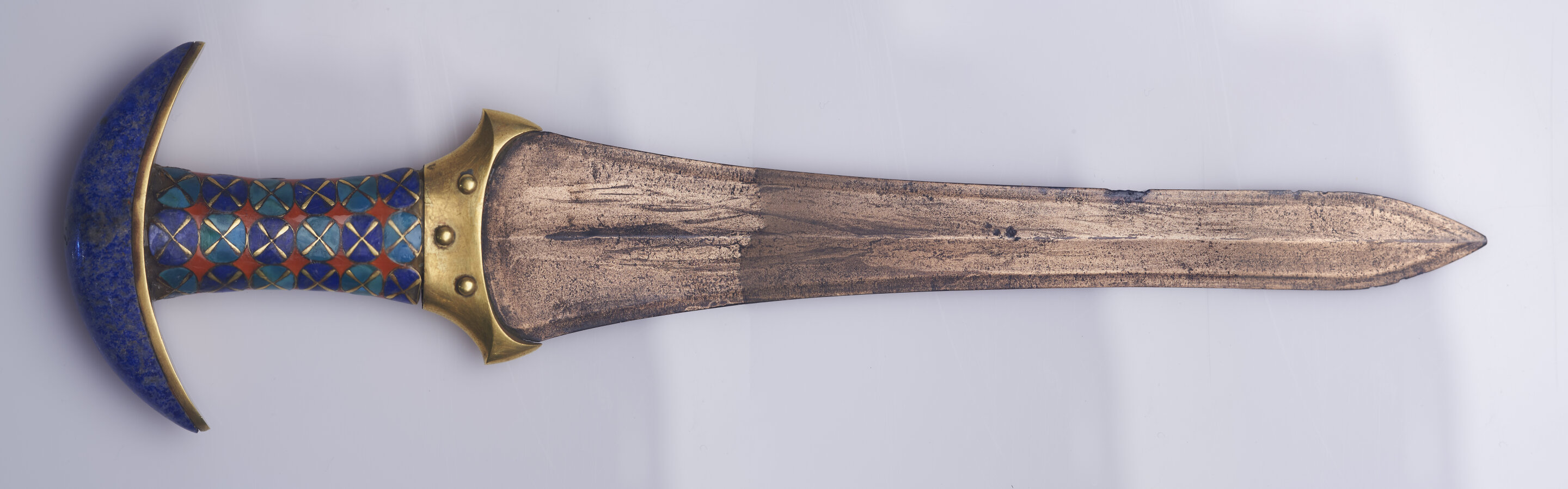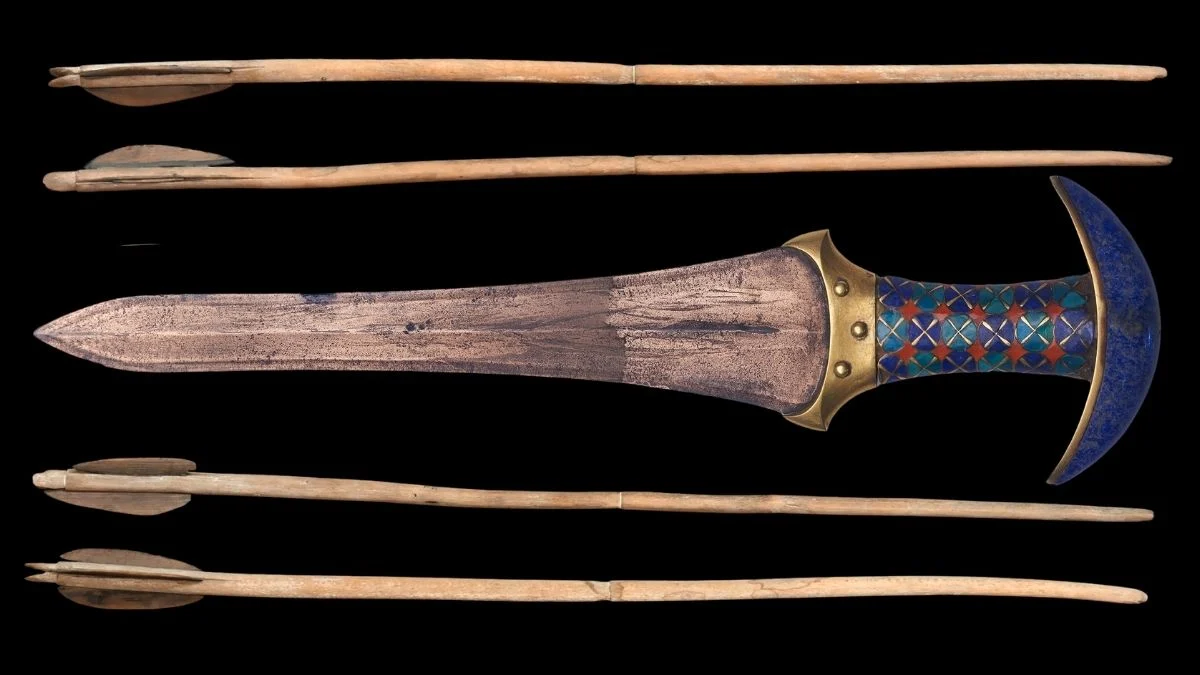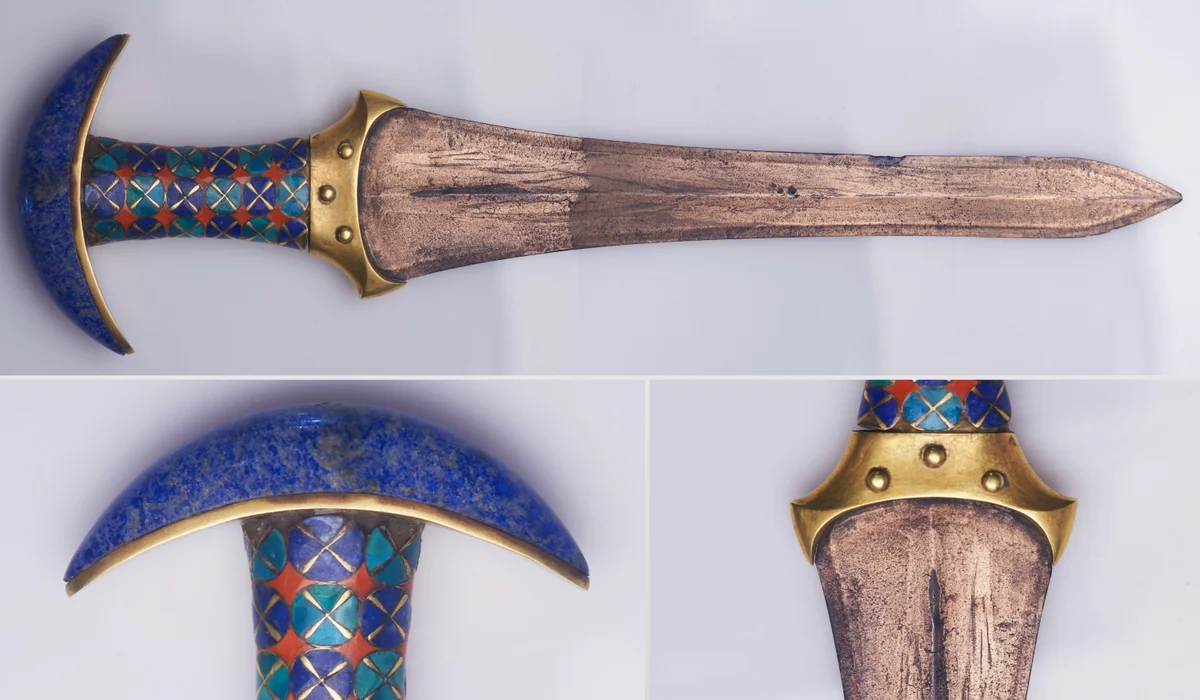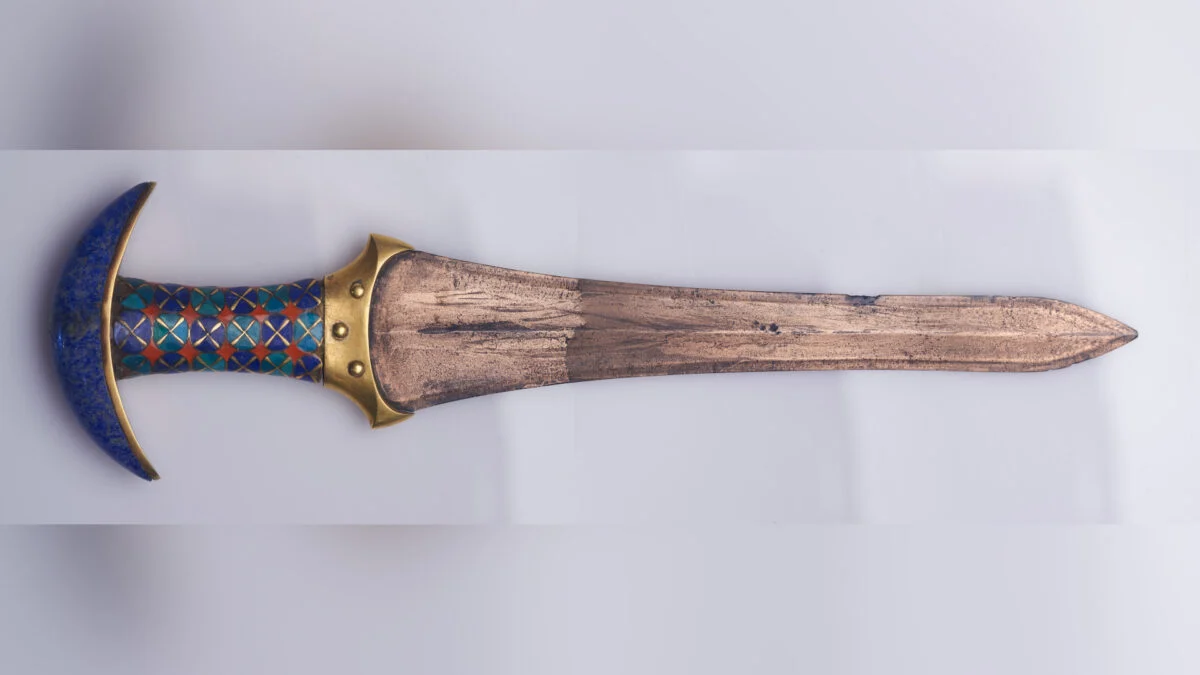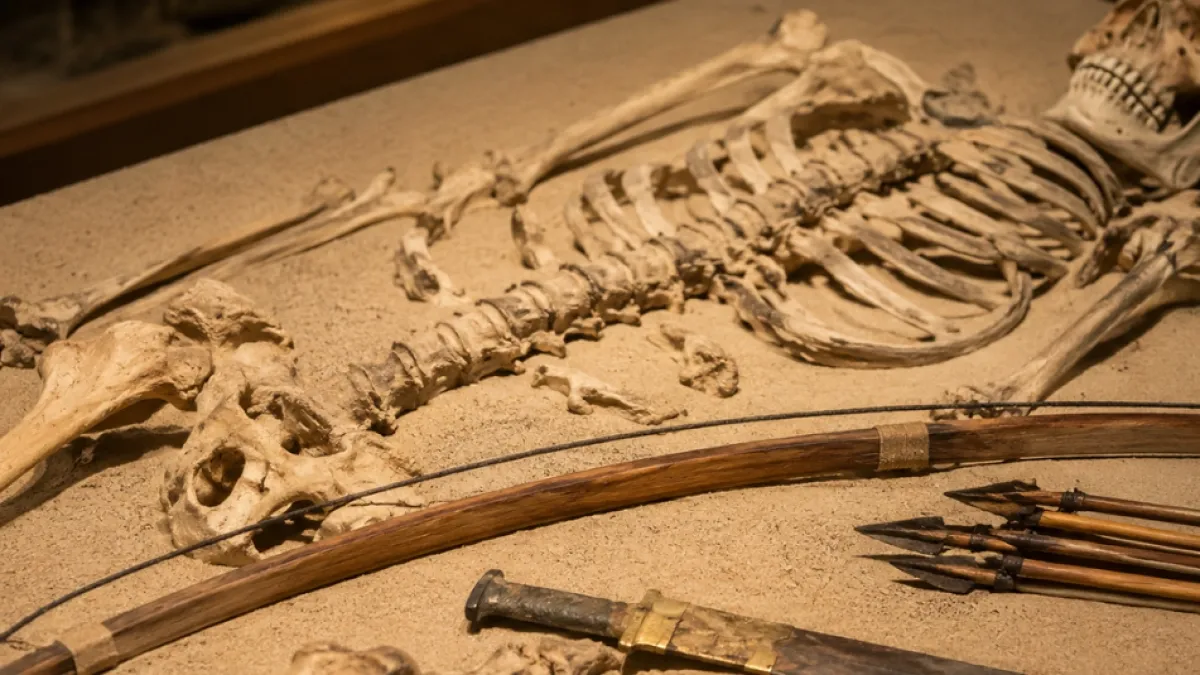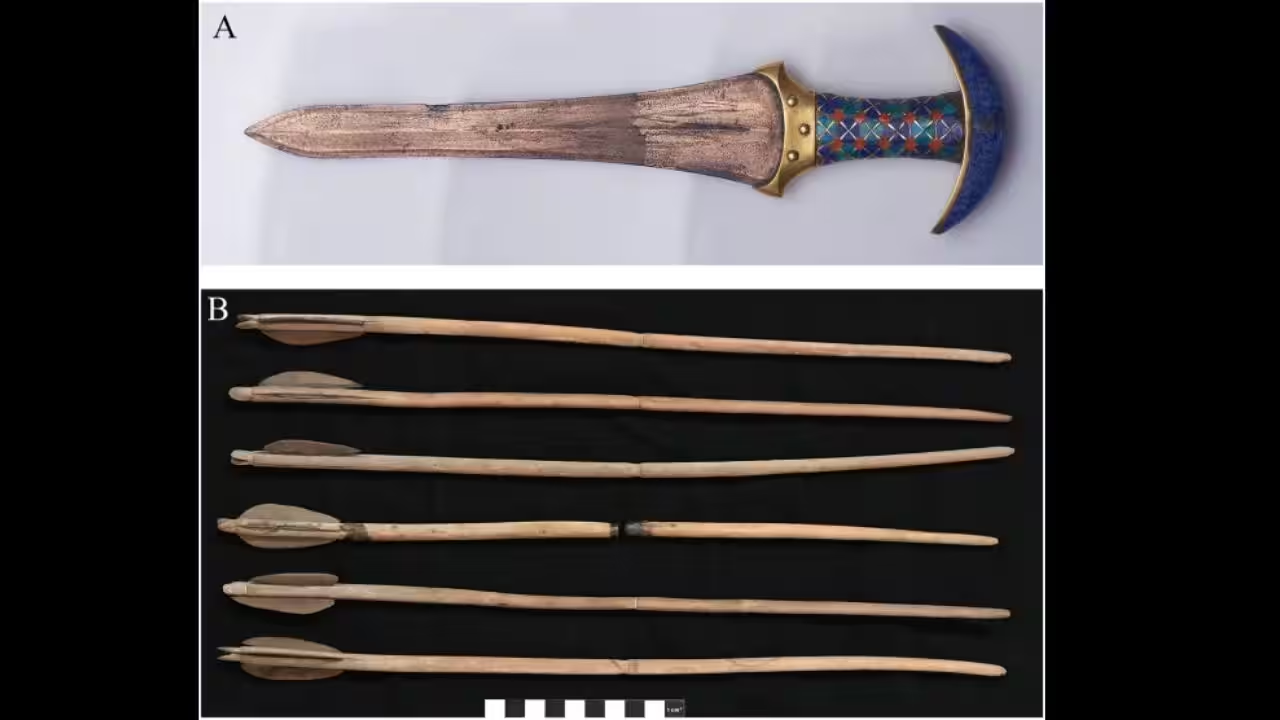
PC: Study: Bioarchaeological reassessment of Dahshur royal skeletal remains from the Late Middle Kingdom ((c. 1850–1700 BCE)”(A) Dagger of Princess Ita, courtesy of the Egyptian Museum; (B) Arrows of Princess Noub Hotep, courtesy of Eman Shawky.)For well over a century, the bows, arrows and other weapons placed inside the tombs of ancient Egyptian princesses were often treated as ceremonial objects, intended to express status rather than everyday life. Research published in Frontiers on 17 July 2026, titled “Bioarchaeological reassessment of Dahshur royal skeletal remains from the Late Middle Kingdom (c. 1850–1700 BCE)”, offers a different way of looking at those discoveries. By examining the skeletons of King Hor and several princesses from the Late Middle Kingdom, researchers argue that the women's bones preserve physical traces that match repeated weapon handling. The combination of skeletal evidence and grave goods raises the possibility that at least some royal women were not simply buried with weapons as symbols of power, but had used them during their lives.How scientists studied ancient Egyptian princesses' bonesThe study focuses on six royal individuals recovered from Dahshur, including Princesses Ita, Khenmet, Itaweret and Noub-Hotep. Their remains were first excavated in the 1890s but have now been re-examined using modern osteological methods alongside radiological and chemical analyses.Rather than looking only at age, health or ancestry, the researchers also examined muscle attachment sites and areas where repeated movement leaves lasting changes on bone. These marks can reveal patterns of habitual activity carried out over many years.According to the study, the upper limbs of several princesses display pronounced muscle attachment development and asymmetry that correspond with movements expected from repeated archery and weapon use. The authors argue that these skeletal signatures fit poorly with the idea that the bows and arrows found in the burials served only symbolic purposes. Instead, the evidence suggests they may have reflected activities performed during life rather than objects selected solely for burial rituals.Princesses' bones reveal different signs of archery and weapon useEach princess presented a slightly different pattern of skeletal adaptations. Princess Ita showed unusually robust attachment points associated with grip strength and forearm movement. The researchers interpret these combined features as consistent with habitual handling of weapons such as daggers or maces. Princess Itaweret displayed enlarged attachment areas around the shoulders and upper arms that the study links with repeated bow drawing.Princess Noub-Hotep offered perhaps the strongest individual case. Her forearm bones and right hand contained prominent muscle attachment sites linked with gripping and rotational movements, while one of the bones in her right hand showed distinctive bowing without signs of disease. That alteration, together with arrows discovered in her burial, led the researchers to suggest that the skeletal evidence and archaeological finds reinforce one another.The study further proposes that the pattern of bone remodelling reflects long-term mechanical loading generated while stabilising and drawing a bow. Greater development on the right side also points towards possible right-handed bow use in at least some individuals.Why ancient Egyptian bows may have been more than burial symbols Bows had long been included among funerary equipment during the Old and Middle Kingdoms, which has made it difficult to determine whether they represented prestige, ritual symbolism or genuine use. This reassessment approaches the question from the opposite direction by asking whether the skeletons themselves preserve evidence of repeated physical actions.As per the study, the correspondence between musculoskeletal changes and the presence of bows, arrows and other weapons is unlikely to be accidental. They argue that the bodies and burial objects should be understood together rather than treated as separate lines of evidence.The same framework extends beyond the princesses. King Hor also displayed skeletal features that the study associates with martial or closely related physical activities, suggesting that physically demanding weapon use may have formed part of elite life within this royal group.What the study says about ancient Egyptian princesses and weapon useThe authors stop short of claiming that these women were soldiers. Instead, they argue that the evidence broadens existing ideas about gender and elite activity in Middle Kingdom Egypt.According to the study, the combination of bone changes, burial equipment and archaeological context indicates that the princesses may have participated in skilled practices involving bows and other weapons, whether through hunting, martial training or ceremonial activities requiring repeated physical performance. Their conclusion challenges the long-standing assumption that weapons placed in female royal burials were purely decorative or symbolic. In their view, the princesses' skeletons preserve a record of repeated movements that continued to be reflected in the objects buried alongside them nearly 4,000 years ago.
4,000-year-old skeletons suggest ancient Egyptian princesses were skilled in using bows and weapons
For well over a century, the bows, arrows and other weapons placed inside the tombs of ancient Egyptian princesses were often treated as ceremonial objects, intended to express status rather than everyday life. Research published in Frontiers on 17 July 2026, titled “Bioarchaeological reassessment of Dahshur royal skeletal remains from the Late Middle Kingdom (c.
756 words~3 min read