The British political system is tossing aside used prime ministers faster than a chain-smoker stubs out cigarette butts.
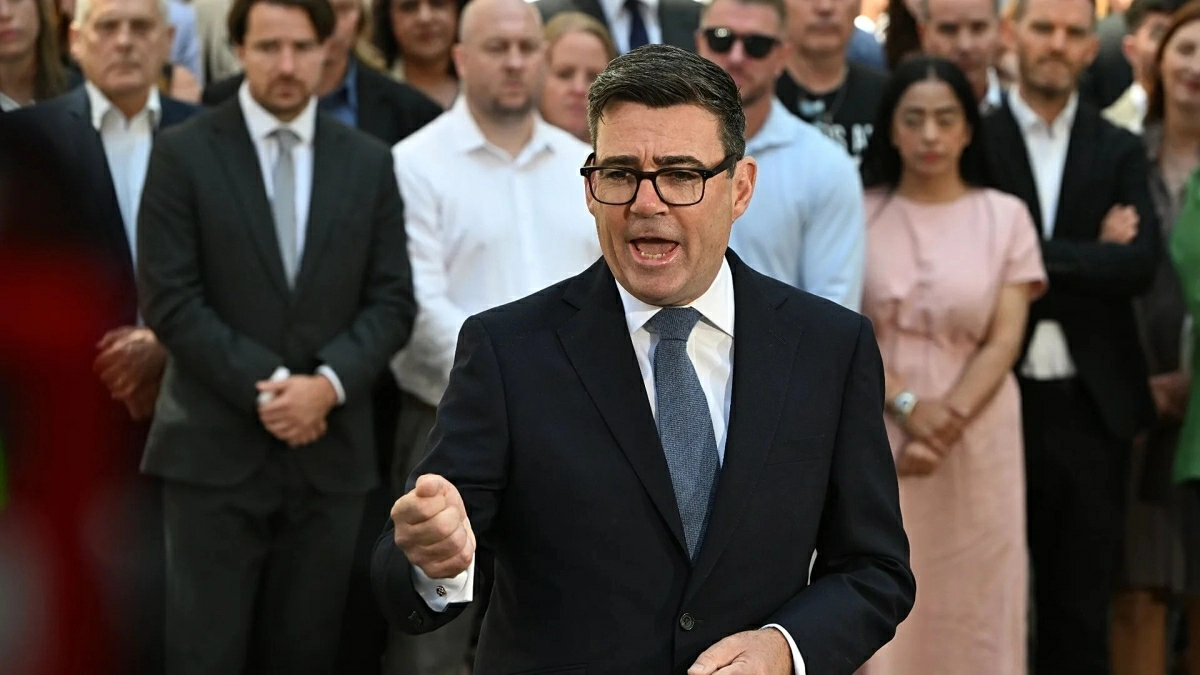
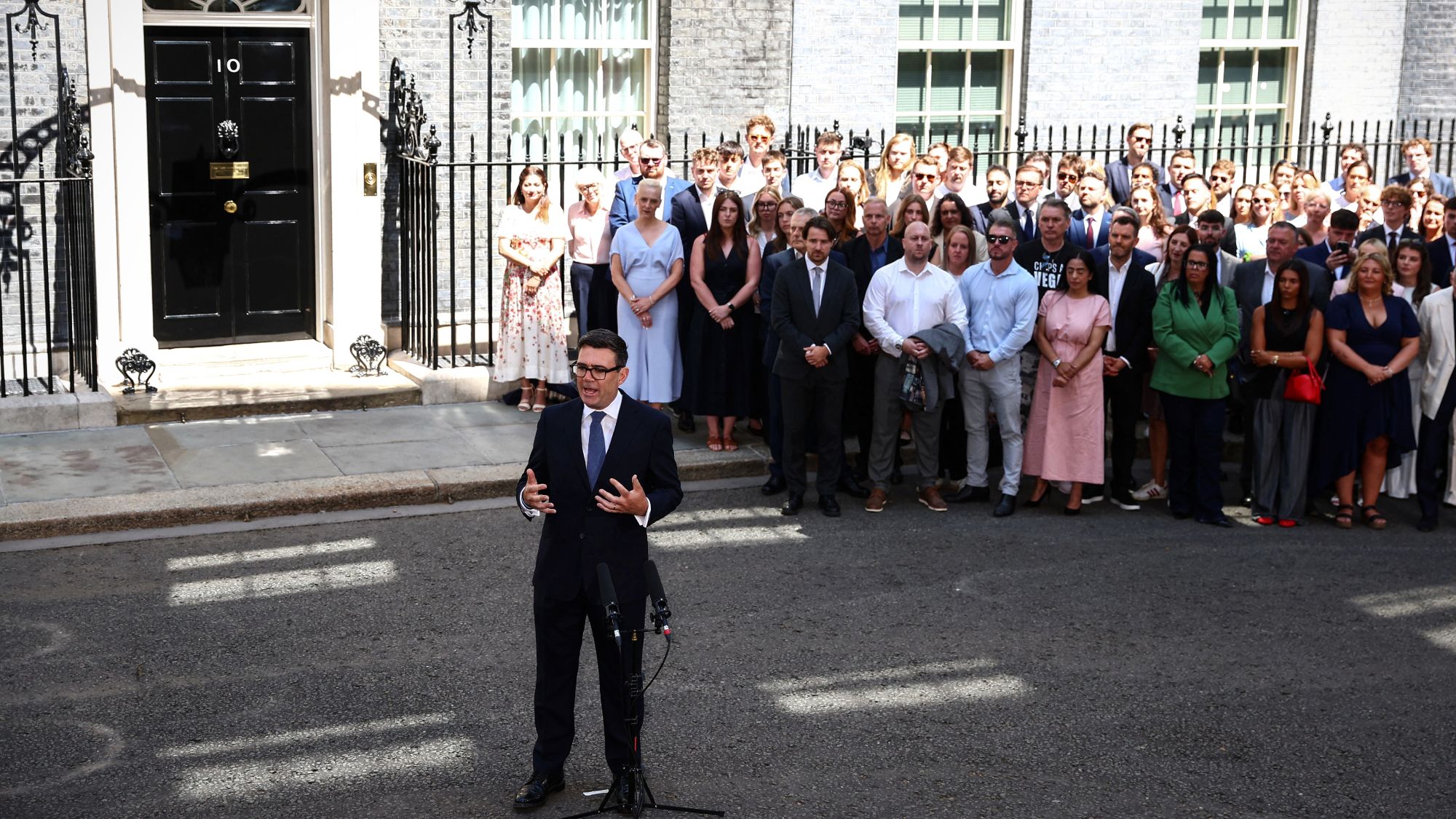
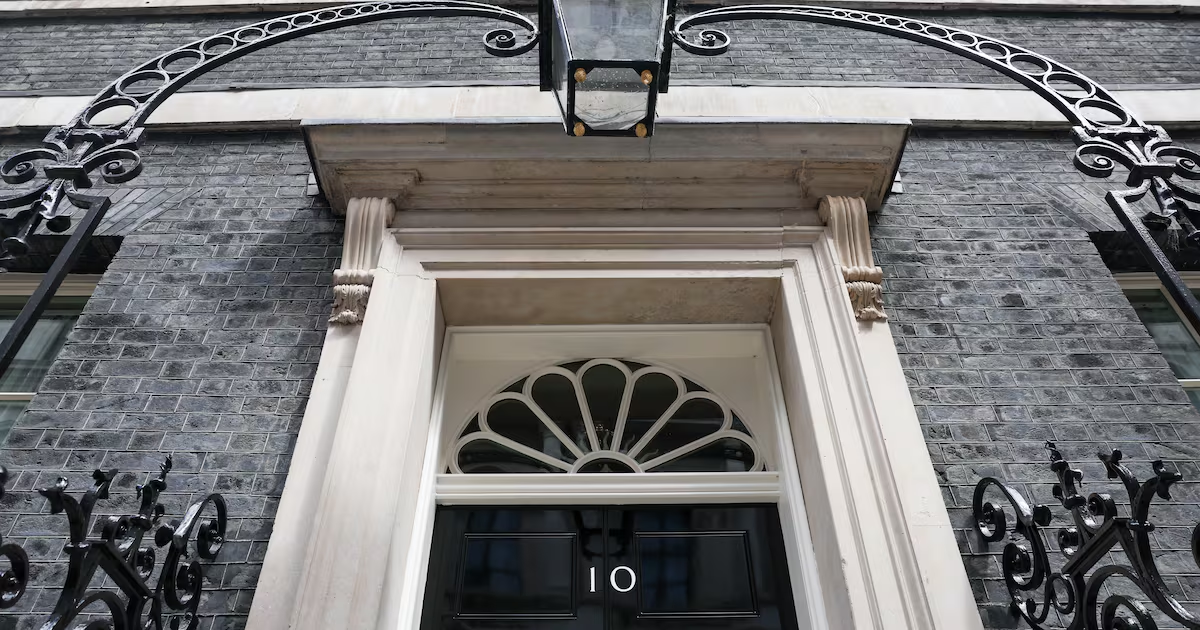
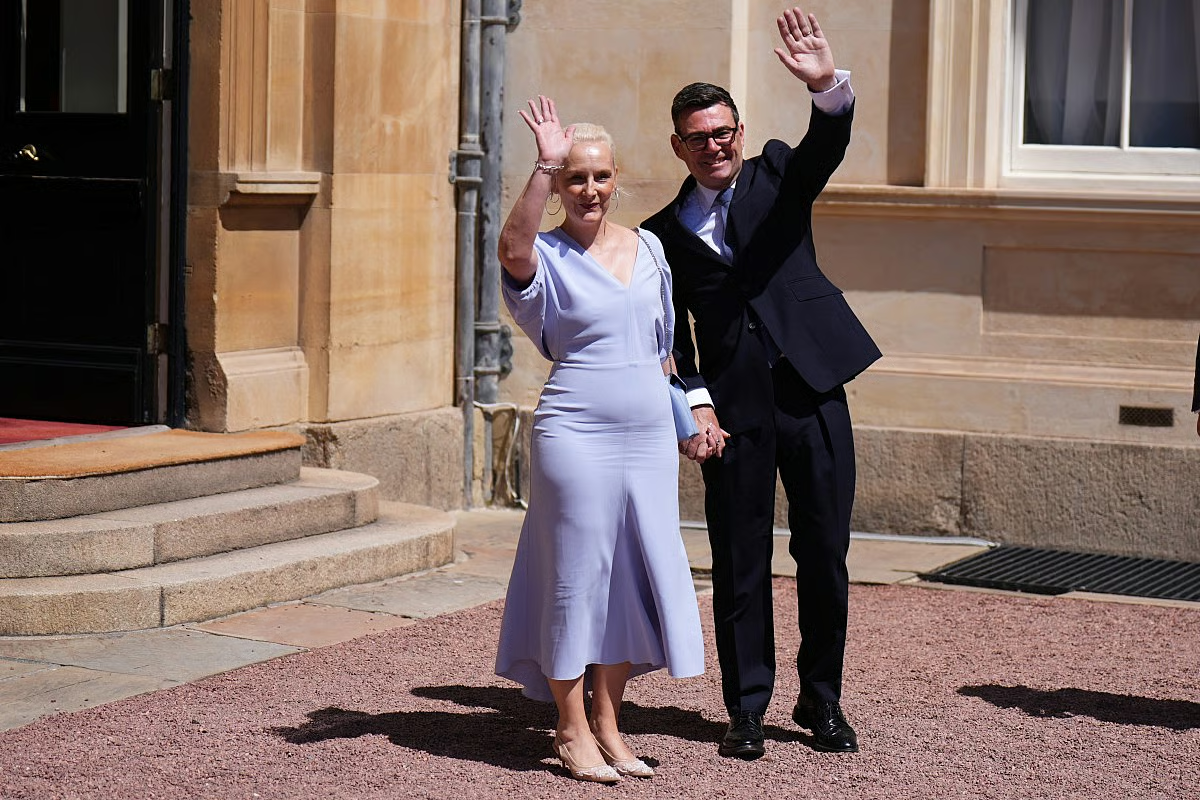
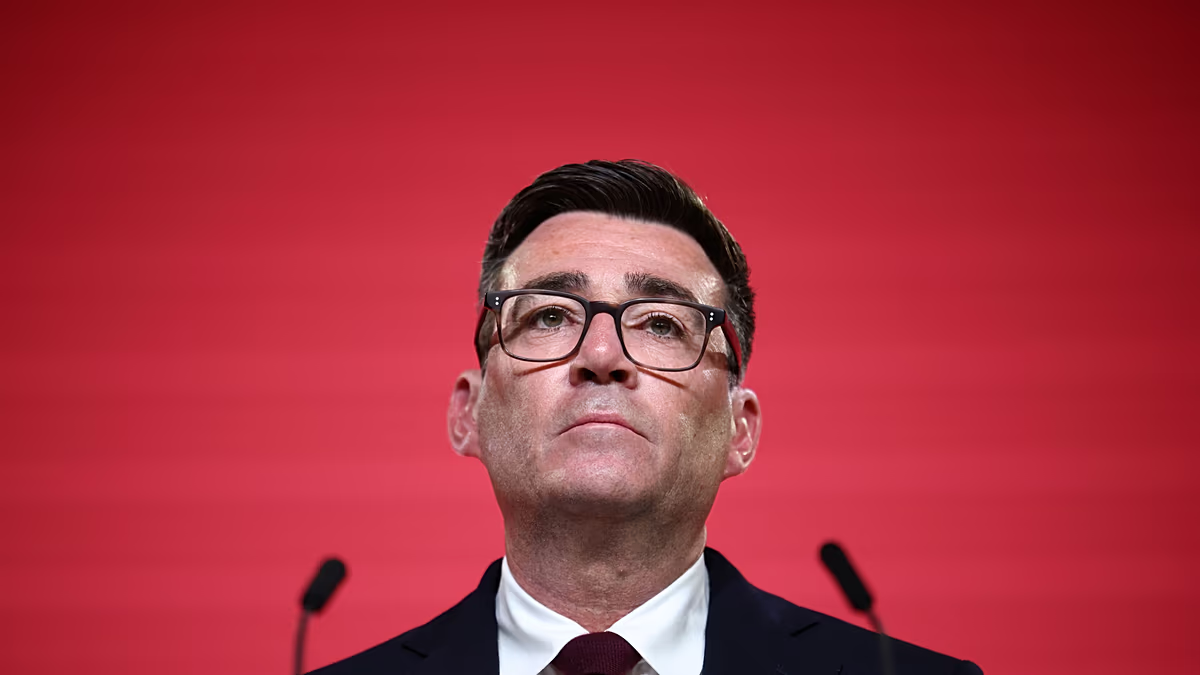
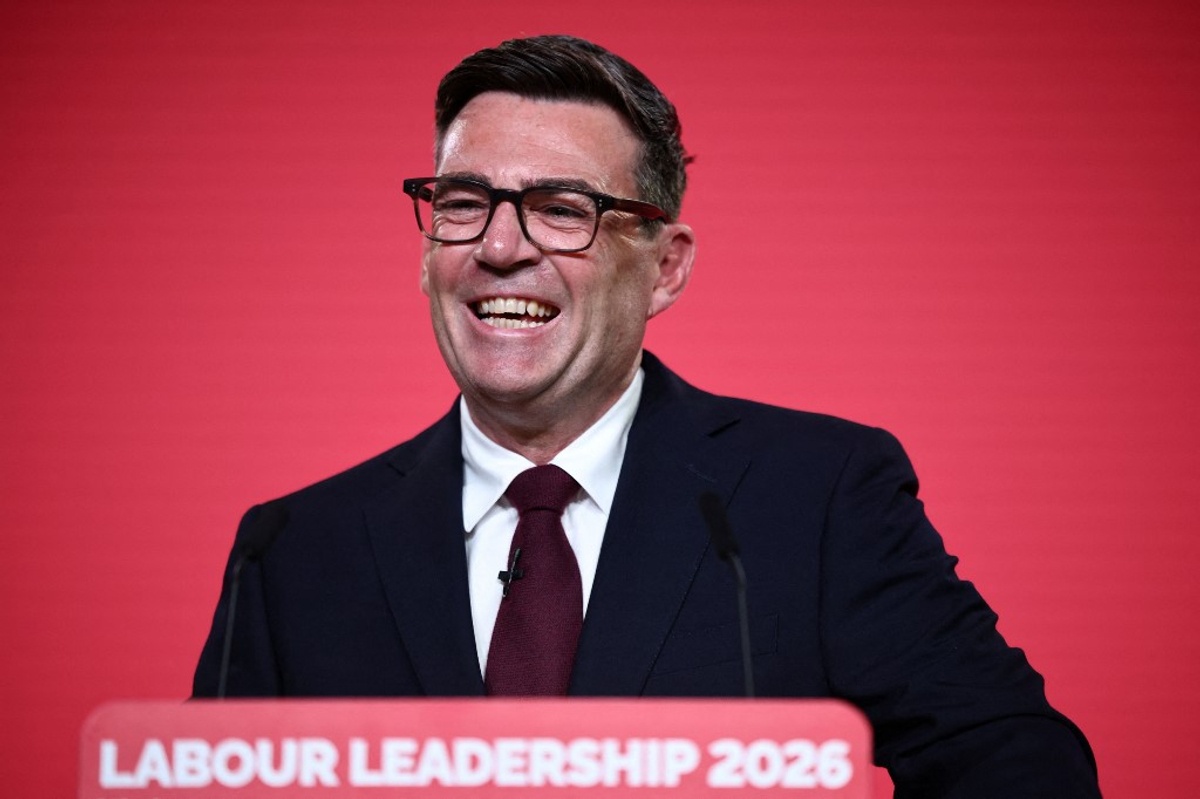
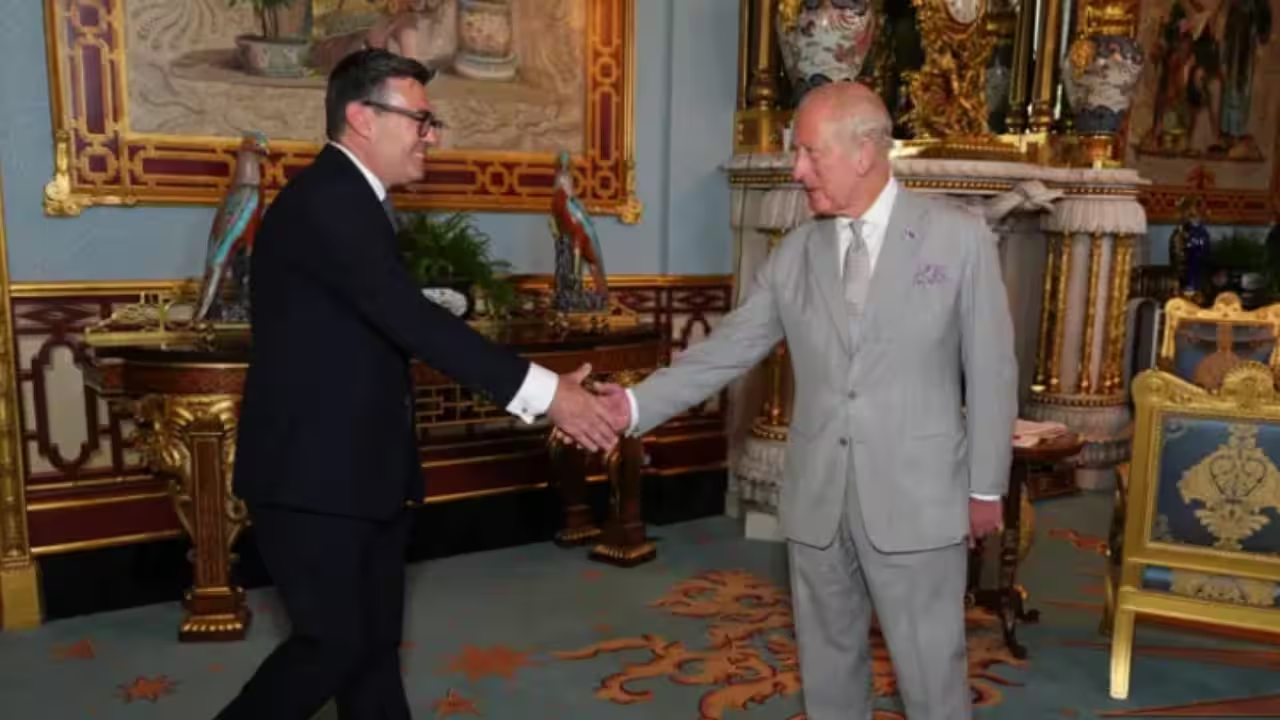
Andy Burnham is the seventh prime minister in the decade since David Cameron was in 10 Downing Street. Of those seven only two - Cameron and Keir Starmer - first became prime minister in the traditional manner of winning a general election as the head of their party.
The majority of prime ministers in the last 10 years - Theresa May, Boris Johnson, Liz Truss, Rishi Sunak, and Burnham - were first thrust into the top job by the party machines without the electorate being asked to pass judgment, although Johnson did subsequently win at the polls. May only managed a hung parliament in 2017 and depended on Northern Ireland's Democratic Unionist Party votes to govern.
The average time in office is two years, compared to the post-war average of four and a half years, or a full parliamentary term. Admittedly recent averages are dragged down by Liz Truss’s lettuce-adjacent performance of 49 days, but even Johnson, the longest serving PM of the last decade, only managed to stay in post for just over three years.
There is an even sharper way to show the new bucking bronco instability: Britain had only five prime ministers during the 36 years from 1979 to 2015 (Margaret Thatcher, John Major, Tony Blair, Gordon Brown and Cameron, who entered office in 2010). By contrast, it had five different prime ministers in the 10 years since 13 July 2016 when May replaced Cameron after the Brexit vote.