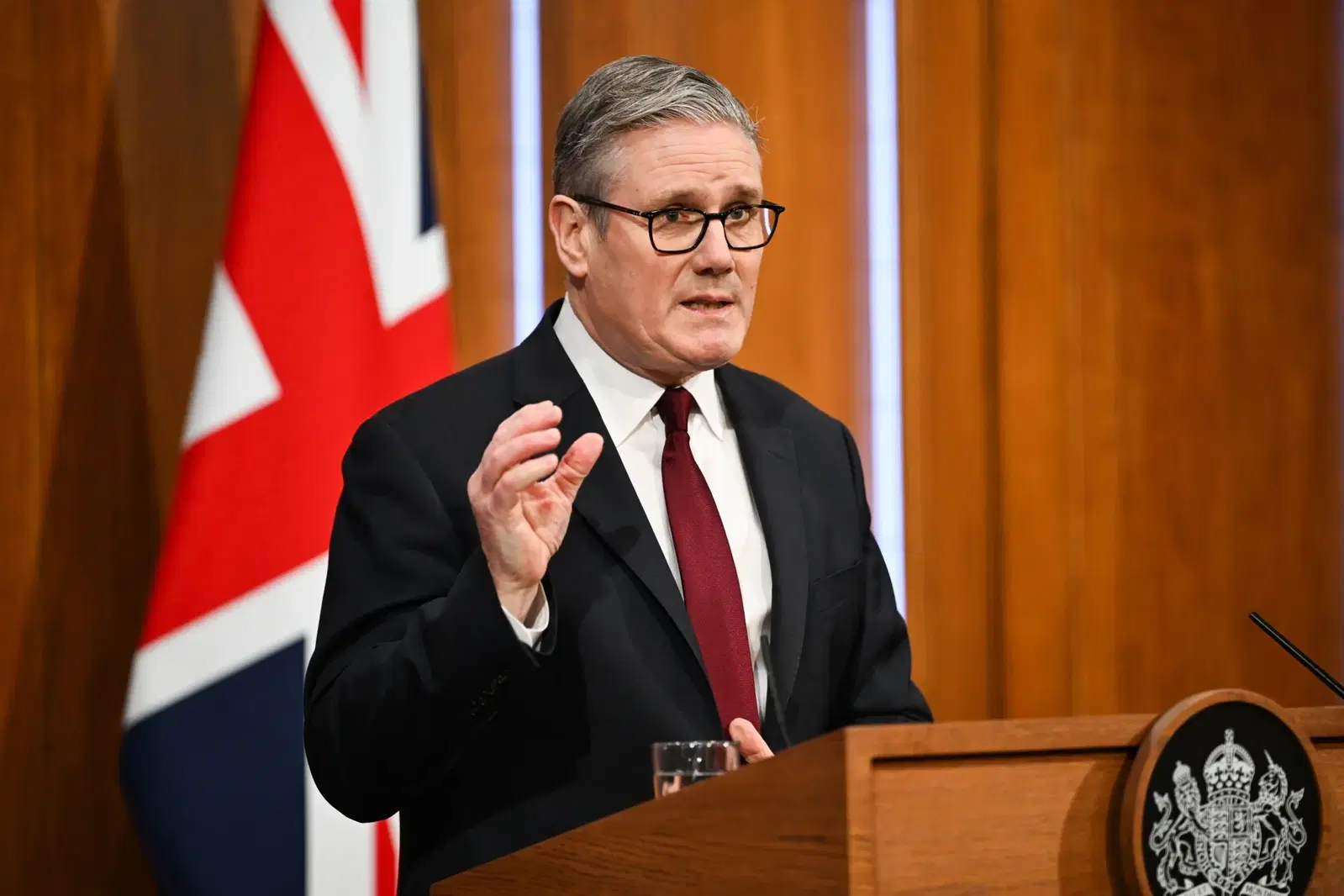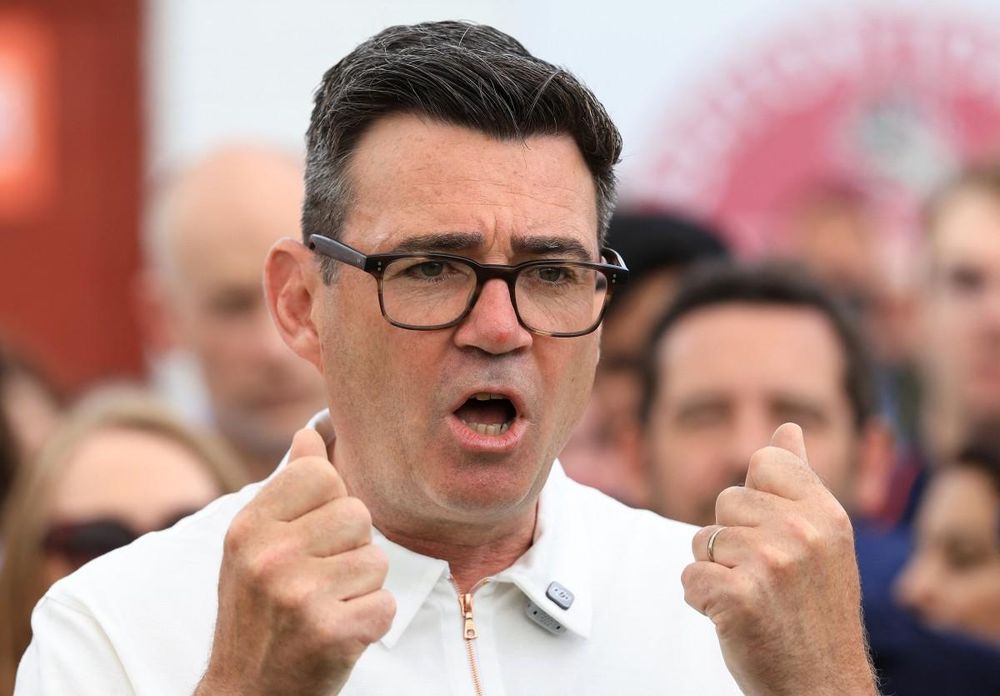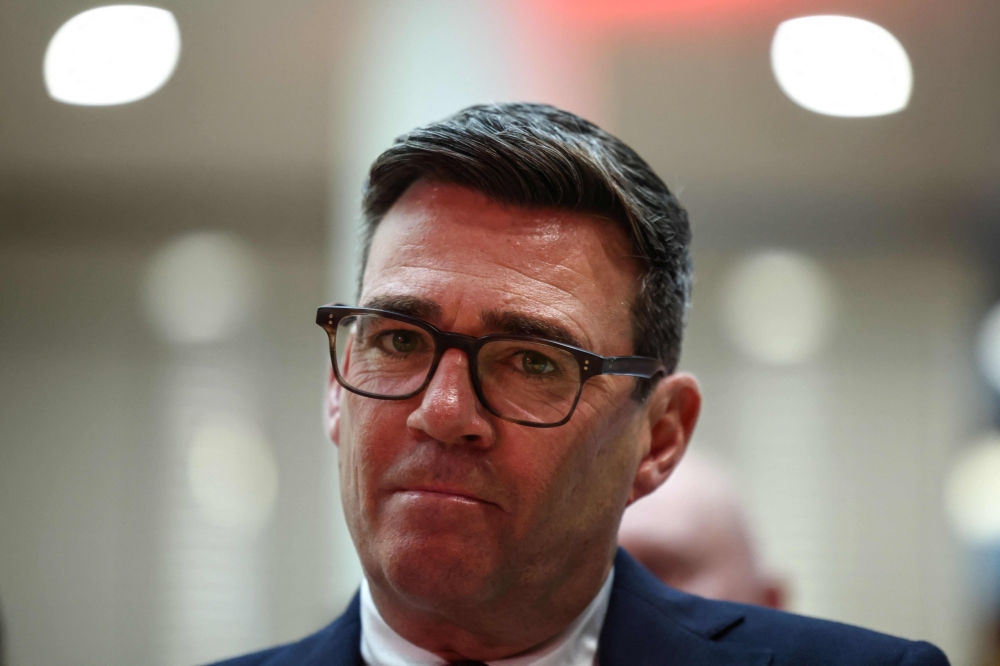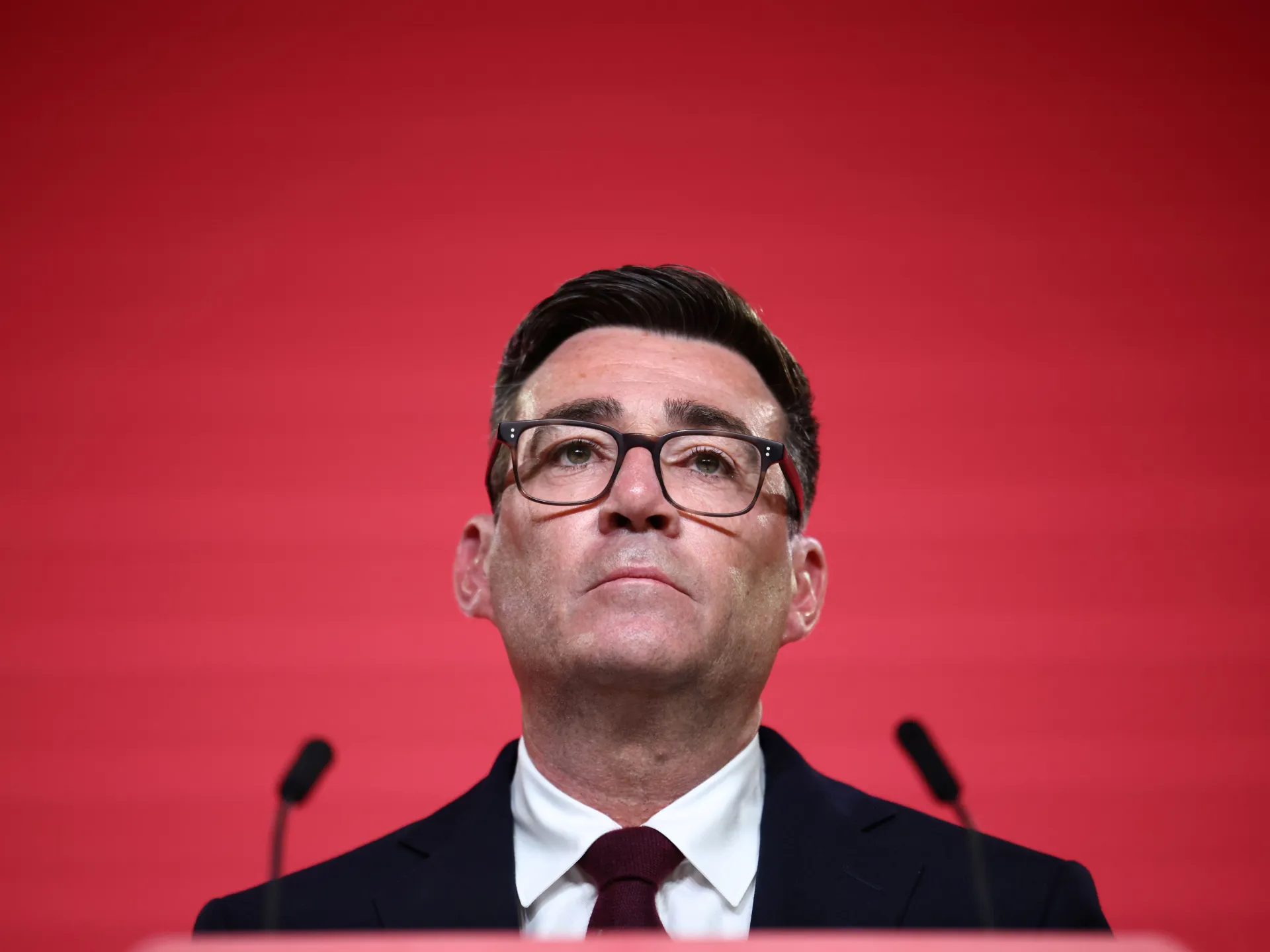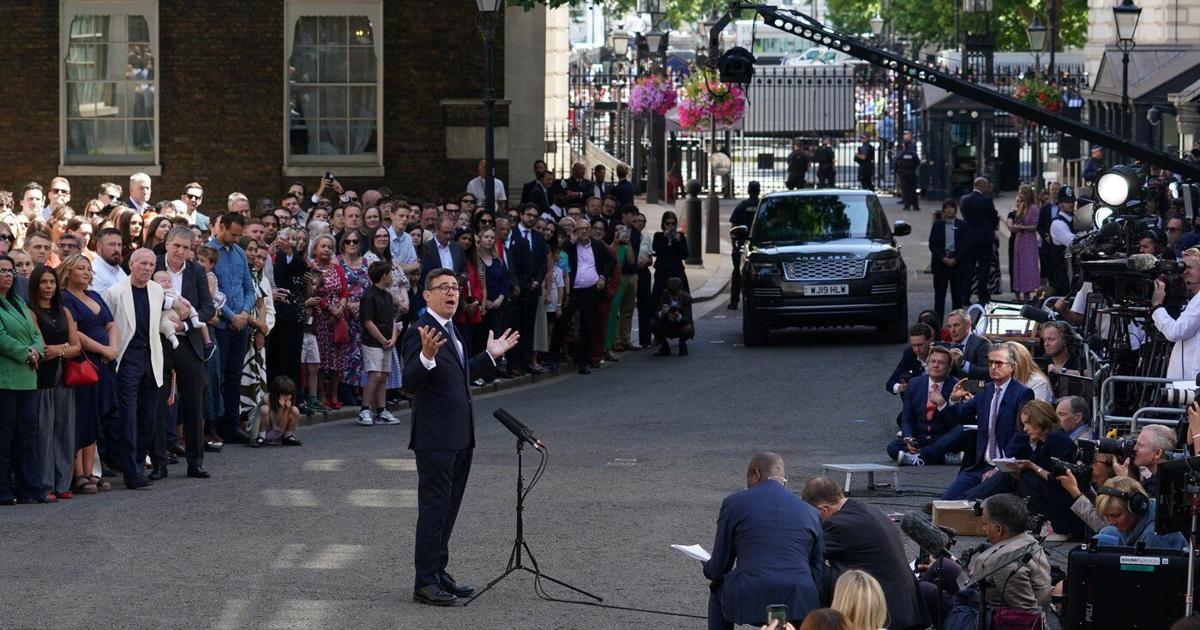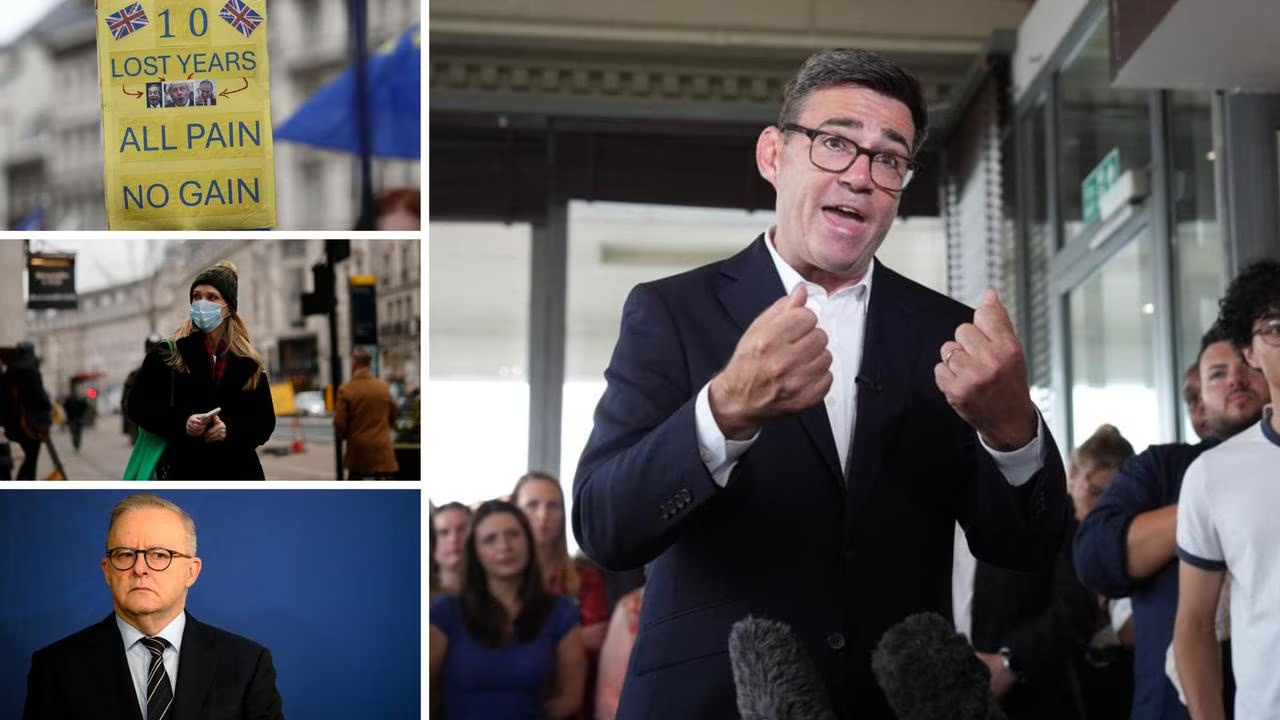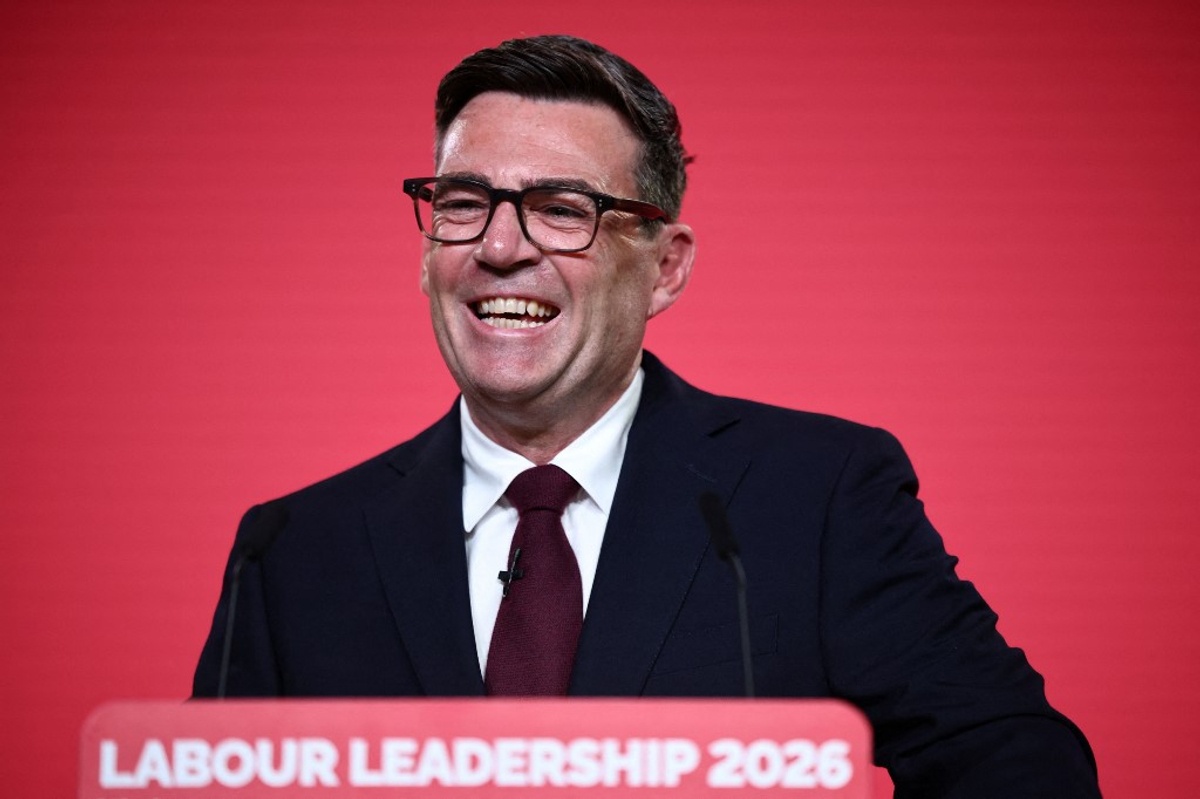
Britain on Monday was set to gain its seventh prime minister since the start of 2016 as Andy Burnham takes over following the resignation of Keir Starmer. Labour had criticised the rapid turnover in leadership of the Conservative Party when it was in office, but then ditched its own unpopular leader within two years of winning the July 2024 elections.JOIN US ON TELEGRAMFollow our coverage of the war on the @Kyivpost_official. Veteran Labour politician Andy Burnham was to acknowledge this trend in his opening speech, saying he is “acutely conscious” of the need for more stable politics. Starmer announced his resignation in June following months of nose-diving poll ratings and manoeuvering by his own MPs, who have overwhelmingly backed Burnham to take over. Starmer had swept to power in a landslide general election victory in July 2024, ending 14 years of Conservative rule. He had criticised the “chaos” of chopping and changing leaders under the Conservatives, who went through five prime ministers from 2016 to 2024, only to see his party take the same route. Here are the seven prime ministers in power since the start of 2016: David Cameron, May 2010 - July 2016 Britain’s decision to leave the European Union ended Cameron’s second term as prime minister. After the country voted to leave in a June 2016 referendum, Cameron, who had campaigned to remain in the bloc, resigned. Theresa May, July 2016 - July 2019 May took over amid the fallout from the Brexit referendum after a long tenure in the notoriously difficult post of interior minister.
Seven PMs Since January 2016: Britain’s Decade of ‘Chaos’
Andy Burnham is set to become Britain’s seventh prime minister since 2016 after Keir Starmer resigned following plunging approval ratings and mounting pressure within Labour.
648 words~3 min read