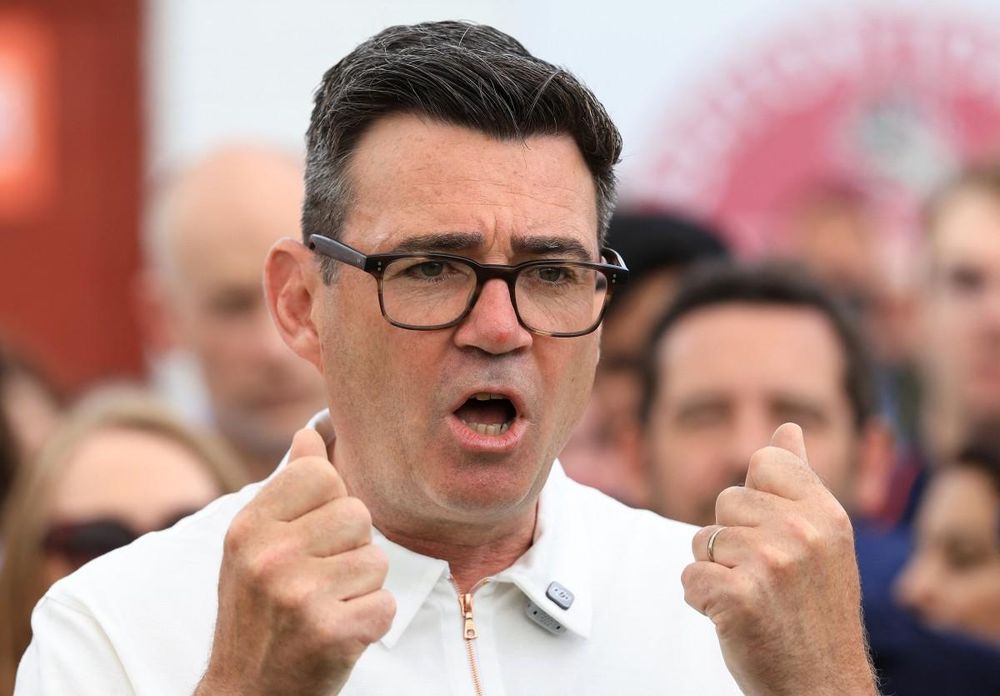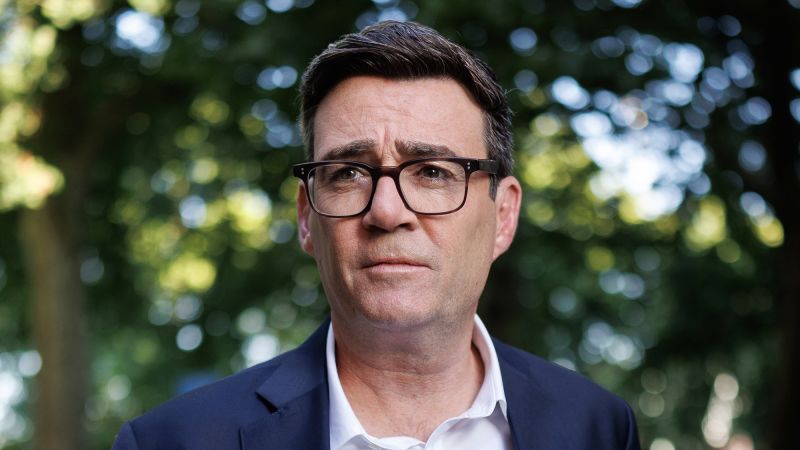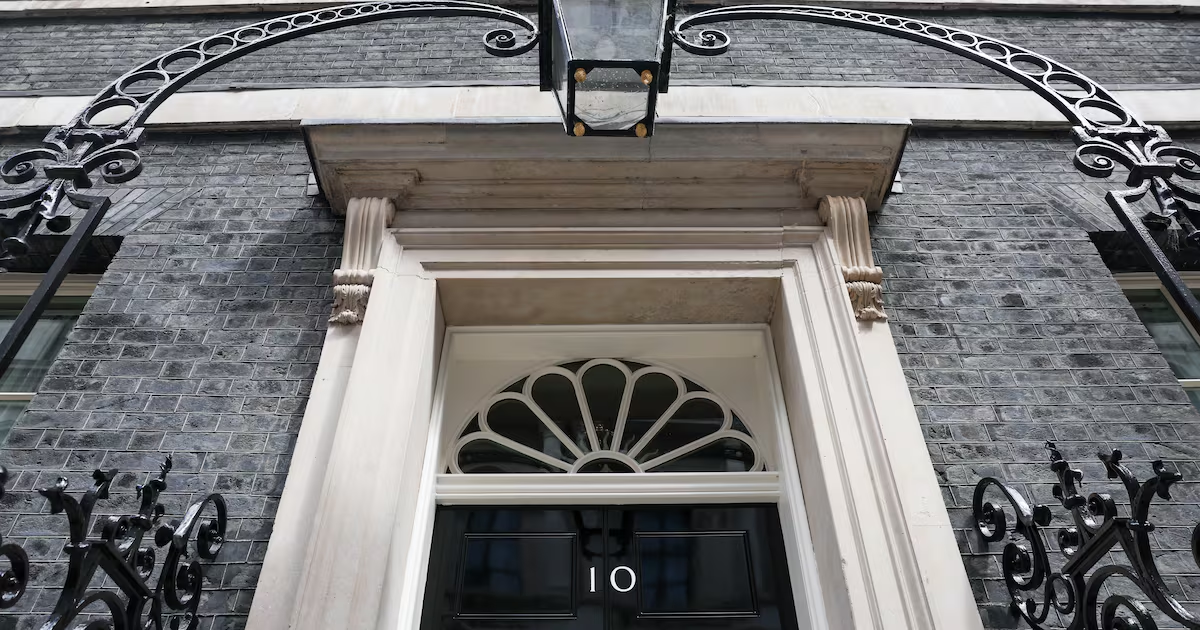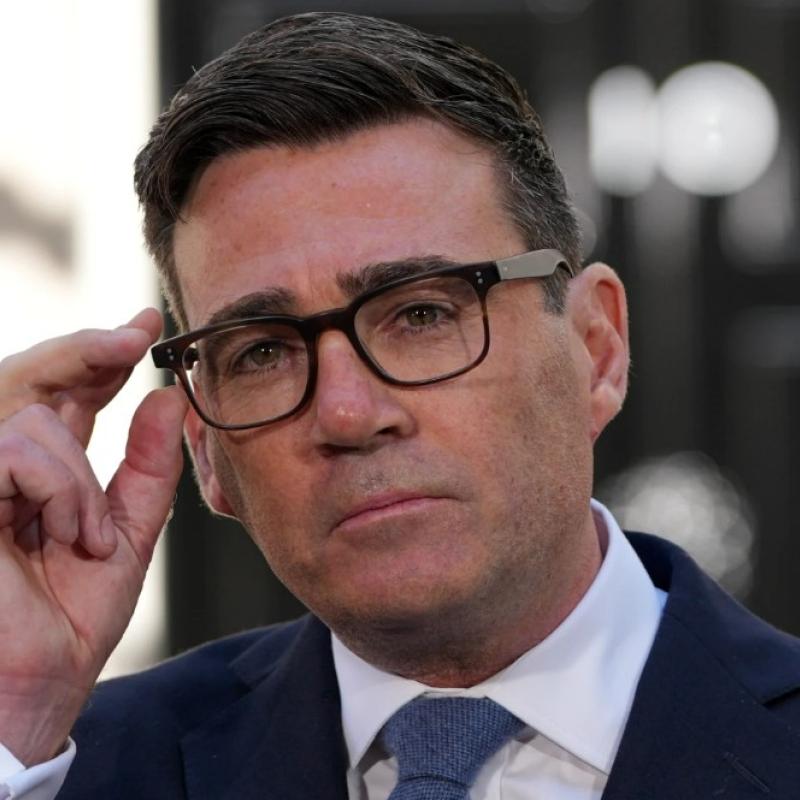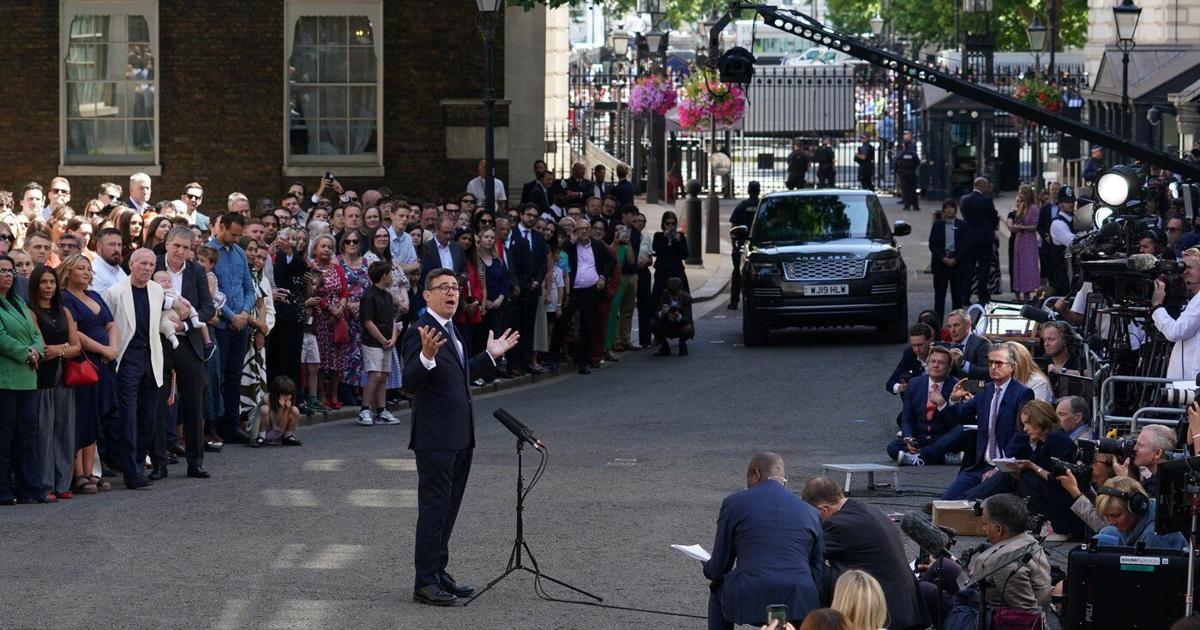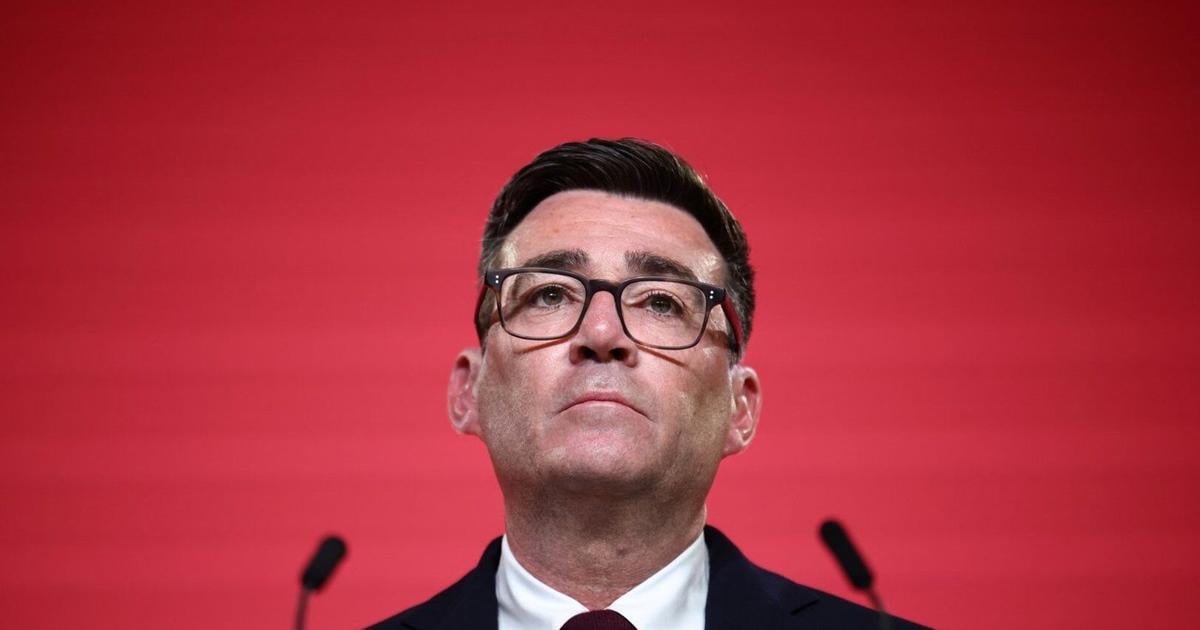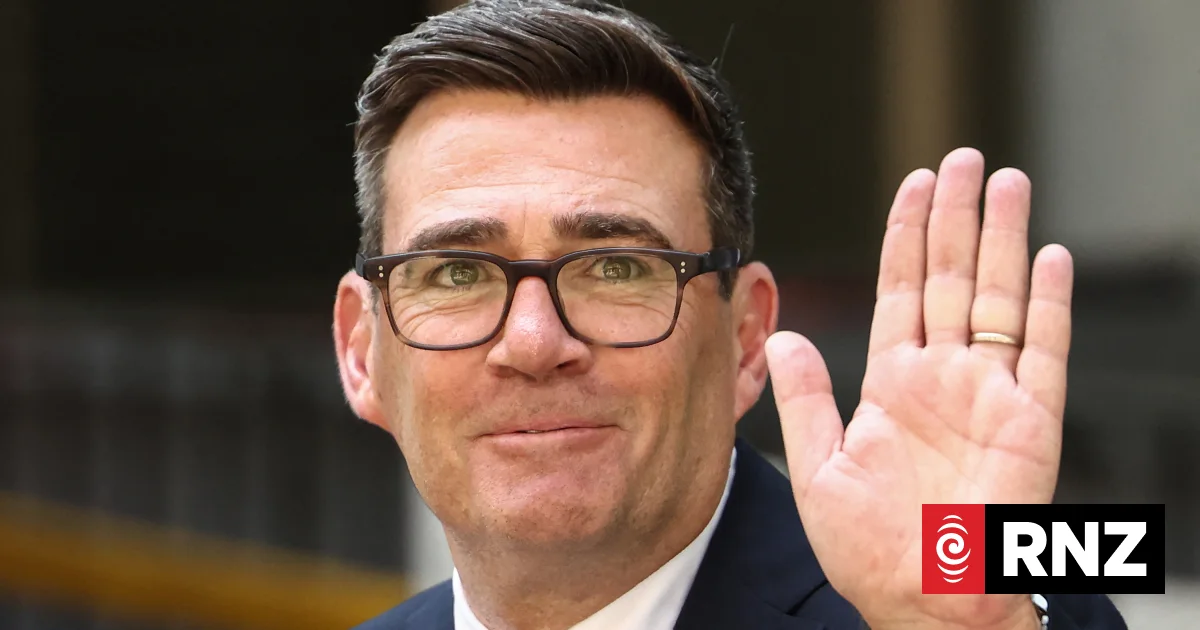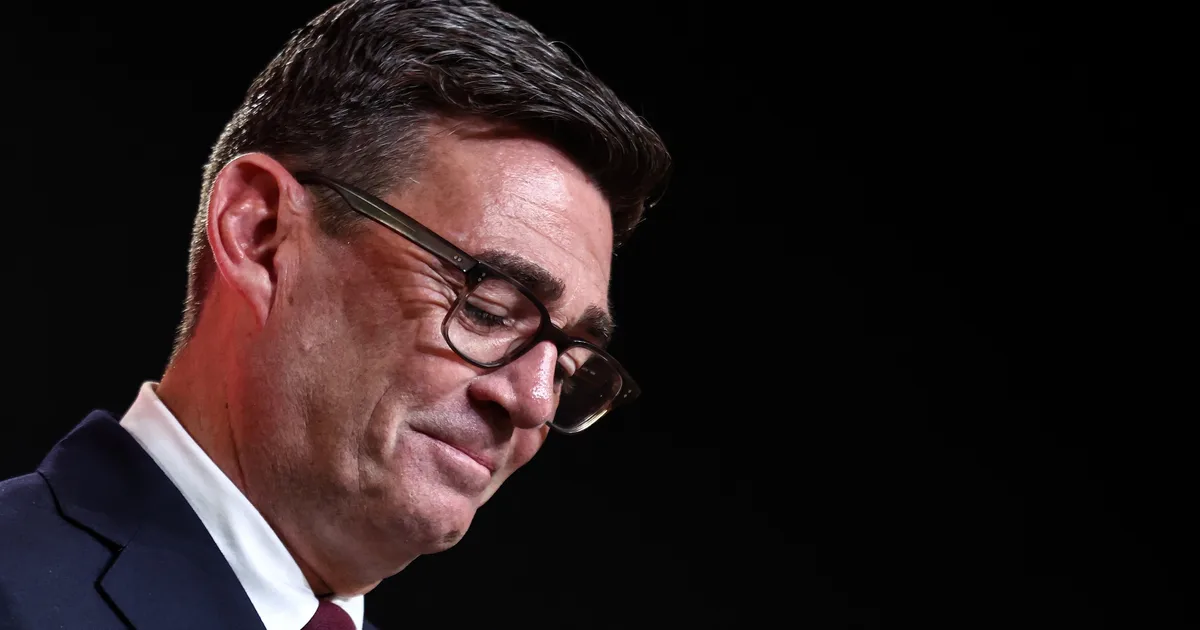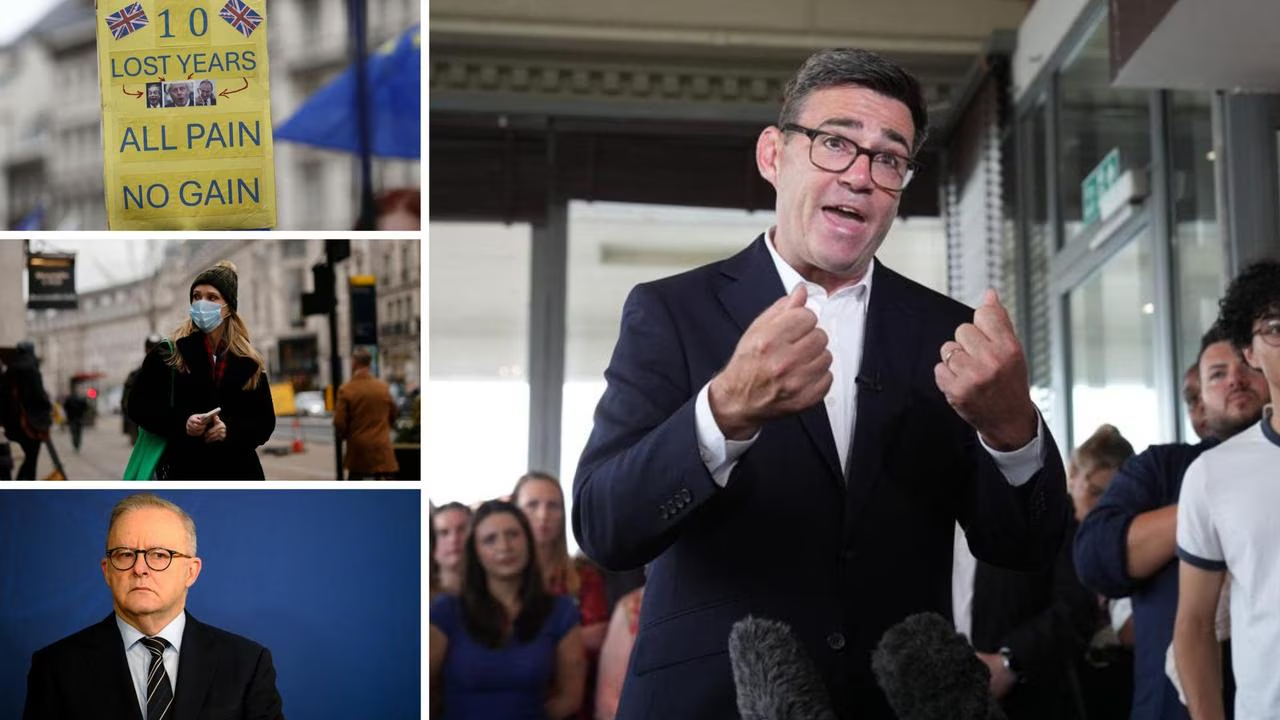
Andy Burnham will be Britain’s seventh prime minister in ten years - but the political chaos and infighting which landed him the top job show no sign of slowing down, according to experts.The former Greater Manchester mayor was on Friday overwhelmingly backed as leader of the Labour Party after Keir Starmer resigned last month. He will take the reins at 10 Downing Street on Monday, July 20.Experts say Mr Burnham will now need to address a host of issues that have felled his predecessors in quick succession - and he has little time to get it done.UK’s decade of chaosThough experts can’t agree on an exact timeframe, many believe Britain’s political instability dates back to the Brexit referendum in June 2016.A shock vote to leave the European Union on June 23, which Britain had been an important member of for 43 years, shook the UK’s political establishment and saw its financial markets enter free fall.Over the next ten years, Britain would experience a series of shocks, from the Covid pandemic in 2019 to Russia’s illegal invasion of Ukraine in 2022. These events, coupled with the economic and fiscal fallout from Brexit, put serious strain on the country’s coffers and eventually led to the unseating of six prime ministers and three General Elections.Pundits, like Dr Patrick Leslie from the Australian National University (ANU), said it was Theresa May’s prime ministership in July 2016 that led to Britain’s political downfall.He said Ms May’s decision to call a snap election in 2017 was a disastrous move which shrunk her Conservative Party’s majority in parliament and resulted in two years of political gridlock over Brexit negotiations.“That was really, really problematic because we had a government for two years that had a functional majority for some of things it wanted to do but for the one thing it really wanted to do, it just couldn’t get those MPs over the line and that led to a real breakdown in how we normally, ordinarily understand parliamentary government in the UK,” Dr Leslie told news.com.au.“You’d have a Prime Minister, who has an agenda, gets his MPs behind it and gets it done and when Boris Johnson came through, he managed to do that by really bending some of those parliamentary principles; he ends up in the Supreme Court for trying to prorogue parliament too early, and that instability continues.”Ms May resigned in July 2019, making way for her Tory rival Boris Johnson to take the reins in Downing Street, the home of Britain’s Prime Minister. He negotiated Britain’s exit from the EU in January 2022 but the Covid pandemic, lockdowns, and a spate of personal scandals, saw him turfed out as PM in September 2022. He was replaced by Liz Truss, whose disastrous mini-budget spooked financial markets and saw her leave Downing Street as Britain’s shortest-serving prime minister 49 days later. Rishi Sunak took over and led the Conservative Party to a historic defeat in 2024. The party had won a momentous landslide victory just five years earlier.Labour’s Sir Keir Starmer took over but he was forced to quit in July following a spate of disastrous local election results and poor political decision-making, such as deciding to remove financial support for pensioners facing rising gas bills during the winter months.‘A major break’Dr Leslie said Brexit caused a rupture in British politics that lasts to this day.“[It] really crystallised a major break in the UK’s political and economic settlement, which had been for a very, very long time, to have London be the centre of the economic universe and redistribute that wealth that it produces, much like Australia does with the mining industry,” he told news.com.au.“As the position of London in the global market weakened, it could no longer afford to have that model and that model had been in place since Margaret Thatcher, at least. So, it’s been a matter of scratching around and sort of looking at stagnating productivity and even in some cases, productivity going backward, in the City of London and not having a good idea for what to do next.”Dr Leslie said the reason why sitting PMs had such a hard time governing Britain is because of insurgent candidates like Nigel Farage who position themselves as crusaders against the establishment.“In a real sense, in a lot of those places that support Nigel Farage best, that’s really what they want: It’s more than just cocking a snook to the establishment, it’s about saying we don’t like anything about how this functions anymore. It hasn’t functioned too well for us.”He said past attempts by former PMs to distribute London’s riches - gained through its position as the financial centre in Europe - into more deprived areas such as the North of England had largely failed.“Why Andy Burnham is so significant in that kind of story is despite being a frontline Labour politician for 25 years, he’s come in winning a by-election by telling voters, ‘vote for me, vote for the Labour Party, so I can get rid of your Labour PM’ and trying to promise something slightly different. That is, we’re going to pursue devolution [of power], and we’re going to pursue it rapidly to try to unpick the economic settlement done by Thatcher.”Dr Leslie added: “When Andy Burnham says it’s the last chance for the Labour Party, it’s really the last chance for any of the major parties before we do have a kind of populist right-wing style government and whether that can really provide economic growth is anyone’s guess, but possibly not.”‘A s*** sandwich’Dr Leslie said the key to Mr Burnham success will be his ability to persuade people that he understands them.“The level of trust in the UK, in politics, in institutions, is just really, really low. It’s on the floor. But the one thing to note is the largest component of trust is sense of benevolence, which is to say: I don’t necessarily believe that you’re competent, I might not necessarily believe you have the capacity to do what you say you do but trust flows through ‘I understand you and I understand where you’re coming from’.“People don’t necessarily look at macro-economic data. They don’t look at their petrol prices for example and know immediately who to blame for that but, if you believe the person in charge has your best interests at heart, then it becomes a little bit easier,” Dr Leslie said.“That’s why I think his primary mission isn’t necessarily hard policy wins quite quickly, it’s mostly about doing a better job of communicating. He has to go to people and say: ‘This is the path. This is where I want the UK to go and it’s going to take 10 years to get there.’”It’s a point Paul Smith, director of public data and affairs at YouGov, made when he spoke to news.com.au.“[Mr Burnham] has to demonstrate to people that he understands they want quick and immediate change and he’s prepared to step outside what the British public see as the long period of political failure. “He’s made it clear that he sees the political establishment has failed and he wants to change that. That’s why he’s got his popularity and his future success will depend on that.”Mr Smith believes one of the ways he can achieve that is by bringing in more secure employment for people.“More and more people are on zero-hour contracts and the people feel insecure in their work,” he said, adding that a more secure workforce will bring Britain prosperity and long-term political leadership.Mr Burnham’s time to make those changes is rapidly running out, Dr Leslie said. He said issues around taxation, immigration, defence and health spending would soon resurface and require a response from the new government.“The day-to-day of being British Prime Minister at the moment is just a big s*** sandwich. He’s going to have to find a way to get above that, if he can.”The British academic said the overreliance on London to generate wealth for the country and nearly 20 years of economic crises, kicking off with the Great Financial Crisis in 2008, has worn down Britain and its institutions.A lesson for AustraliaAs a result, support for the major parties has collapsed. Parties like Reform UK under Nigel Farage, and the Greens, under new leader Zack Polanski, are taking advantage of that fracturing.Dr Leslie said to avoid the political turmoil that plagued Britain, Australians should be asking what role political parties have in maintaining our democracy.He said Australia’s major parties are becoming irrelevant.“Yes, the Labor Party has some of its traditions there and so does the Liberal Party in terms of having as decent state and federal structure, but the people who go to branch meetings, their average age is 65 and it’s a small group.“There is a real sense that if you had a people vs the establishment then the Teals, as establishment and elite as they are, have a real complaint against the way the two major parties colluded to lock them out and force them to make their own Australian Democrats-like parties,” he said.“If that’s your approach to safeguarding Australian democracy then I don’t think that’s a good one.” Dr Leslie said the major parties must rejuvenate and be more open to change and public participation.“We talk all the time about the lack of clubs and associations and that people feel they don’t have time for that stuff now, which is sad, but it is important. “Parties recognise they are how the state represents itself to the people and they know people represent the most important linkage. They are the most important key and if they don’t take responsibility seriously - like, by continually turfing prime ministers, or playing cheeky buggers with electoral rules, all this stuff - it doesn’t actually help. It probably kicks the can down the road a little bit when what you need to be is more representative.”
‘A s*** sandwich’: Andy Burnham running out of time to overturn a decade of UK political chaos
Andy Burnham will be Britain’s seventh prime minister in ten years - but the political chaos and infighting which landed him the top job show no sign of slowing down, according to experts.
1,644 words~7 min read