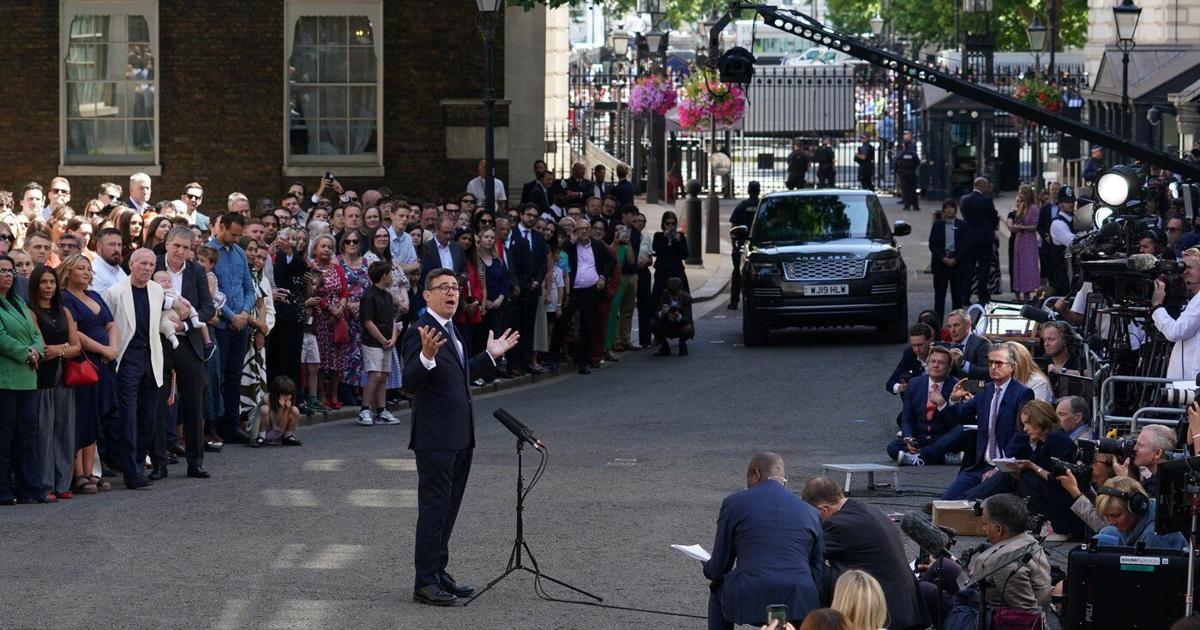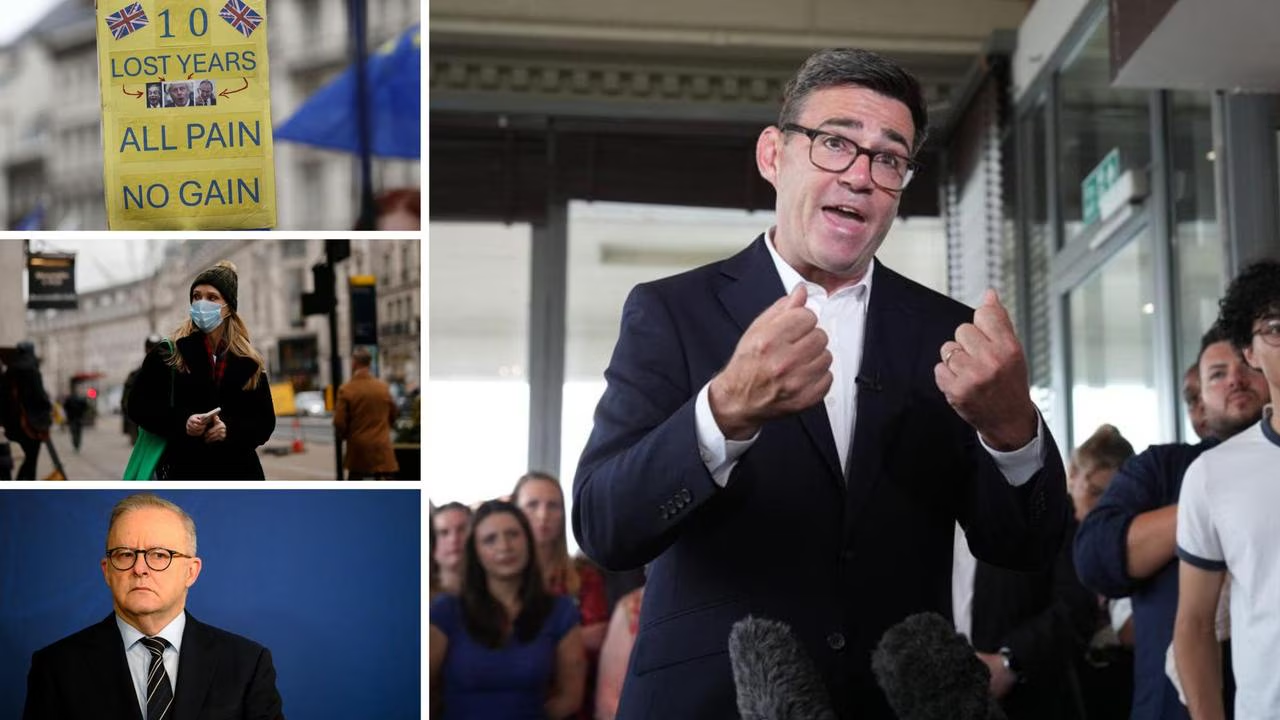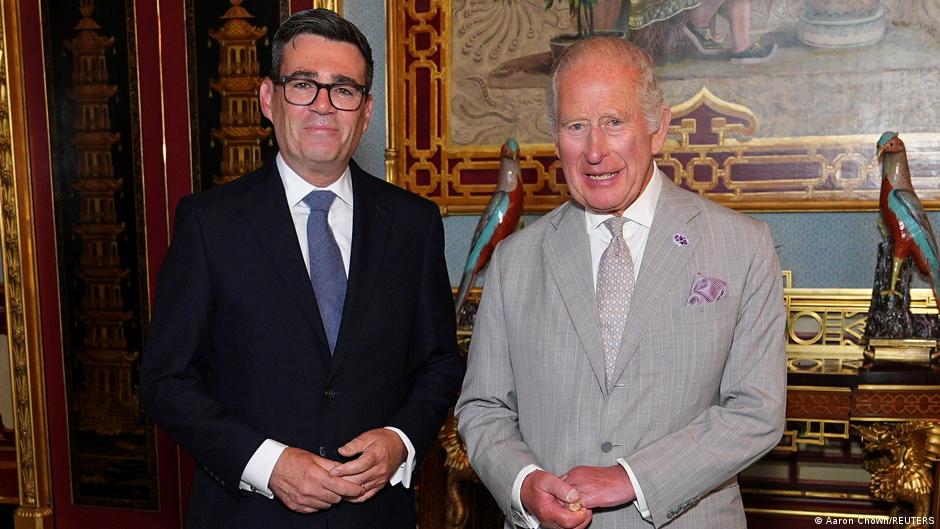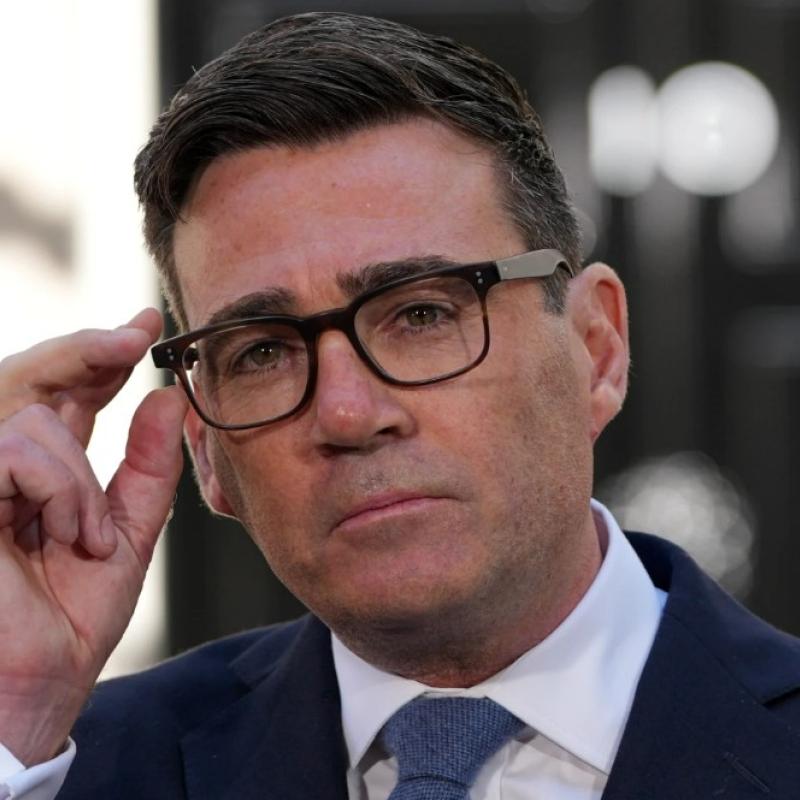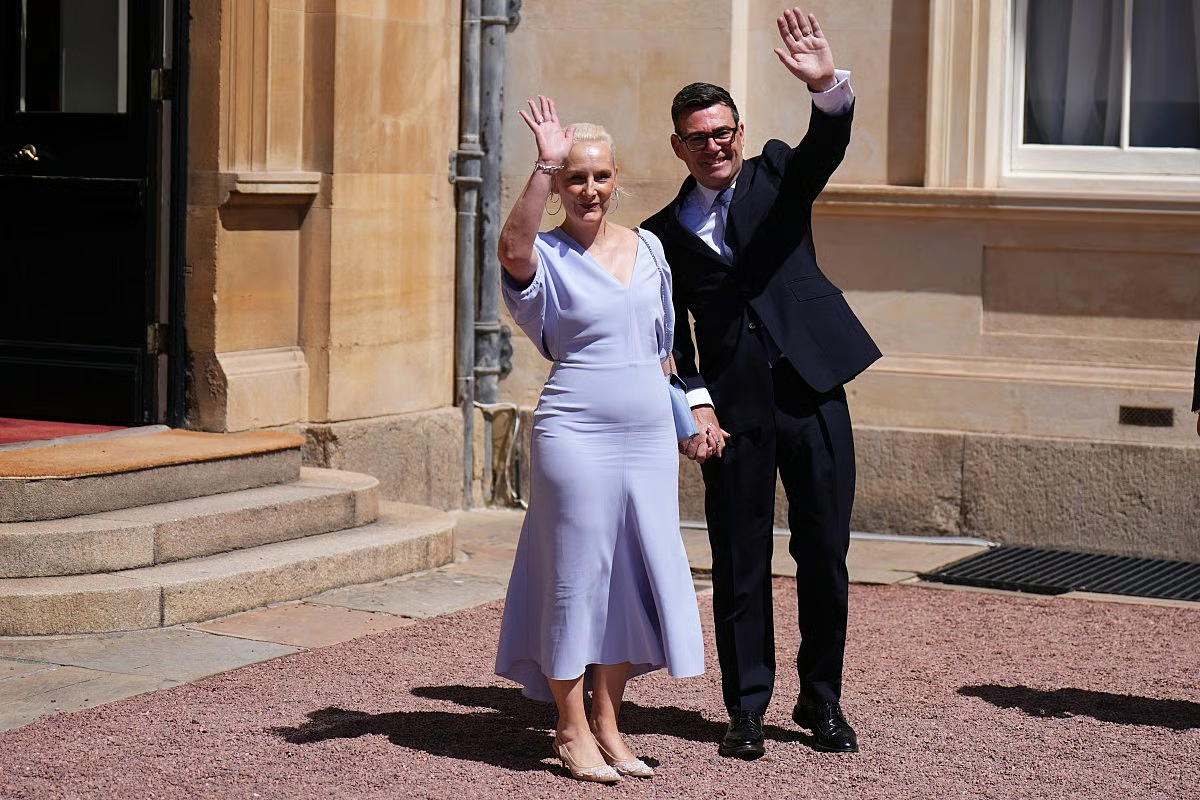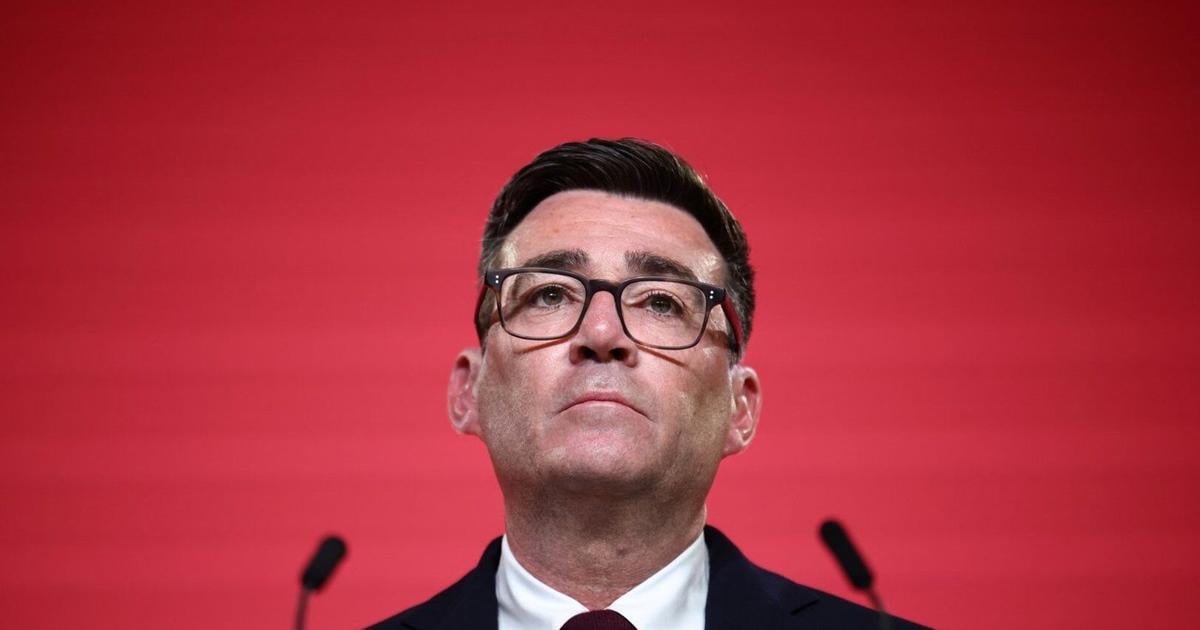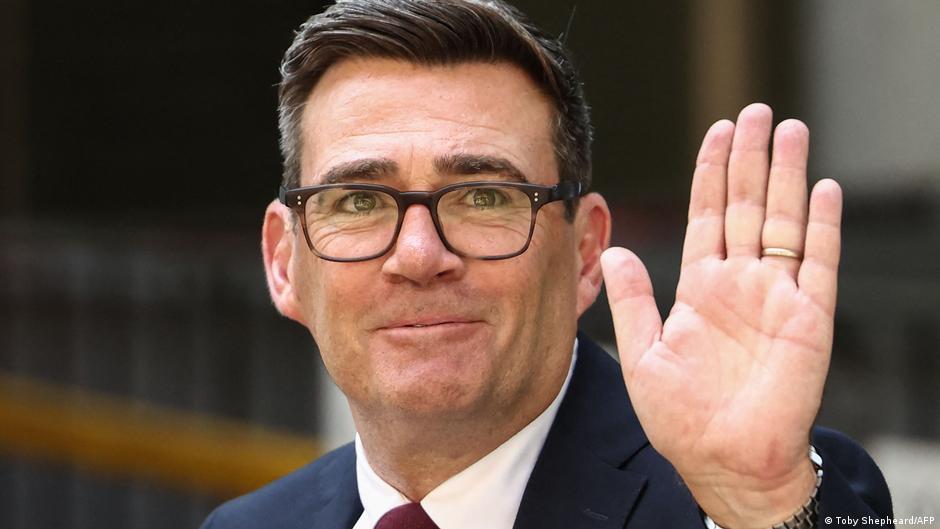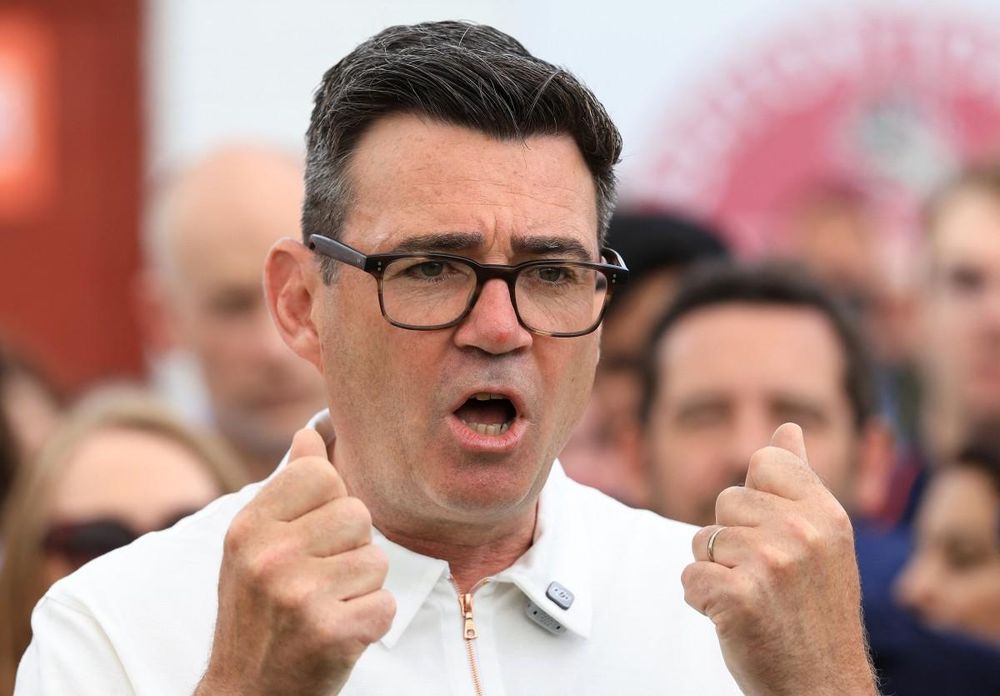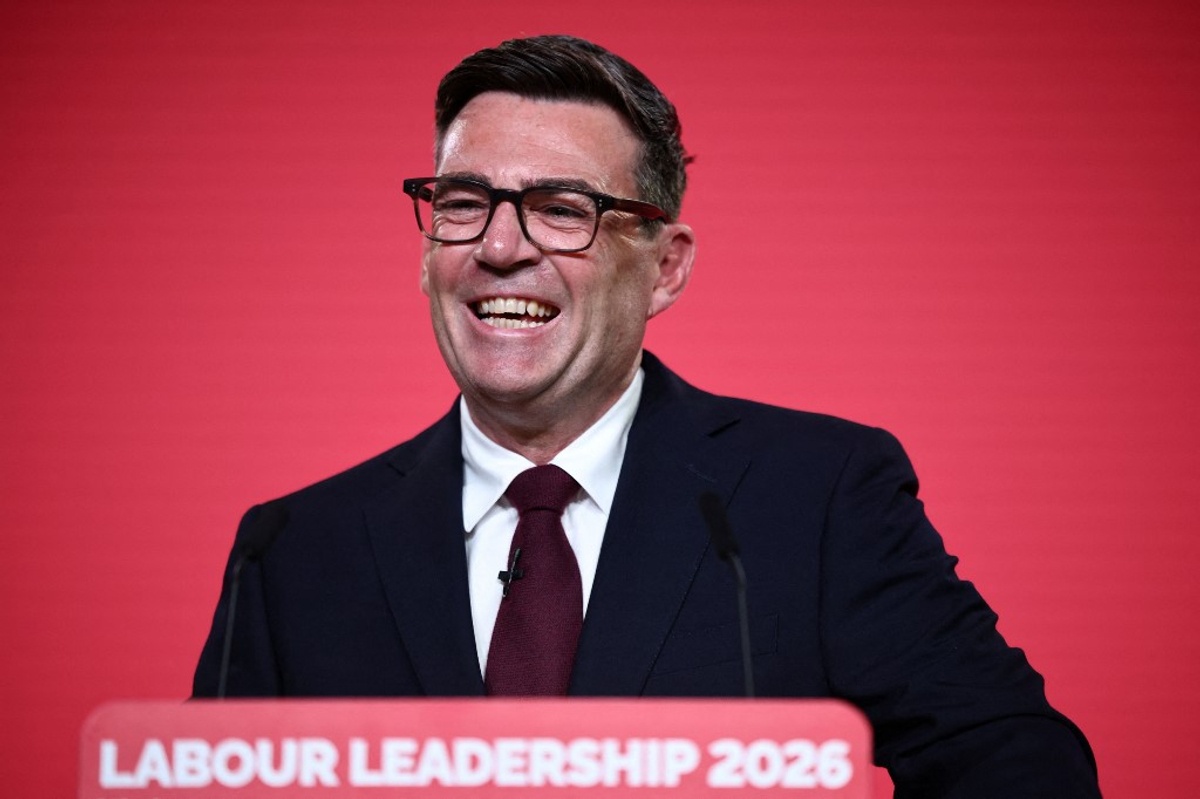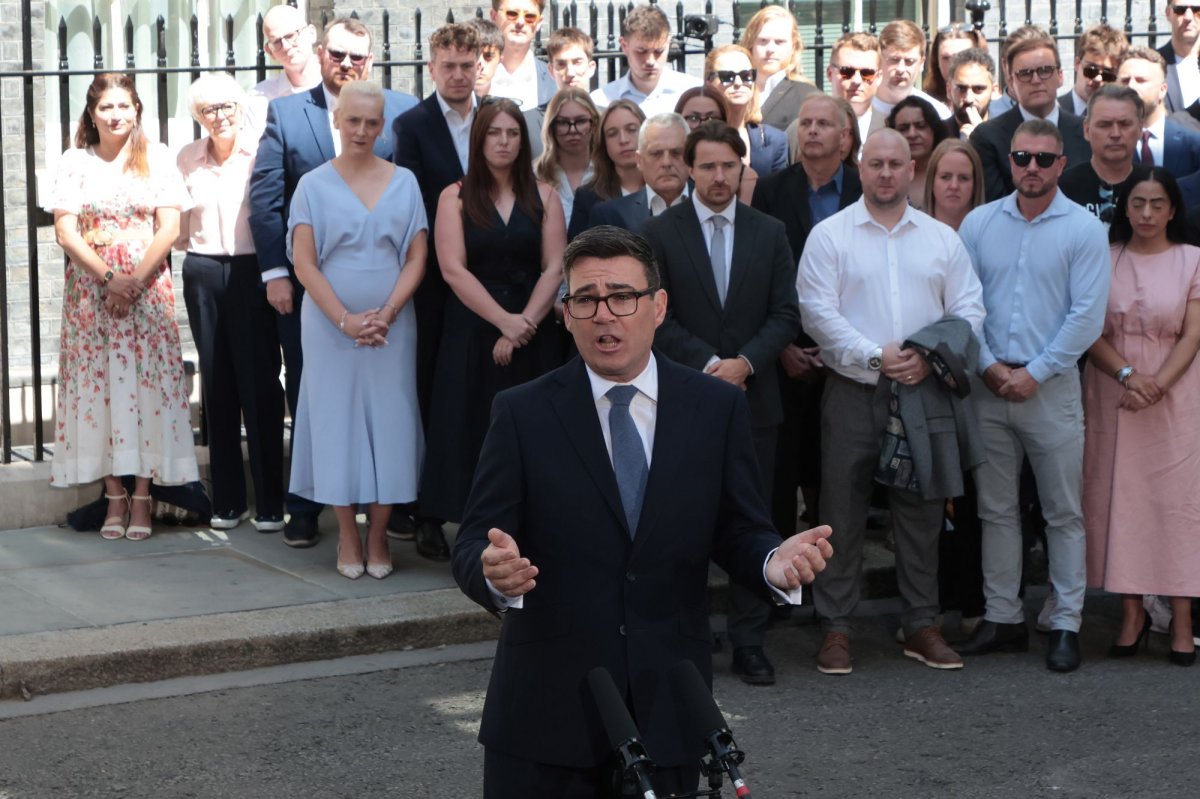
Andy Burnham started his new job on Monday, Britain’s seventh prime minister in a decade of government chaos since UK citizens voted to leave the European Union.In those 10 years, British leaders have struggled to articulate a clear direction while failing to energise a low-growth economy that is hamstrung by high debts and a growing welfare bill at a time of rising threats around the globe.June 2016: David Cameron quits over Brexit voteUK voters cause a global shock by voting to leave the EU after more than 40 years, plunging their country into its biggest political crisis since the second World War. Conservative prime minister David Cameron resigns and the party chooses Theresa May to succeed him.David Cameron quit as prime minister in June 2016 over the Brexit vote results. Photograph: EPA May 2019: Theresa May resigns amid Brexit paralysisMay quits after failing to break a parliamentary deadlock over the terms of Britain’s departure from the EU. Boris Johnson, one of the main faces of the pro-Brexit campaign, wins the internal Conservative Party contest to succeed her.[ Five key challenges facing Andy Burnham as he prepares to enter Downing StreetOpens in new window ]With parliament paralysed over Brexit, Johnson calls a snap election. Campaigning under the slogan “Get Brexit Done”, he steers the Conservatives to their biggest election win since Margaret Thatcher’s landslide victory in 1987.Theresa May quit as prime minister after failing to break a parliamentary deadlock over the terms of Britain’s departure from the EU. Photograph: Hannah McKay/PA July 2022: Boris Johnson resigns after scandals and misstepsBritain exits the EU on January 31st, 2020, and Johnson leads Britain during the Covid-19 pandemic – at one point being admitted to hospital himself with the disease – but a long list of scandals and missteps proves too much and he steps down after a ministerial revolt.Boris Johnson resigned after ministers and MPs made clear his position was untenable. Photograph: PA October 2022: Liz Truss resigns after chaotic 44 days in officeLiz Truss beats Rishi Sunak in a contest to succeed Johnson. Her “mini-budget” containing unfunded tax cuts spooks financial markets, sending borrowing costs soaring and further tarnishing Britain’s reputation for political and fiscal stability. She lasts only 44 days before resigning.Liz Truss stepped down as prime minister after 44 days. Photograph: Gareth Fuller/PA July 2024: Rishi Sunak loses general electionRishi Sunak takes over as Britain’s third prime minister in as many months, pledging to restore stability. He made five key pledges focused on the economy, stopping illegal immigration and improving the health system. He calls an election in July, 2024, but trails Labour in the polls by about 20 points.Rishi Sunak, soaked in rain, announcing the general election which his party went on to lose. Photograph: Henry Nicholls/AFP/Getty Images June 2026: Keir Starmer announces resignation “We said we would end the chaos and we will,” Labour Party leader Keir Starmer tells supporters after winning a landslide victory, but with the smallest share of the vote of any majority government in modern history.Pressure on Starmer builds over tax rises, a U-turn on welfare cuts and his appointment of Peter Mandelson as ambassador to Washington. Mandelson is sacked over his ties to the late US sex offender Jeffrey Epstein and questions arise over Starmer’s judgment and the vetting process.[ King of the casuals: What Andy Burnham’s dad-friendly labels say about his push for powerOpens in new window ]Labour suffers heavy losses in local elections, with Reform UK the main beneficiary, deepening questions over Starmer’s ability to govern.Keir Starmer announced his resignation after heavy losses in local elections and deepening questions over his ability to govern. Photograph: Dan Kitwood/Getty Images Greater Manchester mayor Andy Burnham wins an election for a parliamentary seat in the north of England, trouncing Reform UK in the process. Three days later, Starmer quits as Labour Party leader, saying that, after listening to party, he realised he was no longer the man who should lead it into the next national election, due by 2029.July 2026: Burnham becomes seventh UK prime minister in a decadeIn the absence of any challenger, Burnham secures the leadership of the ruling party when a huge majority of Labour legislators nominate him, putting him in line to lead the government. – Reuters
After decade of chaos, UK’s ruling Labour Party gambles on Andy Burnham
Former Manchester mayor is the seventh prime minister since UK’s Brexit vote
707 words~3 min read