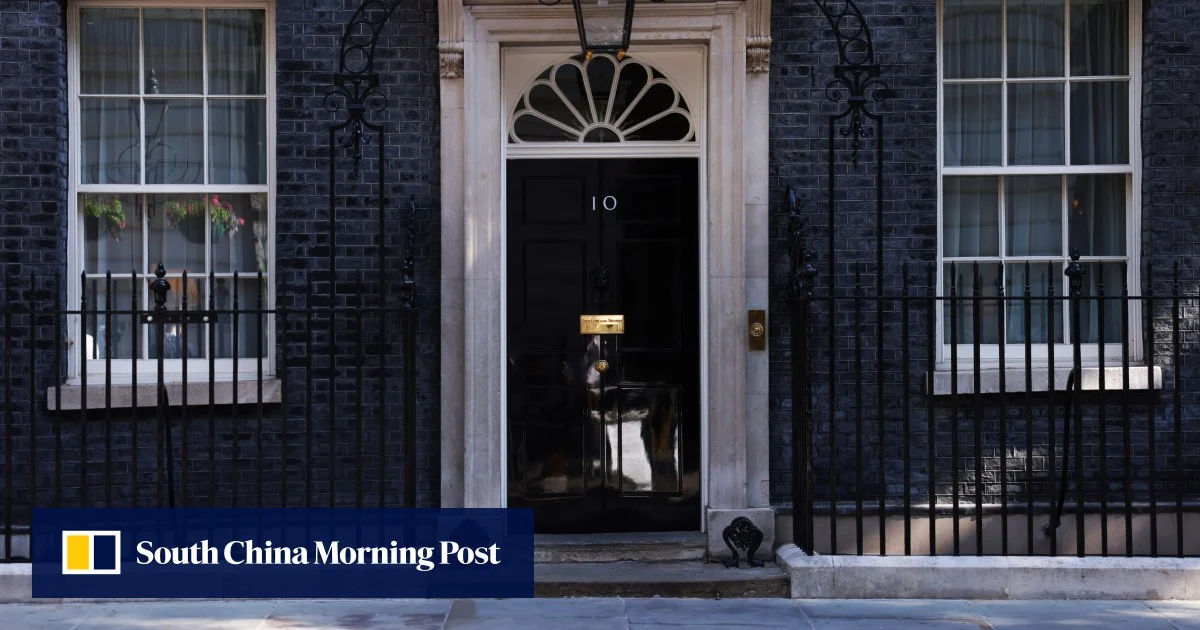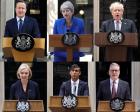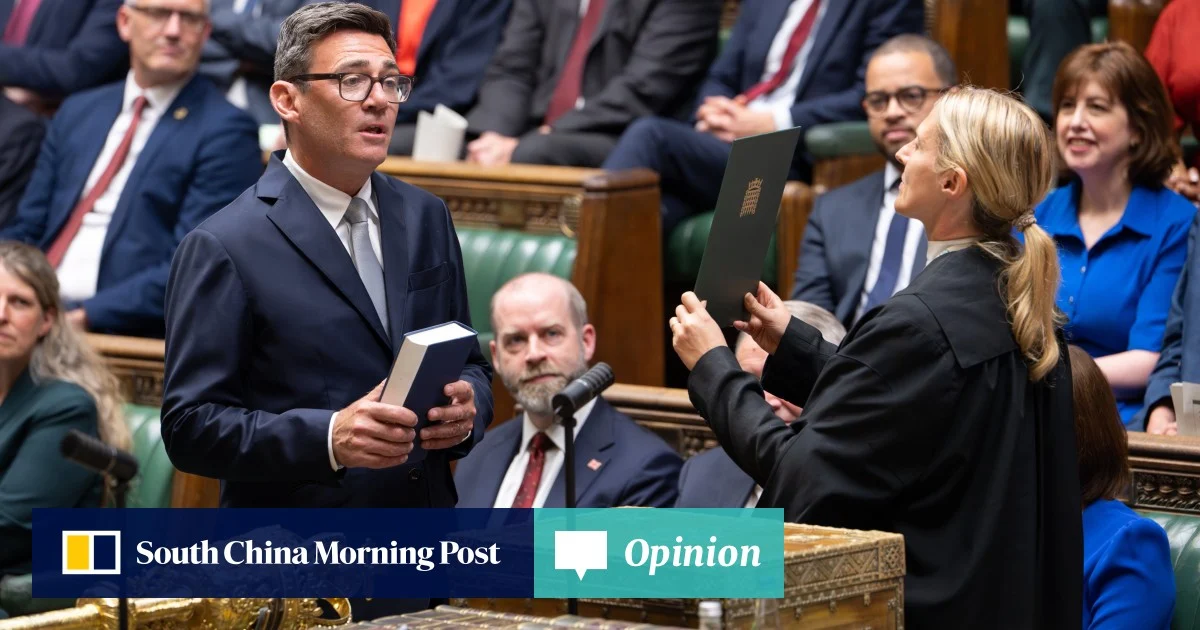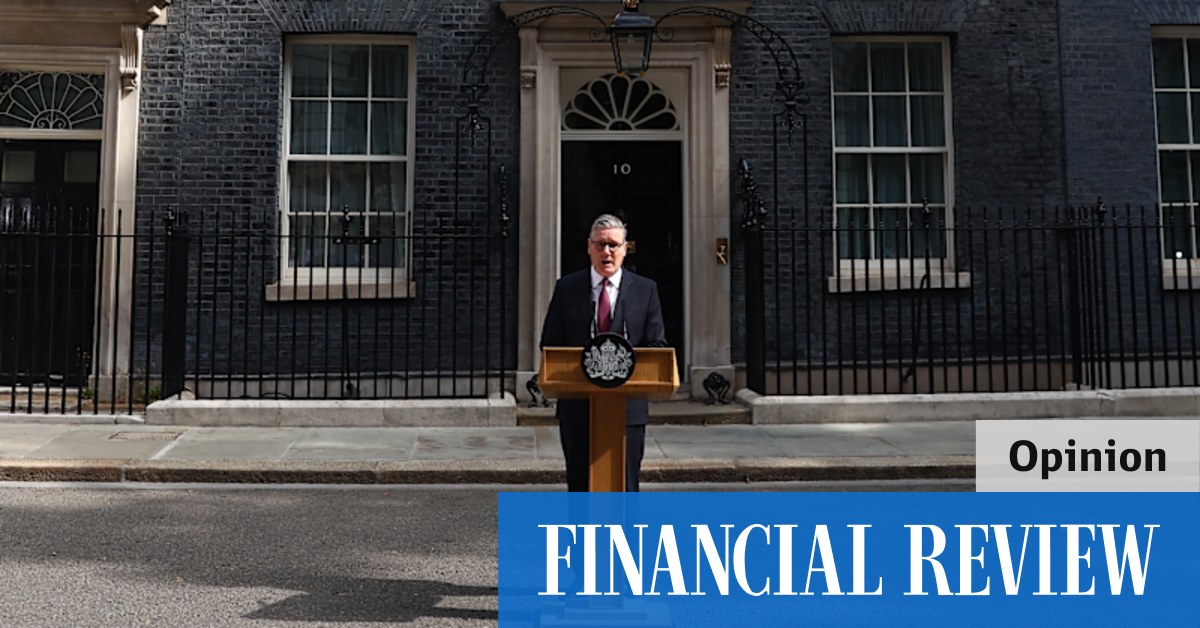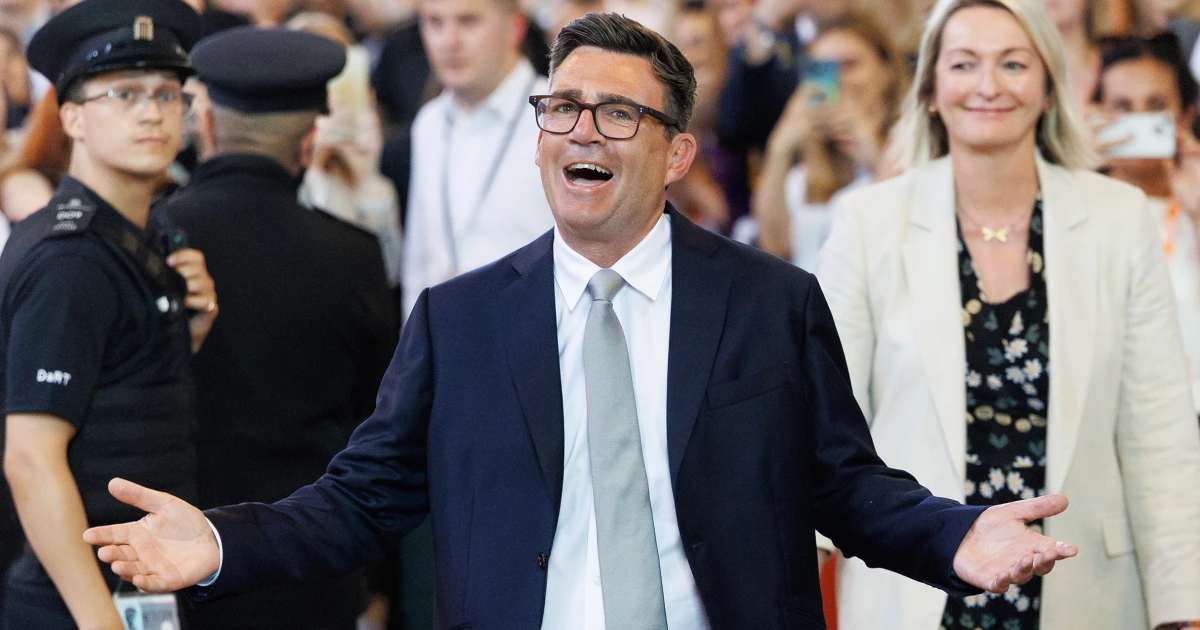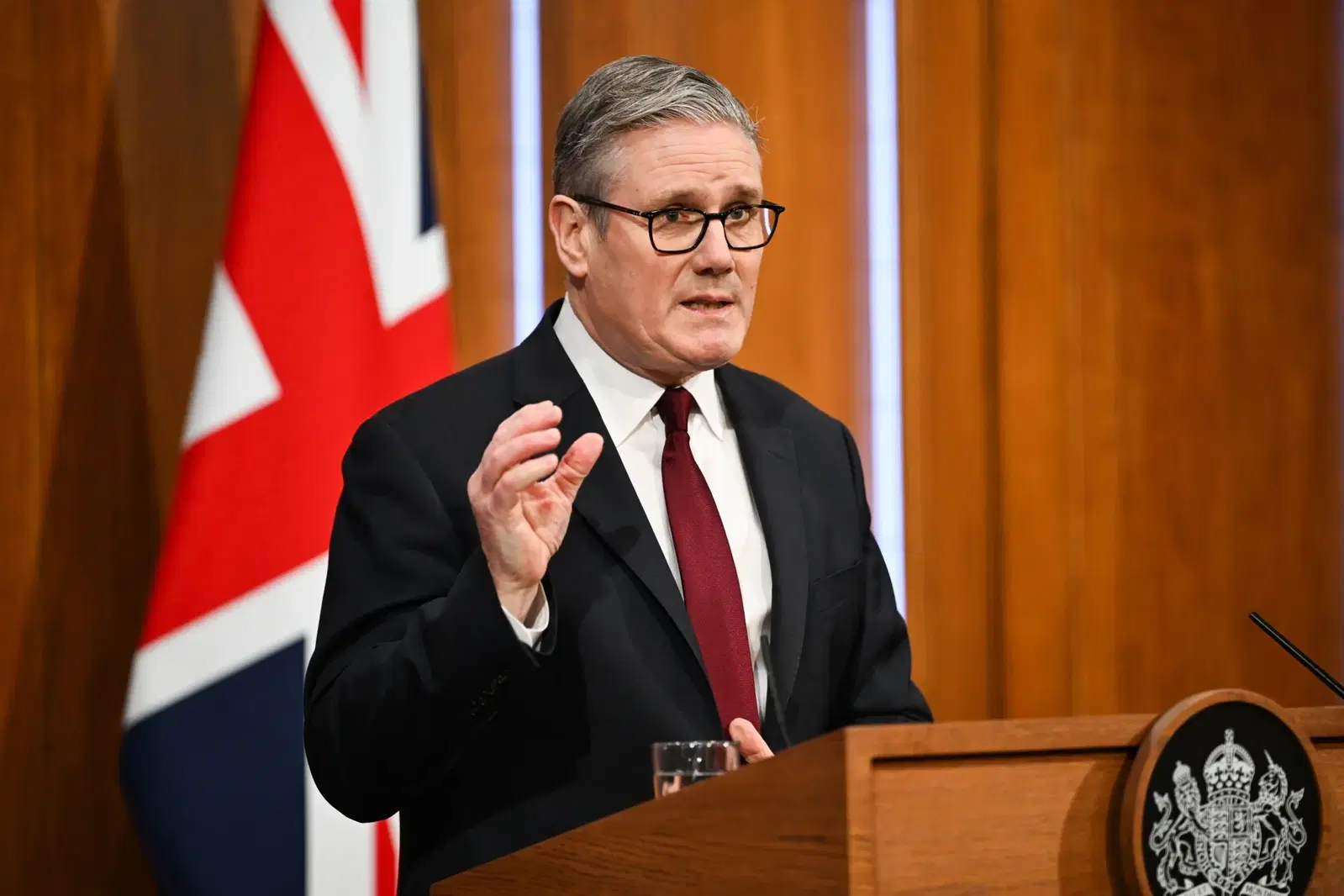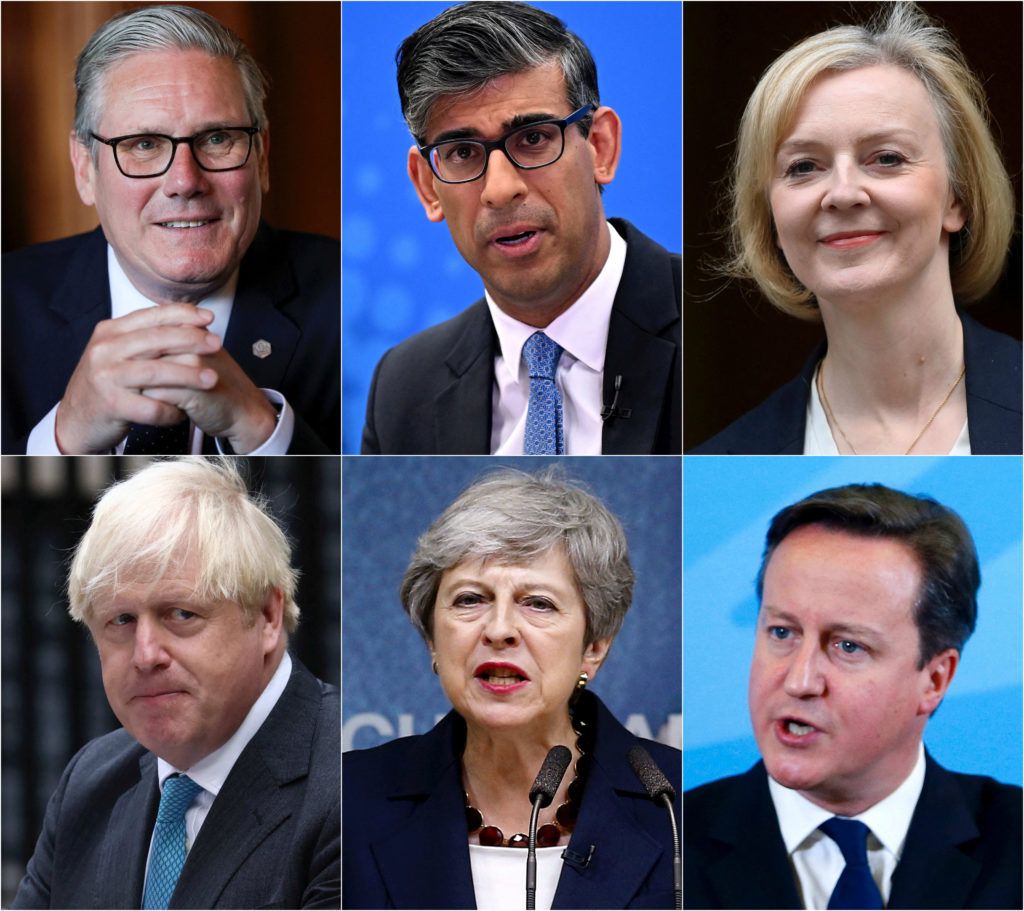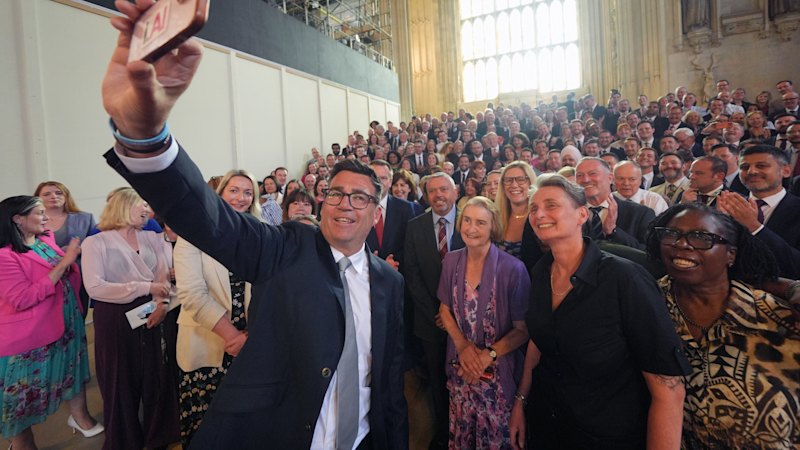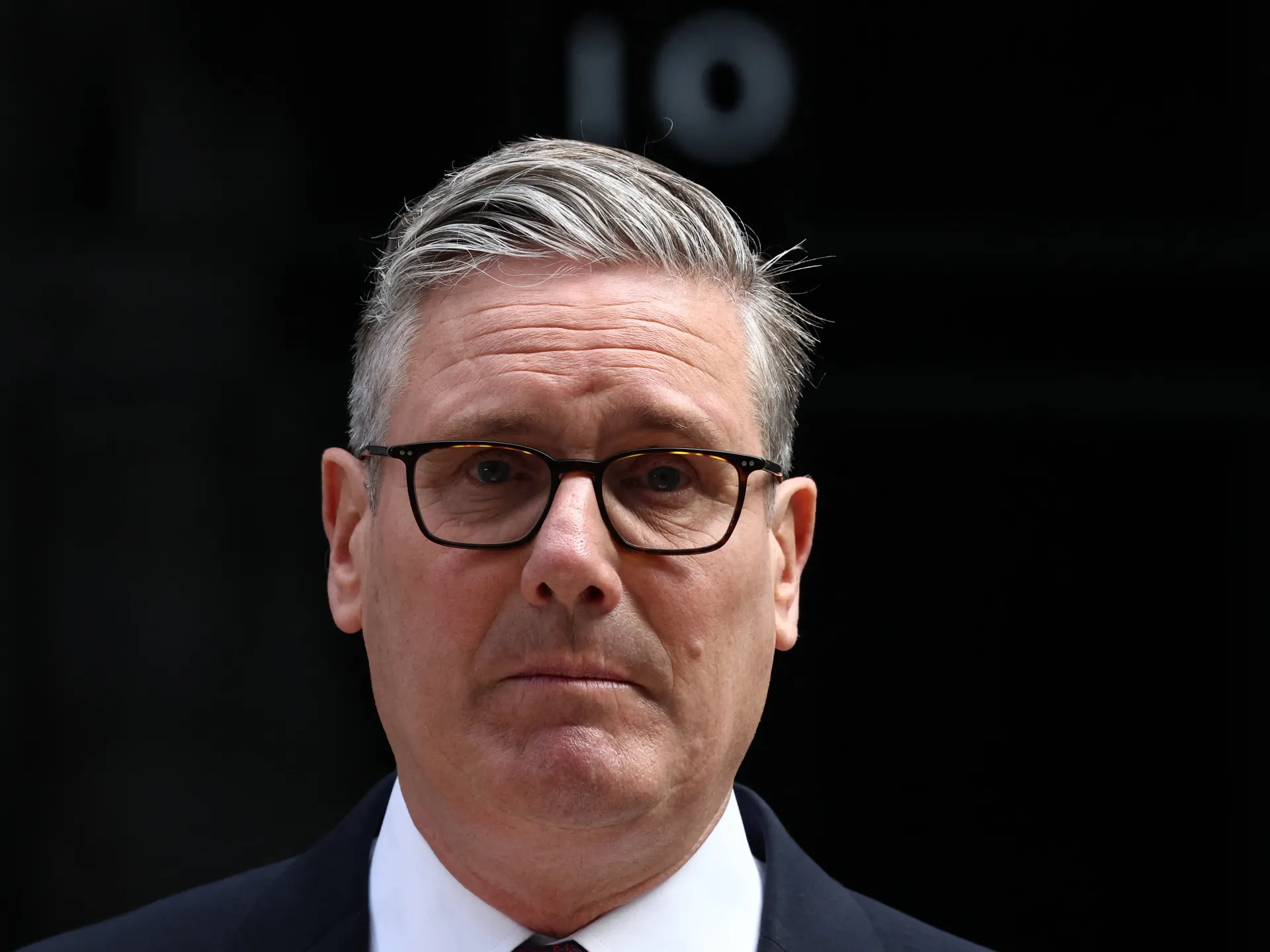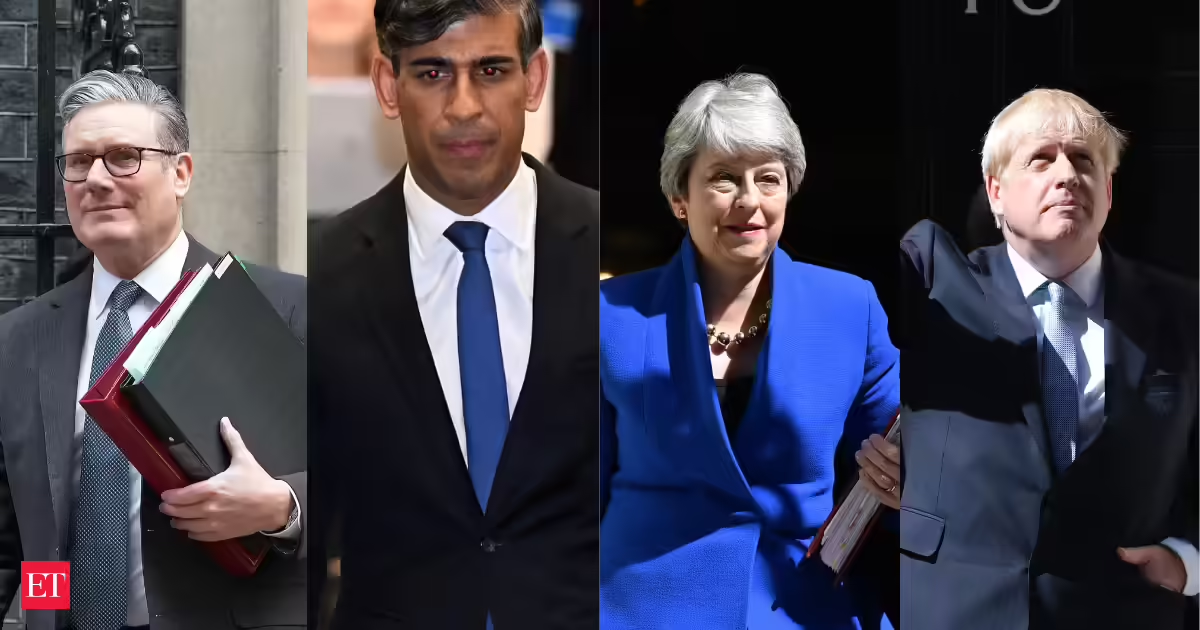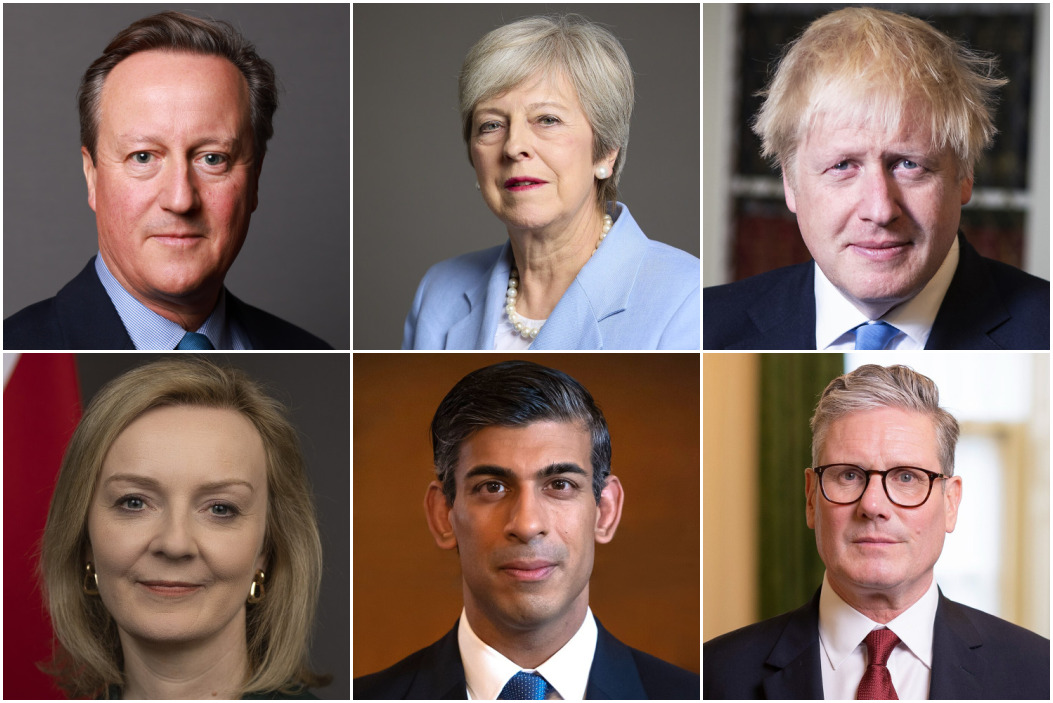
If Labour members and MPs rally behind Andy Burnham in the leadership contest that now looms, Britain will soon have had seven prime ministers in just ten years. The extraordinary turnover raises a larger question -- why has one of Europe's most established political systems become so incapable of holding on to its leaders?The 6 who fell before their timeThe story begins with David Cameron, the last British prime minister to complete a full term. Having won elections in 2010 and 2015, Cameron appeared politically secure until the Brexit referendum of 2016 upended everything. After campaigning for Britain to remain in the European Union and losing, he concluded that he could not credibly lead the country out of the bloc and resigned immediately.ALSO READ | Keir Starmer turned India-UK FTA into his tenure defining deal. Here's howHis successor, Theresa May, inherited the impossible task of delivering Brexit while trying to bridge deep divisions within Parliament and her own Conservative Party. After repeatedly failing to secure parliamentary approval for her Brexit deal, she was eventually forced out in 2019. Boris Johnson arrived promising to "get Brexit done" and initially seemed to have restored stability. He won a commanding election victory in 2019 and finally completed Britain's departure from the EU. Yet a series of scandals, culminating in the Covid-19 Partygate controversy and a mass rebellion by ministers and MPs, destroyed his authority and forced him from office in 2022.Liz Truss replaced Johnson but lasted only 49 days. Her government's mini-budget, built around unfunded tax cuts, triggered turmoil in financial markets, sent borrowing costs soaring and shattered confidence among Conservative MPs. She resigned before she had even begun to establish herself.ALSO READ | Britain's revolving door: The fall of six prime ministers in a decade of political upheavalRishi Sunak steadied the ship after the Truss disaster and restored a measure of economic credibility. However, after fourteen years of Conservative rule, public fatigue with the party was overwhelming. Labour crushed the Conservatives in the 2024 election and Sunak became the fifth prime minister in succession to leave office early.Then came Keir Starmer. His landslide victory in 2024 was supposed to mark the return of stable government. Instead, disappointing election results, falling poll ratings and growing unease among Labour MPs steadily weakened his position. The decisive moment came when Manchester mayor Andy Burnham returned to Westminster through a by-election victory and emerged as a plausible alternative leader. As pressure mounted inside Labour, Starmer ultimately chose to stand aside, becoming the sixth prime minister in a row unable to see out a full term.Why has Britain become so politically unstable?The roots of Britain's political churn lie in the Brexit referendum. More than a one-off vote, Brexit shattered a political consensus that had largely governed British politics for decades. It exposed deep divisions over national identity, immigration, economic policy and Britain's place in the world. Those divisions did not disappear once Britain left the EU. Instead, they became embedded within both major parties, making it far harder for prime ministers to maintain authority over their respective parties.Brexit consumed Cameron and May directly, but its aftershocks continued to shape the fortunes of Johnson, Truss, Sunak and Starmer. It contributed to a more fragmented electorate, heightened ideological tensions and weakened traditional party loyalties. Voters who once reliably backed either Labour or the Conservatives became increasingly willing to switch allegiances, while MPs became more sensitive to opinion polls and electoral threats.At the same time, British politics has become far less forgiving. The rise of social media, 24-hour news coverage and constant polling has accelerated political crises. Leaders today are judged continuously rather than primarily at election time. A few months of poor polling can trigger speculation about a leadership challenge. A single electoral setback can convince MPs that a leader has become a liability. Political parties have grown increasingly ruthless in removing leaders they believe are dragging them down.Economic pressures have compounded the instability. Britain has spent much of the past decade dealing with the consequences of Brexit, the Covid pandemic, inflation, an energy crisis, sluggish growth and strained public services. Governments have found it difficult to deliver visible improvements in living standards. As public frustration has grown, prime ministers have become convenient targets for blame. Another important factor is the growing presidentialisation of British politics. Voters and media organisations increasingly focus on individual leaders rather than parties or cabinet teams. Prime ministers are expected to solve problems quickly and are judged harshly when they fail. Replacing a leader has become the preferred mechanism for parties seeking a reset, even when deeper structural problems remain unresolved.Now a new force is adding to the pressure. Reform UK, the right-wing party led by Nigel Farage, has transformed from a protest movement into a serious electoral threat. Its rise has unsettled both Labour and the Conservatives, largely because it draws support from voters who feel abandoned by mainstream politics. Concerns about immigration, economic insecurity, public services and political elites have fuelled Reform's growth. For many Labour MPs, Burnham's recent by-election victory against a Reform candidate demonstrated that he may be better placed than Starmer to counter Farage's appeal in the next elections. The same fear is driving nervousness within Conservative ranks.The result is a political environment in which leaders face pressure from every direction. They must manage internal party factions, respond instantly to media scrutiny, satisfy an increasingly volatile electorate and confront insurgent political challengers. On top of that, since prime ministers are not elected directly by voters but by parties, it is easy for a ruling party to change its Prime Minister if party leaders lose confidence. Under all these conditions, surviving a full parliamentary term has become far harder than it once was.What happens next?If Burnham succeeds Starmer, Britain will indeed have had seven prime ministers in ten years. The question is whether he can break the cycle. He may begin with advantages that some predecessors lacked. He has a reputation as a strong regional leader, enjoys support from significant sections of Labour and arrives at a moment when many in the party want a fresh start. Another prominent Labour leader, Wes Streeting's decision to back him rather than run himself has strengthened that perception.Yet the structural problems remain. Britain is still grappling with the political aftershocks of Brexit. Economic growth remains a challenge while voter loyalties are fluid. Amid all that, Reform party continues to rise. The past decade suggests that Britain's problem is no longer simply about individual leaders. It is about a political system struggling to adapt to a more fragmented electorate and a more volatile age. Until those underlying pressures ease, the jinx of 10 Downing Street will remain.
The jinx of No. 10: Why so many British PMs got the boot too soon
Britains political system has seen repeated early exits of prime ministers over the past decade, with six leaders from David Cameron to Keir Starmer all failing to complete full terms. The instability has been driven largely by the Brexit referendum, which shattered long-standing political consensus and deepened divisions within both major parties.
1,113 words~5 min read