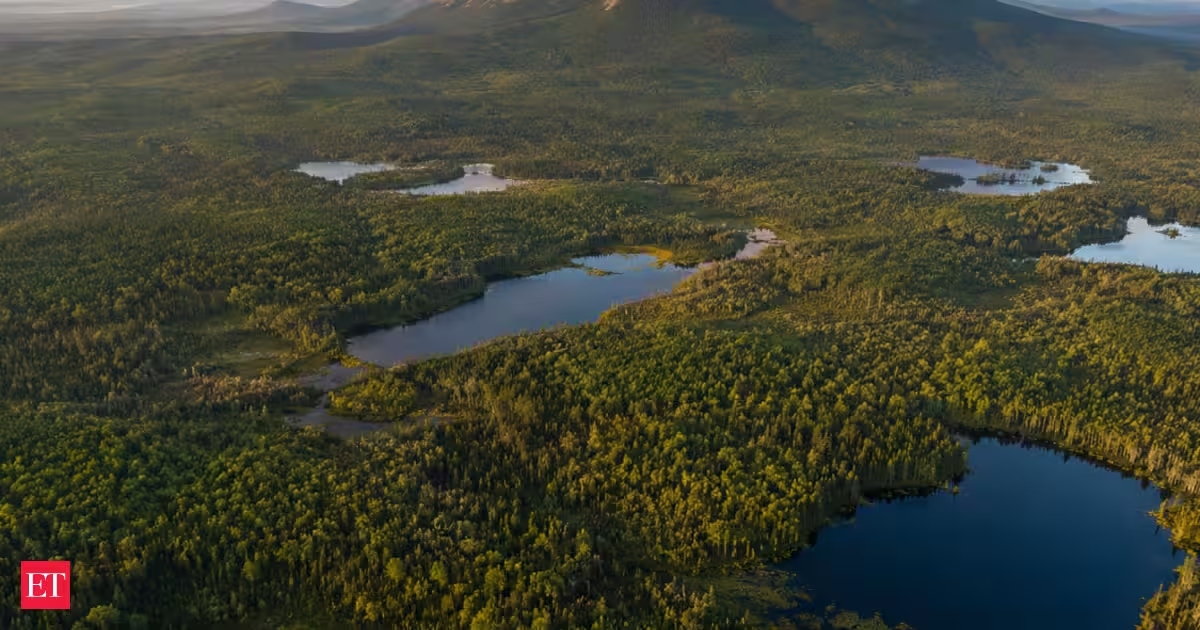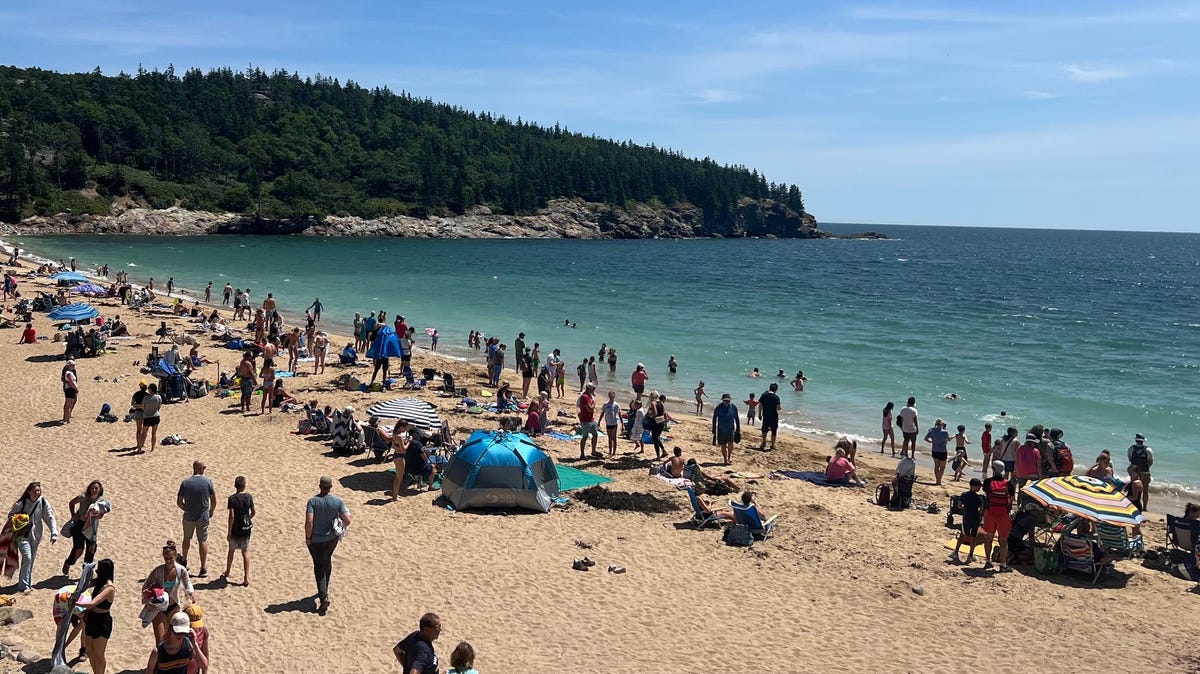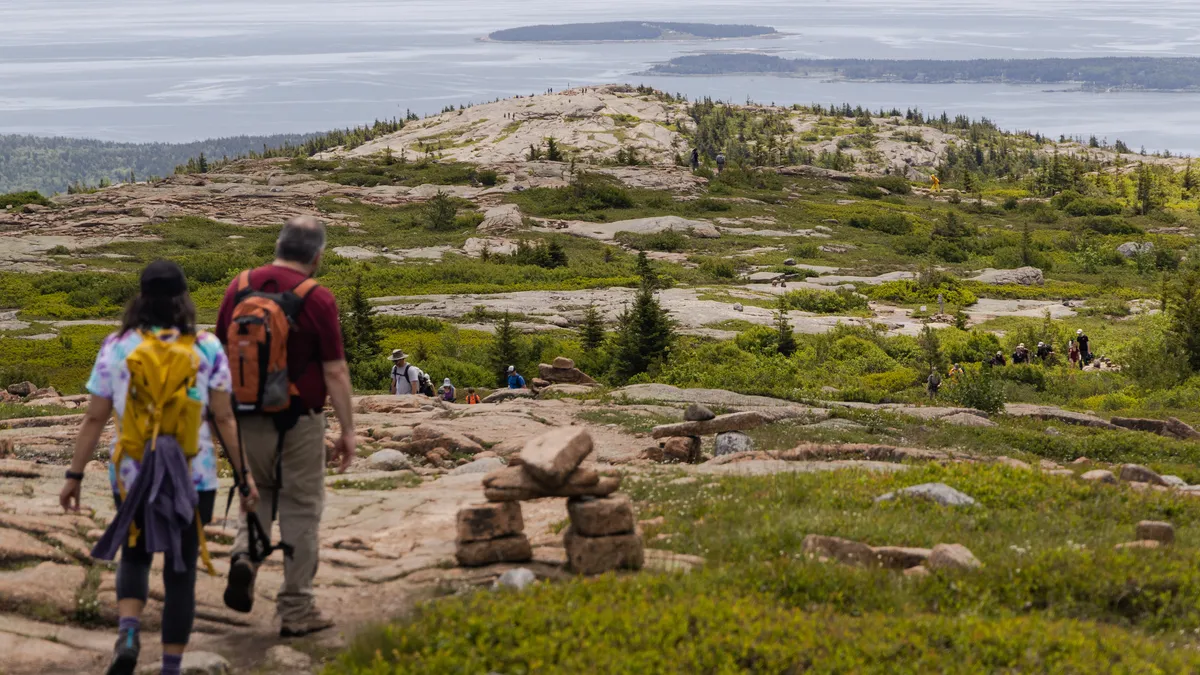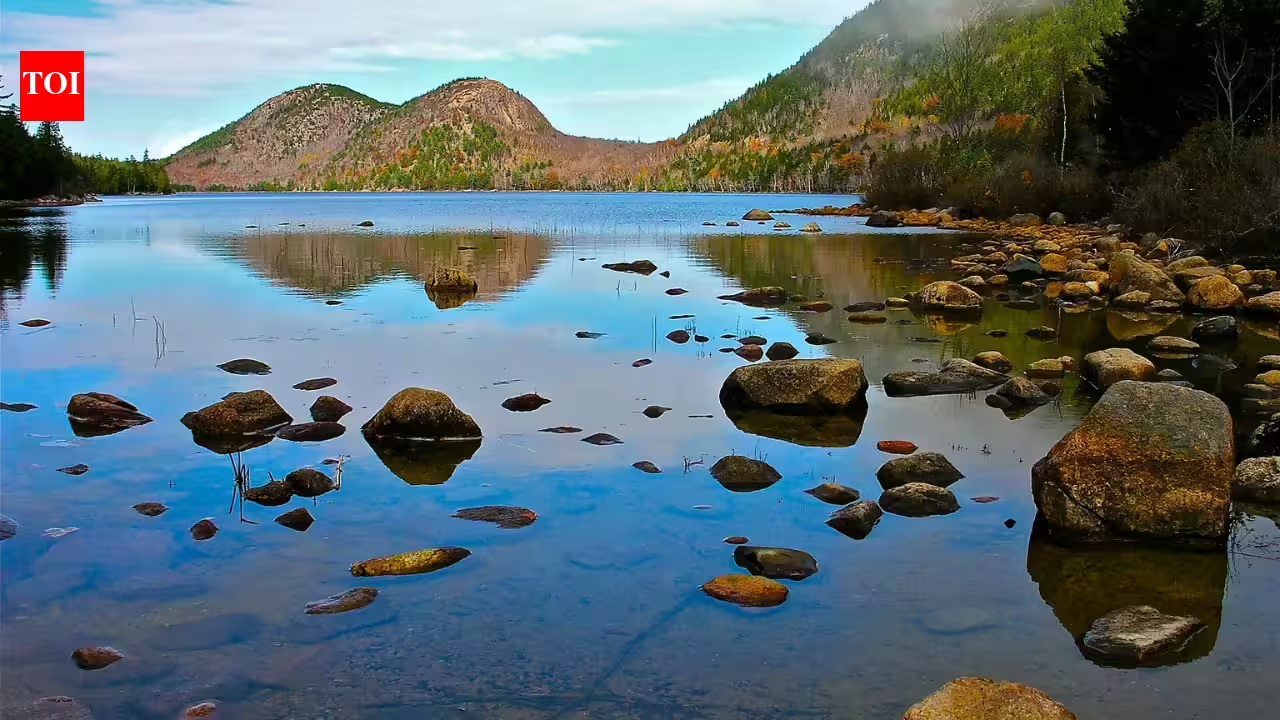
Acadia National Park | Wikimedia CommonsWhen a handful of conservationists gathered in Maine in September 1901, there was no guarantee that Mount Desert Island’s granite peaks, rocky coastline, and forests would escape the wave of private development spreading across America’s scenic landscapes. Rather than waiting for the federal government to intervene, local residents, summer visitors, and philanthropists created the Hancock County Trustees of Public Reservations, a private conservation organization with a single goal: to buy and protect the island’s most treasured land before it disappeared. Over the next 15 years, the trustees assembled roughly 6,000 acres, creating the nucleus of what would become Acadia National Park, one of the first national parks established east of the Mississippi River. According to the National Park Service, those early land purchases ultimately led to the creation of Sieur de Monts National Monument in 1916, Lafayette National Park in 1919, and, after a congressional name change in 1929, the park now known as Acadia.Acadia National Park | Wikimedia CommonsA grassroots campaign led by citizens, not WashingtonThe effort began on September 12, 1901, when educator and former Harvard president Charles W. Eliot helped establish the Hancock County Trustees of Public Reservations. Among its driving forces was George B. Dorr, a Boston-born philanthropist who had spent summers on Mount Desert Island and feared that unchecked development would permanently alter its landscape. Working with landowners, donors, and conservation advocates, the trustees purchased and accepted donations of forests, mountains, lakes, and shoreline across the island. Their approach differed from earlier federal conservation efforts in the American West. Instead of Congress first setting aside public land, private citizens acquired parcels one by one before transferring them for permanent public protection. By 1913, the trustees had secured approximately 6,000 acres, enough to convince federal officials that the landscape deserved national recognition. President Woodrow Wilson proclaimed the protected lands of Sieur de Monts National Monument in July 1916 under the Antiquities Act. Just three years later, Congress redesignated it as Lafayette National Park, making it the first national park in the eastern United States. In 1929, after additional donations expanded the protected area beyond Mount Desert Island, Congress officially renamed it Acadia National Park, the title it still carries today.Private philanthropy continued to shape the parkThe park’s growth did not stop with its creation. George B. Dorr spent decades persuading wealthy landowners to donate additional property, roads and scenic overlooks while carefully balancing public access with preservation. Industrialist John D. Rockefeller Jr. became one of Acadia’s most influential benefactors, financing and constructing more than 45 miles of carriage roads, along with elegant stone bridges designed to blend into the landscape. Built between 1913 and 1940, the carriage road network remains one of Acadia’s defining features and continues to be used by hikers, cyclists and horseback riders. The National Park Service notes that the park’s unusual history has left it as a patchwork of federally protected land interwoven with privately owned communities across Mount Desert Island, reflecting a conservation model built through partnerships rather than large-scale federal acquisition. That legacy also shaped the relationship between the park and surrounding towns, with generations of residents viewing the protected landscape as part of their own community rather than a separate federal preserve.George B. Dorr and Charles W. Eliot on the shore of Jordan Pond | Wikimedia CommonsMore than a century later, the connection remains strongResearch by the University of Vermont, funded by the National Park Service, found that Mount Desert Island residents continue to regard Acadia as central to the island’s identity. Survey participants consistently ranked the park’s recreational, aesthetic and ecological importance highly and described its mountains, rocky coastline, carriage roads and lakes as defining features of both the park and the surrounding communities. Researchers concluded that Acadia is valued not simply as a destination for visitors but as an integral part of local character, reinforcing a stewardship tradition that began with the land purchases of 1901. More than 120 years after a small group of citizens decided to protect Mount Desert Island before it was lost to development, their vision still shapes one of America’s most visited national parks, demonstrating how local initiative laid the groundwork for a landscape that millions now experience each year.
In 1901, conservationists began buying land to protect Mount Desert Island; their first 6,000 acres helped create Acadia National Park
When a handful of conservationists gathered in Maine in September 1901, there was no guarantee that Mount Desert Island’s granite peaks, rocky coastline, and forests would escape the wave of private development spreading across America’s scenic landscapes. Rather than waiting for the federal government to intervene, local residents, summer visitors, and philanthropists created the Hancock County Trustees of Public Reservations, a private conservation organization with a single goal: to buy and protect the island’s most treasured land before it disappeared.
703 words~3 min read