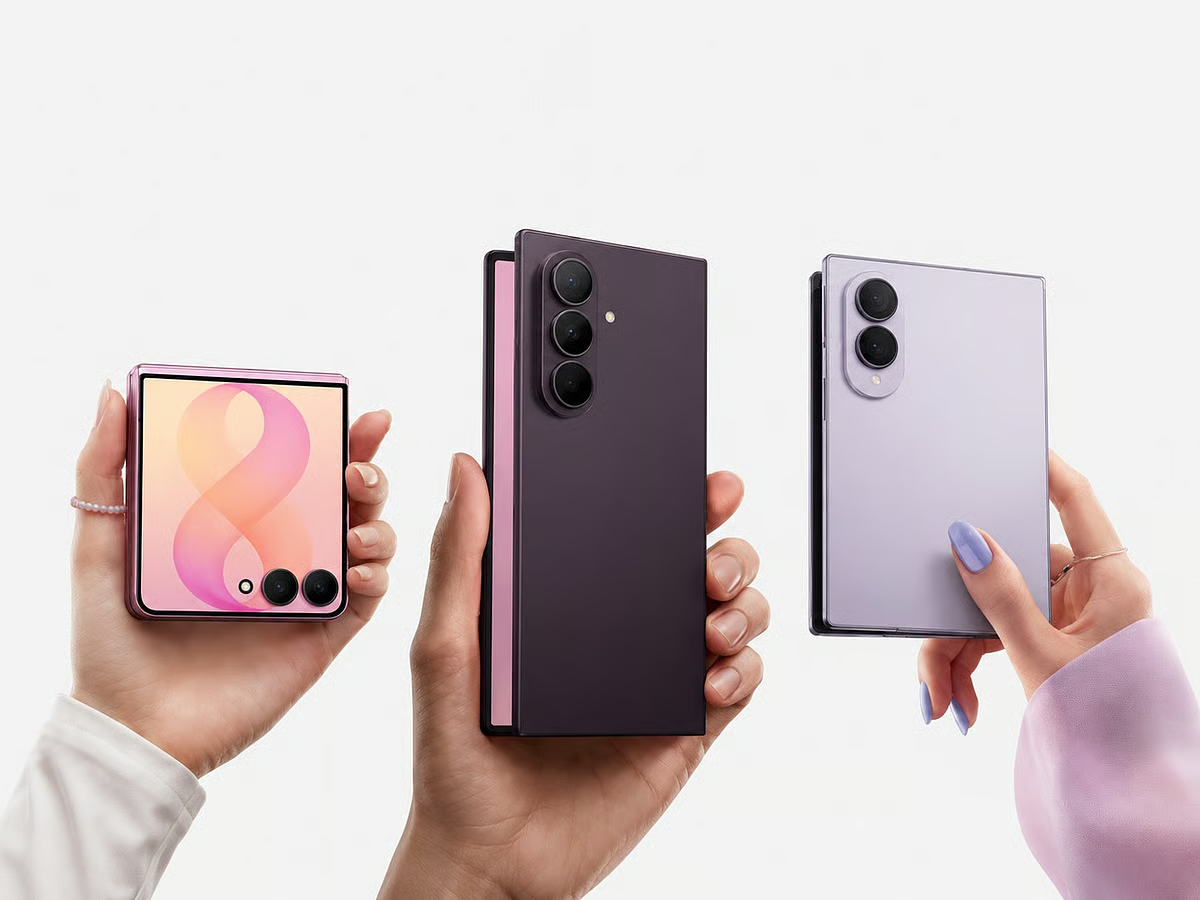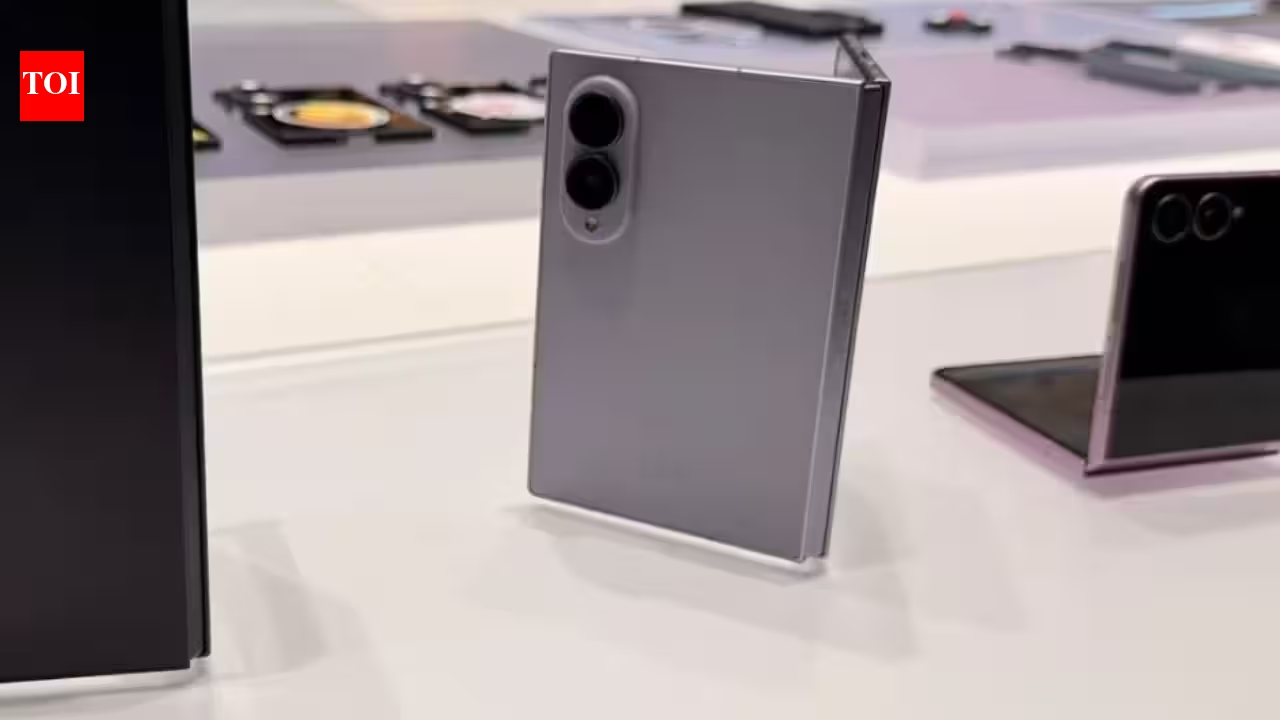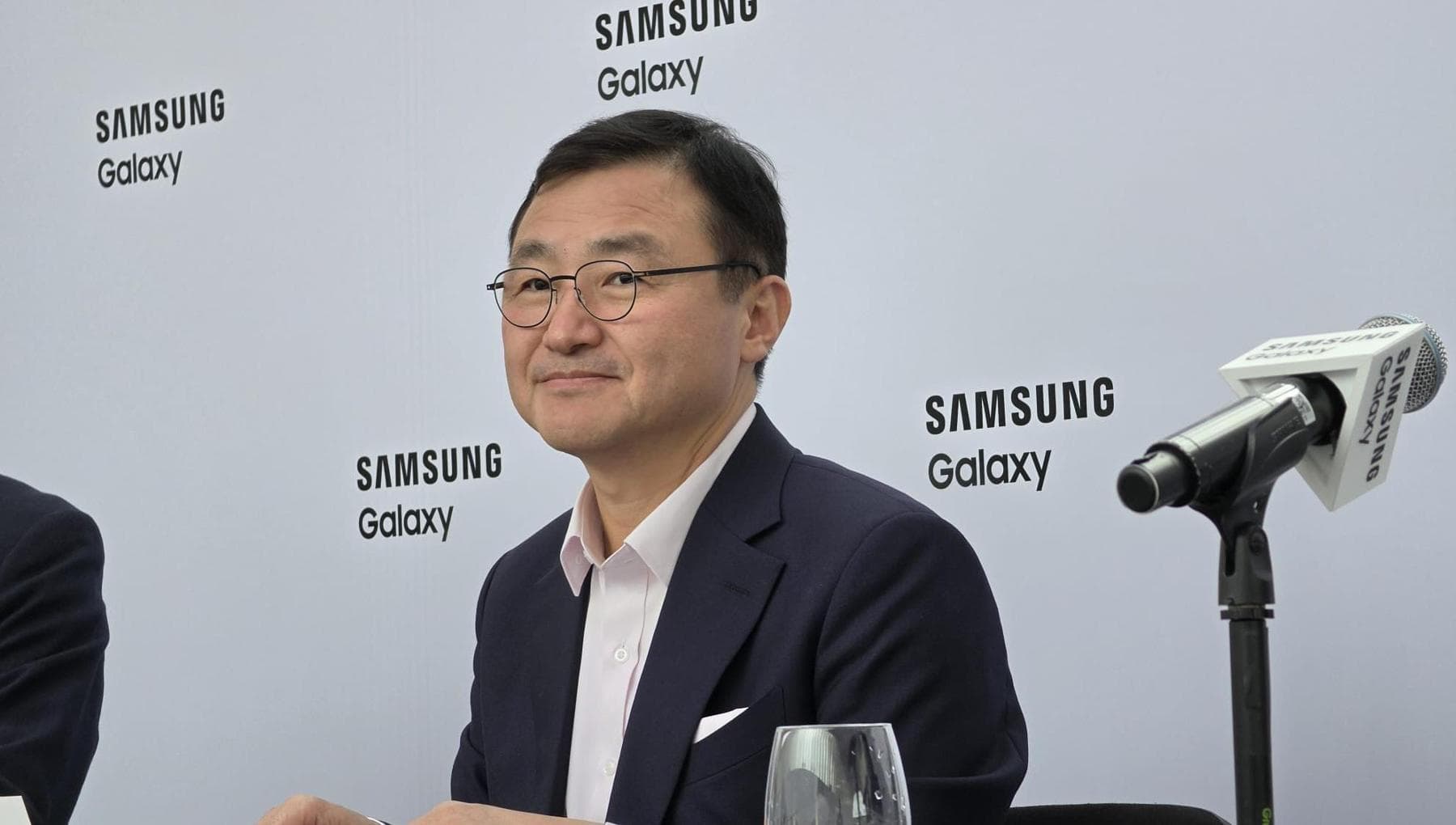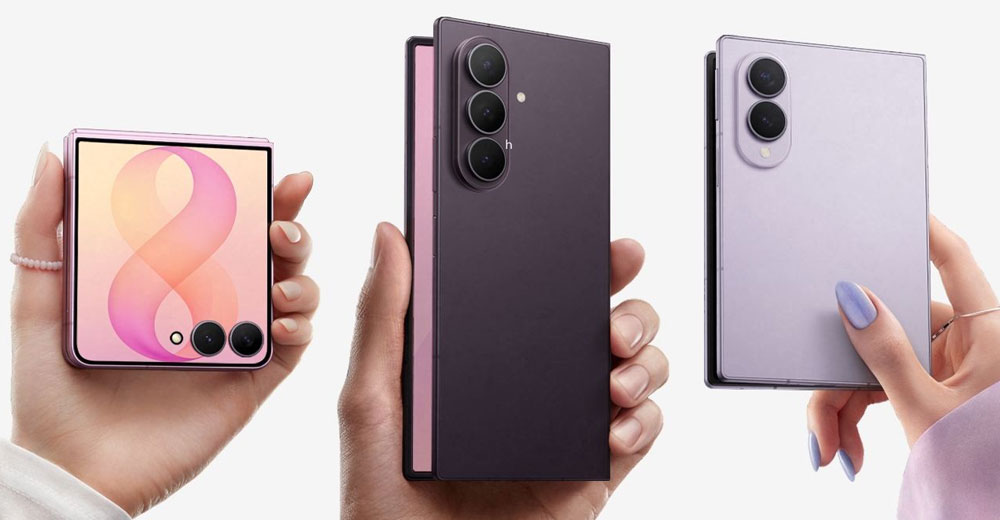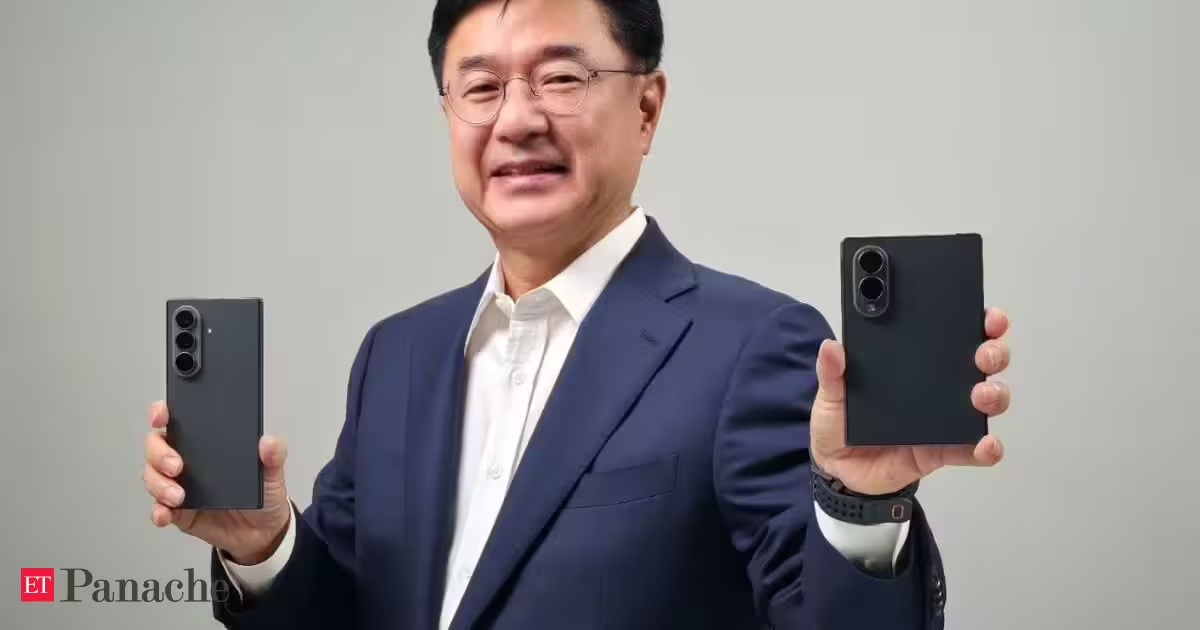
SynopsisSamsung is exploring new wearable devices like smart glasses and rings. The company is absorbing rising component costs instead of passing them to consumers. Foldable phones now represent over twenty percent of flagship sales. India plays a central role in Samsung's artificial intelligence development roadmap. Future devices will offer increasingly advanced health tracking capabilities.JB Park, CEO and President of Samsung Southwest AsiaSamsung is preparing for a future beyond the smartwatch, with the company exploring new wearable form factors such as smart glasses and rings while continuing to absorb rising component costs instead of passing them entirely on to consumers, according to JB Park, CEO and President of Samsung Southwest Asia. Speaking during a roundtable with Indian journalists on the sidelines of Galaxy Unpacked in London, Park outlined Samsung's strategy around premium smartphones, foldables, AI and wearables, arguing that innovation and long-term value will matter more than competing purely on price.The Economic Times has been on the ground in London covering Samsung's latest launches, including the Galaxy Z Fold8 series, Galaxy Watch lineup and Samsung's new smart glasses announcements.Samsung sees wearables moving beyond the wristResponding to a question from The Economic Times on how Samsung plans to address consumers seeking more screen-free experiences and alternative wearable formats, Park said the company believes preventive healthcare will drive the next wave of wearable innovation."We also want to come up with new wearable devices that will fit in your glasses or wrist, whether it is a ring or watch," Park said, adding that Samsung continues to study new form factors that can help users monitor their health before illnesses develop.He said healthcare remains one of Samsung's biggest long-term opportunities, with future devices expected to offer increasingly advanced health tracking capabilities. Samsung says it is absorbing memory cost pressures.The comments come at a time when smartphone makers are facing rising memory prices driven by growing AI infrastructure demand. Park acknowledged that device prices across the industry are increasing but said Samsung has deliberately limited price hikes by absorbing part of the higher component costs. "The memory price is going beyond everyone's expectations," he said, adding that Samsung has been absorbing costs over the past eight months even as competitors have raised prices more aggressively. The company expects memory prices to remain elevated for at least another year or two.He also said Samsung continues to offer no-cost EMI options and interest subsidies on flagship smartphones for up to 24 to 30 months in India to reduce the burden on buyers despite rising device costs.Foldables now account for over 20% of flagship salesPark said Samsung's foldable business has matured significantly since the category debuted in 2019. "When we first introduced foldables, consumers didn't even know such a phone existed," he said.Today, foldables contribute more than 20% of Samsung's flagship smartphone sales, with adoption continuing to grow each year. He expects the consumer base for foldables to expand further as awareness increases and more brands enter the category.Rather than competing only on price, Samsung is focusing on durability, software optimisation and user experience, particularly around multitasking and large-screen productivity. Park argued that these areas remain key differentiators even as competitors launch thinner and lighter foldable devices.India central to Samsung's AI roadmapPark also highlighted India's growing role in Samsung's software and AI development. He said engineers in Noida and Bengaluru have helped develop AI features tailored specifically for Indian users, including a new "Pay Now" capability in Now Brief that reminds users of upcoming bill payments through Samsung Wallet. The feature will debut first on the new foldables.According to Park, Samsung's India R&D teams are increasingly focused on understanding local consumer behaviour and building AI features around everyday routines rather than simply deploying global capabilities in the Indian market.On AI monetisation, Park said Samsung intends to keep core Galaxy AI features free for mainstream users while professional-grade cloud AI services may eventually follow subscription-based models depending on computing requirements.Read More News on...morelessRead More News on...moreless
Samsung bets on new wearable form factors, says it will absorb rising costs to keep premium devices accessible
Samsung is exploring new wearable devices like smart glasses and rings. The company is absorbing rising component costs instead of passing them to consumers. Foldable phones now represent over twenty percent of flagship sales. India plays a central role in Samsung's artificial intelligence development roadmap. Future devices will offer increasingly advanced health tracking capabilities.
TL;DRAI
Samsung absorbs memory costs protecting flagship pricing while expanding wearables (glasses, rings); foldables now 20% of sales. Move signals UX competition over price wars; India-led AI localization (Pay Now feature) previews subscription cloud services for professionals.
656 words~3 min read