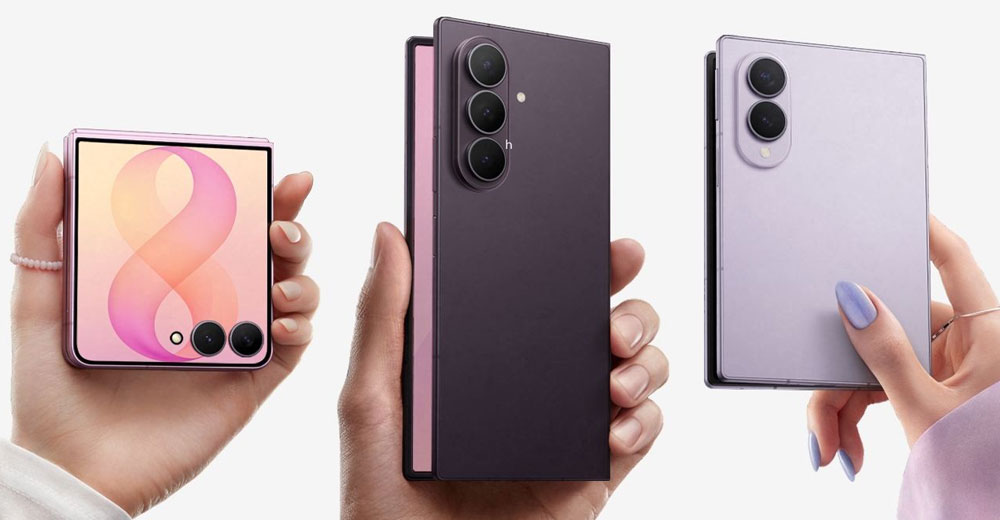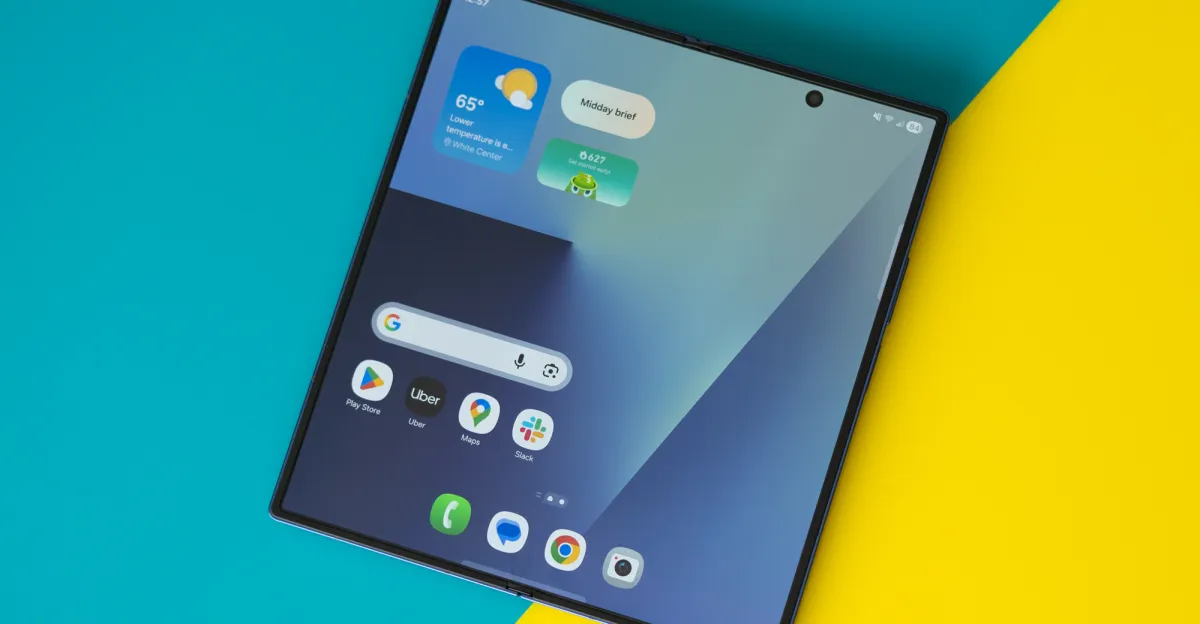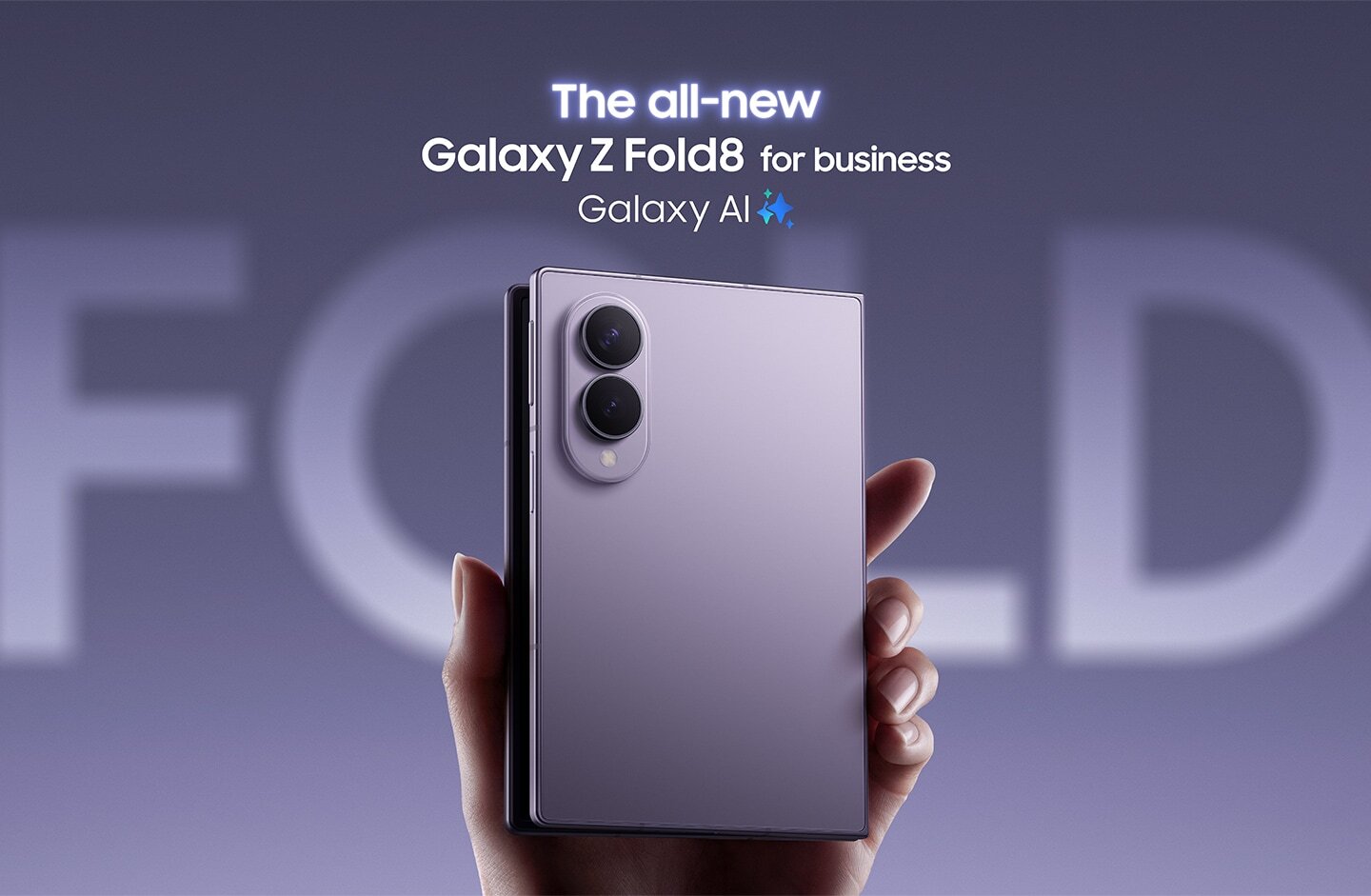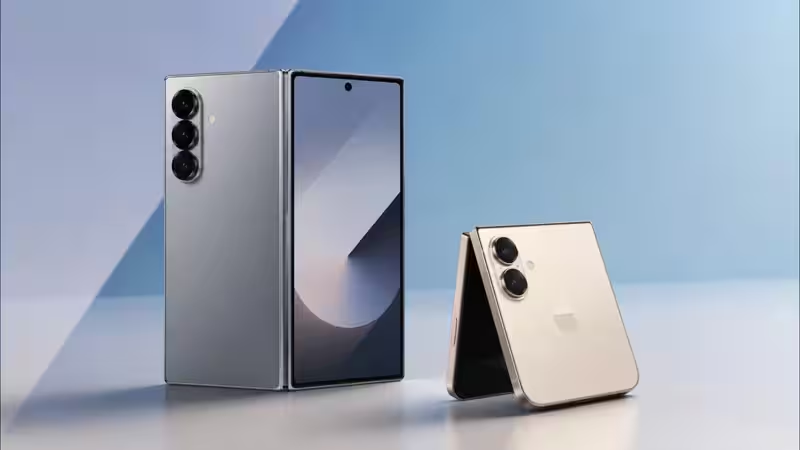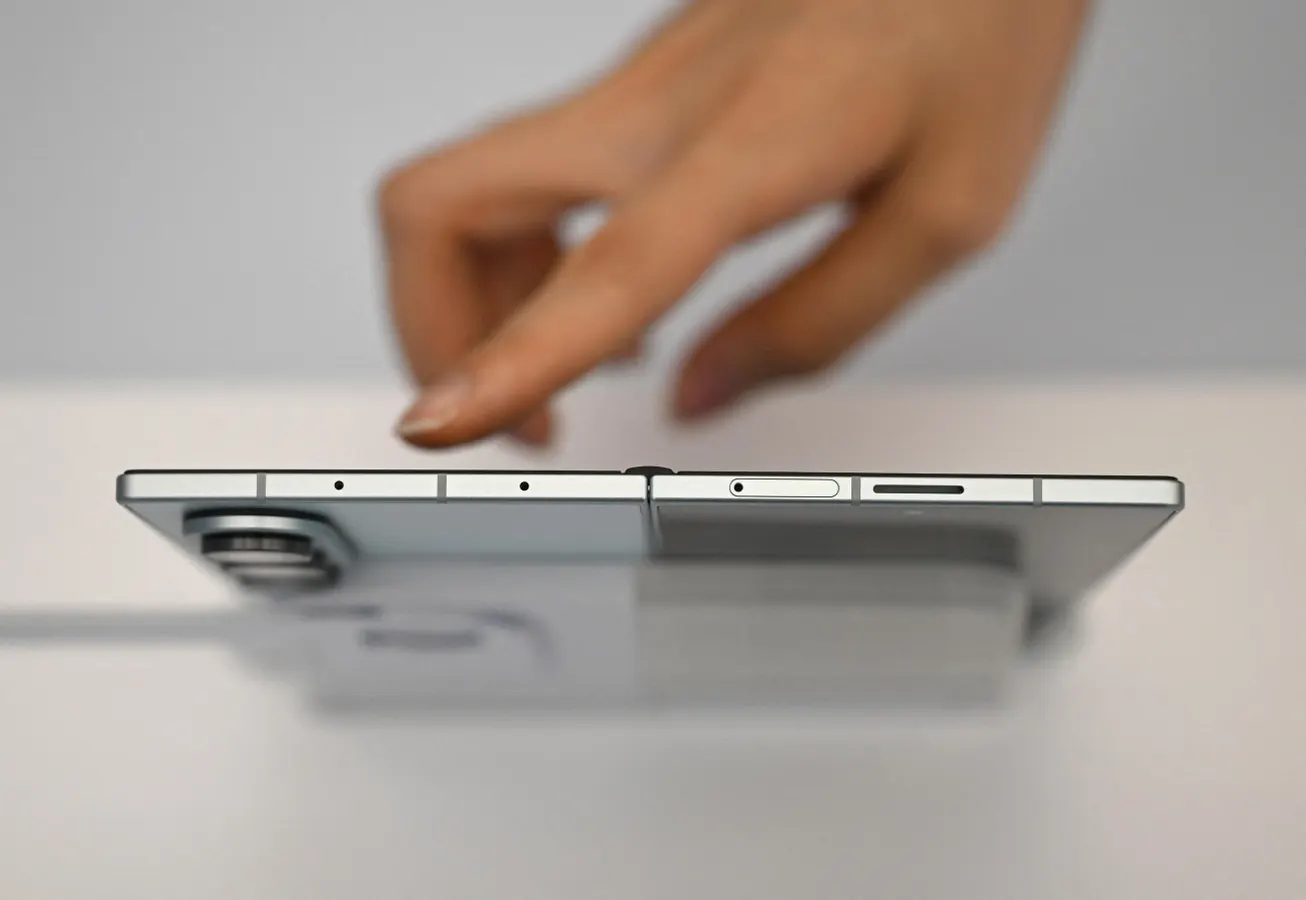
Samsung Electronics unveiled a new line of foldable smartphones, including a passport-sized model, while simultaneously raising prices on two updated devices. The move comes as the South Korean technology giant grapples with escalating memory chip costs and prepares for a significant challenge from Apple in the niche but expanding foldable market.The company, which pioneered foldable smartphones, is set to face direct competition from Apple, with analysts anticipating the iPhone maker will launch a foldable phone this year featuring a screen size comparable to an iPad mini. "Strategically, this is one of Samsung's most important foldable launches," stated Francisco Jeronimo, vice president at researcher IDC. "Samsung has to defend the category it created, and that's why it cannot play it safe."At an event in London, Samsung introduced three Galaxy Z foldable models, all powered by Alphabet's Gemini artificial intelligence. The passport-sized Galaxy Z Fold8, designed with a wider screen for video-heavy users, is priced at $1,899. Its premium Galaxy Z Fold8 Ultra and the clamshell-style Flip8 saw price increases of $100 from their predecessors, now retailing at $2,099 and $1,199 respectively.Despite a projected 14% contraction in the overall smartphone market in 2026, partly due to a memory chip shortage, IDC forecasts Samsung will likely increase its global smartphone market share. (Getty/iStock)Foldable shipments, however, are expected to grow by 20%.Analysts anticipate Samsung's mobile division could report its first-ever quarterly loss for April-June, as surging chip prices squeeze profit margins. This contrasts with the company's semiconductor business, where the same rising chip prices are driving record profits. Memory and storage account for over 60% of material costs in budget smartphones and more than 30% in premium models, according to Omdia data."Memory is a much smaller share of the bill of materials on a device above $1,500 than on a mid-range phone, so there is more room to absorb (higher chip prices) at the top-end," noted Omdia senior analyst Sheng Win Chow. "The harder question is what justifies the price. A bigger screen alone is no longer enough." The Fold8 and Fold8 Ultra utilize Qualcomm's latest processor, while the Flip8 uses either a Qualcomm or Samsung Exynos chip, depending on the market.
Samsung unveils new foldable Galaxy phones amid challenging market against iPhone
‘Samsung has to defend the category it created, and that's why it cannot play it safe’
358 words~2 min read