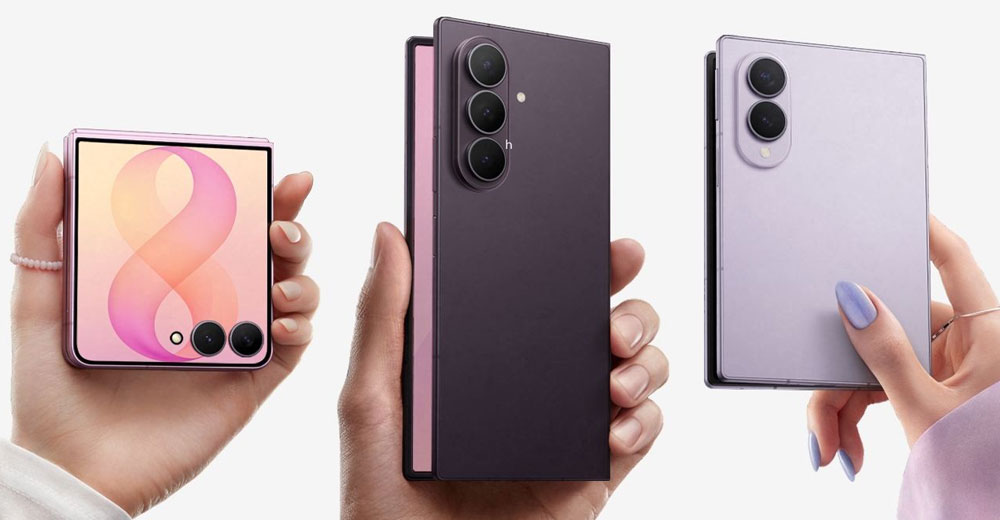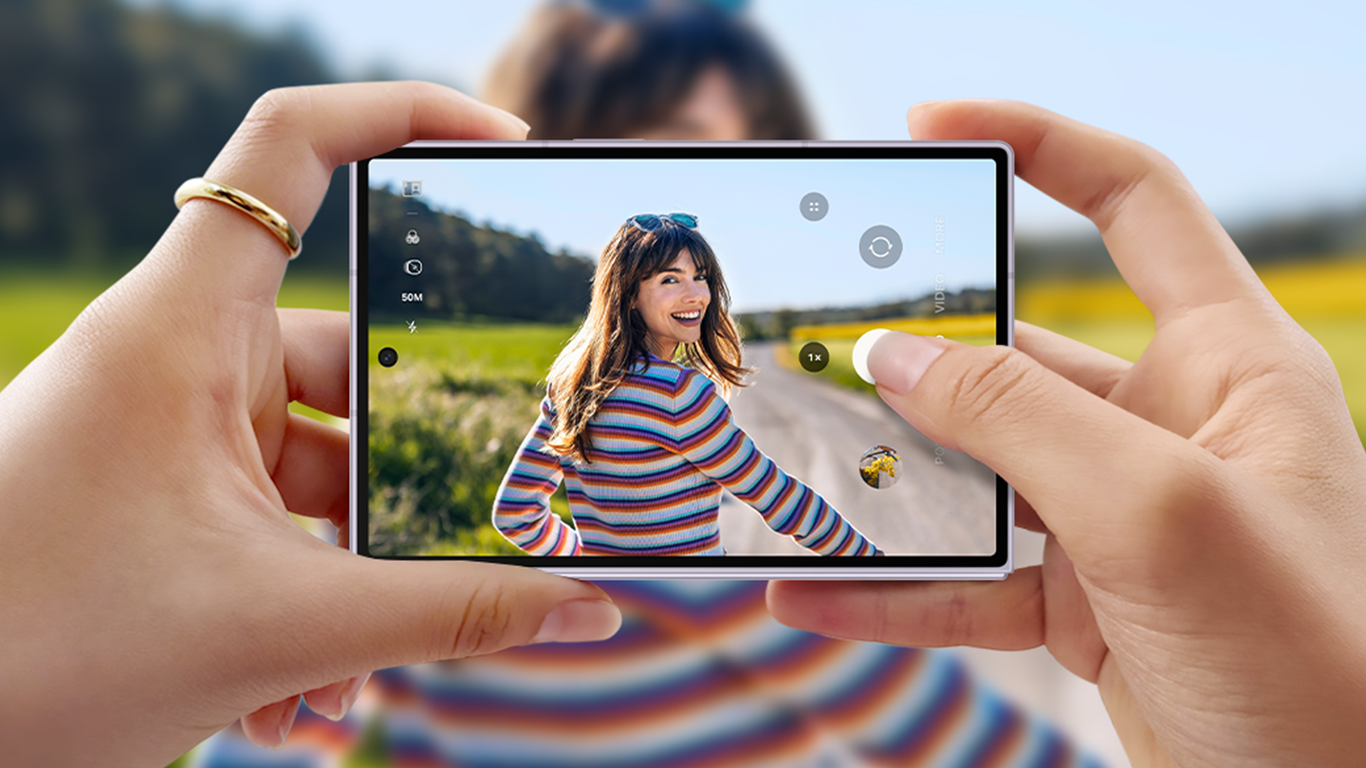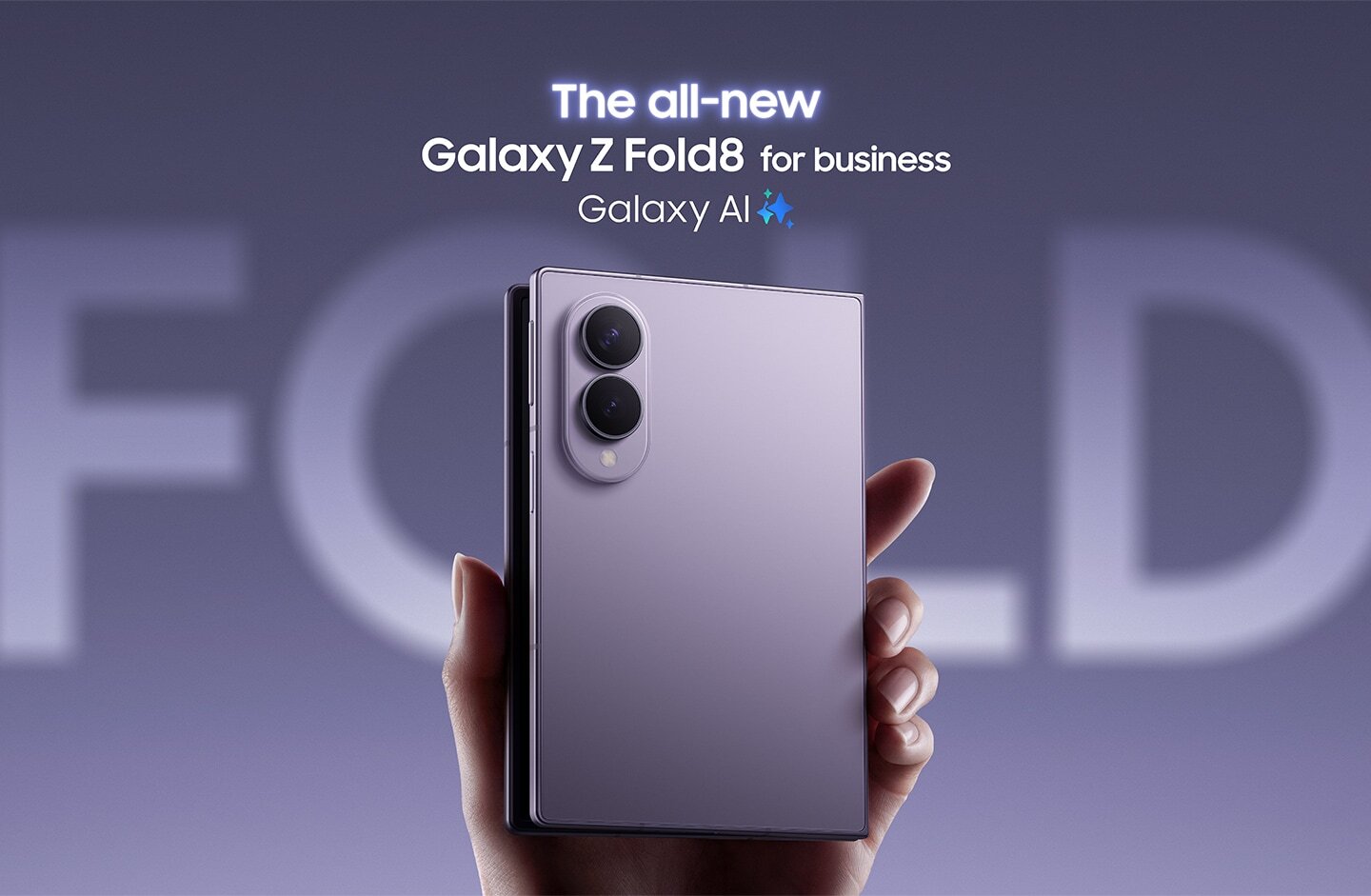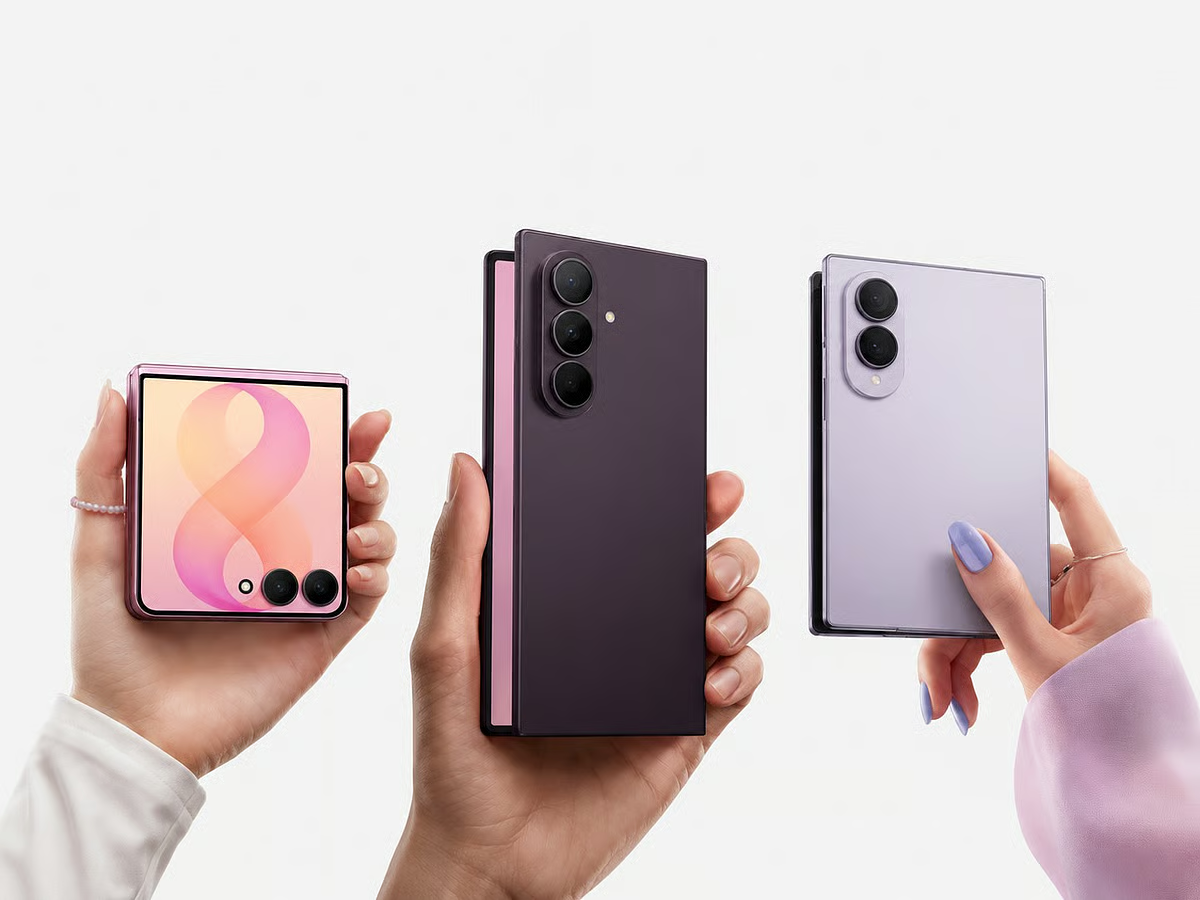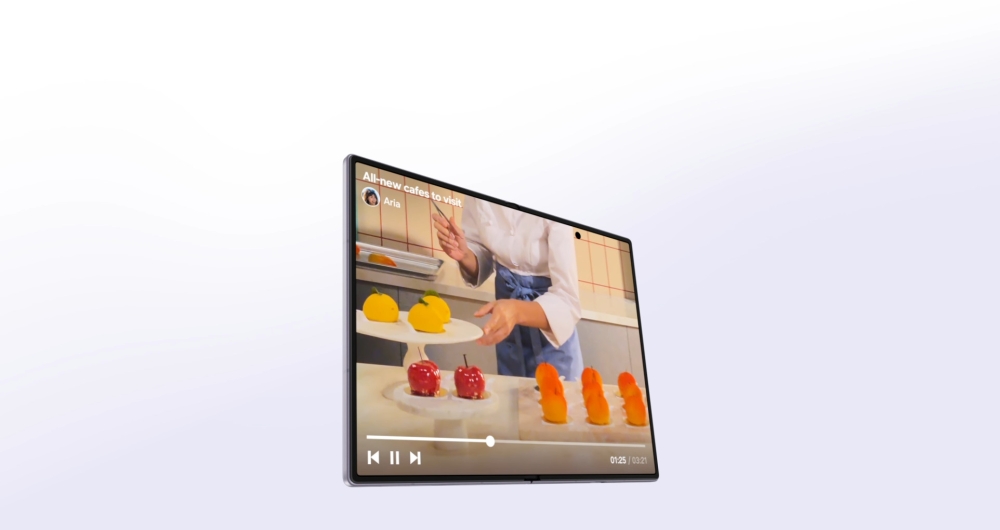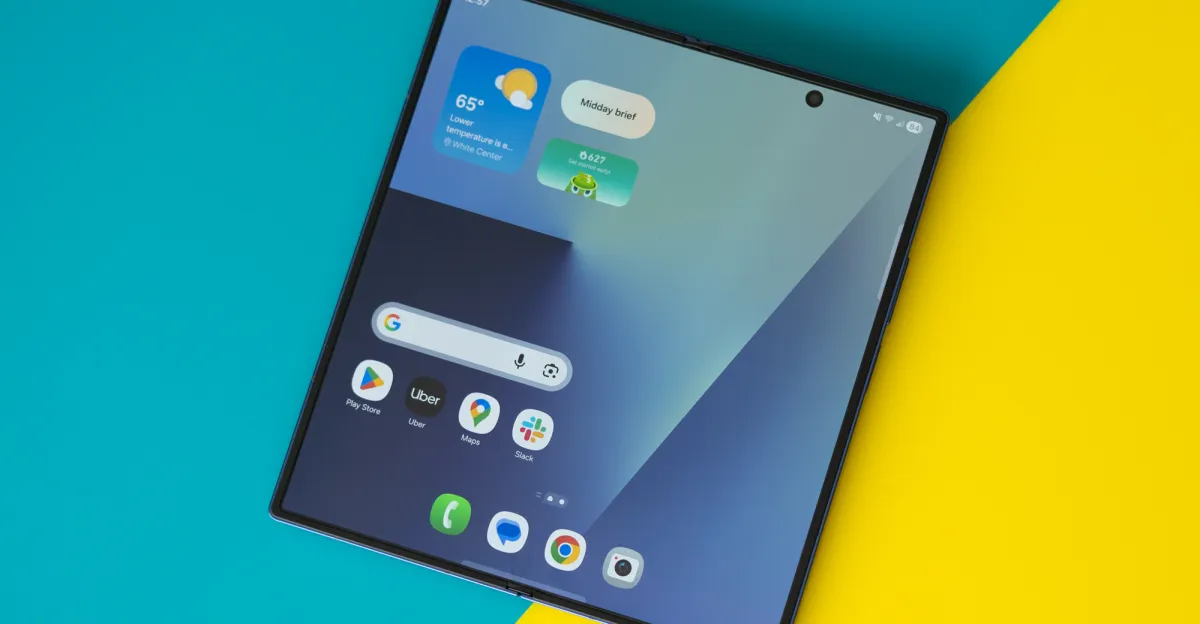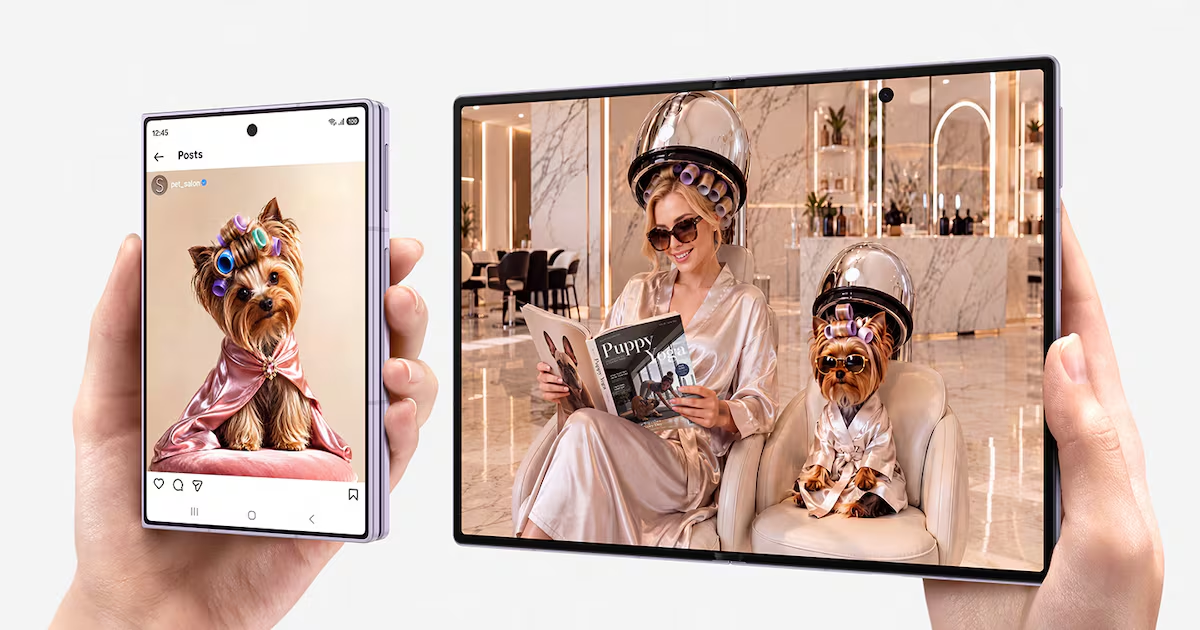
Samsung doubled down on foldable phones, unveiling three new devices as it seeks to defend its territory ahead of an expected entry by Apple into the market. The company also hiked prices for its flagship foldable phones, indicating that it was not immune from the pressures that rivals have come under in recent months. In a presentation that relied on AI-generated characters and superhero cameos, the company introduced the Z Fold 8 Ultra, the premium offering with Samsung’s new display that creates a thin but strong foldable display that also reduces the visible fold on the screen. The Ultra also has a better battery, a low reflection finish on the display, and an improved camera. It runs on a Snapdragon 8 Elite chip, and comes with an eight-inch inner display. The company also introduced the wider Z Fold 8, a passport-style device. Pitching it as the world’s lightest Fold ever, Samsung has included a 4:3 display that can be used in landscape mode for gaming or portrait mode for reading. It comes with a 4800 mAh battery, which gives users about 26 hours of video playback. But FDM CCS Insight chief analyst Ben Wood said it was a “big bet” on whether consumers want a device focused on content consumption. The Z Flip 8, meanwhile, improves the cover screen’s functionality, bringing in familiar gestures and running apps full-screen on the outer display. The prices for the new Fold and Flip phones are about €100 more expensive than their predecessors, starting at €2,049 for the Fold 8 and €1,339 for the Flip model. Samsung has largely dominated the niche foldables category in Ireland, although it has faced competition from Chinese smartphone makers such as Oppo, Honor and Huawei. “The foldables smartphone market is currently a rounding error compared to the wider annual billion-plus ‘standard’ smartphone opportunity, so it is no surprise that manufacturers are throwing some mud around to see which form factors resonate with consumers,” said Wood. “The company that cracks the code and identifies the dominant design for foldables has a great opportunity for some upside on these more expensive, higher-margin devices.”Apple is widely expected to introduce a folding phone in the coming months, which could provide the category with a credibility boost. “Apple’s expected move into foldables will challenge Samsung, but it could also be the moment that turns foldables from a niche premium category into a mainstream flagship battleground,” said Wood. The company is also continuing to invest in its AI system, with Samsung’s TM Roh saying the company would bring Galaxy AI to more than 800 million devices this year. He pitched smartphones as “the ideal foundation for agentic AI”, saying it was “not only always with them but also understands them better than any other device”.Samsung also teased new smart glasses at the event, showing off its collaboration with Google, Gentle Monster and Warby Parker but offering little detail on the timing of their introduction. The glasses mark a new wearable line for Samsung, and will start with a non-display model, Samsung said. The launch will put the tech company into competition with Meta, which has signed up with Ray-Ban and Oakley to produce AI-enabled eyewear. Apple is also said to be introducing smart glasses shortly. Privacy concerns may hamper the growth of the sector, however. Opponents have raised the alarm over capabilities that include facial recognition and the potential for surreptitious recording, describing them as an “invasion of privacy” and “deeply creepy”. Samsung said the issues are “an industry-shared problem”. “Samsung’s arrival represents a serious challenge to Meta, but success is far from guaranteed,” said PP Foresight’s Paolo Pescatore. “Ray-Ban Meta already enjoys strong awareness and growing adoption, while Samsung has historically struggled to convert its vast smartphone base into users of complementary Galaxy devices. Eyewear represents another valuable upsell opportunity, but Samsung must deliver compelling everyday use cases and prove it can persuade consumers to buy into more than just the smartphone.Samsung introduced a second generation of its Watch Ultra, billed as its strongest watch to date with a 35 per cent larger battery that powers the watch for up to 60 hours, alongside the new Watch 9. The company also followed Apple into warranty care for its devices, extending the Samsung Care+ service, and financial services in the US with Samsung Card.
Samsung doubles down on folding phones and AI ahead of smart glasses launch
Moves come ahead of expected Apple move into foldables
720 words~3 min read