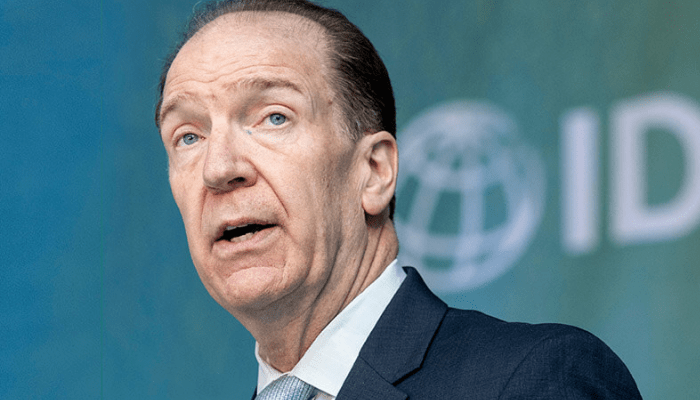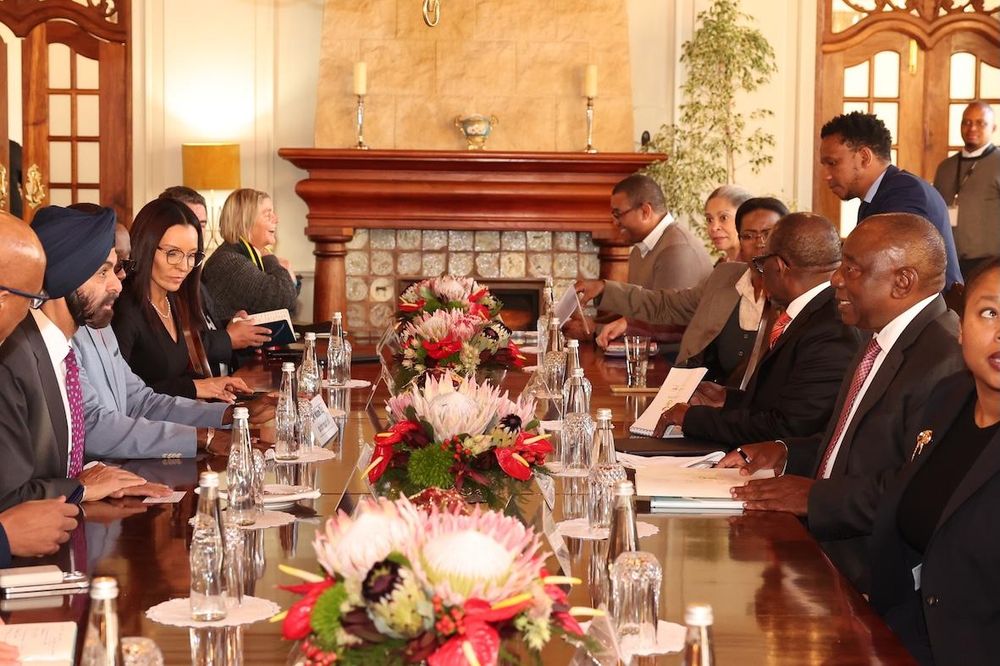
President Cyril Ramaphosa at a meeting with the World Bank Group, led by its President Mr Ajay Banga (left), at Mahlamba Ndlopfu in Pretoria on June 5. When governments make decisions that affect national fiscal sovereignty, they should not be able to bypass Parliament through administrative processes, say the writers.
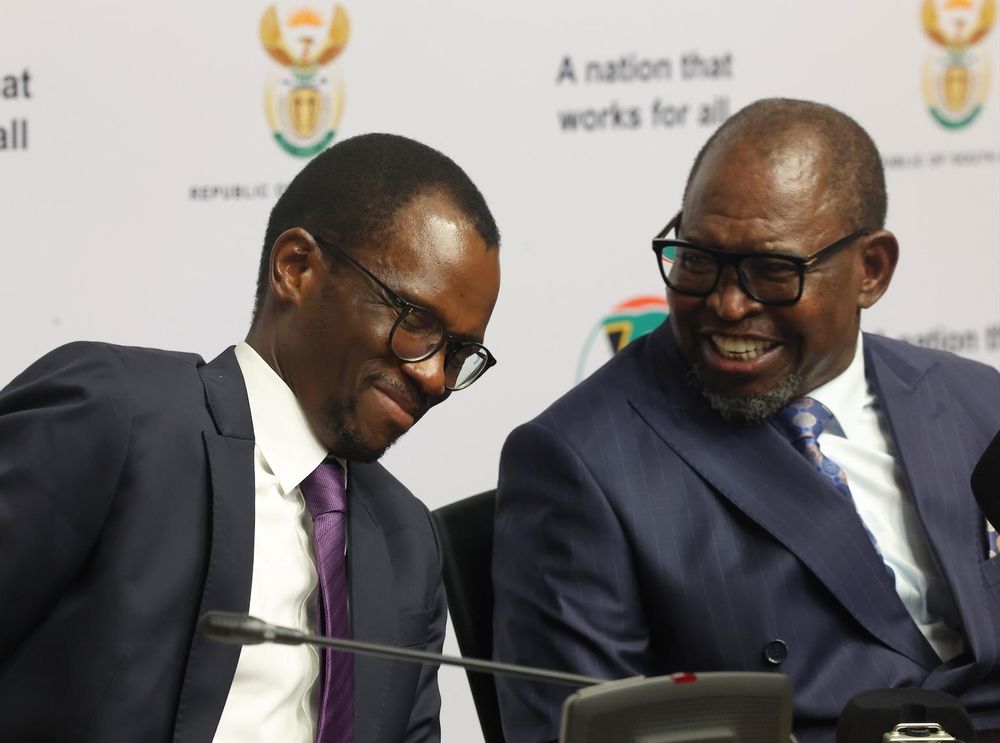
Des Van Rooyen and Siyabonga Gama
The Umkhonto weSizwe (MK) Party rejects the recently concluded R25 billion World Bank Development Policy Loan. We do so not because we are opposed to development or investment, but because this particular financing arrangement is not neutral in its terms.
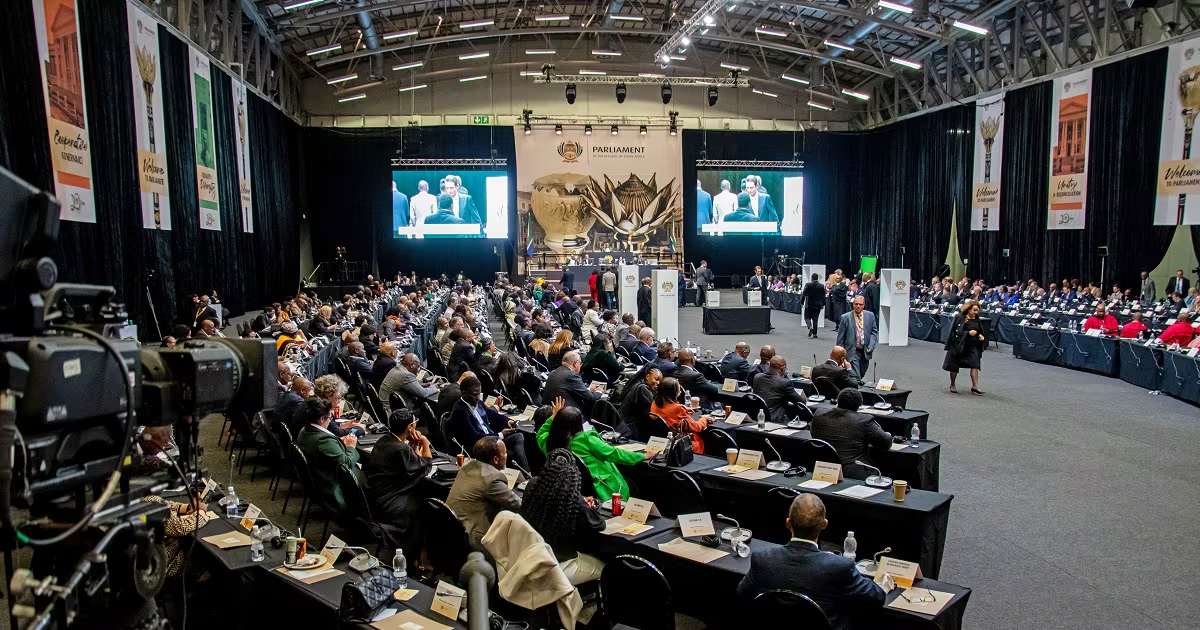
It comes with policy conditionalities—precise, pre-agreed reforms that lock South Africa into a direction of travel long after the debate in this House is over, and long after the officials who negotiated it have moved on.
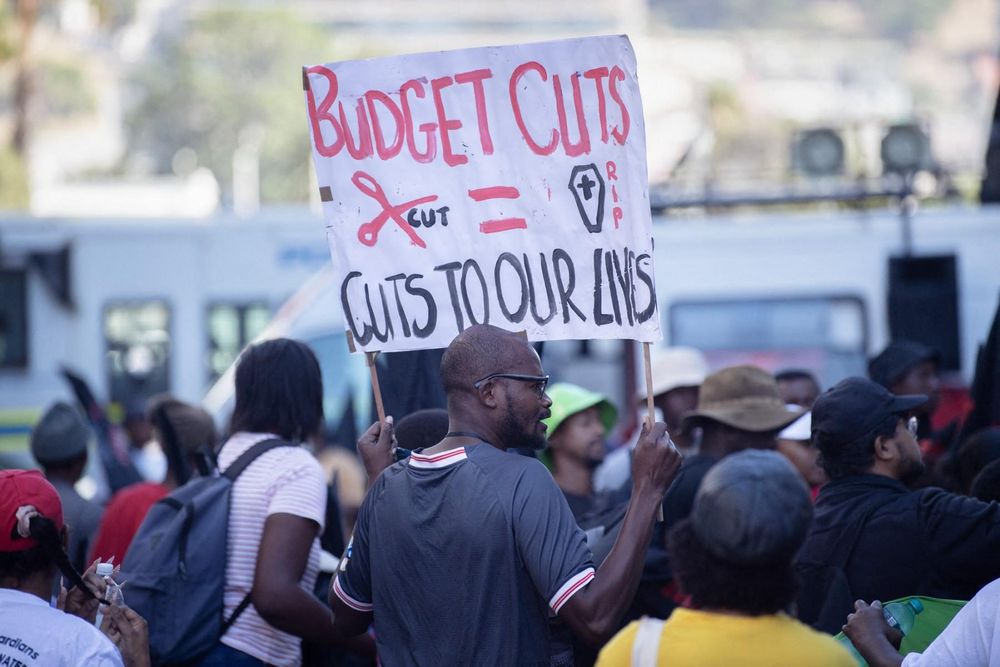
This agreement is framed as a technical policy support measure. Yet the reality is that such loans function as political instruments. They tie South Africa’s fiscal and service-delivery choices to external policy prescriptions that are often regressive in effect: cutting the space for democratic decision-making, weakening public capacity, and advancing a privatisation agenda that transfers public obligations to private actors while leaving citizens to bear the risks.