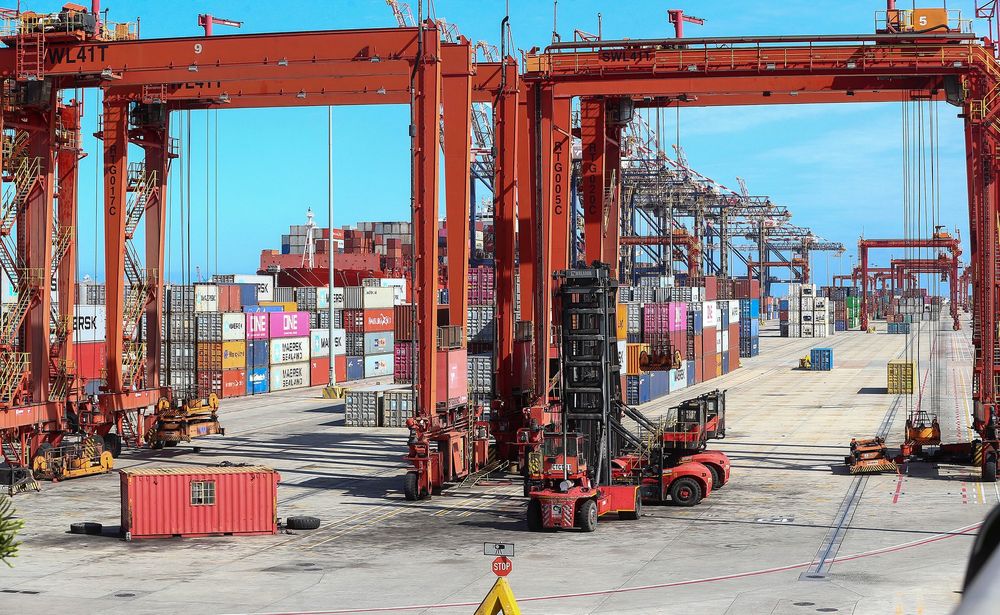
This past week, South Africa secured a $1.5bn (R25bn) development policy loan from the World Bank to support long-overdue reforms in the electricity, freight transport and water sectors.It has rightly been welcomed as a vote of confidence and a much-needed boost for infrastructure modernisation, but loans must be repaid, with interest, and when we are producing less and importing more, it becomes more difficult to borrow our way to prosperity.Instead, South Africa needs to focus on extracting greater value from the economic assets it already has. A good example of an overlooked growth engine is South Africa’s network of Special Economic Zones (SEZs). Originally established as industrial development zones to stimulate export-led manufacturing, they have evolved into broader industrial hubs designed to attract investment, drive innovation, create jobs and strengthen South Africa’s global competitiveness.Today, South Africa has 13 SEZs across eight provinces, hosting more than 220 businesses and attracting more than R31bn in private investment. At last week’s second international SEZ conference in Durban, Deputy President Paul Mashatile said our SEZs have generated R14.8bn in revenue and created more than 30,000 jobs across the automotive manufacturing, agro-processing and renewable energy sectors.On paper, these figures suggest the programme is working, but as always, the reality on the ground is very different.What South Africa needs now is a sharper focus on turning investment into productive local enterpriseEntrepreneurs operating near these zones tell me that while opportunities exist, they are often difficult to access, procurement processes are complex, supplier registration requirements confusing and information difficult to find. Many do not know where to begin, while those who do frequently find themselves competing against well-established suppliers with greater capacity and experience.Granted, the government is not solely responsible for this disconnect. SMEs must become more proactive, with few understanding what SEZs are, which industries they support or how to supply companies operating within them. Rather than viewing them as closed industrial parks reserved for large corporations, entrepreneurs should see SEZs as sophisticated gateways to supply chains and international markets.The most successful SEZs deliberately build local supplier networks around major investors. Multinational companies, domestic manufacturers, universities, research institutions and SMEs operate as part of an integrated ecosystem that strengthens the entire economy. As those local businesses mature, many become globally competitive suppliers in their own right, attracting multinational manufacturers and creating industrial ecosystems where other businesses gain access to new technologies, improve production standards, develop specialised skills and eventually also compete in export markets.The Coega SEZ in the Eastern Cape has demonstrated what is possible when enterprise development becomes a strategic priority. Beyond attracting significant investment, Coega has consistently exceeded its procurement targets for small businesses, directing more than half of qualifying procurement spend towards SMEs during the last financial year. Black-owned, women-owned and youth-owned enterprises have benefited substantially, proving that industrial investment and inclusive economic growth can go hand in hand.Richards Bay industrial development zone offers another glimpse of what is possible. Its investment pipeline is valued at approximately R248bn across two dozen potential projects, and if realised, these investments could reshape KwaZulu-Natal’s industrial landscape.The World Bank loan provides an opportunity to improve the infrastructure that underpins economic growth, but infrastructure alone does not create prosperity. Businesses do, and the Centre for Development & Enterprise has long argued that South Africa should make its SEZs globally competitive. This ambition deserves renewed urgency.South Africa already has strategic ports, established industrial zones, sophisticated financial institutions and access to regional and international markets. What it needs now is a sharper focus on turning investment into productive local enterprise.The government can help by simplifying procurement, improving supplier development programmes and ensuring SMEs can access opportunities within these zones. At the same time, entrepreneurs must not wait for opportunities to find them. Instead, they need to proactively seek out these ecosystems, build the capabilities required by industry and position themselves as suppliers to the businesses already investing in South Africa.Every R1bn South Africa borrows today will have to be repaid at some future time, and our economy will only be strong enough if we produce more, export more and build businesses that can compete on the global stage.Our SEZs should not simply be places where investment lands but the launch pad for a new generation of South African businesses. If we are serious about reducing our country’s dependence on debt, that is where the real return on investment will be found.• Mtwentwe is a certified internal auditor, MD of Vantage Advisory and host of the SAICABIZ Impact podcast.
LUNCEDO MTWENTWE | South Africa can’t borrow its way to growth
Loans from institutions such as the World Bank are all very well, but they have to be repaid. This means turning the money into productive capacity
748 words~3 min read