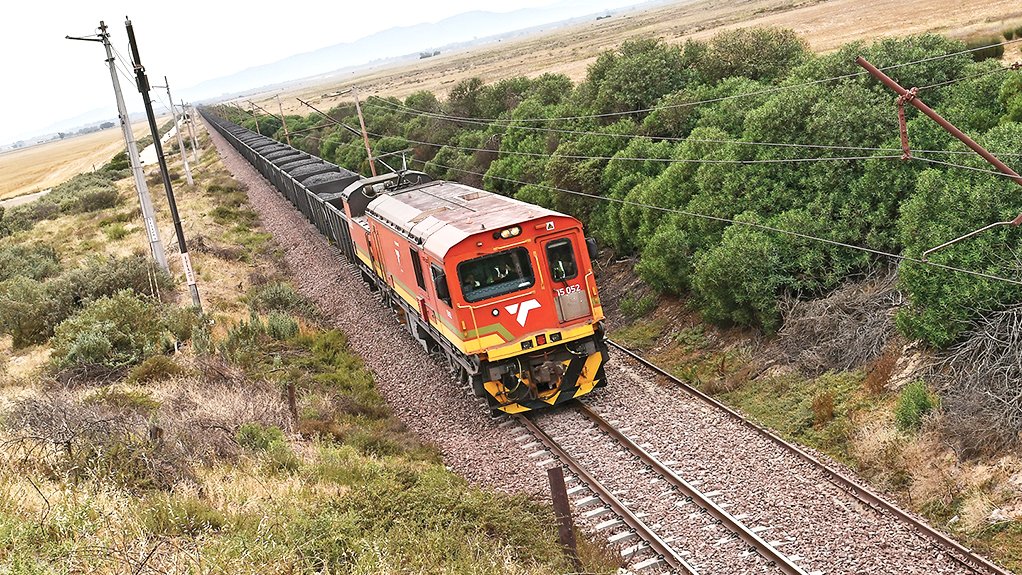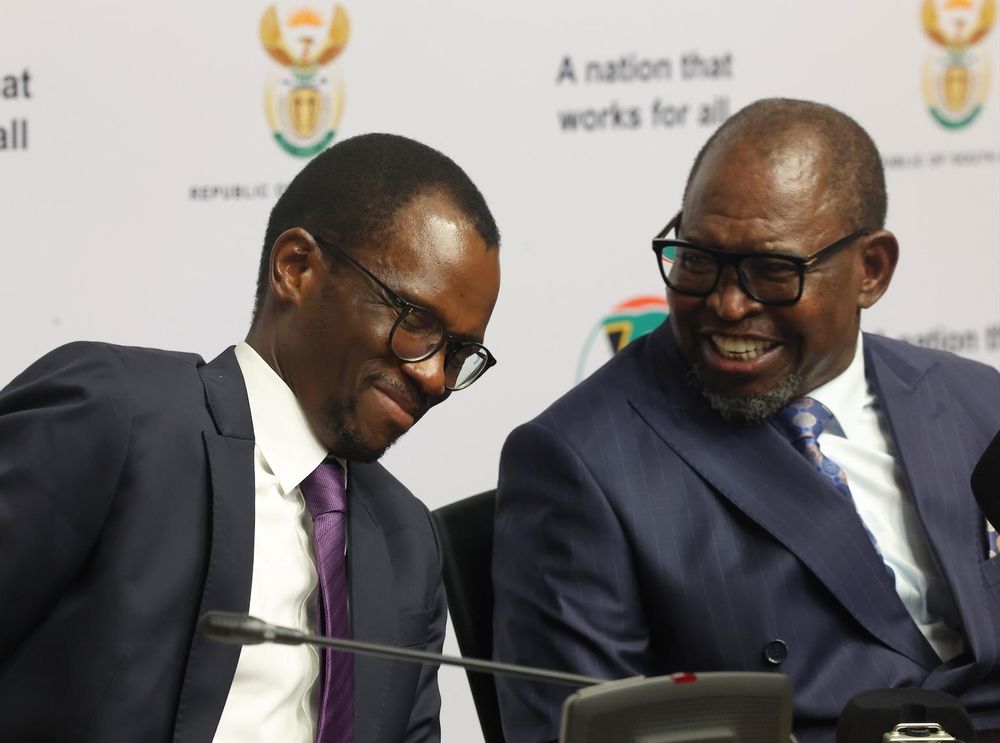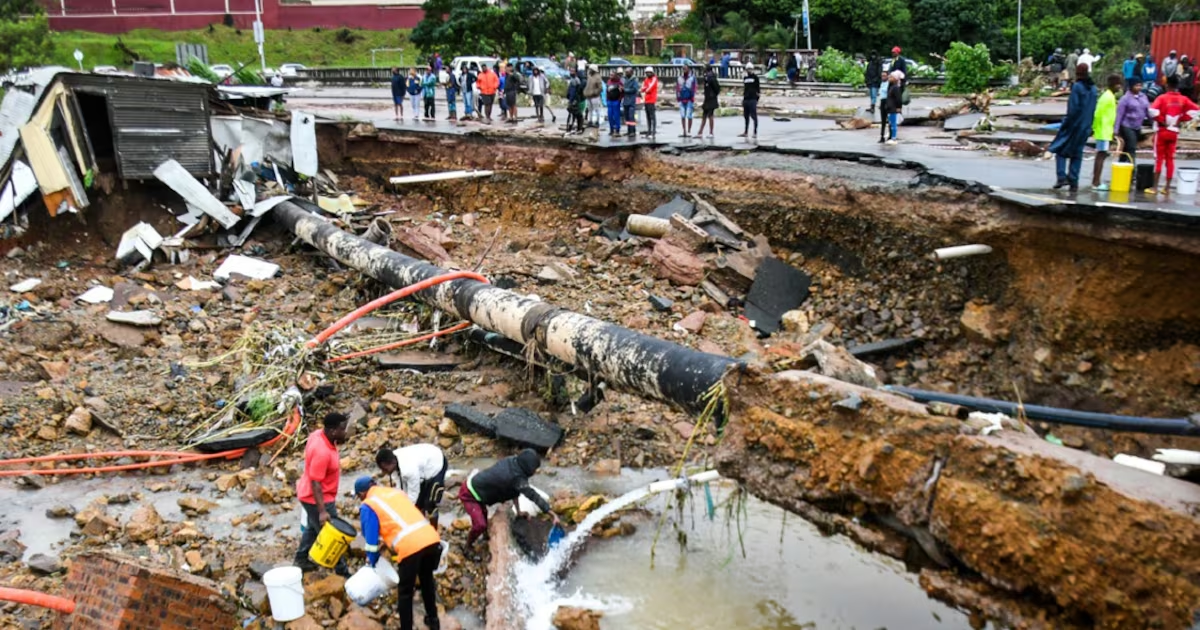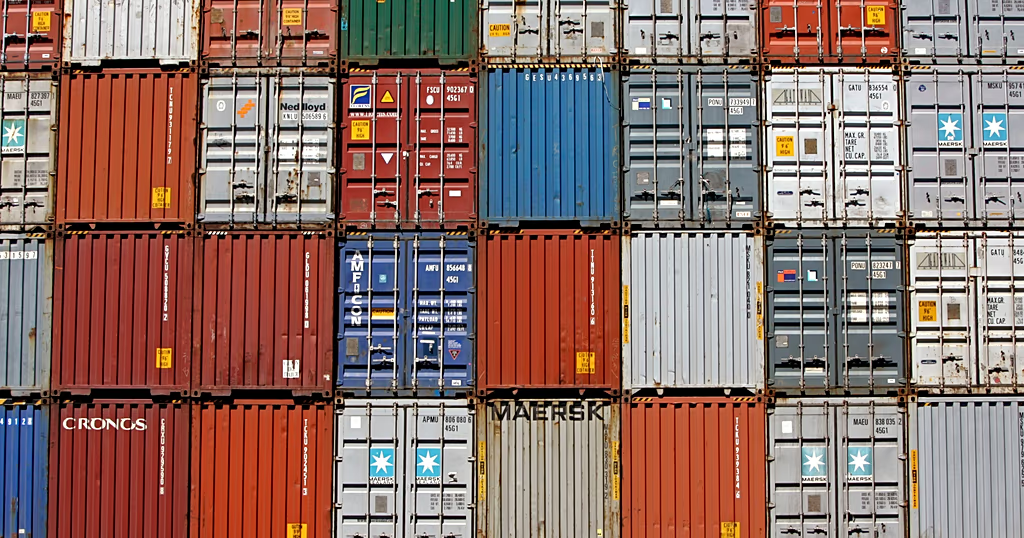
The National Treasury says its latest $1.5bn (R24.67bn) loan agreement with the World Bank is in line with its borrowing strategy that aims for long-term debt sustainability and affordability by raising funding at the lowest cost.The World Bank Group’s lending arm, the International Bank for Reconstruction and Development, said on Monday it had approved the loan to support South Africa’s infrastructure modernisation drive in a boost that will enable nearly 600,000 jobs.The Treasury has previously signalled its preference for concessional loans from institutions such as the World Bank and the New Development Bank, which are much cheaper to service than market rates.On Tuesday it said the latest development policy loan, together with financing secured from other multilateral development partners, had enabled the government to meet its 2026/2027 foreign currency borrowing requirement of $3.2bn.The loan has a 15-year maturity with a three-year grace period at an interest rate 1.35% above the six-month secured overnight financing rate — the primary US dollar benchmark interest rate used for loans, derivatives, and adjustable-rate mortgages. The forward-looking rate is currently about 3.86%.“The loan offers a favourable interest rate and flexible repayment terms, contributing to minimising the rise in debt service costs,” the Treasury said, adding that it aims to support South Africa’s efforts to achieve inclusive growth by tackling infrastructure constraints, the primary barrier to job creation in a country with 32.7% unemployment.It is anchored on three key pillars of structural reform: strengthening energy competitiveness and security, upgrading freight transport services and delivering efficient water and sanitation services.On Monday, the World Bank said the latest loan — the fourth in a series of stand-alone development policy loans to South Africa since 2022 — would help to tackle long-standing bottlenecks in electricity, freight transport and water and sanitation services.It said the programme builds on reforms that are already showing results, with load-shedding virtually eliminated for a year-and-a-half, private investment in renewable energy increasing sixfold, and rail and port freight volumes rising by more than 50% since 2023.“South Africa has shown that sustained reform can turn around even deep-seated infrastructure crises,” World Bank Group division director for South Africa Satu Kahkonen said.“By extending this support to water and sanitation for the first time, we are helping ensure the benefits of reform reach every household, while these efforts together are expected to help create almost 600,000 jobs and attract much-needed private investment.”Business Day
Treasury says latest World Bank loan in line with low-cost borrowing strategy
$1.5bn loan will help drive South Africa’s infrastructure upgrades and create jobs
395 words~2 min read